Amazon’s Ring Giving Your Home Footage To Police!

So much for the fourth amend­ment to the US Constitution. The video door­bell com­pa­ny has giv­en cops access to video feeds with­out cus­tomers’ per­mis­sion 11 times this year.

If you bought a new video door­bell in a Prime Day sale, you may want to con­sid­er the pur­chase after read­ing this. Ring, one of the top Internet-con­nect­ed door­bell com­pa­nies, admit­ted in a let­ter to U.S. Sen. Ed Markey (D‑Mass.), that the com­pa­ny has giv­en footage and oth­er data from cam­eras installed at pri­vate homes to police 11 times this year with­out the own­ers’ consent.

Ring is owned by Amazon, which is not only the country’s largest online retail­er but also has oth­er busi­ness­es includ­ing stream­ing media and cloud ser­vices, which ulti­mate­ly give the com­pa­ny access to huge amounts of con­sumer data. The Washington Post (which is owned by Amazon founder and for­mer CEO Jeff Bezos) report­ed in 2019 that Ring had devel­oped a pro­gram in which 400 police depart­ments around the coun­try could request access to video feeds from Ring cam­eras, essen­tial­ly pro­vid­ing cops with a nation­wide sur­veil­lance net­work with­out hav­ing to spend any mon­ey or jump through any legal hur­dles to do so. Yesterday’s let­ter says that that num­ber has grown to 2,161 police agen­cies and 455 fire depart­ments that can request feeds through the Ring Neighbors app.

Different Approaches, Same Results Using Police…

Similar results can be achieved using dif­fer­ent approach­es. Take, for instance, the approach­es gov­ern­ments use to con­trol the mass­es, even though their gov­ern­ing philoso­phies may differ.
In com­mu­nist China, for exam­ple, dis­si­dents and those who believe in a reli­gion are forcibly removed from their homes and placed into what the Chinese Government call reed­u­ca­tion camps; the west­ern world refers to them as con­cen­tra­tion camps.
The goal of the Chinese Government is to get its one point three bil­lion cit­i­zens to think and act as a mono­lith, all in con­for­mi­ty with the com­mu­nist par­ty’s ideals.
In Saudi Arabia, the heads of dis­si­dents are chopped off in the pub­lic square, and their blood washed down the drain, or they are beat­en, stabbed, and chopped into lit­tle bits and dumped like garbage…

YouTube player

Regardless of the gov­ern­ing ide­ol­o­gy, be they repres­sive monar­chis­tic despo­tism, the equal­ly rigid com­mu­nism, or the more nuanced and less coer­cive meth­ods of the west­ern world, the end game is the same; full con­trol of the masses.
In the United States, the world’s old­est func­tion­ing democracy,(barely) the gov­ern­ment does­n’t chop off the heads of those who crit­i­cize it; I guess we still have a lot to be thank­ful for. (sar­casm)
It nei­ther forces peo­ple into reed­u­ca­tion camps, but peo­ple are brain­washed into being loy­al to the gov­ern­ment and its insti­tu­tions by a com­plic­it cor­po­rate media, pub­lic and pri­vate cor­po­ra­tions, and agen­cies, accom­plish­ing the same results.
In ball­parks and at sport­ing events, the mil­i­tary is held up almost as a god to be wor­shiped. Military fly­over, huge dis­plays of the American flag, and patri­ot­ic dis­plays are obligatory.

For gen­er­a­tions, Hollywood trot­ted out one cop show after anoth­er that paint­ed the police as heroes to be respect­ed and revered. Night after night, day after day, tele­vi­sion net­works pep­per the pub­lic with cop shows that depict police as good guys, ver­i­ta­ble saviors.
The nation gushed over those Holywood cops (The shield. Law & order. Blue blood. Chicago code. NYPD blue. The unusu­als. Naked city. Happy Valley. Streets of San Fransisco. Castle. Monk. Wallander. Inspector Morse. The bridge. Sledgehammer. Cracker. Starsky & Hutch. Life on Mars. The fall. Southland. 21 Jump street. Andy Griffin. Criminal minds. Police squad. Miami Vice. CSI. Boomtown. Barney Miller. You get the pic­ture; the list is endless.…..
Today they even have ride-along cops shows. On these chore­o­graphed pro­pa­gan­da events, spe­cial cops are cho­sen to behave in ways that one would expect police offi­cers would behave. The event is record­ed by the media, which then regur­gi­tates it to the pub­lic. This is designed to counter the dev­as­tat­ing images of what polic­ing in America is in real life.

For mem­bers of the minor­i­ty, com­mu­ni­ty police are pros­e­cu­tors, judges, and exe­cu­tion­ers; no amount of chore­o­graphed pro­pa­gan­da can wash away the real­i­ty of what peo­ple across the globe can see today, thanks to social media.
Whether it’s China or Saudi Arabia, or the United States, the police are the weapon of choice used against the people.
Ironically, the police come from the very peo­ple they abuse and kill to fur­ther the desires of the rich and powerful.
For Blacks in the United States, the imagery depict­ed on tele­vi­sion of nice cops may as well be from the plan­et Uranus. Nothing like this hap­pens in their com­mu­ni­ty; noth­ing like that hap­pens to them.
For them, police mean total dis­as­ter, oppres­sor, liar, abuser, killer..

.

.

.

.

Mike Beckles is a for­mer Police Detective, busi­ness­man, free­lance writer, black achiev­er hon­oree, and cre­ator of the blog mike​beck​les​.com. 

Small-Town America Has A Serious Drinking-Water Problem

On a swel­ter­ing day last July, a team of sci­en­tists stood before a crowd­ed room of peo­ple from the tiny town of Sanders, Arizona, and showed them a pho­to of a dilap­i­dat­ed wood­en shack cov­ered by hole-filled tarps. This, the sci­en­tists explained, was the town’s water source.

Tonya Baloo, a long­time res­i­dent and moth­er of two, did a dou­ble take. “It looked like a Third World coun­try,” she says. “I was like, ‘Is this Africa?’”

The well serv­ing Sanders res­i­dents Chris Shuey

The researchers’ next image — a chart with a flat red line cut­ting through yel­low bars — was even more wor­ri­some. Tommy Rock, a Ph.D. can­di­date study­ing water con­t­a­m­i­na­tion at Northern Arizona University, explained that the red line was the Environmental Protection Agency’s thresh­old for ura­ni­um allowed in pub­lic water sys­tems: 30 micro­grams per liter. The yel­low bars rep­re­sent­ed ura­ni­um lev­els in Sanders’ water sup­ply dat­ing back to 2003. They hov­ered around 50 micro­grams per liter.

For more than a decade, the chart showed, peo­ple in Sanders had been drink­ing con­t­a­m­i­nat­ed water.

Residents lis­tened, dumb­found­ed. Sanders sits on the edge of the Navajo Nation; ura­ni­um mines, relics of the Cold War, have long dot­ted trib­al lands across the West. Long-term expo­sure to the heavy met­al can cause kid­ney dis­ease and can­cer. But locals had nev­er been noti­fied of the con­t­a­m­i­na­tion. Nor were they aware of the near­ly 200 drink­ing-water vio­la­tions that the local util­i­ty had amassed over the pre­vi­ous decade, rang­ing from ura­ni­um and bac­te­r­i­al con­t­a­m­i­na­tion to fail­ure to test the water.

The ini­tial betray­al,” Baloo says. “It was shocking.”

Roughly 6 mil­lion Americans use one of 2,300 pub­lic water sys­tems that qual­i­fy as “seri­ous vio­la­tors”; 99 per­cent of those util­i­ties serve few­er than 50,000 people.

The meet­ing hap­pened two months before researchers in Flint, Michigan, revealed that their city’s water was laced with lead. In both cas­es, curi­ous sci­en­tists exposed years of drink­ing-water vio­la­tions that affect­ed pre­dom­i­nant­ly poor, minor­i­ty com­mu­ni­ties. (Most Sanders res­i­dents are Navajo and live on less than $20,000 per year.) But unlike urban Flint, Sanders is home to just 630 peo­ple and con­sists of a clus­ter of sin­gle-fam­i­ly homes, a gas sta­tion, a dol­lar store, two church­es, and a trad­ing post — all sur­round­ed by miles of red rock and sage brush.
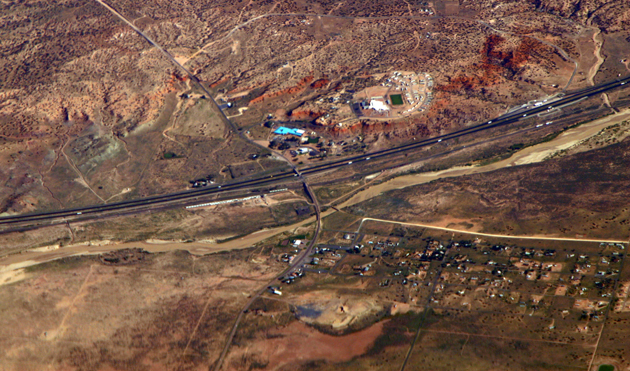
An aer­i­al view of Sanders, Arizona Doc Searls/​Flickr/​Wikimedia Commons

The town is one of thou­sands of rur­al com­mu­ni­ties across the coun­try where water qual­i­ty has qui­et­ly evad­ed fed­er­al health stan­dards for years. Many small util­i­ties sim­ply can­not afford advanced water treat­ment tech­nol­o­gy, says Jeff Griffiths, a pub­lic health pro­fes­sor at Tufts University and a for­mer advis­er to the EPA on drink­ing water. (An inspec­tion of the Sanders well in 2012, for exam­ple, found that “the own­er pours an unap­proved bleach prod­uct down the cas­ing vent dai­ly as the method of dis­in­fec­tion.”) According to EPA data, rough­ly 6 mil­lion Americans use one of 2,300 pub­lic water sys­tems that qual­i­fy as “seri­ous vio­la­tors” — defined as hav­ing mul­ti­ple, con­tin­u­ous, or seri­ous health or report­ing prob­lems. Ninety-nine per­cent of those util­i­ties serve few­er than 50,000 peo­ple. Together, they serve a pop­u­la­tion 25 times the size of Flint.

A week after Rock’s pre­sen­ta­tion, Sanders res­i­dents received a notice in the mail from the Arizona Department of Environmental Quality (ADEQ) inform­ing them of the high ura­ni­um lev­els in the local water sup­ply — a first since the con­t­a­m­i­na­tion was report­ed to the state in 2003. Long-term expo­sure can increase the risk of kid­ney dis­ease and can­cer, it said, but the sit­u­a­tion wasn’t an emer­gency. “You do NOT need to seek an alter­nate (for exam­ple, bot­tled or hauled) water sup­ply,” it read. “The water remains safe to use until treat­ment is put into place.”

DOCUMENT
PAGES
Zoom

Many res­i­dents, wary of the state’s assur­ances, avoid­ed the water. Baloo brought her kids an hour away to her mom’s house for baths. Genevieve Lee, a 73-year-old retired teacher, resort­ed to eat­ing canned food and tak­ing sponge baths out of a buck­et. She made 40-minute treks to Gallup, New Mexico, for water and often found her­self won­der­ing about the uranium’s impact. Did it con­tribute to her breast can­cer in 2008? To her neighbor’s kid­ney disease?

Lee, Baloo, and oth­ers formed a water task force, peti­tion­ing for the town to con­nect to a near­by, well-main­tained util­i­ty in the Navajo Nation. “All we think about is water,” Baloo told me this spring.

The hub­bub led Sanders school sys­tem super­in­ten­dent Dan Hute to test the schools’ water sup­ply, which comes from a pri­vate well unaf­fil­i­at­ed with Sanders’ water sys­tem; the water in Sanders ele­men­tary and mid­dle schools was also con­t­a­m­i­nat­ed. Hute tapped into school bud­gets to pro­vide bot­tled water to rough­ly 500 stu­dents and 150 teach­ers. “I’ve got­ten no help from any­body,” Hute told me ear­li­er this spring. According to Rock, no local, state, or fed­er­al agency pro­vid­ed the town with bot­tled water or filters.

Under the Safe Drinking Water Act, util­i­ties are required to noti­fy their cus­tomers if water has con­t­a­m­i­nant lev­els above the EPA’s thresh­old. If they fail to do so, the law calls for the “pri­ma­cy agency” — in Sanders’ case, the state — to inter­vene. After 30 days, the EPA steps in.

“These peo­ple have been drink­ing this for years. It’s not a short-term expo­sure. I’m a lit­tle baf­fled by their lack of concern.”

Though the pol­i­cy sounds sim­ple enough, the real­i­ty is far murki­er. Dr. Bruce Macler, an EPA tox­i­col­o­gist who helped decide to tell Sanders res­i­dents that
http://​www​.moth​er​jones​.com/​e​n​v​i​r​o​n​m​e​n​t​/​2​0​1​6​/​0​6​/​r​u​r​a​l​-​w​a​t​e​r​-​c​o​n​t​a​m​i​n​a​t​i​o​n​-​u​r​a​n​i​u​m​-​n​a​v​a​j​o​-​s​a​n​d​e​rs/

This arti­cle has been updated.

Tip Of The Day.…

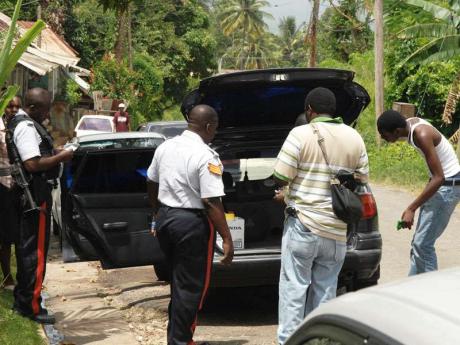
As we con­tin­ue to observe mem­bers of the Jamaica Constabulary Force dis­play lax atti­tudes in the way they approach and appre­hend sus­pects at the per­il of their own lives , we con­tin­ue to offer advise to mem­bers who inter­act with the pub­lic most frequently.
That usu­al­ly falls on the junior officers.

Everything about this reeks “wrong

We also try to edu­cate and inform the pub­lic on it’s rights and respon­si­bil­i­ties when deal­ing with police officers.
Since it appears there is a cri­sis of lead­er­ship both at the junior and senior man­age­ment lev­els of the JCF, we will con­tin­ue to offer these tips with a view to help­ing offi­cers under­stand that in order for them to pro­tect oth­ers they must first learn to pro­tect themselves.
Additionally it is impor­tant as well, that we con­tin­ue to advise and edu­cate the pub­lic to it’s respon­si­bil­i­ties in this arrange­ment between itself and law enforcement.

This type of traf­fic stop is almost car­toon-like in it’s out­dat­ed and dan­ger­ous approach.

Conduct pro­fes­sion­al, safe traf­fic stops.

  1. Remember your train­ing. No traf­fic stop is rou­tine. When con­duct­ing a stop, con­sid­er when and where to ini­ti­ate the stop and the best loca­tion for the dri­ver to stop.
  2. Notify the dis­patch­er. Make sure that the dis­patch­er knows your loca­tion and the stopped vehicle’s license, make and mod­el before mak­ing con­tact with the driver.
  3. Create a safe­ty lane for your­self. Be sure to off­set your vehi­cle behind the stopped vehi­cle to cre­ate a safe­ty lane. Turn tires out and con­sid­er a pas­sen­ger side approach to con­tact the driver.
  4. Communication is crit­i­cal. Remember that the first words spo­ken by an offi­cer may very well deter­mine the tone of the encounter and even the even­tu­al out­come. Similarly, the last words are also very impor­tant and may be the basis of a last­ing impres­sion of the offi­cer and agency.
  5. Stops at night or low light con­di­tions: Use your take­down lights, and/​or spot light to light the inte­ri­or of the stopped vehi­cle. Placing the spot light direct­ly into the rear view mir­ror of the stopped vehi­cle can help cov­er your approach.
  6. Pay atten­tion to the ver­bal and phys­i­cal cues from the dri­ver. Excessive rep­e­ti­tion of requests or instruc­tions by the dri­ver can be an indi­ca­tion of a prob­lem, as is tak­ing a long time to find doc­u­ments such as driver’s license, reg­is­tra­tion or insur­ance card.
  7. Control the stop. You con­trol that vehi­cle and its pas­sen­gers for the dura­tion of the stop. If you feel it is nec­es­sary, request assis​tance​.Talk to you later..

Tip Of The Day..

Young peo­ple who crave excite­ment become gang members.
The media often glam­or­ize the gang lifestyle. » Young peo­ple who can­not resist peer pres­sure may join because their friends are in gangs.
They may feel pres­sured to join to be part of the “in” crowd. » Young peo­ple who are fear­ful often feel that being a gang mem­ber will keep them safe.
If they are chal­lenged by oth­ers, their gang/​crew will help them retal­i­ate because in the gang cul­ture, no chal­lenge goes unanswered.
Perversely, this idea of “safe­ty” leads to increased vio­lence. » Youth who do not under­stand the con­se­quences do not ful­ly under­stand the risks of being in a gang. Risks include arrest, phys­i­cal assault and in some cas­es, death. » Young peo­ple are often recruit­ed by old­er gang mem­bers to com­mit their crim­i­nal acts, because the adults feel that laws are more lenient on juveniles.
In Jamaica the laws are lenient on all crim­i­nals so the lat­ter line does not apply. However lax law enforce­ment and a porous and delin­quent jus­tice sys­tem encour­ages and enhances the process of crim­i­nal­i­ty and Gang activ­i­ty it was designed to remedy.

Talk to you next time…

Tip Of The Day..

We con­tin­ue to speak to the Jamaican Police about exe­cut­ing safe arrests , par­tic­u­lar­ly in light of mount­ing evi­dence of prop­er pro­to­cols not being followed.

♦So the first order of busi­ness in exe­cut­ing an arrest is speed.
Once an offend­er is told in sharp , clear and con­cise lan­guage that he/​she is under arrest , the next com­mand must be , turn around and place your hands behind your back.
The rea­son for order­ing the offend­er to turn away from you the offi­cer, and place his/​her harm behind the back, is to mit­i­gate poten­tial harm to you the officer.
It also gives a clear indi­ca­tion right away to you the offi­cer whether this offend­er intends to resist arrest or not.

♦ The next step is to move swift­ly and decid­ed­ly to the offend­er and place him in hand­cuffs , always with hands cuffed behind the back.
If the offend­er is bel­liger­ent , argu­men­ta­tive , and non-com­pli­ant, officer/​s must bring the offend­er to the ground and exe­cute the arrest as swift­ly as possible .
♦In exe­cut­ing an arrest there should be no cir­cum­stances in which an offi­cer or two strug­gles with effect­ing an arrest while anoth­er offi­cer is stand­ing around like a casu­al observer.
In the event that hap­pens the depart­ment should forth­with send that offi­cer back for retrain­ing ‚or he or she should be dis­missed from the service.

YouTube player

Bystanders who inter­venes , obstructs, goads or oth­er­wise inter­feres with an arrest must forth­with be placed under arrest and charged for obstruct­ing Governmental Administration or Assisting the prin­ci­pal in resist­ing arrest depend­ing on the statute.

(1) Where police fail to fol­low estab­lished guide­lines in effect­ing safe arrests in Jamaica, and (2) the United States where some Police offi­cers use the arrest process to exact revenge and ret­ri­bu­tion on arrestees for myr­i­ad reasons.
I believe there is a ami­ca­ble mid­dle ground .
As I said in a pre­vi­ous arti­cle, when an offend­er is told to turn away from the arrest­ing offi­cer and place his hands behind the back of his head, it gives the arrest­ing offi­cer a chance to find out to a cer­tain degree whether the offend­er intends to resist,
(unless that offend­er decides to play Possum) .
In which case the offi­cer is trained to deal with that situation.
There is a mid­dle ground which does not always have to include either polar oppo­sites if exe­cut­ed correctly.
There is a grey area between Rambo brutes and incom­pe­tent wimps.

Tip Of The Day…

On issu­ing guid­ance to low­er courts on the issue of Police Reasonable Force, the US Supreme Court’s guide­lines are as follows.

The Supreme Court cau­tioned courts exam­in­ing exces­sive force claims that “the cal­cu­lus of rea­son­able­ness must embody allowance for the fact that police offi­cers are often forced to make split-sec­ond judg­ments – in cir­cum­stances that are tense, uncer­tain, and rapid­ly evolv­ing – about the amount of force that is nec­es­sary in a par­tic­u­lar sit­u­a­tion.” The Court also stat­ed that the use of force should be mea­sured by what the offi­cer knew at the scene, not by the “20/​20 vision of hind­sight” by a Monday-morn­ing quar­ter­back. In sum, the Court fash­ioned a real­is­ti­cal­ly gen­er­ous test for use of force lawsuits.

Jamaica is not gov­erned by American law yet I thought I would use this guide­line as a barom­e­ter of (1) How the most pow­er­ful court in the world sees and artic­u­lates this issue and (2) the guid­ance it gives to the court sys­tem in the United States as it relates to the lat­i­tude law enforce­ment should have in appre­hend­ing vio­lent non-com­pli­ant offenders.

It must be said that the pow­er to use all nec­es­sary force to sub­due an offend­er must only be com­men­su­rate with the lev­el of resis­tance, or just enough above, to gain con­trol of the offender.
Immediately the sub­ject is restrained and cuffed no phys­i­cal force must be applied to the subject.
Any force applied to a cuffed offend­er who has stopped resist­ing is exces­sive force and out­side of the guide­lines giv­en to law enforce­ment officers .

In fair­ness to the Jamaica Constabulary Force this pol­i­cy has been the long­stand­ing pol­i­cy of the depart­ment for as long as I can remember.
Officers who approach sub­jects with the intent to arrest must be pre­pared to engage in a strug­gle, no one wants to go to jail.
On that basis offi­cers have a respon­si­bil­i­ty to them­selves to pro­tect their own lives .
Use the com­men­su­rate force and cau­tion to secure the offend­er leave the gib­ber­ish to the cyn­ics, Monday-morn­ing-quar­ter­backs and in Jamaica’s case the vil­lage lawyers.

Tip Of The Day..

Upon approach­ing your car, look to make sure no one is hid­ing in or around the vehi­cle, espe­cial­ly in the back seat. Check your tires for flats. Keep win­dows rolled up, except for a small open­ing for ven­ti­la­tion and keep the doors locked at all times.

Keep valu­ables secured in the trunk, not lying on the seat next to you. Put your purse on the floor of your car. Plan your route before you leave. Displaying a map will send a mes­sage that you’re unfa­mil­iar with the area.

Old Cast Iron Bridge, St. Catherine — Erected in 1801.

When stopped in traf­fic, always leave enough space between your car and the one in front of you. This will allow you to pass eas­i­ly, if neces­sary. Keep your car well main­tained and the gas tank at least half full to avoid get­ting stranded.

Should you sus­pect that you are being fol­lowed, make sev­er­al turns down active streets. If the vehi­cle con­tin­ues to fol­low, head for the near­est police sta­tion, fire house, or open store. Avoid
dri­ving to your home. If some­one attempts to force you off the road, remain calm and blow your horn con­tin­u­ous­ly to attract atten­tion. If forced off the road, stop, put your car in reverse and back away.

Tip Of The Day..

Police Officers

In the age of ubiq­ui­tous video and mush­room­ing over­sight, how can you ensure that your use of force does not bring unwant­ed dis­cred­it upon you,and your department?
Know the law, and com­ply with it.

Where an offi­cer has prob­a­ble cause to believe that the sus­pect pos­es a threat of seri­ous phys­i­cal harm, either to himself/​herself, or to oth­ers, it is not con­sti­tu­tion­al­ly unrea­son­able to use dead­ly force to stop that threat.

Rest in peace con­sta­ble Leighton Hanson

Tip Of The Day..

STREET SAFETY TIPS FOR YOUR SURVIVAL.

Halse hall great house clarendon
  • Be aware of your sur­round­ings at all times and trust your instincts. If you think you are in an area you should not be, you prob­a­bly are.
  • Know where you’re going and the safest way to get there, par­tic­u­lar­ly when mov­ing about the city dur­ing hours of dark­ness. Walk/​run in well-trav­eled, well-lit areas avoid­ing short cuts through alleys and park­ing lots.
  • Have a plan of action in mind. Decide where you would go and what you would do should some dan­ger­ous sit­u­a­tion occur. Know where the near­est police/​fire sta­tion is locat­ed, how to con­tact the police in the event of an emer­gency, what estab­lish­ments are open late where you could seek refuge if need­ed, etc.
  • Walk with con­fi­dence on the street and at a good, steady pace. Keep your head up, observe your sur­round­ings, and don’t look down at the ground.
  • Carry a whis­tle or sim­i­lar type of noise­mak­er. In the event of an emer­gency, the sound may scare off a would-be attacker.
  • Take spe­cial care when jog­ging or bik­ing. Vary your route, go with a friend, and avoid iso­lat­ed areas.
  • Do NOT wear head­phones or lis­ten to music. These can dis­tract you from being aware of your sur­round­ings and who may be approach­ing you.
  • Keep purs­es and pack­ages tucked secure­ly between your arms and body. Don’t over­load your­self with pack­ages and bags – it is dis­tract­ing and it can make you look defenseless.
  • Carry only what you need. Don’t car­ry a large amount of cash or numer­ous cred­it cards and avoid wear­ing flashy and exces­sive amounts of jewelry.
  • Exercise cau­tion when using ATM machines. Only use ATMs locat­ed in well lit, well traf­ficked areas those phys­i­cal­ly locat­ed in stores are the safest.

If You are Being Followed:

  • Show you are sus­pi­cious and turn to look at the per­son. It sends a clear mes­sage that you will not be tak­en by surprise.
  • Change direc­tions. If some­one is fol­low­ing you on foot, cross the street and vary your pace. If the per­son fol­low­ing you is in a car, turn and walk in the oppo­site direction.
  • Go into the near­est store or pub­lic place. If the per­son fol­lows you, ask to use (or find) a phone and call for help. If there isn’t a store or pub­lic area near­by, keep mov­ing. If you have to scream (or blow your whis­tle) to draw atten­tion to your sit­u­a­tion, do it.

If You are Robbed:

  • DO NOT RESIST, espe­cial­ly if you know or believe the rob­ber to be armed. The best course of action is to hand over mon­ey and what­ev­er oth­er belong­ings are demand­ed as quick­ly as pos­si­ble and try to dis­en­gage from this con­fronta­tion­al, and poten­tial­ly dan­ger­ous. Remember, belong­ings can always be replaced, but you cannot.
  • Try to remain calm. Note the rob­ber’s appear­ance and report the crime imme­di­ate­ly to the police.
  • Talk to you soon..

Tip Of The Day…

HELPFUL POLICE SAFETY TIPS WHICH WILL HELP PREVENT HAVING YOUR HOME BURGLARIZED

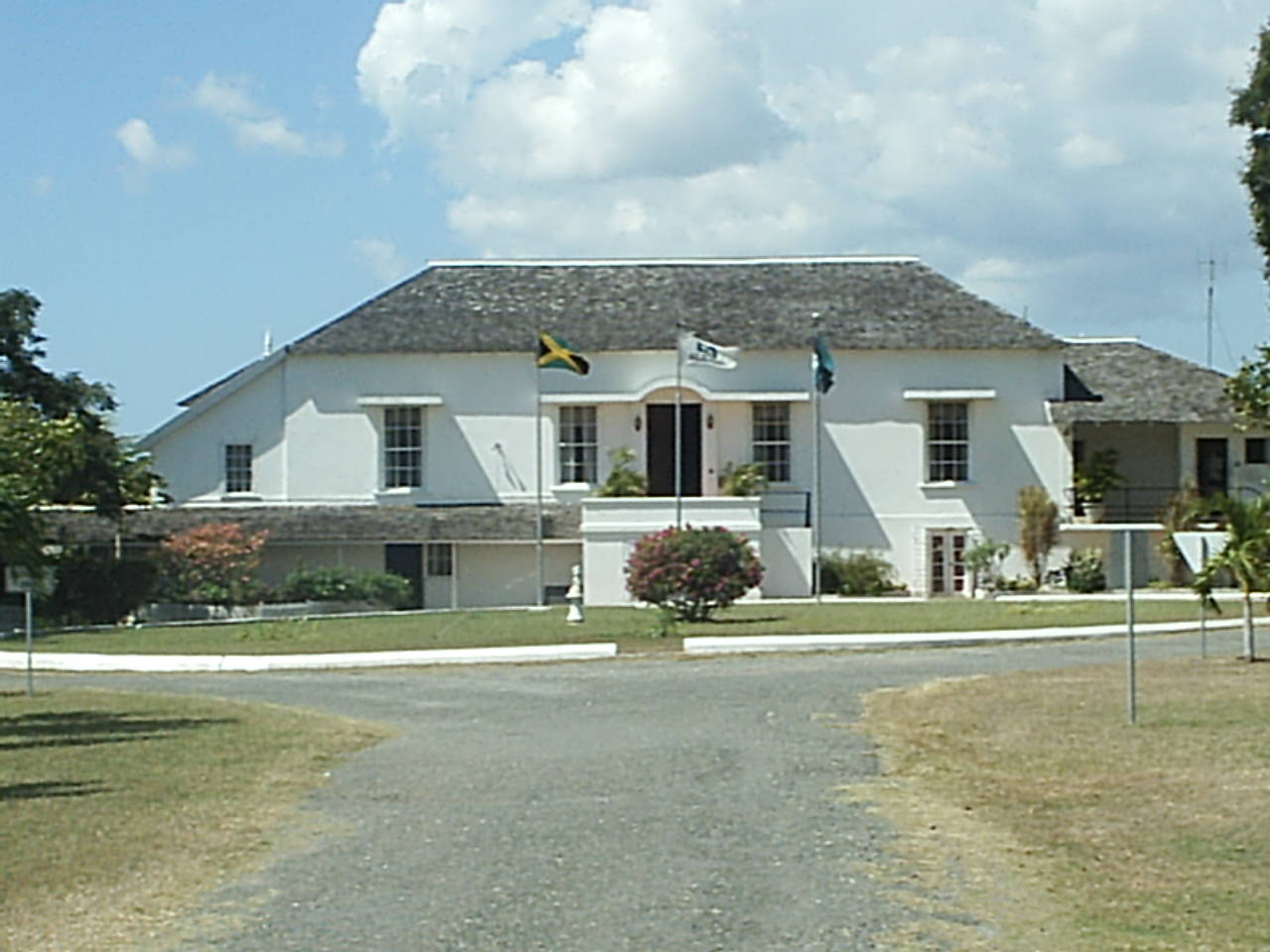
Historic King’s House Jamaica , home of the Governor General.(adapted)
  • Invest in sol­id doors and good qual­i­ty locks on doors and win­dows. This includes on all slid­ing glass doors as well. Make it not only dif­fi­cult but also time con­sum­ing for a bur­glar to gain entry.
  • Whenever you go out­side, lock the door and take the key with you, even if you are just step­ping next door or out mow­ing the backyard.
  • Don’t put valu­ables where they can be seen from the win­dow, espe­cial­ly items that can be eas­i­ly carried.
  • Be sure your garage door can be secured. Do not leave it open when you are away, an emp­ty garage broad­casts your absence.
  • When you aren’t home, set a timer set to turn inte­ri­or lights on and off at vary­ing inter­vals as though your home was still occupied.
  • Don’t keep large amounts of cash or real­ly valu­able jew­el­ry around the house.
  • If some­one comes to your door ask­ing to use the tele­phone, make the call your­self. Don’t invite them in.
  • Don’t hide a spare key under the door­mat or under a flower pot. Thieves know all the good hid­ing places.
  • Plant thorny bush­es under all win­dows. Trim back any trees or shrubs near doors and win­dows to elim­i­nate hid­ing places for would-be thieves.
  • Invest in a good secu­ri­ty sys­tem along with motion sen­sor lights installed out of reach.
  • Don’t leave lad­ders out­side. Keep any tools that could be used to break in your home safe­ly locked away in a garage or shed.
  • Get a bark­ing dog or “Beware of Dog” sign. If you own a dog and go out of town, have some­one come in and care for your dog in your home.
  • Always dou­ble check doors at night and lock all windows.
  • Engrave all valu­ables such as stere­os, microwaves, video cam­eras, with your dri­ver’s license num­ber. Videotape the con­tents of your home. Keep the video and the list of all valu­ables in a safe place, such as a safe­ty deposit box.

Tip Of The Day..

Simple com­mon sense approach­es can save you a whole lot of headache and pain.
Leaving pock­et-books, Jeweler box­es, or pack­ages which appear to con­tain valu­ables is an open invi­ta­tion for thieves to break into your vehi­cle, even if the con­tain­ers are empty.

Thieves scout­ing out a group of auto­mo­biles will invari­able chose to break into the one which has pack­ages vis­i­ble inside.
It does not mat­ter that the pack­age is empty.
Imagine cred­it cards, dri­ver’s licence, and oth­er per­son­al doc­u­ments which have all your per­son­al infor­ma­tion, includ­ing your home address in the hands of face­less strangers?
Even if they did not find any­thing, you will be left hold­ing the bag for a smashed win­dow or a dam­aged door-lock.

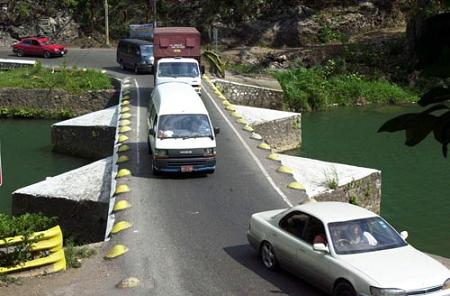
The Flat Bridge Bog Walk St Catherine…

Oh by the way, always lock your doors, no mat­ter how safe you think your neigh­bor­hood is .
Most crimes are crimes of opportunity .
Talk to you next time.

Tip Of The Day..

If you are a per­ti­nent wit­ness in a case before the courts it is impor­tant that you attend court. However it may some­times be oner­ous for you to take day after day after day from work to attend court .

The Rose Hall Great House a Jamaican attraction.

It may not be nec­es­sary to skip work , con­sid­er­ing that cas­es with­in the Jamaican crim­i­nal courts move at a Snail’s pace.
In order not to lose your job or your san­i­ty it may be a good idea to speak to the Investigating Officer han­dling the case, or the pros­e­cut­ing Attorney.
Let them know that hav­ing to attend court even on days when the case will not begin tri­al is dif­fi­cult and oner­ous for you.
The Investigating Officer has a respon­si­bil­i­ty to tell you when you will be need­ed definitively.
As a wit­ness crit­i­cal to a crim­i­nal case this will pre­vent you from loos­ing inter­est in mov­ing forward.
It also helps to ensure that crim­i­nals are held account­able because you are not frus­trat­ed before the process even begins .
Talk to you next time.

Tip Of The Day

Crime thrives on acqui­es­cence and fear.
FEAR
This means if you are deemed to be fear­ful those who smell the fear will keep tak­ing advan­tage of you.
ACQUIESCENCE
This means you are seen as recep­tive, tol­er­ant, or friend­ly to crim­i­nal conduct.

Across Jamaica and in com­mu­ni­ties in every coun­try, crim­i­nals set up shop in places where res­i­dents show fear and demon­strate tol­er­ance to crime.
This is par­tic­u­lar­ly so when res­i­dents have options to report crim­i­nal activ­i­ty yet choos­es to remain silent.
You do not get a free pass from crim­i­nals sim­ply because you remain silent.
Most crim­i­nals are cow­ard­ly preda­tors who do not care who they exploit and abuse .
Today it’s some­one else tomor­row it will be you.

Tip Of The Day

If you are appre­hend­ed by the Police even if you believe you are inno­cent or being unfair­ly treat­ed, Coöperate as best you can with the Officer/​s and sub­mit to being tick­et­ed or arrested.

You are not going to win a fight with some­one who is empow­ered to take your life if you attack them.
You will have your day in Court where you will be allowed to air your grievance/​s.
Additionally, there are Civil reme­dies avail­able to you in the courts, you may be able to recov­er mon­e­tary dam­ages if you are able to prove that you were wrong­ly arrested.
Do not be dead right…
Talk to you next time.…

Tip Of The Day..

You can get rid of Police cor­rup­tion by not offer­ing Officers a bribe, and refus­ing to pay bribes.
Each Officer has a Regulation num­ber ‚if an Officer demand a bribe sim­ply take note of his/​her Regulation num­ber and the Identifying mark­er of the vehi­cle he/​she is dri­ving and make a report to the Relevant authority.

Police on Parade..

That does not mean you should try to destroy an Officer’s char­ac­ter by mak­ing false reports against an offi­cer because you break the law and he/​she appre­hend­ed you.
It is a crime to make a false report.

Talk to you next time…

Tip Of The Day..

When you vis­it Jamaica, enjoy our beau­ti­ful coun­try, obey our laws .
Do not ask for drugs. Do not accom­pa­ny any­one any­where for drugs.

Dunns River Falls

If you live in Jamaica, avoid being forced into vehi­cles ‚even if you are being forced at gunpoint.
In most cas­es if crim­i­nals want to take you away in a vehi­cle they have reser­va­tions about hurt­ing you at the point of contact.
Your best chance is gen­er­al­ly to take a stand right there.
Be safe until next time…

Tip Of The Day..

# 1 If you are trav­el­ling to Jamaica or live there, do not flash wads of cash in pub­lic, it is easy to do this because it requires lots of dol­lars to make purchases.
However for your own safe­ty think about what you may need to spend and car­ry just enough with you.

#2 Travel in groups where possible …
Your secu­ri­ty depends on you.

See you next time.