The Toxic Romance With Criminality: A Historical Reflection !!!

YouTube player

Jamaica’s decades-long “love affair” with crim­i­nals is not acci­den­tal — it grew out of a polit­i­cal sys­tem that con­scious­ly weaponized law­less­ness for elec­toral gain. As ear­ly as the 1970s and 1980s, gangs — com­mon­ly referred to as “poss­es” — became deeply embed­ded in polit­i­cal cul­ture. These crim­i­nal net­works, far from being periph­er­al, became polit­i­cal enforcers.
The noto­ri­ous Shower Posse — Spanglers, Black Roses and oth­ers — emerged not sim­ply as street gangs but as instru­ments of polit­i­cal vio­lence and con­trol, shift­ing even­tu­al­ly into hero­in, cocaine, and arms traf­fick­ing as they gained power. 
In this sense, crime was sub­si­dized by pol­i­tics. The “posse-pol­i­tics” mod­el ren­dered crim­i­nal­i­ty not only tol­er­at­ed but polit­i­cal­ly func­tion­al: threats, “mus­cle,” vot­er intim­i­da­tion — or, when con­ve­nient, pro­tec­tion — all built a grotesque sym­bio­sis between under­world and polit­i­cal elites.

Over time, ordi­nary cit­i­zens, espe­cial­ly in impov­er­ished neigh­bour­hoods, came to view gang “dons” not only as dan­ger­ous crim­i­nals, but as de fac­to pow­er bro­kers — pro­tec­tors, providers, patrons. For many Jamaicans, these fig­ures rep­re­sent­ed com­mu­ni­ty pow­er, ret­ri­bu­tion, and a twist­ed notion of social jus­tice. The result: crime ceased to be an aber­ra­tion; it became woven into the country’s polit­i­cal and social fab­ric. Victims’ rights and pub­lic safe­ty repeat­ed­ly took a back seat as crim­i­nals became qua­si-legit­i­mate com­mu­ni­ty actors.


A Legal System That Long Deferred to Criminal Rights — And Political Strategy

This def­er­ence wasn’t only cul­tur­al — it was sys­temic. Courts, bail laws, weak polic­ing, and polit­i­cal inter­fer­ence often treat­ed gang lead­ers and crim­i­nals not as pari­ahs but as man­age­able, some­times even pro­tect­ed, fig­ures. Politicians from both main par­ties — the JLP and People’s National Party (PNP) — enjoy doc­u­ment­ed links to crim­i­nal net­works. Even if some of the worst sto­ries were exag­ger­at­ed or politi­cized, the struc­tur­al asso­ci­a­tion between polit­i­cal patron­age and gang pro­tec­tion is unde­ni­able. This pat­tern has allowed gang cul­ture to sur­vive, mutate, and even thrive. It has fos­tered a cul­ture of impuni­ty — where the lives of ordi­nary vic­tims and com­mu­ni­ties are weight­ed less than the polit­i­cal util­i­ty of “dons.”The will­ing­ness of large swathes of the Jamaican pub­lic to tol­er­ate — or even glo­ri­fy — such fig­ures is not mere­ly moral fail­ure. It is the inevitable by-prod­uct of decades in which crim­i­nal­i­ty was nor­mal­ized, politi­cized, and in some cas­es rewarded.


A New Era: Attempted Break with Criminality under Holness & JLP

That’s why the recent wave of reforms and crime reduc­tions under Holness’s JLP gov­ern­ment mat­ters — it isn’t just sta­tis­tics, it is an attempt at sys­temic repair.

📉 Real, measurable decline in violent crime

  • According to the offi­cial fig­ures from the Jamaica Constabulary Force (JCF), Jamaica record­ed a 43.3% reduc­tion in mur­ders between January 1 and May 28, 2025 — drop­ping from 485 mur­ders in the same 2024 peri­od to 275. opm​.gov​.jm

  • Other major crimes fol­lowed sim­i­lar declines: by 2024, mur­ders had fall­en by 19% com­pared to 2023, one of the biggest year-on-year drops in his­to­ry. opm​.gov​.jm+1

  • In the first quar­ter of 2025, the coun­try saw the low­est quar­ter­ly mur­der total in 25 years, and the low­est month­ly count in 25 years (-44 mur­ders in April, for exam­ple). opm​.gov​.jm+1

  • Shootings, rapes, and rob­beries have also plum­met­ed under sus­tained police oper­a­tions, intel­li­gence-led oper­a­tions, gang crack­downs, and mount­ing firearms seizures. 

In short, the past two years mark the most sig­nif­i­cant sus­tained decline in major crimes that Jamaica has seen in decades — not a one-off drop, but an ongo­ing down­ward spiral.

🔧 Institutional and legislative reforms

  • Under Holness, the gov­ern­ment has invest­ed mas­sive­ly: over $90 bil­lion (Jamaican dol­lars) in nation­al secu­ri­ty over nine years, fund­ing mod­ern­iza­tion of the police, new sta­tions, bet­ter train­ing, recruit­ment, and technology. 

  • The police force is report­ed­ly “almost at full estab­lished strength,” with thou­sands of addi­tion­al offi­cers trained since 2018. opm​.gov​.jm+1

  • The reform strat­e­gy is statewide — intel­li­gence-led polic­ing, tar­get­ed gang dis­rup­tion, firearms seizures, break­ing down orga­nized crime net­works, and shift­ing polic­ing phi­los­o­phy. The gov­ern­ment has also amend­ed bail laws, strength­ened gun and anti-gang laws, cre­at­ed new enforce­ment bod­ies (like the inde­pen­dent Major Organised Crime and Anti‑Corruption Agency, MOCA), and gen­er­al­ly tough­ened the legal frame­work against vio­lent crime. 

These are not super­fi­cial changes. They rep­re­sent a con­cert­ed, long-term attempt to reassert the rule of law — to reclaim the State’s monop­oly on legit­i­mate vio­lence, and reduce the shad­ow pow­er of gangs.


The Stakes of Regression: Why Expungement and “Soft-on-Crime” Policies Are Dangerous

Given this progress, the actions and pro­pos­als by parts of the PNP to water down leg­is­la­tion, or undo crim­i­nal-jus­tice gains, are deeply irre­spon­si­ble. People’s National Party Member of Parliament Zuleika Jess tabling Amendment for full expunge­ment of felons with non-cus­to­di­al sen­tences or prison terms less than (5) five years is just the lat­ers iter­tion of the PNP’s con­cert­ed effort to stand in the way of mean­ing­ful and sus­tain­able crime reduc­tion in Jamaica.
This fol­lows a long string of PNP efforts to weak­en leg­is­la­tion that would aid the nation’s fight against local and trans-nation­al crim­i­nals. To add insult to injury the PNP ran a twice con­vict­ed Drug mule turned Lawyer, Isat Buchanan to rep­re­sent a seat in East Portland, he won, mak­ing it the first time in our nation’s his­to­ry that a con­vict­ed felon sits in our par­lai­ment as a lawmaker.
While there is a legit­i­mate debate in many soci­eties about reha­bil­i­ta­tion and rein­te­gra­tion of minor offend­ers — and while the con­cept of sec­ond chances is not immoral per se — in Jamaica’s con­text, this feels tone-deaf at best and dan­ger­ous­ly naïve at worst. Here’s why:

  • Public safe­ty vs. polit­i­cal optics: With gangs his­tor­i­cal­ly inter­twined with polit­i­cal patron­age, giv­ing an easy “clean slate” to crim­i­nals plays direct­ly into the old pol­i­tics of impunity.

  • Risk to vic­tims & com­mu­ni­ties: Expunging records means eras­ing insti­tu­tion­al mem­o­ry. Employers, com­mu­ni­ty mem­bers, neigh­bors, or fam­i­lies may unwit­ting­ly open their doors to peo­ple with illic­it pasts — under­min­ing trust and security.

  • International con­se­quences: Other nations (espe­cial­ly those with strict visa or res­i­den­cy screen­ing) are unlike­ly to wel­come indi­vid­u­als from juris­dic­tions per­ceived as soft on crime — espe­cial­ly if records are expunged. The rep­u­ta­tion­al impact on Jamaica as a whole could be severe (on migra­tion, tourism, for­eign investment).

  • Undermining reforms: After years of boots-on-ground polic­ing, seizures, arrests, and dis­man­tling gangs, undo­ing crim­i­nal records under­mines decades of reform and sends a mes­sage that the State is not seri­ous about hold­ing crim­i­nals to account.

In short: any push to “clean the slate” must be mea­sured, delib­er­ate, and con­text-sen­si­tive. Blanket expunge­ments — espe­cial­ly in a coun­try still recov­er­ing from decades of gang dom­i­nance — risk com­pro­mis­ing the frag­ile gains in pub­lic safety.

Conclusion: The Choice Before Jamaica

Jamaica stands at a fork in the road. One path leads back to the old, trag­ic cycle: crim­i­nal-polit­i­cal sym­bio­sis, impuni­ty, vio­lence nor­mal­ized, vic­tims invis­i­ble, com­mu­ni­ties ter­ror­ized. On this path, any ges­ture to clean up crim­i­nal records — or weak­en laws — is not a noble act of mer­cy, but a step back into darkness.
The oth­er path — the one the Holness gov­ern­ment seems to be walk­ing — is hard, fraught, and requires sus­tained polit­i­cal will, fund­ing, and pub­lic sup­port. It demands that Jamaicans reject the glam­our of “dons,” that they for­sake old loy­al­ties to gang-affil­i­at­ed politi­cians, and com­mit instead to the rule of law, pub­lic safe­ty, and justice.

The 2025 data give rea­son for guard­ed hope: mur­ders and major crimes are down over 42%, But sta­tis­tics are frag­ile things. The moment polit­i­cal expe­di­en­cy replaces prin­ci­ple — for exam­ple, via expunge­ment bills — we risk unrav­el­ing decades of progress.

If Jamaica is seri­ous about reclaim­ing its pros­per­i­ty, dig­ni­ty, and the safe­ty of its peo­ple, it must resist any attempt to reha­bil­i­tate the rep­u­ta­tion of crim­i­nals with­out account­abil­i­ty. It must reclaim the nar­ra­tive that crim­i­nals are not com­mu­ni­ty heroes — they are predators.

Anything less is not reform. It is a relapse.

.

.

.

Mike Beckles
Former Criminal Detective, Writer, Businessman, Black Achiever Honoree


Oprah Reacts To Trump’s Tweet Calling Her ‘Very Insecure’

Oprah responds to Trump’s tweet label­ing her insecure.
By Cole Delbyck

YouTube player

It took an appear­ance on Ellen DeGeneres’ show for Oprah Winfrey to final­ly respond to President Donald Trump’s recent tweet bash­ing her as “very insecure.”

While it seems like ages ago, Trump lashed out at the “A Wrinkle in Time” star Sunday night fol­low­ing a dis­cus­sion she mod­er­at­ed for a “60 Minutes” seg­ment with Michigan voters.

I woke up and I just thought,” Oprah explained, rais­ing her hands in the air. “And I don’t like giv­ing neg­a­tiv­i­ty pow­er, so I just thought, what?”

Trump, who seems to take seri­ous­ly spec­u­la­tion that Oprah may run against him in 2020, despite her insis­tence oth­er­wise, tweet­ed short­ly after the seg­ment aired.

Just watched a very inse­cure Oprah Winfrey, who at one point I knew very well, inter­view a pan­el of peo­ple on 60 Minutes. The ques­tions were biased and slant­ed, the facts incor­rect,” the pres­i­dent wrote. “Hope Oprah runs so she can be exposed and defeat­ed just like all of the others!”Read more here: https://​www​.huff​in​g​ton​post​.com/​e​n​t​r​y​/​o​p​r​a​h​-​r​e​a​c​t​s​-​t​o​-​t​r​u​m​p​s​-​t​w​e​e​t​-​c​a​l​l​i​n​g​-​h​e​r​-​v​e​r​y​-​i​n​s​e​c​u​r​e​_​u​s​_​5​a​8​e​d​3​c​3​e​4​b​0​7​7​f​5​b​f​e​c​1​211

Jamaicans Fear Retribution In Turks And Caicos

THE Jamaican rep­u­ta­tion for being tough and fear­less when going after their goals, no mat­ter where in the

world they are, seems to apply every­where else but the Turks and Caicos Islands (TCI). A large num­ber of Jamaicans inter­viewed here speak force­ful­ly about the dis­crim­i­na­tion they are fac­ing from TCI author­i­ties. But with­out excep­tion, they asked not to be iden­ti­fied because of fear of ret­ri­bu­tion. “If you pub­lish my name this morn­ing, my work per­mit will be revoked by this evening,” said a Jamaican who left St Catherine three years ago to work in the thriv­ing real estate busi­ness in this British-run arch­i­pel­ago. “I’m obvi­ous­ly exag­ger­at­ing the speed, but you get the point. They might just decide not to renew my per­mit when it expires in less than a year’s time,” he said, insist­ing: “Remember not to call my name.”

Said anoth­er Jamaican who has been liv­ing for sev­en years in the TCI: “I try to keep on good terms with my TCI co-work­ers because they have a ten­den­cy of report­ing you to their Government, if you have a high­er posi­tion than them, that you are occu­py­ing a posi­tion that they are qual­i­fied for.

The thing that both­ers me is that those TCI peo­ple mak­ing the com­plaints don’t qual­i­fy for the posi­tions they are quar­relling about. They just don’t like to see a for­eign­er, espe­cial­ly a Jamaican, over them. They want to cut you down.

Others I have met have said the same thing. You bet­ter bet their author­i­ties will act on their com­plaints. I wish our author­i­ties in Jamaica were like that — act­ing on our complaints.”

Asked if she had made any com­plaints to the Jamaican author­i­ties, she said no, adding that she was unsure whether that would help and might only “expose me to reper­cus­sions here…The Jamaican con­sul here is well estab­lished in busi­ness and it might not be fair to ask him to jeop­ar­dise his wel­fare in the TCI.”

Several Jamaicans said their com­pa­tri­ots usu­al­ly stand out where they work because of a high­er work eth­ic, not­ing that some TCI cit­i­zens, or Belongers as they are called, don’t prove them­selves to be good workers.

Very often you see that as soon as they have some mon­ey they take off, many to the United States, and only return to work when the mon­ey is fin­ished. Employers pre­fer us Jamaicans because we are reli­able. We don’t give one-hour notice when we can’t make it to work and cause pres­sure to be on our co-work­ers,” said a Jamaican who lives in Grand Turk, the cap­i­tal. “We wouldn’t last long any­way.” Read more here: http://​www​.jamaicaob​serv​er​.com/​n​e​w​s​/​J​a​m​a​i​c​a​n​s​-​f​e​a​r​-​r​e​t​r​i​b​u​t​i​o​n​-​i​n​-​T​u​r​k​s​-​a​n​d​-​C​a​i​c​o​s​_​6​0​777

We Are Dealing With A Generation Of Vipers

Sergeant Raymond Wilson, the tough-talk­ing chair­man of the Jamaica Police Federation, is again rais­ing con­cerns about the nation’s resolve to bat­tle law­less­ness, espe­cial­ly gun vio­lence, which is mak­ing the job of the police increas­ing­ly difficult.

While address­ing yes­ter­day’s open­ing day of the Federation’s 73rd annu­al joint cen­tral con­fer­ence, which is being held at the Hilton Rose Hall Resort and Spa in Montego Bay, St James, Wilson raised ques­tions about sev­er­al mat­ters relat­ed to crime, includ­ing the nation’s luke­warm response to law­less­ness, the vast num­ber of ille­gal guns on the street and the hid­den hands financ­ing crime and violence.

Gone are the days when you could rest assured that a gun­man would not harm a child or a woman, but we want to ask the ques­tion, when will we wake up and realise that we are deal­ing with a gen­er­a­tion of vipers?” ques­tioned Wilson.

When will we wake up and see that this gen­er­a­tion of vipers may require a sim­i­lar harsh response to what they are doing to our law-abid­ing cit­i­zens and our hard-work­ing police officers?”

He added: “When will we wake up and face the real­i­ty that guns nuh mek a Jamaica, bul­lets are not man­u­fac­tured here, yet as soon as we seize two guns off the street, there is a dou­ble dose for us to go and look for again.”

Pointing out that most gun­men are aver­age Jamaicans who can hard­ly afford to buy a meal, Wilson said the time has come for the nation to sit down and start the dis­cus­sion as to how to get to the root cause of crime and those financ­ing it. http://​jamaica​glean​er​.com/​a​r​t​i​c​l​e​/​l​e​a​d​-​s​t​o​r​i​e​s​/​2​0​1​6​0​5​1​2​/​w​i​l​s​o​n​-​w​e​-​a​r​e​-​d​e​a​l​i​n​g​-​g​e​n​e​r​a​t​i​o​n​-​v​i​p​ers

Case Overload Choking Coroner’s Court

THE island’s spe­cial coro­ner William Campbell says his office needs more resources in order to speed up the dis­pos­al rate of cas­es as the cur­rent two to three per month is not enough to address the back­log in the system.

According to the spe­cial coro­ner, at any giv­en time his office is han­dling 300 to 400 cas­es. He said although police fatal shoot­ings have fall­en “dra­mat­i­cal­ly” mov­ing from approx­i­mate­ly 21 per month to eight per month, there remains a high rate of shoot­ings and the resul­tant back­log. The Office of the Special Coroner was set up in 2009 to specif­i­cal­ly deal with inquests aris­ing from inci­dents where per­sons have died vio­lent­ly or sud­den­ly while inter­act­ing with the police, mil­i­tary and oth­er agents of the State. The office works close­ly with the Independent Commission of Investigations (INDECOM).

Campbell said in 2007 there were 272 per year (21 per month); 158 for the first nine months of 2008; 258 or about 21 per month for 2013; 115 or nine per month for 2014; while 101 or eight police shoot­ings per month were record­ed for 2015 and referred to the coro­ner. “But even with that fall, we still have sub­stan­tial back­logs. The dis­pos­al rate by way of pub­lic inquest is not more than two to three per month [so] you’re talk­ing about 30 a year. But the rate of cas­es [sent to the coro­ner] are going up not by 30 per year but by 100 per year, so we have to have more resources to have a faster rate of dis­pos­al,” he said. Campbell was speak­ing at a stake­hold­er forum last Friday host­ed by the Registrar General’s Department to out­line the steps that fam­i­lies should take from the time some­one dies until their death is registered.

He not­ed that some cas­es can be dis­posed of under Section 14 of the Coroner’s Act, which says that: if “… no fur­ther light would be thrown upon the case by hold­ing an inquest it shall be law­ful for the appro­pri­ate coro­ner in his dis­cre­tion to abstain from hold­ing an inquest”. But he argued that most cas­es that come to the spe­cial coro­ner can­not be dis­posed of in that man­ner, and require “fur­ther light to be thrown” on them. “Most of the cas­es that I have seen require a pub­lic inquest,” he stat­ed. Explaining why the Office of the Special Coroner was estab­lished, Campbell point­ed out that from 1983 to 2010, there were more than 5,000 police fatal shoot­ings, and a pile-up of cas­es. “It was felt (then) that the num­ber of deaths was trou­bling enough to require spe­cial atten­tion,” he remarked, empha­sis­ing that he was nei­ther ascrib­ing blame nor jus­ti­fi­ca­tion, but sim­ply out­lin­ing the facts.

Campbell said the vast major­i­ty of cas­es that end up in the Special Coroner’s Court are police shoot­ings. “They’re the ones who inter­act most fre­quent­ly with the pub­lic, so that’s not abnor­mal,” he said. INDECOM boss Terrence Williams told a 2013.
Read more here: http://​www​.jamaicaob​serv​er​.com/​n​e​w​s​/​C​a​s​e​-​o​v​e​r​l​o​a​d​-​c​h​o​k​i​n​g​-​C​o​r​o​n​e​r​-​s​-​C​o​u​r​t​_​6​0​418

Anita Alvarez Wants To Be Taken Off Laquan McDonald Murder Case

CHICAGO (CBS) — In a sur­prise rever­sal Thursday, Cook County State’s Attorney Anita Alvarez asked to recuse her­self and her office from the mur­der case against the Chicago police offi­cer who fatal­ly shot 17-year-old Laquan McDonald in October 2014.

Alvarez also asked for a spe­cial pros­e­cu­tor in the mur­der case against Chicago Police Officer Jason Van Dyke. She had pre­vi­ous­ly defend­ed her han­dling of the McDonald case, and crit­i­cized calls for a spe­cial pros­e­cu­tor. She defend­ed the amount of time it took to file charges, say­ing she was work­ing along­side the FBI and fed­er­al pros­e­cu­tors to thor­ough­ly inves­ti­gate the shoot­ing and build a “metic­u­lous case” against Van Dyke.

In a state­ment after Thursday’s hear­ing in the case, Alvarez said she decid­ed remove her­self and her office from the case to avoid any unnec­es­sary delays in the case, and to ensure one spe­cif­ic pros­e­cu­tor han­dles the case all the way to tri­al. Alvarez lost her bid for re-elec­tion in the Democratic pri­ma­ry in March. Her even­tu­al suc­ces­sor won’t be elect­ed until November, and won’t be sworn in until December.

My pri­ma­ry goal in bring­ing a charge of First Degree Murder in this case is and always has been about seek­ing jus­tice for Laquan McDonald. Today I believe that I am ful­fill­ing this oblig­a­tion by request­ing that the court turn this case over to a spe­cial pros­e­cu­tor,” she said. “I believe that the results of the recent elec­tion and the impend­ing tran­si­tion of this office make this the best and most respon­si­ble decision.”

Cook County Judge Vincent Gaughan said he would not rule on requests for a spe­cial pros­e­cu­tor until June 2.

Two peti­tions have been filed seek­ing to replace Alvarez in the case, cit­ing her close ties to the Fraternal Order of Police, the union that rep­re­sents Chicago police offi­cers. One peti­tion was filed by a group of civ­il rights attor­neys and activists, the oth­er was filed by Rev. Jesse Jackson.

Critics have said Alvarez is behold­en to the police union, and has failed to ade­quate­ly pros­e­cute cas­es of police mis­con­duct and corruption.

Alvarez stressed she does not believe there is any con­flict of inter­est that would pre­vent her office from han­dling the case.

Locke Bowman, one of the attor­neys seek­ing a spe­cial pros­e­cu­tor, said they were sur­prised and “very grat­i­fied” to learn Alvarez is seek­ing to with­draw from the case.

Defense attor­ney Dan Herbert said he’s pre­pared to take the case to tri­al, no mat­ter who the pros­e­cu­tors might be.

While it doesn’t change any of our strat­e­gy going for­ward, it cer­tain­ly will impact the case in cer­tain regards. We’re going to bring in a new pros­e­cut­ing crew, who pre­sum­ably does not have any knowl­edge about the case, who’s going to have to get up to speed. There’s a lot of doc­u­ments in this case. There’s a lot of witnesses.”

Meantime, Gaughan announced a spe­cial secu­ri­ty plan would be in place for future hear­ings in the case against Van Dyke, after his attor­neys asked to have him excused from rou­tine sta­tus hear­ings due to death threats, racial slurs, and harass­ment as he’s entered and exit­ed the Leighton Criminal Courthouse in the past.

Van Dyke is free on $1.5 mil­lion bail as he awaits tri­al for first-degree mur­der in McDonald’s death. He has been sus­pend­ed with­out pay.

Gaughan did not pro­vide any details on the secu­ri­ty plan, and held off rul­ing on Van Dyke’s request to be excused from rou­tine sta­tus hear­ings, but thanked Cook County Sheriff Tom Dart for work­ing out extra secu­ri­ty mea­sures when Van Dyke will be in court.

The judge said he worked out the secu­ri­ty plan with pros­e­cu­tors, defense attor­neys, and the sheriff’s office last week.

It’s just uncon­scionable to think that we could com­pel an indi­vid­ual to appear at a court date with­out pro­vid­ing for that person’s secu­ri­ty,” Gaughan said. “Mob rule will not hap­pen in this courtroom.”

Van Dyke is charged with first-degree mur­der in McDonald’s death, and his attor­neys had asked Gaughan to allow the offi­cer to skip sta­tus hear­ings in the case, cit­ing death threats, racial slurs, and large crowds of pro­test­ers when he has attend­ed past hearings.

The officer’s attor­neys have said Van Dyke’s life has been threat­ened, his father has been “phys­i­cal­ly bat­tered,” and a fam­i­ly vehi­cle has been “smashed” at pre­vi­ous court appear­ances, and the offi­cer should be excused from attend­ing sta­tus hear­ings in the case to pro­tect his safety.

There are rea­son­able grounds to believe that Defendant’s per­son­al safe­ty has been jeop­ar­dized by his atten­dance at pre­vi­ous court appear­ances and there is rea­son­able appre­hen­sion that the Defendant will con­tin­ue to encounter the same lev­el of expo­sure to per­son­al harm in the future,” Van Dyke’s attor­neys wrote in their motion seek­ing to allow Van Dyke to skip some court dates.

Cook County pros­e­cu­tors opposed Van Dyke’s request to be excused from attend­ing sta­tus hear­ings, not­ing cour­t­house protests have died down. They said allow­ing Van Dyke to miss court when oth­er defen­dants charged with vio­lent crimes must show up for every hear­ing would cre­ate a “slip­pery slope,” and cre­ate the appear­ance of spe­cial treatment.

Prosecutors have argued Van Dyke has not demon­strat­ed any cred­i­ble threat to his safe­ty, not­ing he has not alleged that he has been per­son­al­ly attacked, or that any­one yelling threats has been armed.

While ver­bal threats and taunts may cre­ate an uncom­fort­able pas­sage to and from the cour­t­house, mere words do not jeop­ar­dize defendant’s per­son­al safe­ty, and there­fore do not neces­si­tate defendant’s absence from court appear­ances,” pros­e­cu­tors wrote.

Herbert said Cook County pros­e­cu­tors first sug­gest­ed pos­si­ble pro­tec­tion by Cook County Sheriff’s deputies in their oppo­si­tion to Van Dyke’s request to be excused from attend­ing sta­tus hear­ings, which typ­i­cal­ly deal with rou­tine pro­ce­dur­al matters.

For most of his court appear­ances, Van Dyke has need­ed to run a gant­let of angry pro­test­ers when he has appeared at the Leighton Criminal Courthouse. However, at his two most recent court appear­ances, no pro­test­ers showed up as Van Dye attend­ed court.

The release of police dash­cam video show­ing Van Dyke shoot­ing 17-year-old Laquan McDonald 16 times in October 2014 prompt­ed a series of angry protests across the city, and led to a U.S. Justice Department inves­ti­ga­tion of the Chicago Police Department’s poli­cies and prac­tices regard­ing the use of force.
http://​chica​go​.cbslo​cal​.com/​2​0​1​6​/​0​5​/​0​5​/​o​f​f​i​c​e​r​-​c​h​a​r​g​e​d​-​w​i​t​h​-​m​u​r​d​e​r​-​o​f​-​l​a​q​u​a​n​-​m​c​d​o​n​a​l​d​-​w​a​n​t​s​-​e​x​t​r​a​-​s​e​c​u​r​i​t​y​-​a​t​-​c​o​u​rt/

Cop Held For Policewoman’s Murder

THE Police High Command said yes­ter­day that a police­man and a civil­ian have been tak­en into cus­tody in rela­tion to the death of police cor­po­ral Judith Williams, who was gunned down while wait­ing at a bus stop in east­ern Kingston, last week Thursday.

In addi­tion, it said sev­er­al peo­ple, includ­ing police per­son­nel, have been inter­viewed and state­ments col­lect­ed. The police, how­ev­er, did not say if the two in cus­tody would be charged, say­ing that the inves­ti­ga­tion was at a sen­si­tive stage.

Senior inves­ti­ga­tors from the Kingston Eastern Police Division who are lead­ing the probe say they are work­ing around the clock to con­duct a thor­ough inves­ti­ga­tion,” the high com­mand said. “The police are com­mit­ted to pro­vid­ing time­ly and accu­rate updates on this inves­ti­ga­tion as it pro­gress­es,” it said.

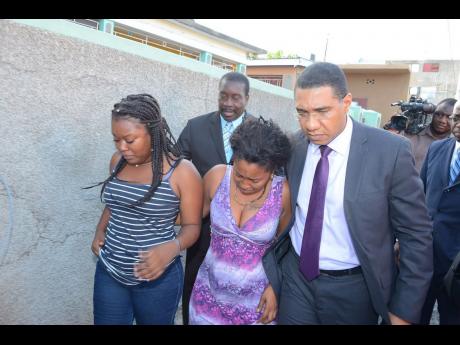
Prime Minister Andrew Holness and National Security Minister Robert Montague on Monday visited Bryden Street in east Kingston to meet the relatives of slain Woman Corporal Judith Williams. (Jamaica Star picture)
Prime Minister Andrew Holness and National Security Minister Robert Montague on Monday vis­it­ed Bryden Street in east Kingston to meet the rel­a­tives of slain Woman Corporal Judith Williams.
(Jamaica Star photo)

In the mean­time, the police have slapped down dis­cus­sions on the case mak­ing the rounds on social media. “Several aspects of the infor­ma­tion mak­ing the rounds on social media are inac­cu­rate and are, at best, spec­u­la­tive, and no cre­dence should be giv­en to them,” said the high command.
An appeal was, mean­while, made for peo­ple with infor­ma­tion that can assist in the inves­ti­ga­tion to con­tact the Kingston Eastern Police at 928‑4200, Crime Stop at 311, the police 119 emer­gency num­ber or the near­est police sta­tion. Information may also be giv­en anony­mous­ly using the Ministry of National Security’s Stay Alert App that can be down­loaded via the Google Playstore.

There have been spec­u­la­tions that the death of Corporal Williams, who was assigned to the Office of the Police Commissioner, was a con­tract killing linked to a court case.

In the after­math of the killing, the Jamaica Police Federation, which rep­re­sents rank and file mem­bers of the con­stab­u­lary, renewed its call for spe­cial trans­porta­tion be pro­vid­ed for police­men and women to and from work. http://​www​.jamaicaob​serv​er​.com/​n​e​w​s​/​C​o​p​-​h​e​l​d​-​f​o​r​-​p​o​l​i​c​e​w​o​m​a​n​-​s​-​m​u​r​d​e​r​_​6​0​167

NYPD Detectives Charged With Assaulting Postal Worker Who Accidently Gave Directions To Cop Killer

Two NYPD detectives face prison time for beating up a postal worker who unwittingly gave an assassin directions to a Brooklyn housing project where the maniac killed two police officers, officials said Wednesday. Queens District Attorney Richard Brown charged Detectives Angelo Pampena, 31,and Detective Robert A. Carbone, 29, with assault. Pampena and Carbone are accused of beating 26-year-old Karim Baker on 96th St. between Christie and 55th Aves. in Corona, Queens on Oct. 21, 2015. They allegedly punched and kicked him inside his car and then pulled him out and continued to beat him. Baker was in his postal uniform at the time, officials said.

The bru­tal­ized let­ter car­ri­er had to relive the haunt­ing ordeal when he recent­ly tes­ti­fied before the grand jury. “It was very dif­fi­cult … from the very begin­ning,” Baker said about his grand jury tes­ti­mo­ny. “It was like I was reliv­ing the moment. Just sit­ting there and going through it all over again was def­i­nite­ly hard for me.”

Yet he could see the grand jury shar­ing his pain. “Based on their reac­tions I knew they were going to get indict­ed,” Baker said. The entire attack was caught on video, which was also shown to the grand jury, accord­ing to Baker’s attor­ney Eric Subin. “There’s no room for inter­pre­ta­tion,” Subin said about the video. “There is no expla­na­tion for what they did. It’s bone chill­ing.” Baker suf­fered “seri­ous phys­i­cal injuries,” under­went surgery for a knee injury and may need surgery on his spine, Subin said. He has yet to return to work at the post office. As the assault, which was first report­ed by the Daily News, was inves­ti­gat­ed, Pampena alleged­ly filed a false affi­davit claim­ing that the fight broke out after Baker’s car was found parked in front of a hydrant.

Yet the sur­veil­lance video shows he was parked legal­ly, offi­cials said. Baker’s car was at least one car length from the hydrant, Subin said.

Bruising is seen on Karim Baker’s after he was allegedly beaten by NYPD officers.

Bruising is seen on Karim Baker’s after he was allegedly beaten by NYPD officers.

I’m cer­tain­ly not sur­prised, though it’s not easy to get police offi­cers indict­ed for any­thing… even though the evi­dence is crys­tal clear,” Subin said about the arrests. “The grand jury obvi­ous­ly saw that video and heard that he was sys­tem­at­i­cal­ly tar­get­ed for ten or eleven months. They beat the hell out of him.” Pampena was addi­tion­al­ly charged with per­jury, fil­ing a false instru­ment and offi­cial mis­con­duct for mak­ing up the lie, offi­cials said. The Queens DA’s office request­ed $10,000 bail, but the two detec­tives were ordered released with­out bail after a brief court appear­ance on Wednesday. The arraign­ment occurred min­utes after the Queens DA’s office sent out a press release announc­ing the charges against the two detec­tives. They will return to court to respond to the charges in June, accord­ing to a Queens DA spokeswoman.

Baker and his attor­ney claim that the postal employ­ee was repeat­ed­ly harassed by police after he unknow­ing­ly direct­ed Ismaaiyl Brinsley to the Marcy Houses in Bedford-Stuyvesant just before Brinsley shot and killed Detectives Rafael Ramos and Wenjian Liu on Dec. 20, 2014. For months after the assas­si­na­tion, Baker was stopped by police for traf­fic infrac­tions about 20 times — but nev­er tick­et­ed — before he was attacked by Pampena and Carbone, Baker said. Baker said he is still ter­ri­fied to inter­act with the police — and doesn’t know how to react when he sees a pass­ing NYPD squad car. “It’s not some­thing that can ever go away from me,” he said. “I went through a whole year of being stopped… repeat­ed­ly being stopped. If that can hap­pen I don’t know what to expect now.” “I just try to behave as nor­mal as I can (when I see police),” he said. A high-rank­ing police source said that Pampena and Carbone stopped Baker because they thought he was in the mid­dle of a drug trans­ac­tion. These guys had no clue who this guy was,” the source said.

Wenjian Liu.APEnlarge
Officers Rafael Ramos and Wenjian Liu were shot and killed  Dec. 20, 2014, by a maniac in Brooklyn — Baker unknowingly gave the killer directions.APEnlarge

Officers Rafael Ramos and Wenjian Liu were shot and killed Dec. 20, 2014, by a mani­ac in Brooklyn — Baker unknow­ing­ly gave the killer direc­tions. After the mur­ders of Liu and Ramos, inves­ti­ga­tors learned that Baker, then a Fed Ex employ­ee, had been approached by Brinsley. Brinsley had asked Baker direc­tions to the Marcy hous­es, but didn’t make his inten­tions known. Earlier in the day, Brinsley had post­ed a pic­ture of a sil­ver Taurus semi­au­to­mat­ic pis­tol, writ­ing “I’m putting wings on pigs today.” Investigators look­ing to speak with Baker flagged his license plate in the NYPD’s com­put­er sys­tem, but nev­er delet­ed the alert after they had inter­viewed the Fed Ex employ­ee and cleared him of any wrong­do­ing, Subin said. Instead, when Baker got a sec­ond car, the license plate on that vehi­cle was also flagged, Subin said. Investigators ulti­mate­ly removed a flag on the first car, but not the sec­ond, and so he was stopped and ques­tioned repeat­ed­ly. Pampena and Carbone approached the let­ter car­ri­er believ­ing he was still want­ed for ques­tion­ing in the Liu and Ramos mur­ders, Subin said. Pampena is a nine-year vet­er­an of the NYPD. Carbone has been with the depart­ment for eight years. They each face up to sev­en years in prison if convicted.

Both have been sus­pend­ed for 30 days with­out pay, offi­cials said. No one answered the door at Carbone’s Levittown home Wednesday. Neighbors were shocked to hear of his arrest. “He seemed like a real­ly nice guy,” the neigh­bor said. The NYPD did not imme­di­ate­ly return a request for com­ment. http://www.nydailynews.com/new-york/nyc-crime/nypd-detectives-charged-assaulting-postal-worker-article‑1.2608423

Brooklyn Cops Allegedly Arrest Mailman After He Criticizes Their Driving

BY SARAH EDWARDS IN ON MAR 23, 2016 8:45 AM

Police arrest­ed an on-duty mail­man last week in Crown Heights after he object­ed to their dri­ving, accord­ing to Brooklyn Borough President Eric Adams. Adams held a press con­fer­ence on Tuesday after­noon to decry the arrest of Glenn Grays, which took place on the after­noon of March 17th.
Adams recount­ed that Grays, 27, stepped out of his mail truck on President Street at around 4 p.m. as offi­cers in an unmarked car drove by and near­ly clipped him. The plain­clothes offi­cers lat­er recount­ed Grays being “loud and bois­ter­ous” and curs­ing at them. A video of the inci­dent pur­port­ed­ly picks up at this point.

The cell­phone footage shows the four under­cov­er cops, one of whom Adams says is a lieu­tenant, sur­round Grays and demand to see his iden­ti­fi­ca­tion. When he does­n’t imme­di­ate­ly run back to the mail truck to retrieve it, two offi­cers close in on him, over the objec­tions of gath­ered bystanders.“Stop resist­ing!” one offi­cer repeats as Grays appears to hold his arms stiff while the cop tries to cuff him. “You’re going to get hurt if you don’t give me your fuck­ing hands,” the oth­er offi­cer says.

After a tense moment, the four offi­cers get Grays in cuffs and march him to their car. Adams said that from there, they drove him to the 71st Precinct sta­tion house, leav­ing his truck unse­cured. Grays has no crim­i­nal his­to­ry, and was released with a tick­et for resist­ing arrest. Adams called that a way of the NYPD “sweep­ing the inci­dent under the rug.” He is demand­ing that the offi­cers be rep­ri­mand­ed for what he said is a bogus arrest emblem­at­ic of how they deal with pre­dom­i­nate­ly African-American and Caribbean res­i­dents of Crown Heights. “It is not against the law to voice out­rage after almost being struck by a vehi­cle,” Adams told reporters. “This could have been anoth­er Eric Garner sit­u­a­tion if Glenn had­n’t respond­ed as calm­ly as he did. And if they would do that to Glenn in his uni­form, they would do that to any per­son of col­or in that neigh­bor­hood.” Adams was joined at the podi­um by Grays’s moth­er, Sonya Sapp, and Michael Thomas, Grays’s long­time friend.

I have six boys. Glenn is my old­est,” Sapp said. “As soon as I saw the video, I imme­di­ate­ly start­ed cry­ing, because I wor­ry about all my boys. Every minute, every day, every sec­ond.” “Glenn told me, ‘I thought if I got a job they would leave me alone,’ ” Thomas said. Grays attend­ed the press con­fer­ence, but did not speak because of the pend­ing charge. Adams, a retired NYPD offi­cer and co-founder of the group 100 Blacks In Law Enforcement Who Care, is sched­uled to meet with police Commissioner Bill Bratton on Wednesday to dis­cuss the case. “We must send a strong mes­sage that inno­cent peo­ple should not be put in hand­cuffs, tak­en to a precinct, and then attempt­ed to cov­er it up,” he said. “That is unac­cept­able. This is one step away from Staten Island.” Story orig­i­nat­ed here: Brooklyn Cops Allegedly Arrest Mailman After He Criticizes Their Driving

Government To Buy Used Cars For Police

Security Minister Robert Montague says the gov­ern­ment will be import­ing used cars to boost the mobile capac­i­ty of the Jamaica Constabulary Force (JCF).

police-car

Speaking at a town hall meet­ing in Westmoreland yes­ter­day, Montague said the mon­ey to buy the used motor cars, pop­u­lar­ly known as ‘depor­tees’ will be allo­cat­ed in the next bud­get. Montague also said the used cars will be pur­chased in an effort to cap­i­talise on the lim­it­ed finan­cial resources avail­able to pur­chase vehi­cles for the force. He said instead of pur­chas­ing 100 new vehi­cles, the min­istry will be able to buy 400 used cars for the same price. Montague also said the used vehi­cles should be able to serve the force for at least three years. http://​jamaica​glean​er​.com/​a​r​t​i​c​l​e​/​n​e​w​s​/​2​0​1​6​0​3​2​2​/​g​o​v​e​r​n​m​e​n​t​-​b​u​y​-​u​s​e​d​-​c​a​r​s​-​p​o​l​ice

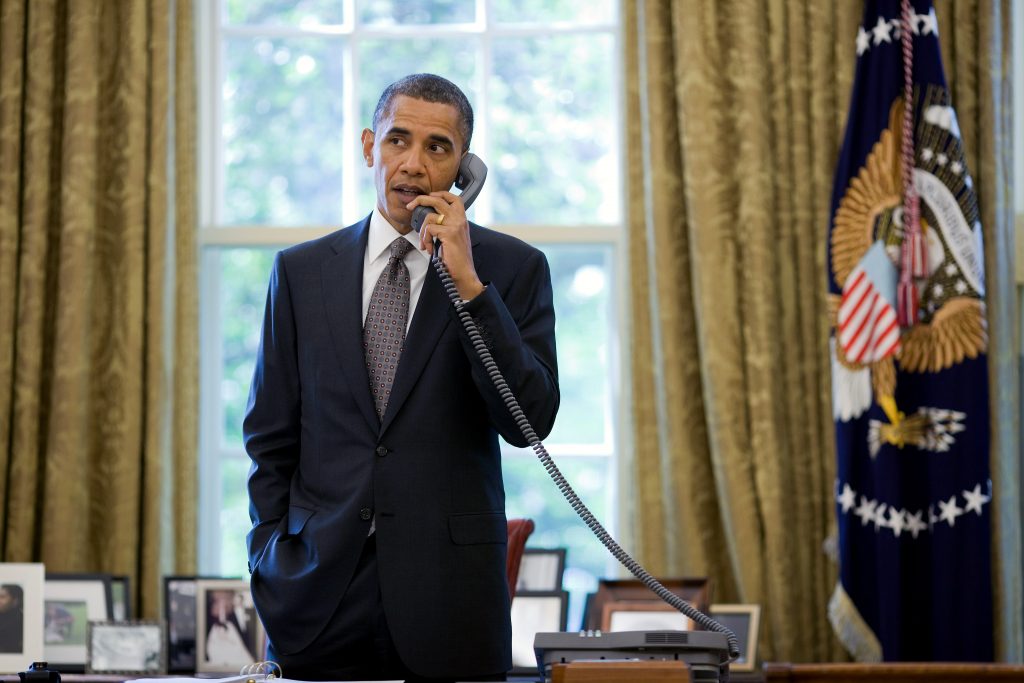
Obama: Will Nominate ‘indisputably’ Qualified Supreme Court Justice

President Obama
President Obama

President Barack Obama said Tuesday he would nom­i­nate a can­di­date to fill the vacan­cy on the Supreme Courtwho is “indis­putably” qual­i­fied. He called on the staunch Republican oppo­si­tion in the Senate to rise above “ven­om and ran­cor” and vote on con­firm­ing the nom­i­nee. “I intend to do my job between now and Jan. 20 of 2017,” he said. “I expect them to do their job as well.” Obama told reporters at a news con­fer­ence in his first extend­ed com­ments on the fight over fill­ing the seat left emp­ty by the death of Justice Antonin Scalia.

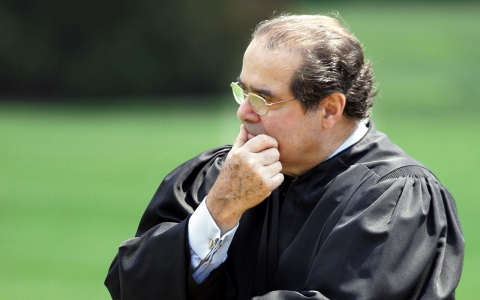
Scalia
Scalia

Obama cast the dis­pute as a ques­tion of how far Republicans want to push their oppo­si­tion and whether the Senate can func­tion in the hyper­politi­cized cli­mate. Fights over judi­cial nom­i­na­tions are not new, he not­ed, but “the Supreme Court’s dif­fer­ent.” “This will be a test, one more test of whether or not norms, rules, basic fair play can func­tion at all in Washington these days,” he said. Obama spoke as he closed a meet­ing of Southeast Asian lead­ers at Sunnylands, a Southern California desert retreat. Obama gath­ered ASEAN mem­bers for two days of talks on secu­ri­ty and coun­tert­er­ror­ism efforts.

But the pres­i­den­t’s atten­tion was divid­ed. Since Scalia’s unex­pect­ed death at a remote Texas ranch on Saturday, White House lawyers and advis­ers have been scram­bling to refine and vet a list of poten­tial replace­ments, while also devis­ing a strat­e­gy to push a can­di­date through the Republican-led Senate. Senate Majority Leader Mitch McConnell of Kentucky has said he does­n’t think Obama should be putting a can­di­date for­ward. McConnell and sev­er­al Republican sen­a­tors up for re-elec­tion this year,say Obama should leave the choice up to the next pres­i­dent. The November elec­tion, they argue, will give vot­ers a chance to weigh in on the direc­tion of the court. Obama dis­missed that notion. He has said he will put for­ward a replace­ment in due time and that he believes the Senate will have “plen­ty of time” to give the nom­i­nee a fair hear­ing and a vote. Democrats say Obama has every right and a con­sti­tu­tion­al duty to fill vacan­cies on the court until he leaves office Jan. 20, 2017.

The Republicans’ rec­om­mend­ed solu­tion is “irre­spon­si­ble, and it’s unprece­dent­ed,” Sen. Pat Leahy, the rank­ing Democrat on the Senate Judiciary Committee, said Tuesday. “The American pub­lic expects us to do the job we’re elect­ed to do. The pres­i­dent is going to do what he is elect­ed to do and let’s vote up or down.”

The dis­pute reflects years of esca­lat­ing par­ti­san hos­til­i­ties over judi­cial nom­i­na­tions, as well as the unusu­al tim­ing. The pace of low­er court con­fir­ma­tions always slows in a pres­i­den­tial elec­tion year, as the par­ty that does not con­trol the White House prefers to hold out hope that its nom­i­nee will fill vacant judge­ships rather than give life­time tenure to the oth­er par­ty’s choic­es. But Supreme Court vacan­cies in pres­i­den­tial years are rare, in part because the jus­tices avoid retir­ing when prospects for con­firm­ing suc­ces­sors are uncer­tain. If Senate Republicans hold fast to their vow not to con­firm any­one Obama nom­i­nates, then the Supreme Court will oper­ate with eight jus­tices not just for the rest of this court term, but for most of the next one as well. High court terms begin in October, and the 80 or so cas­es argued in the course of a term typ­i­cal­ly are decid­ed by ear­ly summer.The court will be unable to issue nation­wide rul­ings on any issue in which the jus­tices split 4 – 4.
Obama: Will nom­i­nate ‘indis­putably’ qual­i­fied Supreme Court justice

Holness Answers.…

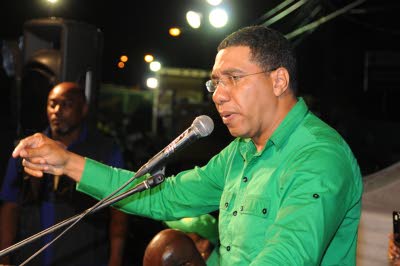
Opposition Leader Andrew Holness.

Opposition Leader Andrew Holness last night respond­ed to ques­tions about his house posed by the rul­ing People’s National Party (PNP), dis­clos­ing what he described as “an unprece­dent­ed amount of per­son­al finan­cial affairs” and stat­ing that he was doing so “in the inter­est of trans­paren­cy and integri­ty” as a pub­lic figure.

At the same time Holness, the leader of the Jamaica Labour Party (JLP), fired back nine ques­tions at the PNP and Finance Minister Dr Peter Phillips, say­ing that they need to pro­vide answers “for the sake of com­plete­ness and transparency”.
Here is the full text of Holness’s statement:

My fel­low Jamaicans,

Recently the People’s National Party, name­ly the min­is­ter of finance, has politi­cised my per­son­al affairs.

As a pub­lic fig­ure, I have a duty to ensure that my affairs meet legal and eth­i­cal stan­dards, recog­nis­ing as well that we are now in an elec­tion cam­paign, where there is a con­cert­ed effort by the PNP to dis­tract from the plans that the Jamaica Labour Party has put for­ward in our 10-Point Plan for the ben­e­fit and pros­per­i­ty of the peo­ple of Jamaica.

I will answer these ques­tions, but first, for the sake of com­plete­ness and trans­paren­cy, we, too, have ques­tions to ask Dr Phillips and the PNP:

1. Dr Phillips, as a par­lia­men­tar­i­an earn­ing prac­ti­cal­ly the same salary as the Leader of the Opposition, how did you afford the house you present­ly live in, which is val­ued at mul­ti­ple times your salary?

2. Were you a part of the Cabinet of Jamaica which cre­at­ed FINSAC, and which took away the prop­er­ty of many hard-work­ing Jamaicans and dec­i­mat­ed the entre­pre­neur­ial class?

3. If the answer to ques­tion 2 is yes, did you acquire any of the prop­er­ties tak­en over by FINSAC, or ben­e­fit in any­way whatsoever.

4. Did mem­bers of the Cabinet that cre­at­ed FINSAC acquire prop­er­ties tak­en over by FINSAC.

5. Do the answers to ques­tions 2, 3 and 4 explain your unwill­ing­ness to com­plete and release the FINSAC report?

6. Do you own or have a ben­e­fi­cial inter­est in a house in Beverly Hills?

7. Are there mem­bers the Cabinet who have off­shore companies?

8. Will you declare any assets you have overseas?

9. Will the offi­cers of the PNP, includ­ing your­self, tes­ti­fy and come clean about Trafigura?

The above ques­tions are per­ti­nent to the elec­torate, par­tic­u­lar­ly those relat­ing to Finsac. Those who lost their prop­er­ties due to Government pol­i­cy have a right to know if their min­is­ters of Government ben­e­fit­ed from their loss.

Now, I will take the oppor­tu­ni­ty to dis­pose of the smear cam­paign and innu­en­does of illic­it fund­ing ini­ti­at­ed by the PNP.

Upon becom­ing a min­is­ter, and also hav­ing regard to the fact that I had a young fam­i­ly, I took legal and account­ing advice as to how I should struc­ture my per­son­al affairs.

Consequent on that advice I incor­po­rat­ed an inter­na­tion­al busi­ness com­pa­ny in St Lucia.

This course of action is com­mon prac­tice, par­tic­u­lar­ly for estate plan­ning pur­pos­es. The name of the com­pa­ny, ADMAT, is a com­bi­na­tion of the names of my two sons Adam and Matthew.

I am the sole direc­tor of the com­pa­ny and the com­pa­ny has three share­hold­ers being my sons and myself.

The com­pa­ny was reg­is­tered in 2008 and declared to the Integrity Commission that year.

Everything I own is phys­i­cal­ly in Jamaica.

In late 2010, I start­ed nego­ti­a­tions to pur­chase a piece of land to con­struct my fam­i­ly home.

In January 2011, I made the first of four pay­ments on the land.

Payments were com­plet­ed in August 2011.

The title was trans­ferred in July 2011. At the time of sign­ing I did not write any state­ment say­ing, “signed while on a vis­it to Jamaica”.

Funds from my accounts at JMMB and Stocks and Securities were used to finance the pur­chase of the property.

In September 2012, we began prepa­ra­tion of the site for con­struc­tion, which involved exca­va­tion of boul­ders and frag­men­ta­tion of rocks.

The result­ing stones from this process were used to con­struct retain­ing, fac­ing and bound­ary walls. This ini­tial phase was financed from my sav­ings, salary and sup­pli­ers’ cred­it of approx­i­mate­ly $3.8 million.

This ini­tial phase cost approx­i­mate­ly $8.6 million.

The sec­ond phase was the actu­al erec­tion of the struc­ture, this hap­pened dur­ing 2013 at a cost of approx­i­mate­ly $35 mil­lion which was financed by a $10 mil­lion home improve­ment loan from Scotiabank, a $3 mil­lion mort­gage from Jamaica National, and supplier’s cred­it of approx­i­mate­ly $15.6 mil­lion. My wife, being a real estate devel­op­er, has estab­lished cred­it lines for the sup­ply of con­struc­tion and build­ing mate­r­i­al and equip­ment rental. The sup­pli­ers’ cred­it came from this source.

In 2014 we com­plet­ed all major con­struc­tion and in that year spent approx­i­mate­ly $9 mil­lion financed by salary, sav­ings and supplier’s credit.

In 2015, there was no sig­nif­i­cant con­struc­tion activ­i­ty as the project was sub­stan­tial­ly complete.

To date, the total cost of land prepa­ra­tion, con­struc­tion and land­scap­ing is approx­i­mate­ly $52 mil­lion spent over a peri­od of four years, financed by sav­ings, salary, bank loans, and supplier’s credit.

Currently I am ser­vic­ing debt repay­ments to the banks and to suppliers.

All of this has been declared in my annu­al integri­ty reports which have been filed with­in the statu­to­ry time frame.

My report for the year 2015 will be filed by March 31, 2016 as required by law.

So, in the inter­est of trans­paren­cy and integri­ty in pub­lic life, I have dis­closed an unprece­dent­ed amount of per­son­al finan­cial affairs. Furthermore, our Government will be com­mit­ted to trans­paren­cy. In the com­ing days we will be pub­lish­ing the Jamaica Labour Party’s plan to address corruption.

I have now met the demands of the People’s National Party. I look for­ward to debat­ing Mrs Simpson Miller soon. Story orig­i­nat­ed here : Holness answers

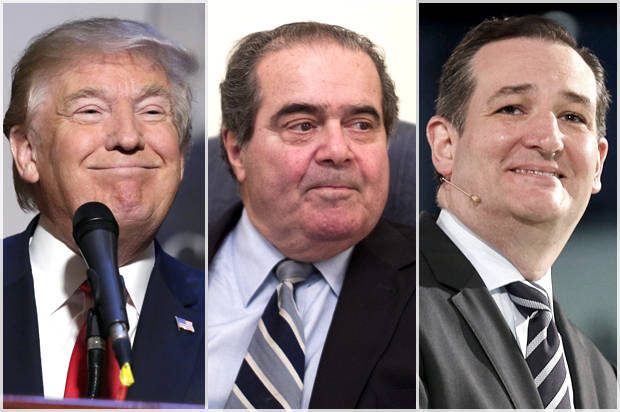
Ted Cruz Leads Republicans’ Rush To Demand Justice Scalia’s SCOTUS Replacement Be Named By Next POTUS, Not Obama

Supreme Court Justice Antonin Scalia is interviewed by The Associated Press, Thursday, July 26, 2012, at the Supreme Court in Washington. (AP Photo/Haraz N. Ghanbari)
Supreme Court Justice Antonin Scalia is inter­viewed by The Associated Press, Thursday, July 26, 2012, at the Supreme Court in Washington. (AP Photo/​Haraz N. Ghanbari)

News of Justice Antonin Scalia’s death is just begin­ning to rever­ber­ate across the polit­i­cal world this evening, as the 79-year-old’s pass­ing at a West Texas resort on Saturday was con­firmed a short time ago by the New York Times.

Doing away with any attempt to appear even remote­ly respect­ful and seiz­ing upon the obvi­ous polit­i­cal earth­quake that is the pass­ing of the Supreme Court’s most con­ser­v­a­tive jus­tice in the final year of President Obama’s pres­i­den­cy, Ted Cruz got naked­ly polit­i­cal in his reac­tion to Scalia’s death, tweet­ing that Americans “owe it” to Scalia and our­selves to block Obama from nom­i­nat­ing a successor:
Ted Cruz leads Republicans’ rush to demand Justice Scalia’s SCOTUS replace­ment be named by next POTUS, not Obama

Debates Commission Says Tuesday’s Political Debate Called Off…

Holness and Miller
Holness and Miller

KINGSTON, Jamaica – The Jamaica Debates Commission (JDC) in a media release Friday evening said that they have writ­ten to the Peoples’ National Party (PNP) not­ing that in the absence of a response to its let­ter of February 11, it is no longer able to com­mit to orga­niz­ing and stag­ing the first in a series of polit­i­cal debates on Tuesday, February 16. The JDC said they wrote to the par­ty ask­ing it to re-con­sid­er its deci­sion not to par­tic­i­pate in three debates ahead of the February 25th election.

In their let­ter they say that they indi­cat­ed that if the first debate were to take place on Tuesday, the JDC need­ed three clear days in order to mobilise it teams to ensure the stag­ing of a qual­i­ty pro­duc­tion and asked for a response by 5:00 pm today. The JDC let­ter con­clud­ed: “As we have not received a response as at the time of writ­ing, we wish to advise that the JDC can no longer com­mit to orga­niz­ing and stag­ing the first debate on Tuesday, February 16.

Nonetheless, the JDC remains open to stag­ing the three debates begin­ning lat­er in the week pro­vid­ed an agree­ment can be reached with the JLP to that effect. The same con­di­tion – three clear days before the live broad­cast of the first debate – would remain in place. We should note that giv­en the posi­tion of both polit­i­cal par­ties over the course of our nego­ti­a­tions that the last sev­er­al days ahead of the elec­tion should be reserved for their clos­ing cam­paign events, any deci­sion to debate — if this were to prove nec­es­sary – between Sunday February 21 and Tuesday February 23, must be a mutu­al deci­sion of both polit­i­cal parties…”
http://​www​.jamaicaob​serv​er​.com/​l​a​t​e​s​t​n​e​w​s​/​D​e​b​a​t​e​s​-​C​o​m​m​i​s​s​i​o​n​-​s​a​y​s​-​T​u​e​s​d​a​y​-​s​-​p​o​l​i​t​i​c​a​l​-​d​e​b​a​t​e​-​c​a​l​l​e​d​-​off

Here’s Why Black People Should Think Twice Before Voting For Hillary Clinton

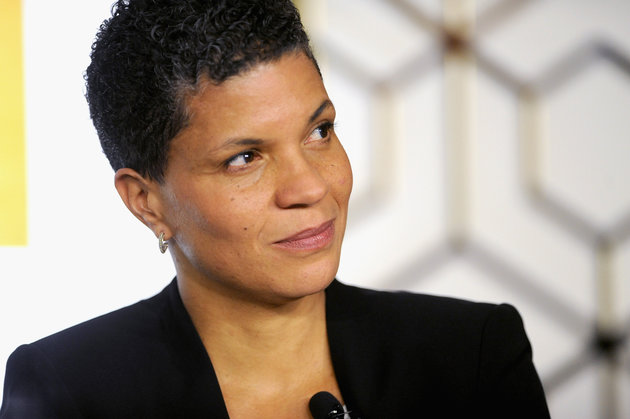
Michelle Alexander has questioned what the Clintons have done to deserve such devotion among black voters. BRAD BARKET VIA GETTY IMAGES
Michelle Alexander has ques­tioned what the Clintons have done to deserve such devo­tion among black vot­ers.
BRAD BARKET VIA GETTY IMAGES

Michelle Alexander, the author Of “The New Jim Crow,” outlines the presidential candidate’s support for some questionable policies.

WASHINGTON — Hillary Clinton has the black vote in her hands.

Eighty per­cent of black Democratic vot­ers intend­ed to cast their bal­lots for the 2016 pres­i­den­tial can­di­date in August 2015 — and not much has changed since then. But with Sen. Bernie Sanders (I‑Vt.) becom­ing a seri­ous oppo­nent for Clinton in the race to the Democratic nom­i­na­tion, many African-Americans are ask­ing if the for­mer Secretary of State real­ly deserves the black vote. Author and legal schol­ar Michelle Alexander doesn’t think so. What have the Clintons done to earn such devo­tion? Did they take extreme polit­i­cal risks to defend the rights of African Americans?” the author of The New Jim Crow asks in a new essay for The Nation. “Did they coura­geous­ly stand up to right-wing dem­a­goguery about black com­mu­ni­ties? Did they help ush­er in a new era of hope and pros­per­i­ty for neigh­bor­hoods dev­as­tat­ed by dein­dus­tri­al­iza­tion, glob­al­iza­tion, and the dis­ap­pear­ance of work?”

Alexander skill­ful­ly pos­es these ques­tions before tak­ing a deep dive into Clinton’s past.

African-American vot­ers con­sis­tent­ly tend to sup­port Democrats, but they also arelike­ly to be old­er. Many black vot­ers are less famil­iar with Sanders, who attracts a lot of young vot­ers, and his val­ues. Clinton also totes cov­et­ed endorse­ments fromfor­mer Attorney General Eric Holder, Trayvon Martin’s moth­er Sybrina Fulton, activist groups, unions and black cler­gy mem­bers. It doesn’t hurt that black peo­ple dote on President Bill Clinton’s time in office either.

What a lot of black vot­ers aren’t aware of, how­ev­er, is how the 1994 Violent Crime and Law Enforcement Act of his pres­i­den­cy helped mass incar­cer­a­tion become more effi­cient with the “three strikes” imple­men­ta­tion, a pro­vi­sion that imposed life sen­tences on any­one con­vict­ed of a vio­lent felony after two or more pri­ors. Former President Clinton also signed into law the 1996 Personal Responsibility and Work Opportunity Act, which gut­ted wel­fare. He repealed the Glass-Steagall Act in 1996 — a Depression-era bank­ing law that kept dif­fer­ent kinds of bank­ing insti­tu­tions sep­a­rate — which, arguably, led to the 2008 hous­ing cri­sis and dis­pro­por­tion­ate­ly affect­ed black homeowners.

Alexander, who touched on mass incar­cer­a­tion and wel­fare in her piece, says Clinton must be judged by her hus­band’s record on this because, in a way, it’s her his­to­ry too.

Some might argue that it’s unfair to judge Hillary Clinton for the poli­cies her hus­band cham­pi­oned years ago. But Hillary wasn’t pick­ing out chi­na while she was first lady. She brave­ly broke the mold and rede­fined that job in ways no woman ever had before. She not only cam­paigned for Bill; she also wield­ed pow­er and sig­nif­i­cant influ­ence once he was elect­ed, lob­by­ing for leg­is­la­tion and oth­er mea­sures. That record, and her state­ments from that era, should be scru­ti­nized. In her sup­port for the 1994 crime bill, for exam­ple, she used racial­ly cod­ed rhetoric to cast black chil­dren as ani­mals. “They are not just gangs of kids any­more,” she said. “They are often the kinds of kids that are called ‘super-preda­tors.’ No con­science, no empa­thy. We can talk about why they end­ed up that way, but first we have to bring them to heel.”

Clinton, who endorsed her husband’s crime poli­cies as recent­ly as 2012, hasdis­tanced her­self from the ide­ol­o­gy, but her Ready for Hillary PAC did receive$133,246 from prison lob­by­ists. See more here:  http://​www​.huff​in​g​ton​post​.com/​e​n​t​r​y​/​h​i​l​l​a​r​y​-​c​l​i​n​t​o​n​-​b​l​a​c​k​-​v​o​t​e​r​s​_​u​s​_​5​6​b​a​7​9​7​f​e​4​b​0​8​f​f​a​c​1​2​3​2​8f0

The Bot Bombs.…

MANCHESTER, N.H. — Marco Rubio may have to “dis­pel with” his hope of seiz­ing the Republican pres­i­den­tial nomination.

The Florida sen­a­tor enjoyed a burst of momen­tum after some­how claim­ing a third-place vic­to­ry in the Iowa cau­cus­es, and hap­pi­ly watched as GOP offi­cials and donors began to ral­ly around his pres­i­den­tial bid. Rubio’s cam­paign believed that a top-tier fin­ish in the New Hampshire pri­ma­ry would put him in a posi­tion to be the estab­lish­ment favorite who would appeal to mod­er­ates and take on insur­gent can­di­dates like real estate mogul Donald Trump and Texas Sen. Ted Cruz.

But Rubio’s dis­ap­point­ing fifth-place fin­ish in the Granite State on Tuesday evening, behind Trump, Ohio Gov. John Kasich, Cruz, and for­mer Florida Gov. Jeb Bush, put that dream on hold.

It’s unclear whether a sin­gle fac­tor led to Rubio’s dis­ap­point­ing loss in New Hampshire, but it may have been his unusu­al­ly shaky per­for­mance in Saturday’s Republican pres­i­den­tial debate, when he walked into a brick wall named Chris Christie — an error Rubio acknowl­edged on Tuesday night.

Our dis­ap­point­ment tonight is not on you, it’s on me,” Rubio told sup­port­ers in New Hampshire, draw­ing a sharp con­trast with his con­fi­dent pos­ture after Iowa.

I did not do well on Saturday night,” he added. “But lis­ten to me: That will nev­er hap­pen again.” Read more here: The bot bombs

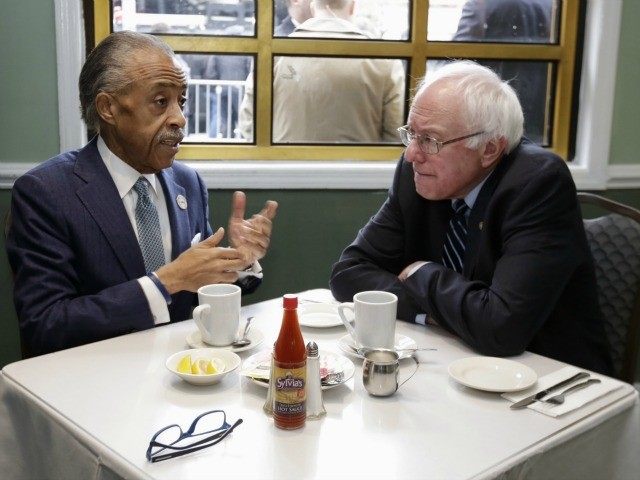
Breitbart: Kissing The Ring: Bernie Sanders Breaks Bread With Al Sharpton..

Sanders meets with Sharpton on Wednesday..

Even after winning big in New Hampshire,needs to prove that he can win Democrats in the south, particularly the African-American voters who supported President Obama.

Sanders’ first step was to meet pub­licly with Rev. Al Sharpton in New York City, and impor­tant ring kiss­ing step to spread his appeal.

It’s unclear what Al Sharpton can do to help Sanders appeal with African-Americans, but it’s an impor­tant sig­nal that Sanders is eager to be pho­tographed with the promi­nent orga­niz­er and Obama ally. Hillary Clinton’s argu­ment is that Sanders, an old, white man from Vermont, did fine in New Hampshire, but may have a hard time appeal­ing to African-Americans and Hispanics nation­wide. In a cam­paign memo last night respond­ing to Sanders’ crush­ing vic­to­ry in New Hampshire, Clinton’s Campaign Manager Robby Mook looked ahead to the south­ern states and explic­it­ly argued that they favored Clinton.

Hillary Clinton’s ties to both the African American and Hispanic com­mu­ni­ties run deep,”Mook argued in a memo obtained by PBS. “She’s put minor­i­ty com­mu­ni­ties and the issues that mat­ter most to them at the cen­ter of her cam­paign … it’s no mys­tery why she’s received endorse­ments from hun­dreds of key African American and Hispanic elect­ed offi­cials, as well as com­mu­ni­ty and faith lead­ers across the coun­try.” Portions of Clinton’s speech in New Hampshire last night were direct­ed at African-Americans and minori­ties, empha­siz­ing her vis­it to Flint, Michigan to dis­cuss the lead poi­son­ing in the water on Sunday at a Baptist Church. “It isn’t right that the kids I met in Flint on Sunday were poi­soned because their gov­er­nor want­ed to save mon­ey,” she said to sup­port­ers last night. She also explic­it­ly spoke to African-Americans who were wor­ried about their chil­dren being profiled.

We also have to break through the bar­ri­ers of big­otry,” she said. African-American par­ents shouldn’t have to wor­ry that their chil­dren will be harassed, humil­i­at­ed, even shot because of the col­or of their skin.” She also remind­ed sup­port­ers of her ear­ly career at the Children’s Defense Fund, anoth­er nod to the African-American vote. “That’s why I went under­cov­er in Alabama to expose racism in schools. That’s why I worked to reform juve­nile jus­tice in South Carolina,” she said. “And that is why I went to Flint, Michigan, on Sunday.”:Kissing the Ring: Bernie Sanders Breaks Bread With Al Sharpton

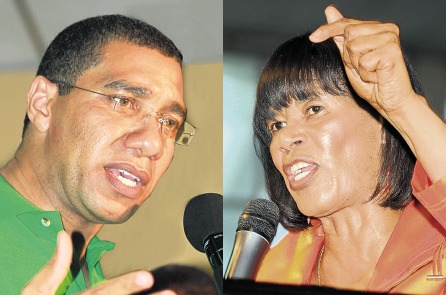
Portia Demands Apology From Holness Over Nomination Day Comment Or Else …

Prime Minister Portia Simpson Miller has accused Opposition Leader Andrew Holness of defam­ing her on Nomination Day and has writ­ten to

Prime Minster Portia Simpson Miller...
Prime Minster Portia Simpson Miller…

him demand­ing an apology.

The let­ter states that if there is no apol­o­gy with­in the next three days, then Simpson Miller will insti­tute legal pro­ceed­ings against Holness. The Prime Minister con­tends that the com­ments have low­ered her in the esti­ma­tion of right-think­ing mem­bers of soci­ety. Attorney-at-law Bert Samuels of the firm Knight, Junor & Samuels is han­dling the case. The Prime Minister says the defama­tion against her took place in a media inter­view. “Be advised that in an inter­view with mem­bers of the media in your con­stituen­cy on Tuesday the 9th February 2016, Nomination Day your com­ments con­tained alle­ga­tions that were most defam­a­to­ry of our client, ” the let­ter stated.

On that occa­sion, words were used and pub­lished on Television Jamaica’s 7 p.m news­cast on the said Tuesday the 9th February, 2016 which tend­ed to injure, degrade and dis­cred­it the char­ac­ter of our client, expos­ing her to hatred, con­tempt and ridicule and which there­fore tend­ed to low­er her in the esti­ma­tion of right-think­ing mem­bers of soci­ety. “It is our view that ordi­nary, intel­li­gent and unbi­ased per­sons, with the ordi­nary person’s gen­er­al knowl­edge and expe­ri­ence of world­ly affairs would be like­ly to under­stand those words as con­vey­ing that our client was involved in acts cal­cu­lat­ed to deceive or swin­dle the pub­lic. “The pur­pose of this let­ter is to demand that a suit­ably word­ed apol­o­gy, approved by our client be pub­lished on Television Jamaica , in the Jamaica Observer and The Gleaner and that our client be paid dam­ages com­men­su­rate with her sta­tion in life local­ly and inter­na­tion­al­ly, along with his legal costs. The fre­quen­cy of these pub­li­ca­tions must also be approved by our client.”

However, Samuels say such apol­o­gy will not auto­mat­i­cal­ly absolve Holness from an oblig­a­tion to pay dam­ages to his client.Samuels says the let­ter was deliv­ered at 12.41 pm at the Jamaica Labour Party head­quar­ters. Efforts to reach Holness for a com­ment were not suc­cess­ful as calls to his phone went unan­swered and he did not imme­di­ate­ly respond to text mes­sages. Portia Demands Apology From Holness Over Nomination Day Comment Or Else …