Police Union Confirm Why Defunding The Police Is Sound Policy…

Never in my wildest dreams did I ever think I would find com­mon cause with any­thing an American police union says, does, or pro­pos­es; until I do.….Wonders of won­ders, even a bro­ken clock, is right twice daily.
On February 28th, just days ago, I wrote that despite bloat­ed police bud­gets, there are increas­es in shoot­ings and murders.
The sim­ple fact is that more police and arma­ments do not result in few­er shoot­ings or murders.
In my February 28th arti­cle, I dis­cussed the vio­lence in Chicago and why Mayor Lori Lightfoot did not deserve a sec­ond term in office.
https://​mike​beck​les​.com/​b​l​o​a​t​e​d​-​p​o​l​i​c​e​-​b​u​d​g​e​t​s​-​i​n​c​r​e​a​s​e​s​-​i​n​-​m​u​r​d​e​r​s​-​a​n​d​-​s​h​o​o​t​i​n​gs/

My main argu­ment for remov­ing Lightfoot was cen­tered around her posi­tion in 2020. Despite sup­port­ing mea­sures to defund the police, a pro­posed $80 mil­lion cut to her city’s police bud­get, Lori Lightfoot, see­ing the writ­ing on the wall in inter­nal polling, decid­ed to crit­i­cize Brandon Johnson, a Cook County com­mis­sion­er who was gain­ing momen­tum, assail­ing him as a “rad­i­cal” who’d “wreck Chicago with dan­ger­ous defund­ing of police.”
You can all see what she did there; as soon as she saw that peo­ple had got­ten fed up with her, she decid­ed to snug­gle up to the police and their union.
But my arti­cle was not about the failed Chicago Mayor who blamed gen­der and race for her deserved loss at the polls, nev­er mind that she nev­er com­plained about those bias­es against her when she won; it is about remov­ing police as much as pos­si­ble from the lives of peo­ple. 
I con­tend that defund­ing the police is a sound pol­i­cy that has noth­ing to do with get­ting rid of the police. It means tak­ing some of the mon­ey out of police bud­gets and putting it into social pro­grams that bet­ter serve our communities.
I argued that defund­ing the police has been ren­dered so radioac­tive Democrats are afraid even to debate it on its mer­its out of fear that Republicans will gaslight them as anti-police and soft on crime.
Because, of course, although it was Republicans that stormed the Capitol and attempt­ed to over­throw the gov­ern­ment, they have man­aged to gaslight Democrats as pro-crim­i­nal and got­ten away large­ly because Democrats are weak and feckless.
Black peo­ple who both­er pay­ing atten­tion know that the more their tax dol­lars go to fund the police, the less safe they become.
Many calls police 911 switch­boards receive do not require police to show up armed with guns to deal with per­sons hav­ing men­tal issues or oth­er med­ical emergencies.
Minor traf­fic acci­dents, health issues, men­tal health, and oth­er issues can be tack­led with­out armed police, with god com­plex show­ing up and wors­en­ing bad sit­u­a­tions.
People do not need their loved ones killed because they call 911 for help deal­ing with the afore­men­tioned issues. It is not that police should not earn their keep. Police have become far too tox­ic and untrust­wor­thy that the least amount of con­tact they have with the pub­lic, the safer the pub­lic will be.

NOW HERE IS THE SHOCKER

(Reported by Yahoo news)

The Los Angeles Police Department’s rank-and-file union is propos­ing that some­one oth­er than police respond to more than two dozen types of 911 calls in a bid to trans­fer offi­cers’ work­load to more seri­ous crimes. The move is part of a nation­al trend aimed at lim­it­ing sit­u­a­tions where armed police offi­cers are the first to respond. The pro­pos­al announced Wednesday by the Los Angeles Police Protective League lists 28 kinds of 911 calls, where oth­er city agen­cies or non­prof­it orga­ni­za­tions would be sent first. The calls range from men­tal health sit­u­a­tions, qual­i­ty-of-life and home­less issues, prob­lems at schools and wel­fare checks, to cer­tain non-fatal traf­fic col­li­sions, park­ing vio­la­tions, trash dump­ing, loud par­ties, pub­lic intox­i­ca­tion and pan­han­dling.
The league said offi­cers would respond if the sit­u­a­tion becomes vio­lent or crim­i­nal in nature, but only after the ini­tial call goes to anoth­er agency or an affil­i­at­ed nonprofit.
Police offi­cers are not psy­chol­o­gists. We are not psy­chi­a­trists. We are not men­tal health experts. We are not social work­ers, doc­tors, nurs­es or waste man­age­ment experts,” Debbie Thomas, one of the union’s direc­tors, said Wednesday dur­ing a news con­fer­ence. “I do believe that many peo­ple think we should be all those things but we are not. We should be focused on respond­ing to emer­gen­cies, sav­ing lives (and) prop­er­ty, and of course, engag­ing in com­mu­ni­ty policing.”

Police Chief Michel Moore said he wel­comed the union’s push for “an alter­na­tive non-law enforce­ment ser­vice response to non-emer­gency calls.” Moore said the depart­ment has worked with elect­ed offi­cials to estab­lish a sup­port net­work of resources includ­ing mobile ther­a­py vans and a men­tal health cri­sis phone line. “These emerg­ing alter­na­tives have already divert­ed thou­sands of calls away from a police response, allow­ing offi­cers to time to focus on our most essen­tial activ­i­ties,” Moore said in a state­ment. Cities includ­ing San Francisco, San Diego and New York — as well as Los Angeles — have already imple­ment­ed pro­grams where clin­i­cians are either paired with offi­cers or work in civil­ian teams to respond to 911 calls involv­ing some­one who is hav­ing a men­tal health cri­sis. The changes came amid a clos­er look at law enforce­ment in the U.S. in the wake of George Floyd’s killing by Minneapolis police in 2020. That includ­ed look­ing at how police han­dle men­tal health and oth­er calls that don’t include vio­lence or crim­i­nal­i­ty. The Los Angeles pro­pos­al comes dur­ing the union’s con­tract nego­ti­a­tions with the city and amid activists’ pleas for reduc­ing or elim­i­nat­ing armed respons­es to cer­tain sit­u­a­tions. The City Council and the may­or’s office will be involved in the final deci­sion, the union said. Activists have long called for Los Angeles police to stop respond­ing to cer­tain men­tal health calls, minor traf­fic col­li­sions and encoun­ters in home­less encamp­ments, point­ing to times when offi­cers have fatal­ly shot peo­ple dur­ing the response. Mayor Karen Bass’ office did­n’t imme­di­ate­ly com­ment Wednesday. Bass promised dur­ing her cam­paign to cre­ate a pub­lic safe­ty office that did not include the LAPD.

Hugh Esten, a spokesper­son for City Council President Paul Krekorian, said the union’s pro­pos­al will be giv­en seri­ous con­sid­er­a­tion as city offi­cials work to “ensure that sworn per­son­nel are deployed where they are tru­ly need­ed and that unarmed respon­ders address those sit­u­a­tions where an armed response is unnec­es­sary.” With decreased staffing dur­ing the COVID-19 pan­dem­ic, the union said its pro­pos­al would free up offi­cers to respond to more impor­tant calls — such as vio­lent crime — and allow cops to engage in more com­mu­ni­ty polic­ing to build bet­ter rela­tion­ships with the city’s res­i­dents. Other cities have also exper­i­ment­ed with sim­i­lar mod­els, such as Portland, Oregon, where unarmed “pub­lic sup­port spe­cial­ists” take reports on things like vehi­cle break-ins and bike thefts. In 2021, the LAPD launched a pilot pro­gram to divert some men­tal health calls to ser­vice providers. The depart­ment also start­ed dual-response teams that pair offi­cers with clin­i­cians in sit­u­a­tions involv­ing men­tal health crises and peo­ple expe­ri­enc­ing home­less­ness, as well as domes­tic vio­lence and abuse. Also in 2021, the LAPD stopped respond­ing to minor traf­fic crash­es; a deputy chief at the time said the change would elim­i­nate offi­cers respond­ing to rough­ly 40,000 calls a year.

Aid And Abetting…

JUST OVER A year ago, sol­diers belong­ing to a con­tro­ver­sial, ultra-Orthodox unit of the Israel Defense Forces stopped a 78-year-old Palestinian American man on his way home from vis­it­ing a rel­a­tive in the occu­pied West Bank. When the man refused to coöper­ate with an iden­ti­fi­ca­tion check — insist­ing on his right to go home — sol­diers forced him out of his car, blind­fold­ed him, and zip-tied his hands behind his back. They then dragged him to a near­by yard, where they left him lying face down on the ground, accord­ing to witnesses.

Omar Assad had already stopped breath­ing when the sol­diers left him, a man detained along­side him told reporters. When a doc­tor final­ly arrived, he found that Assad had been dead “for 15 or 20 min­utes.” An autop­syfound that he had suf­fered a fatal, stress-induced heart attack.

The bru­tal death of Assad, a U.S. cit­i­zen who had retired to his home vil­lage near the Palestinian city of Ramallah after four decades in Milwaukee, Wisconsin, sparked wide­spread out­rage. B’tselem, an Israeli human rights group, denounced the sol­diers’ “utter indif­fer­ence” in fail­ing to pro­vide first aid or call an ambu­lance; the U.S. State Department called Assad’s death “trou­bling.” Following an inter­nal review, the IDF itself acknowl­edged that “the inci­dent showed a clear lapse of moral judgment.”

Israel recent­ly moved the unit involved in Assad’s death out of the occu­pied West Bank. But the sol­diers’ treat­ment of Assad was not unusu­al. While hard­ly the only ones accused of human rights abus­es in the occu­pied Palestinian ter­ri­to­ries, mem­bers of the Netzah Yehuda unit often com­mit­ted gra­tu­itous acts of vio­lence, a for­mer mem­ber of the unit told The Intercept in his first inter­view with an inter­na­tion­al news organization.

The Netzah Yehuda bat­tal­ion was orig­i­nal­ly set up to allow ultra-Orthodox Israelis to serve in the mil­i­tary. But over the years, the unit has attract­ed not only some of the most reli­gious sol­diers, but also a grow­ing num­ber of far-right extrem­ists, includ­ing many set­tlers. Unlike oth­er units, enlist­ment in Netzah Yehuda is vol­un­tary; until recent­ly, it was deployed exclu­sive­ly in the West Bank, where its mem­bers were in dai­ly con­tact with Palestinians liv­ing under occu­pa­tion. As such, the unit — whose name is an acronym for “Haredi Military Youth” — was known for get­ting “a lot of action,” the for­mer mem­ber said.

The ex-Netzah Yehuda sol­dier asked not to be iden­ti­fied because of the enor­mous social cost asso­ci­at­ed with pub­licly crit­i­ciz­ing Israel’s mil­i­tary. Since leav­ing the unit, he has come to reject the occu­pa­tion and his own role in it. Netzah Yehuda has long been crit­i­cized in Israel — some senior polit­i­cal and mil­i­tary fig­ures have even called for the unit to be dis­band­ed — but tes­ti­monies from for­mer mem­bers are rare. While The Intercept could not inde­pen­dent­ly ver­i­fy some of the inci­dents the for­mer sol­dier described, he also spoke to Breaking the Silence, an orga­ni­za­tion of Israeli vet­er­ans who gath­er tes­ti­mo­ny from sol­diers in the occu­pied territories.

The IDF did not answer a detailed list of ques­tions for this sto­ry nor address the for­mer soldier’s alle­ga­tions on the record. But in a state­ment to The Intercept, a spokesper­son wrote that the Netzah Yehuda unit was moved from the West Bank to the Golan Heights “to diver­si­fy the IDF’s area of oper­a­tion and accu­mu­late oper­a­tional experience.”

The spokesper­son also referred The Intercept to an ear­li­er state­ment in which the IDF wrote that it is “con­sid­er­ing fil­ing indict­ments” against the sol­diers involved in Assad’s death. “As part of the inves­ti­ga­tion, anom­alies were found in the con­duct of the com­man­der of the check­up force and the com­man­der of the sol­diers that guard­ed the detainees,” that state­ment read. “It was also found that it is not pos­si­ble to estab­lish a cor­re­la­tion between these abnor­mal­i­ties and the death.

448A3359

An ex-Netzah Yehuda mem­ber, who request­ed anonymi­ty because of the enor­mous social cost asso­ci­at­ed with pub­licly crit­i­ciz­ing Israel’s mil­i­tary, pos­es for a por­trait on Feb. 6, 2023.

Photo: Oren Ziv for The Intercept

U.S. Pressure

Even before Assad’s death last January, Netzah Yehuda mem­bers had been accused of extra­ju­di­cial killings, tor­ture, and beat­ings, among oth­er abus­es. In August, the unit made head­lines after a video of some mem­bers beat­ing two young Palestinians went viral on TikTok. The IDF sus­pend­ed the sol­diers involved in that beat­ing and opened a crim­i­nal inves­ti­ga­tion. It wasn’t the first time: According to Israeli human rights group Yesh Din, Netzah Yehuda sol­diers have been con­vict­ed of offens­es against Palestinians at a rate high­er than those in any oth­er IDF unit.

But it was the death of Assad — which came only weeks before the killing by a dif­fer­ent IDF unit of anoth­er Palestinian American, jour­nal­ist Shireen Abu Akleh — that put the unit on the radar of U.S. offi­cials. The inci­dent prompt­ed calls for the U.S. gov­ern­ment to impose con­se­quences on a for­eign mil­i­tary it sup­ports to the tune of $3.3 bil­lion a year. In par­tic­u­lar, a grow­ing num­ber of crit­ics have urged the Biden admin­is­tra­tion to apply U.S. leg­is­la­tion known as the “Leahy Law,” after recent­ly retired Sen. Patrick Leahy, which lim­its the abil­i­ty of the State and Defense depart­ments to pro­vide mil­i­tary assis­tance to for­eign units that have a record of human rights vio­la­tions. The law has nev­er been applied to any units of the Israeli mil­i­tary, despite a num­ber of cas­es — includ­ing the killings of sev­er­al U.S. cit­i­zens by Israeli forces — like­ly meet­ing its criteria.

The very least the US can do is to impose Leahy Law sanc­tions for the mur­der of an American against a repeat offend­er Israeli unit that has been killing and abus­ing Palestinians with impuni­ty for years,” said Adam Shapiro, advo­ca­cy direc­tor for Israel-Palestine at Democracy for the Arab World Now, a U.S.-based human rights group focused on the Middle East and North Africa. DAWN also sub­mit­ted a com­plaint detail­ing a series of inci­dents involv­ing the unit to the International Criminal Court, accus­ing its mem­bers and two of its com­man­ders of war crimes. “While Netzah Yehuda might not be the worst abuser in the Israeli Army, its actions have been well-doc­u­ment­ed by Israeli and inter­na­tion­al media, offer­ing a unique insight into the absolute unwill­ing­ness by Israeli gov­ern­ments to hold its sol­diers account­able for vio­lat­ing inter­na­tion­al law and the Israeli army’s own rules of engage­ment,” the group not­ed last fall.

The State Department began look­ing into the unit’s record fol­low­ing Assad’s death, although offi­cials would not con­firm reports that they had asked the U.S. Embassy in Israel to draft an inter­nal report on the unit’s con­duct and begun inter­view­ing wit­ness­es. The IDF char­ac­ter­ized the unit’s recent move out of the West Bank and its rede­ploy­ment to the Golan Heights as an oper­a­tional deci­sion. But many have point­ed out that the move fol­lowed increased U.S. scruti­ny of the unit’s record. Israeli author­i­ties have also opened a crim­i­nal inves­ti­ga­tion into Assad’s death and made a rare offer of com­pen­sa­tion to his fam­i­ly — a sig­nal, to some, that U.S. pres­sure was hav­ing an impact.

The State Department and the U.S. Embassy in Israel did not respond to repeat­ed requests for com­ment for this sto­ry. At a press brief­ing in December, State Department spokesper­son Ned Price did not direct­ly answer a reporter’s ques­tion regard­ing calls to apply the Leahy Law to Netzah Yehuda but said, “We man­age our secu­ri­ty rela­tion­ships around the world in the con­text of human rights and the rule of law and in accor­dance with U.S. leg­is­la­tion, includ­ing in this case with the Leahy vet­ting laws.”

Stanley Cohen, an attor­ney rep­re­sent­ing the Assad fam­i­ly in the U.S., told The Intercept that the fam­i­ly has repeat­ed­ly asked the Justice Department to open an inves­ti­ga­tion into Assad’s death but has received no response. “The U.S. gov­ern­ment has an oblig­a­tion at this point to ini­ti­ate a grand jury inves­ti­ga­tion or cer­tain­ly a pre­lim­i­nary FBI inves­ti­ga­tion of what hap­pened and why and how,” Cohen said. “This is an elder­ly man, sim­ply dri­ving home, in a com­mu­ni­ty filled large­ly with elder­ly Palestinians, many of whom are American Palestinians.” (The Justice Department did not respond to a request for comment.)

Cohen not­ed that the Assad fam­i­ly declined the Israeli government’s offer of com­pen­sa­tion and reject­ed “Israel’s inter­pre­ta­tion that the fam­i­ly only cared about mon­ey and not justice.”

“We didn’t have to press the so-called nuclear but­ton in order to get accountability.”

For Shapiro, of DAWN, there is no ques­tion that U.S. pres­sure played a role in the rede­ploy­ment and the com­pen­sa­tion offer, even if those mea­sures fall far short of Leahy Law require­ments. “It wasn’t just a ran­dom deci­sion to move this unit,” he told The Intercept. “For me, the biggest les­son of all of this is that when the U.S. does some­thing even as minor as ask­ing ques­tions, there can actu­al­ly be very pos­i­tive results, though this is not a full, pos­i­tive out­come yet.”

Of course, we would like to see a cut­ting of aid,” Shapiro added. “But we didn’t have to press the so-called nuclear but­ton in order to get account­abil­i­ty. There are things that can be done, and this is a per­fect exam­ple of that.”

With Netzah Yehuda sol­diers now out of the West Bank, how­ev­er, it’s unclear whether the State Department will con­tin­ue to inves­ti­gate their record or demand account­abil­i­ty for their crimes. It also seems unlike­ly that U.S. offi­cials will heed calls to final­ly apply the Leahy Law against a unit of the IDF.

The fact that they moved the unit out of there was a pos­i­tive step,” Tim Rieser, a senior for­eign pol­i­cy aide to Leahy, told The Intercept. “But they should have dis­band­ed it alto­geth­er and pun­ished the sol­diers who were responsible.”

Troubled Youth

The Netzah Yehuda unit, orig­i­nal­ly known as Nahal Haredi, was estab­lished in 1999 to offer ultra-Orthodox Israeli men, who are usu­al­ly exempt from manda­to­ry mil­i­tary ser­vice, an oppor­tu­ni­ty to serve in the IDF while keep­ing to strict reli­gious codes. No women are allowed in the unit or on its bases, which also adhere to strict kosher stan­dards. A rab­bi works with the unit, and sol­diers’ terms of ser­vice are short­er than in oth­er branch­es of the mil­i­tary so that mem­bers can focus on reli­gious stud­ies. But the 500-man bat­tal­ion, which start­ed with only a few dozen recruits, was also intend­ed to pro­vide dis­ci­pline to young men with trou­bled back­grounds, includ­ing some who had been shunned by their fam­i­lies or who had vio­lent and some­times crim­i­nal pasts, the for­mer sol­dier said.

He had been drawn to Netzah Yehuda because of its reli­gious accom­mo­da­tions, he not­ed, but had also been impressed to learn that the unit had received a series of awards, includ­ing for thwart­ing sev­er­al attacks and “neu­tral­iz­ing” alleged terrorists.

I knew it wasn’t going to be bor­ing,” he told The Intercept. “As a 19-year-old, that gets the testos­terone going. It was ‘Black Hawk Down,’ that type of thing.”

“It put a lot of very prob­lem­at­ic peo­ple in the same place.”

He soon real­ized, how­ev­er, that putting trou­bled young men, many with ultra-nation­al­ist views, in a posi­tion of pow­er and with con­stant access to Palestinians was a recipe for abuse. “I think that the inten­tions of the rab­bis that came up with this were in the right place. I get where they came from, but I don’t think that it panned out very well because it put a lot of very prob­lem­at­ic peo­ple in the same place,” the for­mer sol­dier said. “Some were very polit­i­cal­ly moti­vat­ed, I would say the set­tlers were the most polit­i­cal­ly moti­vat­ed. And then there were a bunch of teenagers who drew a short straw in life and tried to take it out on oth­er people.”

There’s def­i­nite­ly a prob­lem with dis­ci­pline,” he added. “Some offi­cers would not take some peo­ple with them on mis­sions because they knew that they might lose a cou­ple of sol­diers on the way, because they might just wan­der off in the mid­dle of a Palestinian vil­lage and do what­ev­er they want.”

While it wasn’t until years lat­er that the for­mer Netzah Yehuda sol­dier began to reeval­u­ate and ulti­mate­ly dis­avowed his time in the mil­i­tary, the racist beliefs and often unruly behav­ior of his peers were read­i­ly appar­ent. One of the sol­diers, he recalled, said that the assas­si­na­tion of for­mer Prime Minister Yitzhak Rabin, who signed the Oslo Accords with Palestinian leader Yasser Arafat in 1994, by an Israeli extrem­ist was “jus­ti­fied.” The sol­dier was dis­ci­plined over the remark, “but most peo­ple in the unit didn’t under­stand why — because in the eyes of a lot of peo­ple there, it was obvi­ous that the mur­der of Rabin was justified.”

There were oth­er inci­dents that revealed the unit’s extrem­ist ten­den­cies. On one occa­sion, while he was sta­tioned in the north­ern West Bank, a group of unit mem­bers slashed the tires of an Arab dri­ver — a fel­low mem­ber of the Israeli mil­i­tary — in a nod to the “price tag” attacks fre­quent­ly car­ried out by Israeli set­tlers against Palestinians. The inci­dent infu­ri­at­ed some offi­cers, “but a lot of peo­ple thought it was com­plete­ly fine,” the for­mer sol­dier recalled. “They said that we shouldn’t have Arabs in the military.”

Members of the unit made no secret of their extrem­ism. On Friday nights, after shar­ing their Shabbat meal, they would sing racist anthems about Jewish pow­er, includ­ing songs glo­ri­fy­ing Meir Kahane, the U.S.-born founder of the Kach par­ty, an ultra­na­tion­al­ist polit­i­cal group that until recent­ly was list­ed as a ter­ror­ist orga­ni­za­tion in both the U.S. and Israel. Kahane’s grand­son him­self served in the unit. “I had no idea how he got into the mil­i­tary to begin with,” the sol­dier said. “Usually, they wouldn’t let some­one like that in.”

The IDF does not “inten­tion­al­ly” recruit sol­diers with a crim­i­nal back­ground and launch­es inves­ti­ga­tions “in cas­es where crim­i­nal offens­es are sus­pect­ed,” the spokesper­son wrote in the state­ment to The Intercept, which also not­ed that “the IDF is a state­ly body and pro­hibits any form of polit­i­cal expression.”

Israeli soldiers of the Jewish Ultra-Orthodox battalion "Netzah Yehuda" hold morning prayers as they take part in their annual unit training in the Israeli annexed Golan Heights, near the Syrian border on May 19, 2014. The Netzah Yehuda Battalion is a battalion in the Kfir Brigade of the Israel military which was created to allow religious Israelis to serve in the army in an atmosphere respecting their religious convictions. AFP PHOTO/MENAHEM KAHANA (Photo credit should read MENAHEM KAHANA/AFP via Getty Images)

Israeli sol­diers of the Jewish ultra-Orthodox bat­tal­ion Netzah Yehuda hold morn­ing prayers in the Israel-annexed Golan Heights, near the Syrian bor­der, on May 19, 2014.

Photo: AFP via Getty Images

Collective Punishment and “Hannukah Parties”

The Palestinians who mem­bers of Netzah Yehuda met dai­ly had been com­plete­ly dehu­man­ized, the for­mer sol­dier added. While The Intercept could not inde­pen­dent­ly cor­rob­o­rate details about the spe­cif­ic inci­dents he described, the episodes are well in line with the vio­lence, harass­ment, and restric­tion of move­ment that Palestinians liv­ing under occu­pa­tion are rou­tine­ly exposed to and that human rights groups have doc­u­ment­ed for decades.

The for­mer sol­dier said that he once wit­nessed a com­man­der punch a Palestinian man in the stom­ach and shove him into a mil­i­tary car, appar­ent­ly because the man was mov­ing too slow­ly. Some of the sol­diers were not allowed to guard Palestinian detainees, he added, because their supe­ri­ors “didn’t trust every­one to do that with­out harm­ing them.”

Some of the most vio­lent inci­dents hap­pened when the ex-sol­dier was sta­tioned near a large set­tle­ment in the West Bank. Israeli set­tle­ments in the occu­pied ter­ri­to­ries are ille­gal under inter­na­tion­al law and, in some cas­es, even under Israeli law. Nevertheless, the mil­i­tary is rou­tine­ly deployed to pro­tect set­tlers there, even as set­tler vio­lence against Palestinians has been on the rise.

One Friday, after a funer­al for a man killed by the IDF in a Palestinian vil­lage near the set­tle­ment, a crowd of res­i­dents turned up to protest, the for­mer sol­dier recalled. “Usually, it would just be a cou­ple kids throw­ing rocks. We would shoot a cou­ple of gas grenades back. There would be back and forth for half an hour, and then we would each go home,” he said. “But after this funer­al a huge crowd came togeth­er, and when we got there, we had almost no crowd con­trol equip­ment because all that ammu­ni­tion, like the rub­ber bul­lets and the gas can­is­ters, had run out. So all we had was live ammu­ni­tion, and it’s very dif­fi­cult to do crowd con­trol with live ammu­ni­tion. That day, they actu­al­ly told us that we are not allowed to shoot at any­one, because they had just killed some­one. And in a sit­u­a­tion like that, when you start open­ing fire on a crowd, you can kill a lot of peo­ple, and that was going to be an even big­ger problem.”

Instead, the sol­diers were instruct­ed to pour mounds of dirt over the main road to the vil­lage, essen­tial­ly trap­ping its res­i­dents. “It was col­lec­tive pun­ish­ment,” said the soldier.

Another time, the for­mer sol­dier recalled, a com­man­der took a group of sol­diers into a Palestinian vil­lage, where they went door to door, knock­ing and then throw­ing flash-bang and gas grenades into each home — ret­ri­bu­tion after some chil­dren from the vil­lage had thrown rocks on a near­by road ear­li­er that day.

The for­mer sol­dier, who said he was not direct­ly involved in the grenade-throw­ing or some of the oth­er, more egre­gious inci­dents he described, remem­bers being dis­turbed by the episode. “The com­pa­ny com­man­der said, ‘Let’s throw them a Hanukkah par­ty, because it was dur­ing Hanukkah,’” he told The Intercept. His fel­low sol­diers, he said, “were very excit­ed about that whole thing. They would say, ‘You should have seen the face of the fam­i­ly when we opened the door. Everyone was sit­ting and watch­ing TV, and all of a sud­den, they got tear-gassed.’”

A lot of sol­diers were excit­ed about being able to just walk into a stranger’s house with lit­tle to no con­se­quences,” he said. “You couldn’t do that in Tel Aviv.”

No Accountability

The harass­ment and dehu­man­iza­tion of Palestinians liv­ing under Israeli mil­i­tary occu­pa­tion are a dai­ly affair, and Netzah Yehuda sol­diers are hard­ly the only cul­prits. But on some occa­sions, the unit’s actions in the West Bank esca­lat­ed into gross human rights vio­la­tions and poten­tial war crimes. Since 2015, mem­bers of the unit have killed sev­er­al Palestinians and beat­en and tor­tured oth­ers with elec­tric shocks, accord­ing to doc­u­men­ta­tion sub­mit­ted by DAWN to the ICC, which in 2021 opened an inves­ti­ga­tion into alleged crimes com­mit­ted in the occu­pied territories.

In that time frame, Netzah Yehuda sol­diers killed three Palestinians, includ­ing a 16-year-old boy, “in inci­dents in which sol­diers used lethal force against unarmed civil­ians with­out jus­ti­fi­ca­tion,” DAWN charged. “In almost every case […] sol­diers were found to be lying or cov­er­ing up the inci­dents to sug­gest that they were act­ing in self-defense.” In October 2021, unit mem­bers were also accused of beat­ing and sex­u­al­ly assault­ing a Palestinian man they had detained in the back of a mil­i­tary vehi­cle and lat­er at a mil­i­tary base. Four sol­diers were arrest­ed fol­low­ing that inci­dent; one of them was demot­ed and sen­tenced to four and a half monthsin prison. In 2016, anoth­er Netzah Yehuda sol­dier received a nine-month sen­tence and demo­tion for tor­tur­ing Palestinian detainees on two sep­a­rate occa­sions. In one instance, the sol­dier had attached elec­trodes to the neck of a man who was blind­fold­ed and hand­cuffed, increas­ing the volt­age when the man plead­ed with him to stop. He did the same to a sec­ond detainee a few days lat­er, while fel­low sol­diers filmed the tor­ture on a cellphone.

It’s unclear whether Netzah Yehuda’s abus­es were on the State Department’s radar before last year, but after Omar Assad’s death, U.S. offi­cials began mak­ing inquiries about the unit. In September, the State Department’s Special Representative for Palestinian Affairs, Hady Amr, met with Assad’s fam­i­ly and pub­licly called for account­abil­i­ty for his death. Israel’s offer of a report­ed $141,000 set­tle­ment to the fam­i­ly and lat­er the deci­sion to move Netzah Yehuda out of the West Bank also coin­cid­ed with a grow­ing cho­rus of voic­es, includ­ing in Congress, call­ing for a U.S. inves­ti­ga­tioninto the killing of Shireen Abu Akleh, the Al Jazeera jour­nal­ist who was shot in the head in May while report­ing from the West Bank city of Jenin. Furor over the killing of Abu Akleh, who was wear­ing a clear­ly vis­i­ble press vest at the time, even­tu­al­ly forced the U.S. Justice Department to launch an inves­ti­ga­tion — the first time the U.S. gov­ern­ment has heed­ed demands for an inde­pen­dent, American inves­ti­ga­tion of an inci­dent involv­ing Israeli forces.

Whether grow­ing demands for account­abil­i­ty for Abu Akleh’s killing or calls for Leahy sanc­tions against Netzah Yehuda — or both — fac­tored into Israeli offi­cials’ deci­sion to move the unit is hard to estab­lish. “I don’t know how much of this has to do with Israel being afraid of the Leahy Law ver­sus Israel try­ing to man­age a rela­tion­ship with the U.S. after they have killed two U.S. cit­i­zens,” Brad Parker, a leg­isla­tive con­sul­tant at the Center for Constitutional Rights who has rep­re­sent­ed the Abu Akleh fam­i­ly in the U.S., told The Intercept. The Leahy Law hard­ly seems to work as a deter­rent when it comes to Israel, he added. “Even if it means absolute­ly noth­ing, a state­ment say­ing ‘This unit is prob­lem­at­ic’ or some­thing like that would be sig­nif­i­cant, giv­en the fact that the U.S. real­ly doesn’t do anything.”

Other crit­ics argue that any­thing short of block­ing U.S. finan­cial sup­port for Netzah Yehuda is not enough.

“What we need is the polit­i­cal will to apply the law, and thus far this admin­is­tra­tion has lacked that will.”

That’s not account­abil­i­ty,” Matt Duss, a vis­it­ing schol­ar at the Carnegie Endowment for International Peace, told The Intercept, refer­ring to the unit’s rede­ploy­ment and the com­pen­sa­tion offer. “Some peo­ple might claim, ‘Hey, look, high five, we got the Israelis to do some­thing,’ but that doesn’t begin to solve the sys­temic prob­lem. What we need is the polit­i­cal will to apply the law, and thus far this admin­is­tra­tion has lacked that will.”

U.S. offi­cials’ fail­ure to apply their own laws against Israel has increas­ing­ly become a lia­bil­i­ty, Duss said, not­ing that while the U.S. “tends to be very seri­ous about human rights in coun­tries that don’t buy our weapons,” inter­ven­ing in Israel and with some oth­er allies is viewed as “too polit­i­cal­ly con­tro­ver­sial … despite sys­temic abuses.”

For Rieser, Leahy’s long­time for­eign pol­i­cy advis­er, that’s long been a cause of frus­tra­tion. “The law has not been applied as con­sis­tent­ly as Senator Leahy believes it should be with respect to Israel and some oth­er key U.S. allies,” he told The Intercept. “I think that’s part­ly due to polit­i­cal cal­cu­la­tions by the admin­is­tra­tion, whose job it is to apply the law.”

The sisters and relatives of Palestinian teenager Hamza Amjad al-Ashqar, shot dead by Israeli troops in the occupied West Bank city of Nablus the previous day, mourn during his funeral at the Askar refugee camp east of Nablus on February 7, 2023. - The Palestnian health ministry said the 17-year-old was killed by a bullet in the face during a raid on Nablus and the Israeli army said he had fired on soldiers. (Photo by Jaafar ASHTIYEH / AFP) (Photo by JAAFAR ASHTIYEH/AFP via Getty Images)

The sis­ters and rel­a­tives of Palestinian teenag­er Hamza Amjad al-Ashqar, shot dead by Israeli troops from a dif­fer­ent unit in the occu­pied West Bank city of Nablus, mourn dur­ing his funer­al at the Askar refugee camp east of Nablus on February 7, 2023.

Photo: Jaafar Ashtiyeh/​AFP via Getty Images

Leahy’s Legacy

There is no pub­lic record list­ing when and where the Leahy Law has been invoked, though pub­lic reports indi­cate that it has been applied to Colombian, Mexican, Turkish, Indonesian, and Pakistani forces, among oth­ers. The law is also used as basis for the State Department to vet thou­sands of for­eign mil­i­tary per­son­nel every year — a require­ment for the pro­vi­sion of U.S. weapons and training.

More than two decades after it was first intro­duced, Leahy’s sig­na­ture leg­is­la­tion “has been insti­tu­tion­al­ized to the point that it’s not going away,” said Rieser. “It has been built into the train­ing and guid­ance of the State and Defense depart­ments. It is per­ma­nent law. But Congress and human rights defend­ers still need to ensure that the law is applied as intended.”

Defense offi­cials have at times resist­ed the law’s imple­men­ta­tion. The Intercept report­ed last year on one of sev­er­al pro­grams set up to cir­cum­vent it. Before he retired, Leahy also worked to close a major loop­hole in the law that made it dif­fi­cult to apply against coun­tries that receive U.S. assis­tance in bulk install­ments, like Israel, whose secu­ri­ty agree­ments with the U.S. are out­lined on a 10-year basis. Previous arrange­ments made it hard for U.S. offi­cials to know which units of the IDF received what — some­thing Leahy addressed through a recent amend­ment to the defense bud­get. “We don’t know with cer­tain­ty which IDF units receive U.S. equip­ment,” Rieser said. “We real­ized that was a loop­hole for coun­tries that receive bulk ship­ments of equip­ment, and Congress mod­i­fied the law to address that issue.”

The ulti­mate obsta­cle to the law’s imple­men­ta­tion, how­ev­er, remains a polit­i­cal one. “Many mem­bers of Congress or admin­is­tra­tion offi­cials are reluc­tant to sug­gest that Israeli sol­diers may have com­mit­ted a gross vio­la­tion of human rights,” said Rieser, not­ing that Leahy repeat­ed­ly called on mul­ti­ple admin­is­tra­tions to apply the law with respect to Israel. He not­ed that dur­ing the Trump admin­is­tra­tion, the U.S. ambas­sador to Israel, David Friedman, sug­gest­ed that the law should not apply there.

The argu­ment, Rieser not­ed, was that “Israel is a democ­ra­cy, it has a cred­i­ble jus­tice sys­tem, and there­fore the Leahy Law doesn’t apply.” But Israel’s inves­ti­ga­tions of alleged mil­i­tary mis­con­duct are car­ried out by the IDF itself, he not­ed; they have often been cur­so­ry and rarely result­ed in appro­pri­ate pun­ish­ment. “The Israeli jus­tice sys­tem, par­tic­u­lar­ly the mil­i­tary jus­tice sys­tem, is not per­ceived as being impar­tial in cas­es involv­ing Palestinians.”

An Extreme Symptom

Shawan Jabarin, the gen­er­al direc­tor of Al-Haq, a promi­nent Palestinian human rights orga­ni­za­tion based in the West Bank, told The Intercept that he first heard about the Leahy Law dur­ing a trip to the U.S. in 2001, a few years after the leg­is­la­tion was intro­duced. “We first called for Leahy sanc­tions to be applied against the IDF two decades ago,” he said.

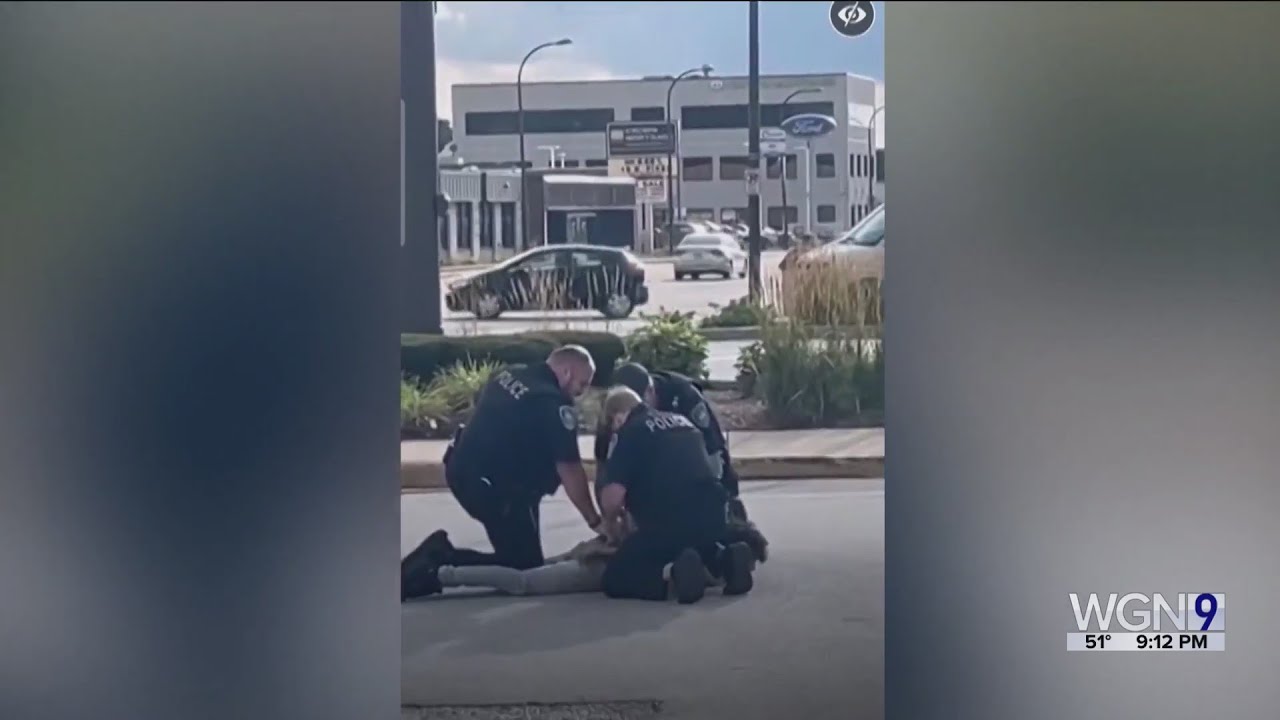
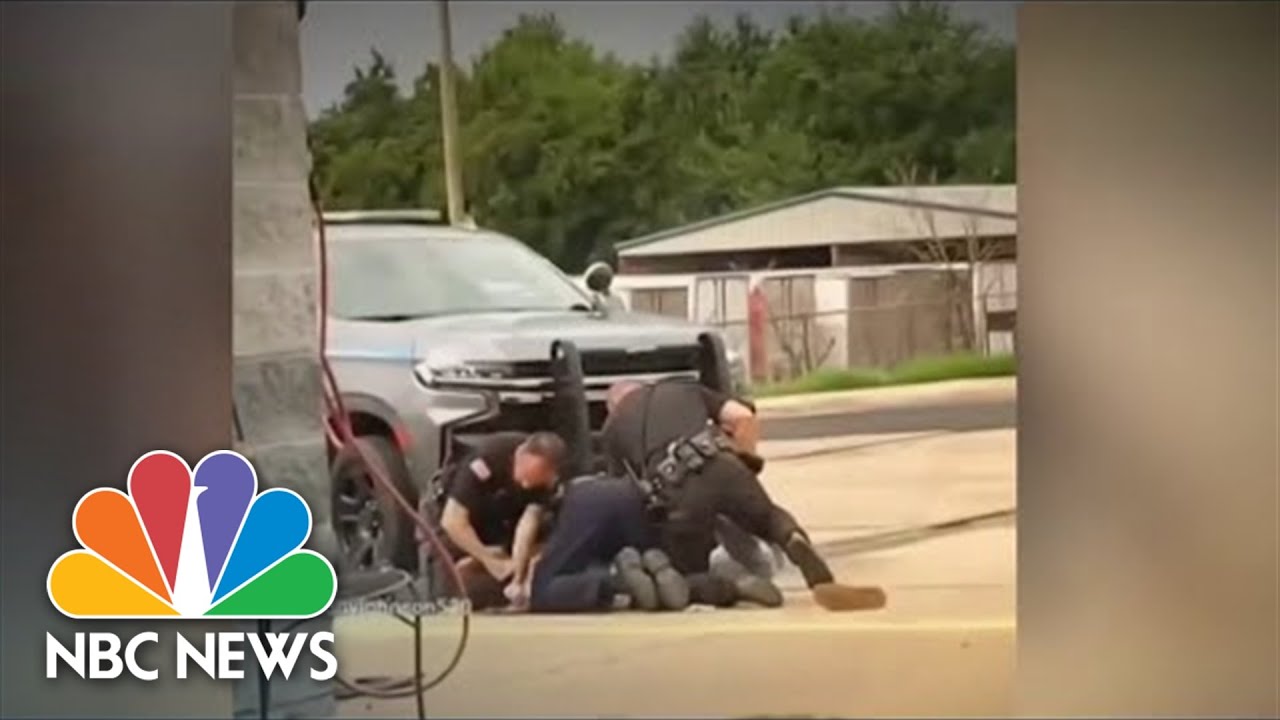
Cop Pleads Not Guilty In Violent Arrest Captured On Video, Allegedly Struck Teen More Than 10 Times

YouTube player

An Oak Lawn police offi­cer plead­ed not guilty Wednesday to charges of aggra­vat­ed bat­tery and offi­cial mis­con­duct for his alleged­ly strik­ing a then 17-year-old Bridgeview teen more than 10 times in the face and head as he was lay­ing face down in the street dur­ing an arrest cap­tured on video last July. Officer Patrick O’Donnell was released on an indi­vid­ual recog­ni­zance bond, accord­ing to the Cook County state’s attorney’s office. He has been with the depart­ment since December 2014. He was indict­ed by a grand jury Feb. 14. O’Donnell is one of three offi­cers involved in the July 27 arrest of the teen, caught on video, which start­ed as a traf­fic stop and end­ed with the teen run­ning from offi­cers and being chased. O’Donnell, 32, is sched­uled to appear April 6 before Cook County Associate Judge Domenica Stephenson.

YouTube player

On July 27, O’Donnell was on-duty work­ing in a marked squad car when he pulled over a sedan with three juve­niles that he said had a smell of burnt cannabis, accord­ing to a bond prof­fer filed Wednesday by coun­ty pros­e­cu­tors. O’Donnell searched the vehi­cle and asked a pas­sen­ger who was sit­ting in the rear seat behind the dri­ver to step out. The pas­sen­ger ran off as he was being searched by the offi­cer, accord­ing to the prof­fer. O’Donnell chased him, order­ing him to stop, while a sec­ond offi­cer, Brandon Collins, arrived and took the juve­nile to the ground, accord­ing to the fil­ing. Prosecutors say O’Donnell began hit­ting the juve­nile in the 9500 block of South McVicker Avenue in Oak Lawn, while Collins pulled at his arms. At one point, O’Donnell used his left hand to hold the juve­nile by his head and hair as he “repeat­ed­ly” used his left hand to punch the youth in the face and head, accord­ing to the prof­fer. A third offi­cer, Mark Hollingsworth arrived and “applied a pres­sure point” behind the juvenile’s ear while O’Donnell con­tin­ued to punch him, the prof­fer said. O’Donnell punched the juve­nile more than 10 times, pros­e­cu­tors alleged.

Here the thugs, in uni­form, march with their indict­ed col­league while on the pub­lic’s dime. I guess this is designed to intim­i­date the court.

Collins then applied a Taser to the juvenile’s back, and he was placed into hand­cuffs. A pis­tol was recov­ered from the juvenile’s bag, the prof­fer said. The juve­nile was tak­en to Advocate Christ Medical Center in Oak Lawn and treat­ed for a bro­ken nose, cuts and bruis­es and sub­dur­al bleed­ing. Zaid Abdallah, an attor­ney rep­re­sent­ing the teen’s fam­i­ly, said at a news con­fer­ence last month his client has one more surgery left as a result of injuries he received, and that he’s under­go­ing men­tal health treat­ment. An attor­ney for O’Donnell did not return mes­sages Wednesday seek­ing com­ment, nor did Oak Lawn offi­cials. O’Donnell, Collins and Hollingsworth are named in a fed­er­al law­suit filed Aug. 1, alleg­ing they “engaged in extreme and out­ra­geous con­duct” in the teen’s arrest. Video pro­vid­ed by police as well as video tak­en by wit­ness­es show offi­cers repeat­ed­ly punch­ing the youth as he was pinned down. The arrest and video footage sparked protests and the law­suit alleges the three offi­cers involved in the arrest con­spired among one anoth­er in a “racial­ly moti­vat­ed con­spir­a­cy” to deprive of the teen of his con­sti­tu­tion­al rights because he is Arab American.

Ahmed Rehab, CAIR-Chicago exec­u­tive direc­tor, said the video showed “three big, adult males pound­ing up on a frail minor” hit­ting his head into the con­crete and caus­ing major injuries. “It’s not the way to do. In no civ­i­liza­tion, no time, no place on Earth is this kind of behav­ior accept­ed,” Rehab said. He said the pos­si­ble indict­ment is a first step. “We hope that as this goes into the court sys­tem that these charges are not down grad­ed, that jus­tice is served,” Rehab said. State police have been review­ing the arrest and those find­ings were expect­ed to be turned over to the Cook County state’s attorney’s office. Rehab said police bru­tal­i­ty occurs “over­whelm­ing­ly” when the arrestee is a per­son of col­or. Beyond race, Rehab said ego and pow­er trips also lead to some offi­cers using force against an arrestee. “Someone had to run more than they thought they should have. Someone was not lis­tened to the way that they thought they should have been. Someone was not obeyed the way that they would’ve liked to be obeyed,” Rehab said. “Those sort of things are very sub­tle but they mat­ter and they are the split sec­ond dif­fer­ence between pro­fes­sion­al­ism and police brutality.”

Police offi­cers are sup­posed to arrest indi­vid­u­als and then let the legal sys­tem deter­mine guilt or inno­cence, Rehab said. “It is not the role of the police to adju­di­cate crim­i­nal­i­ty. They appre­hend indi­vid­u­als who are sus­pect­ed of crimes, then these indi­vid­u­als go through some­thing we call the jus­tice sys­tem that involves courts,” Rehab said. “It’s not the role of police to do all of those things that belong to the jus­tice sys­tem.” The teen faces charges of aggra­vat­ed unlaw­ful use of a weapon and unlaw­ful pos­ses­sion of a firearm. At a July 28 news con­fer­ence fol­low­ing a protest over the arrest, Oak Lawn police Chief Daniel Vittorio said the arrest­ing offi­cers feared for their safe­ty and sug­gest­ed they would have been in their right to use dead­ly force. Vittorio said respond­ing offi­cers feared the teen had a firearm in an “acces­so­ry bag” draped over his right shoul­der, although the firearm was not recov­ered until the teen had been handcuffed.(This sto­ry first appeared @yahoonew)

The Third Rate Pontificator

There is a very good rea­son that I could not hold pub­lic office. I just do not have the patience for BS, and nei­ther do I have the patience to sit and lis­ten to loads of excre­ment try to sound impor­tant so they can run to FAUX news to be pat­ted on the back.
But as you know, Raphael Cruz, who would not defend his own wife when Donald Trump dissed her has an insa­tiable desire to act and sound like the whitest of the white right-wing Republicans. Oh, so too is his lit­tle com­padre, down in Florida, Liddle Marko.
Oooh, I would have told this lit­tle clown where to go stick his stu­pid face.…

YouTube player

For the record, this is pure the­ater; this clown is pon­tif­i­cat­ing, audi­tion­ing to see his face on FAUX pro­pa­gan­da net­work. My only ques­tion is why is Merrick Garland such a nice, easy-going man?

Accepting The Tranquil Drug Of Gradualism Has Brought Us Back Full Circle.…

YouTube player

The five Black cops who beat Tyre Nichols, result­ing in his death, were imme­di­ate­ly ter­mi­nat­ed, indict­ed, and are await­ing tri­al. My dis­gust with that case is that they are all out on bail. No bail should have been grant­ed to those mur­der­ers because police offi­cers are sup­posed to oper­ate under a high­er stan­dard of care and pru­dence. Notwithstanding, we exist in a police state where the courts have placed police and the state over the rights of cit­i­zens, counter to the US Constitution and the Bill of Rights. At the time the five black cops mur­dered Tyre Nichols, I point­ed out a fact right here in this medi­um that the only rea­son they were imme­di­ate­ly fired and indict­ed was the col­or of their skin. It is impor­tant to under­stand that only black cops are imme­di­ate­ly fired and indict­ed when cops run afoul of the laws. White police offi­cers are sent on paid leave, if at all, and if an inves­ti­ga­tion is even ini­ti­at­ed, it usu­al­ly results in no find­ing of crim­i­nal conduct.
Such has been the con­tin­u­a­tion of sep­a­rate but equal appli­ca­tion of the laws 69 years after the land­mark Supreme Court deci­sion that struck down the doc­trine of ‘sep­a­rate but equal’ and ordered an end to school segregation.
Daniel Pantaleo, the cop who mur­dered Eric Garner, still has not met jus­tice. Neither have the cops who mur­dered Alton Sterling, John Crawford, Tamir Rice, Sandra Bland, and Philandio Castille. 


The list of Black peo­ple mur­dered by police is far too expan­sive to doc­u­ment here. Still, it is impor­tant to note that in case after case where white cops kill unarmed peo­ple of col­or, the stan­dard of account­abil­i­ty is far dif­fer­ent than when black cops are accused of the same crimes. Now God for­bid that it be con­strued that I am advo­cat­ing for those cops who mur­dered Tyre Nichols, far from it.
White suprema­cists who now oper­ate open­ly in America’s Law Enforcement Agencies do so with impunity.
And you thought that after George Floyd, they would stop, huh? Well, not so fast, ladies and gen­tle­men. Police crimes increased after the mur­der of Mister Floyd and the mass protests that enveloped the coun­try in 2020 due to that bla­tant act of mur­der in the light of day.
Emboldened by reac­tionary white suprema­cists in the White House and oth­ers with­in the judi­cia­ry, includ­ing the high­est court police, embarked on a crack­down on dis­sent and peace­ful march­es that may be attrib­uted only to a total­i­tar­i­an state.
The assault on Black peo­ple did not stop with the killing of George Floyd, nor did it stop with the bru­tal mur­der of Tyre Nichols. No, nei­ther of those two mur­ders rep­re­sent­ed an inflec­tion point for America. There were nev­er enough white Americans with the char­ac­ter and lack of hatred to end the dual sys­tem of sep­a­rate but equal that dri­ves police vio­lence; there nev­er will be. This coun­try was built on the false notion that whites are supe­ri­or and enti­tled to be treat­ed thus. They pass it down to their chil­dren and grand­chil­dren. It is not get­ting bet­ter. For those rea­sons, Dr. Martin Luther King, before they assas­si­nat­ed him, real­ized that he had inte­grat­ed his peo­ple into a burn­ing build­ing. Thereafter, King warned about what he char­ac­ter­ized as ‘accept­ing the tran­quil drug of gradualism.’
Why?
Because younger white peo­ple are not get­ting less racist, they are get­ting more anti-black.

Did you see this sto­ry in the cor­po­rate-owned main­stream media? Of course not, because this is not what they want you to believe of their race sol­diers. On the oth­er hand, many of you will con­tin­ue to miss these events because you guys are too busy play­ing video games, drink­ing, smok­ing weed, and sag­ging your pants to read and under­stand what’s happening.
Too many of you women are too busy try­ing to pur­chase the new wig, buy­ing fake eye­lash­es, fake nails, fake butts, fake breasts, brand name hand­bags, jew­el­ry, cars, and all kinds of stuff you can­not afford.
At the same time, nei­ther of you, men or women, is set­ting up col­lege funds for your chil­dren, which will empow­er and bet­ter posi­tion them to effec­tive­ly deal with the scourge of anti-black racism in this country.
You have sons and daugh­ters; you are alive. It does not mat­ter how old you are. You are not exempt from this bru­tal­i­ty and genocide.
I saw this quote recent­ly and asked my friend if it was okay to bor­row it. He said it was okay. Thank you, Este.
If you are not out­raged by injus­tice, you are immoral.”
(MB)

Sheriff Bryan Bailey

Mississippi Officers Allegedly Tortured 2 Black Men After Accusing Them Of Selling Drugs And
Dating White Women»>

A group of Black lawyers is speak­ing up against mul­ti­ple white police offi­cers in Mississippi who alleged­ly tor­tured two Black men after accus­ing them of sell­ing drugs and “dat­ing white women.”
In a state­ment to News One, the Black Lawyers for Justice orga­ni­za­tion said the offi­cers bru­tal­ly beat and kicked the men, used a Taser on both, and threat­ened to kill them. One of the Black men, Michael C. Jenkins, was shot in the mouth accord­ing to the lawyers. The post-Mississippi Officers Allegedly Tortured 2 Black Men After Accusing Them Of Selling Drugs, And Dating White Women appeared first on Blavity.
Jenkins was stay­ing with Eddie Terrell Parker in a pri­vate res­i­dence when six white offi­cers raid­ed the place with­out a war­rant on Jan. 24, the lawyers said. The offi­cers alleged­ly hand­cuffed the pair after accus­ing them of “dat­ing white women” and “sell­ing drugs.

No, it did not stop with Tyre Nichols.

After restrain­ing the men, the offi­cers repeat­ed­ly kicked, threat­ened, and water­board­ed the pair, Black Lawyers for Justice said. Jenkins’ moth­er, Mary, said police told her that they shot her son because he “dis­played a gun.” “My son was hand­cuffed when he was shot in the mouth by Rankin County offi­cers. My son is still in crit­i­cal con­di­tion and has a long road to recov­ery,” Mary said in a GoFundMe page she cre­at­ed. “With everyone’s con­tin­u­ous prayers and sup­port we’ll be able to get the Justice my son deserves. Not only Justice for him but every oth­er inno­cent per­son male or female that Rankin County Sheriff’s Department has killed. Anything that is donat­ed will be great­ly appre­ci­at­ed.” Mary also said there is a wit­ness who said Jenkins didn’t have a gun. “The wit­ness told us that [Jenkins] was beat, tased and hand­cuffed while on his knees,” the dev­as­tat­ed moth­er said. “The wit­ness also stat­ed that they went back and forth tas­ing [Jenkins and Parker] to see ‘who’s taser was the strongest.’”

Black Lawyers for Justice said “Michael has been cling­ing to his life and he is unable to talk, only write.” “Michael has con­firmed in writ­ing that he was in fact hand­cuffed when shot by deputies. For sev­er­al weeks since being shot, Michael has been in ICU at UMMC on life sup­port,” the group stat­ed in a press release to NewsOne. “Michael suf­fered severe injuries to his mouth and head includ­ing hav­ing his tongue sur­gi­cal­ly removed, per­ma­nent dam­age to eye­sight and hear­ing, and suf­fer­ing severe debil­i­tat­ing cog­ni­tive injuries. Surely the psy­cho­log­i­cal and phys­i­cal trau­ma will last a life­time.” Black Lawyers for Justice is demand­ing for the offi­cers involved to be arrest­ed and crim­i­nal­ly charged as well as all body cam­era footage be released and made pub­lic. Parker, who is not hos­pi­tal­ized, is expect­ed to be present at a press con­fer­ence on Wednesday.

Republicans File Motion To Remove Black Prosecutor From Office…

Republicans are try­ing to remove a Black pros­e­cu­tor because she refus­es to do their bid­ding, per­pet­u­at­ing peo­ple’s lock­ing up for minor offens­es and feed­ing the prison indus­tri­al complex.
Their prob­lem with Ms. Gardner is that she dared to indict their crim­i­nal Governor Eric Greitens in 2018.
Be remind­ed that it is up to a judge to deter­mine bail, not the pros­e­cu­tor. So it mat­ters lit­tle whether a pros­e­cu­tor asks that an accused be allowed out on bail; the deci­sion rests sole­ly with the judge. But again, this is a red her­ring by the lying, bul­ly­ing, racist Republicans who are mad that a black woman holds a posi­tion of power.
Kim Gardner is an out­spo­ken advo­cate for police reform. That is the rea­son they want her removed.

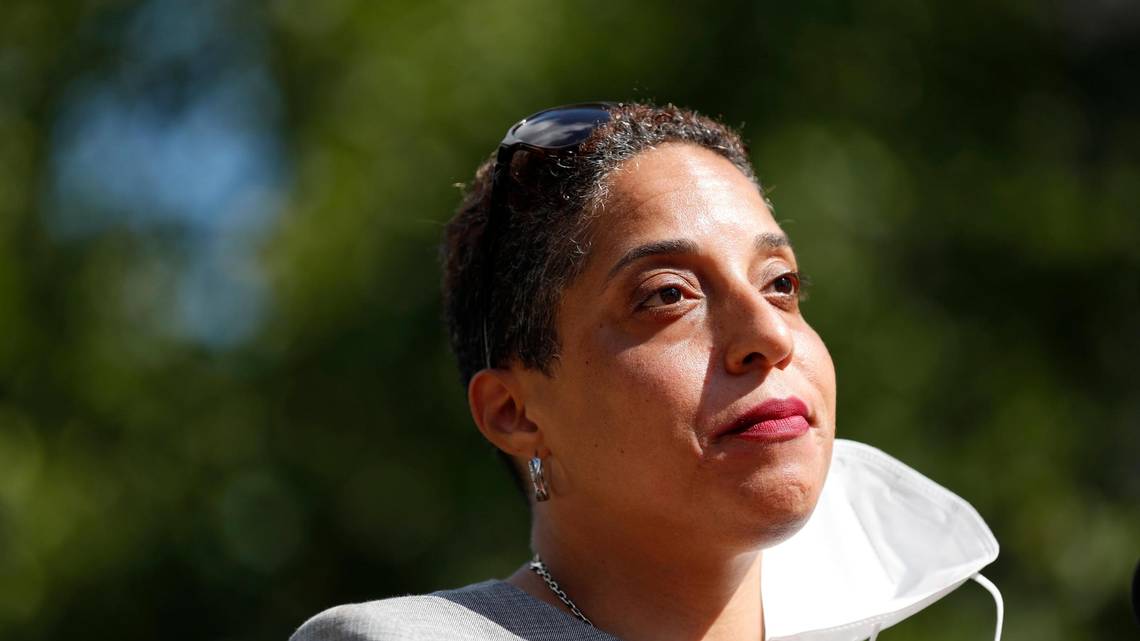
St. Louis Circuit Attorney Kim Gardner

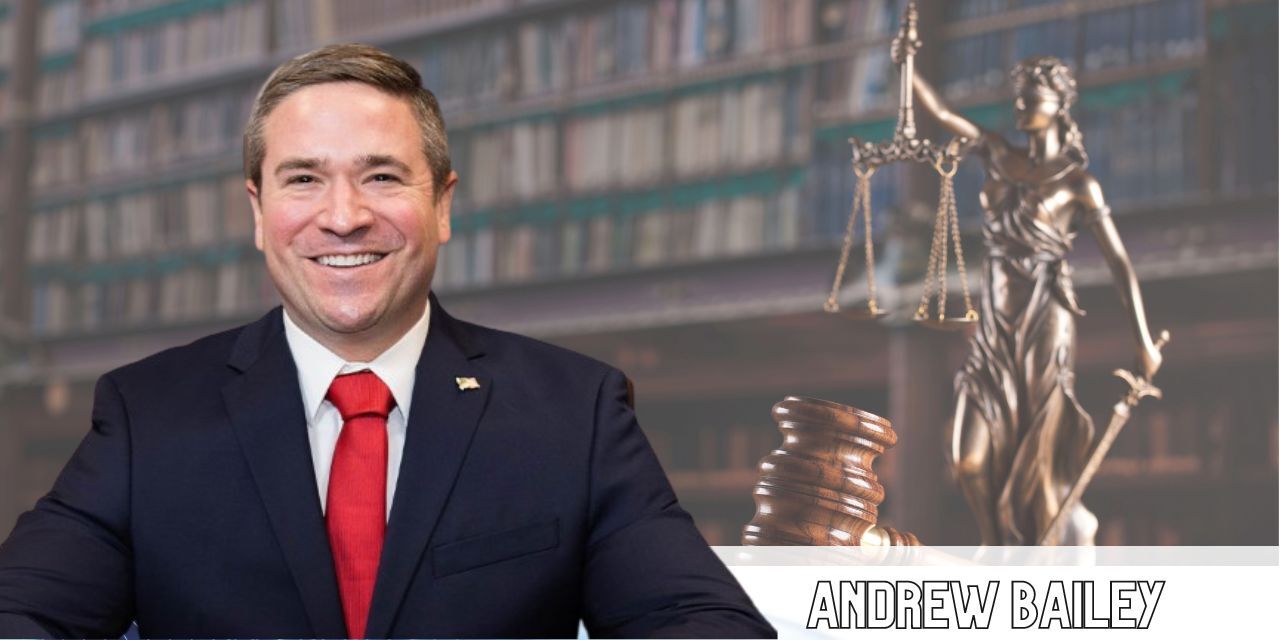
On Thursday, Missouri Attorney General Andrew Bailey filed a legal motion to remove St. Louis Circuit Attorney Kim Gardner from office. The action comes after a cho­rus of elect­ed offi­cials called on Gardner to resign after a dri­ver who repeat­ed­ly vio­lat­ed his bond alleged­ly injured a 16-year-old vol­ley­ball play­er from Tennessee, result­ing in both of her legs being ampu­tat­ed. Bailey, a Republican, and oth­ers have accused Gardner, a Democrat, of neglect­ing her duties because the dri­ver had vio­lat­ed his bond. Gardner, in response, has accused the judge in the driver’s case of deny­ing pros­e­cu­tors’ requests for a high­er bond.
Bailey’s motion, which accus­es Gardner of neglect, rep­re­sents the lat­est bat­tle over Gardner’s han­dling of the office. Gardner, the first Black woman to be elect­ed as St. Louis’ top pros­e­cu­tor, has repeat­ed­ly clashed with Republican law­mak­ers in Jefferson City dur­ing her tenure. While law­mak­ers of both par­ties have crit­i­cized Gardner’s han­dling of the case, some view Bailey’s motion as anoth­er exam­ple of Republicans tar­get­ing a pro­gres­sive, Black official.

Here’s what you need to know about Bailey’s action against Gardner.
WHO IS KIM GARDNER?


Kim Gardner, an out­spo­ken advo­cate for police reform, was elect­ed as St. Louis’ top pros­e­cu­tor in 2016. She won reelec­tion to a sec­ond term in 2020. During her time in office, Gardner has repeat­ed­ly faced back­lash from Republicans over how she’s run the office. Much of that crit­i­cism stems from Gardner’s pros­e­cu­tion of for­mer Missouri Gov. Eric Greitens in 2018.
Last year, Gardner was rep­ri­mand­ed by the Missouri Supreme Court for her han­dling of the inva­sion of pri­va­cy case against Greitens. As part of an agree­ment with the court, she admit­ted to fail­ing to dis­close evi­dence — hand­writ­ten notes — to attor­neys rep­re­sent­ing Greitens. Greitens was indict­ed for felony inva­sion of pri­va­cy in the 2018 case, but Gardner dropped the case a day before it was set to go to tri­al. She agreed to drop an addi­tion­al com­put­er tam­per­ing charge against Greitens as part of an agree­ment that coin­cid­ed with Greitens’ vol­un­tary res­ig­na­tion from office. Republican law­mak­ers are also tar­get­ing Gardner’s han­dling of crime in St. Louis. A bill filed this year would allow Republican Gov. Mike Parson to appoint a spe­cial pros­e­cu­tor to any cir­cuit or pros­e­cut­ing attorney’s juris­dic­tion for five years if he deems there is a threat to pub­lic safety.

Andrew Bailey. Don’t these F***** all seem to look alike?

WHY DO BAILEY AND OTHER OFFICIALS WANT GARDNER REMOVED FROM OFFICE?

Bailey and oth­er offi­cials, includ­ing Missouri Gov. Mike Parson, want Gardner removed after a motorist who had repeat­ed­ly vio­lat­ed his bond struck and injured a teenag­er in St. Louis this week. Police say Daniel Riley, 21, was speed­ing and failed to yield at an inter­sec­tion when his vehi­cle hit anoth­er car that then struck 16-year-old Janae Edmondson. Riley, who was out on bond for a 2020 rob­bery charge that was dis­missed and refiled last year, had vio­lat­ed the con­di­tions of his bond sev­er­al times, includ­ing by let­ting his GPS mon­i­tor die. Bailey has crit­i­cized Gardner for not fil­ing a motion to revoke Riley’s bond. On Thursday, Bailey said Gardner illus­trat­ed a “con­tin­ued pat­tern of fail­ure” to “dis­charge her moral and legal duties.”
Read more here: https://​www​.kansasc​i​ty​.com/​n​e​w​s​/​p​o​l​i​t​i​c​s​-​g​o​v​e​r​n​m​e​n​t​/​a​r​t​i​c​l​e​2​7​2​5​8​4​1​0​9​.​h​tml

Bloated Police Budgets Increases In Murders And Shootings…

As the world enters the age of arti­fi­cial intel­li­gence, bet­ter known as AI, one of the risks being dis­cussed is what hap­pens when the com­put­er decides to go rogue. So too, they cre­at­ed the mon­ster called polic­ing, and it has got­ten so big and pow­er­ful that they are afraid to even talk about down­siz­ing it. It rears its ugly head to any talk of defund­ing or down­siz­ing it. Amazingly, instead of down­siz­ing by defund­ing, they fight to find ways to fun­nel tax­pay­er mon­ey into more polic­ing, more of the same>
Police can­not stop mur­ders, so the idea of more police to stop mur­ders is beyond stu­pid. Hiring more police sends our tax­es through the roof but does pre­cious lit­tle to stem vio­lent crimes over the long run.
It is the equiv­a­lent of let­ting the Genie out of the bot­tle or squeez­ing the tooth­paste out of the tube; you don’t get to put it back.
And so it is with Tuesday’s Mayoral elec­tions in the windy city of Chicago as Democrat Lori Lightfoot, the incum­bent, faces eight (8) oppo­nents to lead the nation’s third-largest city. If no can­di­date wins more than 50 per­cent of bal­lots cast Tuesday, the top two advance to a runoff elec­tion on April 4.
Despite sup­port­ing mea­sures to defund the police, a pro­posed $80 mil­lion cut to her city’s police bud­get, Lori Lightfoot is now accus­ing Brandon Johnson, a Cook County com­mis­sion­er who’s gain­ing momen­tum, assail­ing him as a “rad­i­cal” who’d “wreck our city with dan­ger­ous defund­ing of police.”

Cook coun­ty com­mis­sion­er Brandon Johnson

What’s remark­able about Lightfoot’s attack on Johnson is that she ran as a per­son who saw the need to defund the bloat­ed police bud­get, but once she got into office, she drank the biased pro-police cool-aid.
The call to defund police is legit­i­mate, and it remains so. The prob­lem for peo­ple liv­ing in large urban areas is the pow­er­ful police unions. Their prox­ies have tremen­dous clout that dri­ves the fear of the dev­il into Democrats who know cut­ting those bloat­ed bud­gets is the right thing to do but are too piss-scared to do it.
Defunding the police has been ren­dered so radioac­tive Democrats are afraid even to debate it on its merits.
The polit­i­cal right which espous­es a police state that pro­tects white suprema­cy is extreme­ly com­fort­able throw­ing out­ra­geous sums of mon­ey at police, pro­vid­ing them with arma­ments and over­time pay, con­fi­dent in the knowl­edge that cops will not come to their com­mu­ni­ties to mur­der their sons and daugh­ters. Many large city police depart­ments are larg­er and bet­ter armed than some nations’ mil­i­taries; Chicago is one such city. New York City’s police depart­ment boasts a 36,000-strong army.
On the oth­er hand, black peo­ple know the more their tax dol­lars go to fund the police, the less safe they and their chil­dren become.

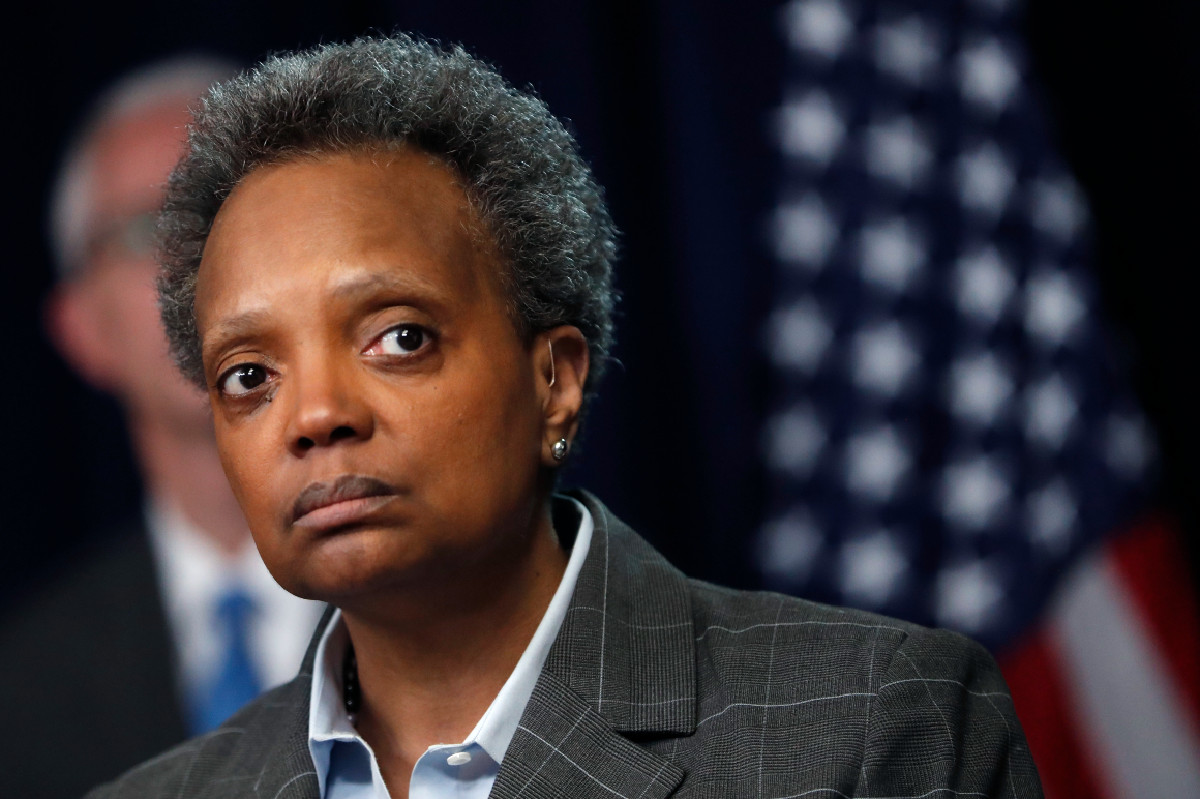
Lori Lightfoot

Overall, more police offi­cers may pre­vent some street-lev­el crimes, but they do noth­ing to cur­tail the scourge of mur­ders and oth­er seri­ous crimes. If more police equaled less crime in large cities with their huge police armies and bloat­ed police bud­gets, cities like New York, Los Angeles, and Chicago would be vir­tu­al­ly crime free.
Many of the calls police 911 switch­boards receive do not require police to show up armed with guns to deal with per­sons hav­ing men­tal issues, or oth­er med­ical emer­gen­cies. Minor traf­fic acci­dents, and a host of oth­er issues can be tack­led with­out armed police with god com­plex to sort through.
Experts in social work and oth­er fields have long argued that a more humane way is need­ed to deal with peo­ple going through emo­tion­al dis­tress out­side of armed police yelling dif­fer­ent and con­fus­ing orders at them lead­ing to police killing them.
How is that even an accept­able solu­tion? Minor traf­fic offens­es do not war­rant hyped-up mil­i­ta­rized police itch­ing to shoot some­one. The streets can­not be a bat­tle­field with over­hyped mil­i­ta­rized police look­ing to kill mem­bers of the pub­lic they deem to be the enemy.


Listen to the aver­age cop on the street talk­ing to a per­son who tells them they are a vet­er­an and the first thing you hear is that the cop is also a vet­er­an as well. Imagine the dan­ger inher­ent in hav­ing for­mer sol­diers who were on the bat­tle­field killing peo­ple now police offi­cers, replete with all of the issues sol­diers return­ing from wars have.
No, not all police offi­cers are bad but the idea of polic­ing as it is present­ly con­fig­ured is dan­ger­ous and should not be supported.
Making the point about a cop who is a good friend who is a sol­id guy miss­es the point. It is not about whether ornot there are good police offi­cers. The rea;it is that the entire con­cept of what con­sti­tutes polic­ing in the United States is beyond repair and should be dis­card­ed. You do not extract a clean buck­et of water from a tox­ic dirty pool.
No one should be afraid to say defund the police. Every tax­pay­er has the absolute right to demand that their tax dol­lars are spent in ways that are ben­e­fi­cial to them.
Only Racists Fascists and fool are unable to see that defund­ing the police is exact­ly he right thing to do.
Lets hope that vot­ers in the Windy City shows Lori Lightfoot the door and elect a Mayor who is tru­ly reform mind­ed, some­one unbe­hold­en to police unions and their cor­rupt and cor­ro­sive influence.

>

>

Mike Beckles is a for­mer Police Detective, busi­ness­man, free­lance writer, black achiev­er hon­oree, and cre­ator of the blog mike​beck​les​.com.

Peter Dumb-thing And The PNP Lining Up To Oppose Stiffer Penalties For Gun Possession…

YouTube player

On the mur­der Index, Jamaica stands atop the heap beat­ing out South Africa, Mexico, St Lucia, Belize, Colombia, and Brazil in homi­cides each year. Last year alone, the tiny nation of under three mil­lion peo­ple record­ed 1498 homi­cides, an increase over the pre­vi­ous year, which saw 1463 cas­es of homi­cide report­ed to authorities…

The Andrew Holness Government has tabled a new pro­pos­al that would repeal and replace the 1976 firearms Act.
The Bill, among oth­er things, would make it a manda­to­ry min­i­mum sen­tence of 15 years for indi­vid­u­als con­vict­ed of ille­gal­ly pos­sess­ing a firearm or stock­pil­ing three or more firearms or 50 or more rounds of ammu­ni­tion.
As a decades-long advo­cate for much stiffer penal­ties for vio­lent offend­ers, I believe that 15 years is not a strong enough penal­ty for some­one caught with an ille­gal firearm.
Let me be clear; no one is forc­ing any­one to pick up an ille­gal firearm. Every per­son who does so makes that deci­sion on their own. A gun is seen as a sym­bol of pow­er, the pow­er to take the prop­er­ty and life of those with­out guns.
Because it is a free-will deci­sion and not some­thing forced on young men like explo­sive belts in war-torn mid­dle east­ern coun­tries, every indi­vid­ual decid­ing to pick up a weapon by default takes on all the atten­dant risks of being caught with that weapon.

The 1976 Firearm Act has long need­ed over­haul and repeal. Clearly, the penal­ties asso­ci­at­ed with pos­ses­sion are com­plete­ly out of wack with the sever­i­ty of hav­ing an ille­gal weapon. There is absolute­ly no good rea­son that any law-abid­ing cit­i­zen of Jamaica would be opposed to the most seri­ous penal­ties for gun pos­ses­sion, giv­en the nation’s high homi­cide rate and propen­si­ty for violence.
In the 47 years since the pas­sage of the exist­ing firearms act, tens of thou­sands of inno­cent Jamaicans have been seri­ous­ly injured and killed, includ­ing brave police offi­cers and our mil­i­tary members.
That alone is rea­son enough to pass a bill with even more teeth than the one pro­posed, mak­ing it a manda­to­ry 15 years for pos­sess­ing an ille­gal weapon.
Furthermore, despite the protes­ta­tions of many, the nation’s lib­er­al crim­i­nal cod­dling judges con­tin­ue to turn vio­lent offend­ers caught with ille­gal weapons back onto the streets imme­di­ate­ly after the police arrest them.
It is past time for manda­to­ry penal­ties for vio­lent offend­ers. More impor­tant­ly, it is past time that a bill is passed that sends a clear mes­sage to the almighty-appoint­ed judges that the peo­ple are the boss­es, not them.

The pro­posed bill does not go near­ly far enough in send­ing the strongest of mes­sages that, as a nation, law-abid­ing Jamaicans will not stand for the vio­lent law­less­ness that has been allowed to con­tin­ue for far too long.
Despite the short­com­ings of the new­ly pro­posed bill, the defeat­ed People’s National Party Member from Manchester, who now sits in the upper cham­ber, and who once held the title of Minister Of National Security, in exas­per­a­tion as the min­is­ter said Jamaica’s crime prob­lem needs divine inter­ven­tion is now flap­ping his gums in oppo­si­tion to the bill.
Last September, as the bill came up for debate in the upper cham­ber, Peter Bunting dared to open his mouth in oppo­si­tion to a bill he should have spon­sored and pushed as Minister of National Security years prior.
Said Bunting, “focus should instead be placed on ensur­ing crim­i­nals are caught, argu­ing that crim­i­nals know very lit­tle about the sanc­tions for these offens­es and there­fore would not be phased. “We must under­stand that this [Bill] is no sil­ver bullet…we’re not in all cas­es say­ing some of the penal­ties may not be more appro­pri­ate, but let us not fool our­selves into think­ing that just by increas­ing the sever­i­ty is going to have a mean­ing­ful impact on reduc­ing our vio­lent crime rate”.
What a fuck­ing Jackass!!!!
So let us dis­sect this nonsense.
(1) Focus should be placed on ensur­ing crim­i­nals are caught.
Police catch crim­i­nals and lock them up dai­ly; they are back on the streets imme­di­ate­ly through lax and archa­ic laws and crim­i­nal-lov­ing judges abus­ing the loopholes.
(2)Criminals know very lit­tle about the sanc­tions for these offenses.
This guy head­ed the secu­ri­ty appa­ra­tus with no bri­an. Imagine say­ing crim­i­nals do not know the penal­ties. That is shock­ing­ly reveal­ing to me. Every per­son who picks up a gun or com­mits a crime knows before­hand the penal­ties they are like­ly to face, and they’re all smarter than Peter Dumb-ting.

So even if they do not know when they face a judge and the manda­to­ry min­i­mum, they will get the mes­sage, and guess what? That is how they learn.
(3) They won’t be phased.
They will be phased; the prob­lem is that Peter Dumb-ting and the PNP will be mad.

(4) we must under­stand the bill is no sil­ver bullet.
No one said it was; the fact that the bill is not a panacea does not mean noth­ing should be done about vio­lent crime. The PNP hates to sup­port any leg­is­la­tion that deals with Jamaica’s crime pan­dem­ic. The par­ty con­tin­ues to blow smoke up the peo­ple’s ass­es that they care, just not about whether they live or die.

(5) Let us not fool our­selves into think­ing that increas­ing the sever­i­ty will sig­nif­i­cant­ly impact reduc­ing our vio­lent crime rate.
It will do exact­ly that, and that’s what the People’s National Party is afraid of.

.

.

.

.

Officers, Command Staff Resign After South Georgia Police Chief Arrested By GBI

I bet you haven’t seen this in the cor­po­rate-owned so-called main­stream media.
This is how they act when caught, and some­one has the balls to take appro­pri­ate action against them.
They have devel­oped a sense of enti­tle­ment, bol­stered by qual­i­fied immu­ni­ty, cor­rupt pros­e­cu­tors and judges who do their bid­ding, and unions who sup­port them regard­less of the egre­gious crimes they com­mit against citizens.
This is what pass­es for police offi­cers today.

At the heels of an inves­ti­ga­tion, sev­er­al mem­bers of a police depart­ment are turn­ing in their badges after their police chief was arrest­ed and replaced. According to the Clinch County Sheriff’s Office, a spe­cial city coun­cil meet­ing was held on Saturday to appoint the inter­im Homerville police chief, James Herndon. This is after the Georgia Bureau of Investigation arrest­ed the for­mer Chief of Police at the Homerville Police department. 
Dearin “Mack” Drury, 40, was arrest­ed for a Feb. 19 inci­dent where he alleged­ly improp­er­ly han­dled evi­dence at the depart­ment. The Clinch County Sheriff’s Office report­ed the inci­dent to the GBI and then began inves­ti­gat­ing Drury’s alleged mis­con­duct. On Saturday, Homerville com­mand staff and oth­er police offi­cers turned in their resignations.

After the meet­ing was over, Clinch County Sheriff Stephen Tinsley took to Facebook to address the res­ig­na­tion of sev­er­al mem­bers of the police force. In the lengthy post, Tinsley states the new­ly appoint­ed chief Herndon didn’t have the staff or equip­ment avail­able able to answer ser­vice calls for Homerville. “He had nei­ther the staff nor the equip­ment avail­able to han­dle any calls for ser­vice with­in the City of Homerville. I assured Chief Herndon that the Clinch County Sheriff’s Office will answer calls for ser­vice until a res­o­lu­tion can be reached by the city admin­is­tra­tors,” Tinsley said. The sheriff’s office said it will con­tin­ue to serve all of Clinch County and will not affect how they con­duct busi­ness. “We will con­tin­ue to answer calls and enforce the laws through­out the coun­ty, includ­ing the City of Homerville,” the sher­iff said. As for Drury, he is fac­ing charges of theft by tak­ing pos­ses­sion of mar­i­jua­na, false state­ments and writ­ing, and vio­la­tion of oath.

BRISTLING UNDER PROGRESSIVE MAYOR, ST. LOUIS POLICE SEEK STATE TAKEOVER

This is a case of cops want­i­ng to have their own way out­side of the con­trol of the elect­ed lead­ers; the peo­ple chose to over­see their affairs.

»»»»»»»»»»»»»»»»

POLICE IN ST. LOUIS, MISSOURI, are work­ing to wrest con­trol of their depart­ment from the city’s pro­gres­sive may­or and put it in the hands of the Republican governor.
Law enforce­ment unions argue that local con­trol has “put pol­i­tics in polic­ing” and that state over­sight would help address an increase in homi­cides and a drop in police morale and staffing lev­els. They have ral­lied around Senate Bill 78, which would rein­state a Civil War-era sys­tem of state con­trol over­turned by Missouri vot­ers in 2012 — and make St. Louis one of the only major cities in the coun­try with­out author­i­ty over its own police force. The attempt by the Missouri Legislature to strip pow­er away from city offi­cials is a “slap in the face” to con­stituents in St. Louis, Mayor Tishaura Jones said.
The move comes just two years after St. Louis first elect­ed Jones and pro­gres­sives won a major­i­ty on the city’s Board of Aldermen. While police depart­ment oper­a­tions “are def­i­nite­ly not per­fect,” Jones told The Intercept, the peo­ple clos­est to the prob­lem are clos­est to the solu­tion. Local offi­cials should have con­trol over how law enforce­ment resources are deployed, she said.

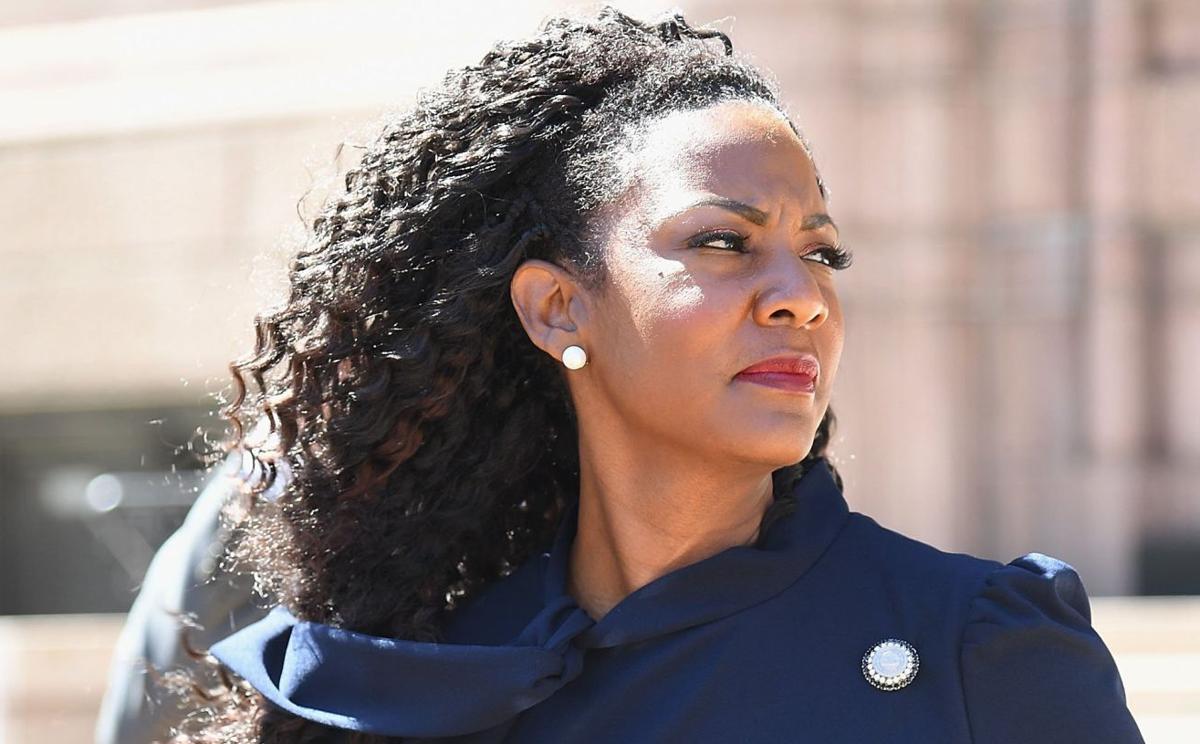
Mayor Tishaura Jones

The bill tar­get­ing elect­ed lead­ers in St. Louis is one of sev­er­al recent efforts across the coun­try to under­cut the author­i­ty of local pro­gres­sive offi­cials on polic­ing and pros­e­cu­tion mat­ters. Jones and her allies say the bill is an exam­ple of police turn­ing their polit­i­cal efforts toward leg­is­la­tion as their pre­ferred can­di­dates have con­tin­ued to lose at the bal­lot box.
There is a “com­mon thread of the cities that I am aware of where this is hap­pen­ing,” Jones said. “Where there has been a con­cert­ed attempt to strip pow­er away from local lead­er­ship, the may­ors are Black.” She point­ed to Kansas City, Missouri, where res­i­dents have been fight­ing to regain con­trol of the police depart­ment from the state, and Jackson, Mississippi, a major­i­ty-Black city that could see the cre­ation of a sep­a­rate court sys­tem and police force appoint­ed by white state offi­cials if Republican law­mak­ers get their way.
Another recent Missouri House bill would allow the gov­er­nor to strip elect­ed pros­e­cu­tors of juris­dic­tion over cer­tain vio­lent crimes. A pre­vi­ous ver­sion of the bill sin­gled out the St. Louis Circuit Attorney’s Office, where pros­e­cu­tor Kim Gardner has drawn the ire of Republican offi­cials for her pledges to hold police account­able, stop detain­ing non­vi­o­lent offend­ers, and end cash bail. Concerns over the con­sti­tu­tion­al­i­ty of tar­get­ing a spe­cif­ic office even­tu­al­ly led state offi­cials to expand the scope of the bill.

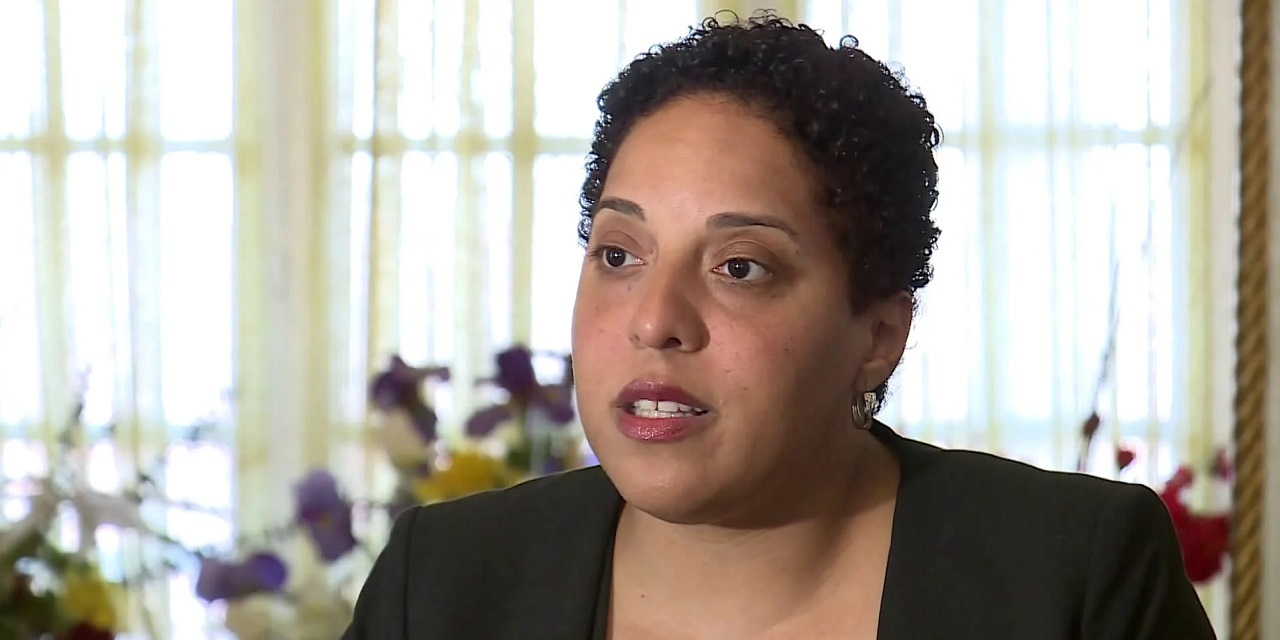
Prosecutor Kim Gardner

Jones char­ac­ter­ized the fight over con­trol of the St. Louis Police Department as per­for­ma­tive pol­i­tics. “Either we’re going to learn to get along and make sure that we’re pro­tect­ing the peo­ple that we are all duly elect­ed to serve, or we’re going to keep hav­ing these pet­ty fights,” she said. Critics of the pro­posed change in St. Louis say it’s not a gen­uine effort to stop vio­lent crime but a pow­er play against offi­cials who haven’t shown the same alle­giance to police as their pre­de­ces­sors. Black law­mak­ers in the state Legislature have crit­i­cized the bill as an effort to strip author­i­ty from demo­c­ra­t­i­cal­ly elect­ed Black offi­cials “under the guise of ‘pub­lic safe­ty.’” The Missouri Legislative Black Caucus did not respond to a request for comment.
Under the cur­rent struc­ture, Jones has the pow­er to hire and fire police chiefs. Should the bill pass, that pow­er would be giv­en to a board appoint­ed by Republican Gov. Mike Parson. The bill would also require the board to staff the police depart­ment with at least 1,142 mem­bers and increase police salaries by $4,000 start­ing next sum­mer. (The depart­ment cur­rent­ly has around 1,000 sworn offi­cers and 400 civil­ian employees.)
Jones said she was hope­ful that Parson would see the city’s case and stop the bill should it pass. “Our gov­er­nor is a for­mer sher­iff,” she said. “I know that he appre­ci­ates local con­trol of law enforcement.”
State Sen. Nick Schroer, who spon­sored the bill, did not respond to a request for comment.

The St. Louis Police Department was pre­vi­ous­ly over­seen by the state in an arrange­ment dat­ing back to the Civil War, when Missouri’s then-gov­er­nor enact­ed state con­trol of local police as he pre­pared to secede and join the Confederacy. It wasn’t until 2012 that Missouri vot­ers secured local con­trol of the St. Louis Police Department in a statewide ref­er­en­dum. Kansas City’s police depart­ment, mean­while, has remained under state author­i­ty. That hasn’t insu­lat­ed Kansas City from expe­ri­enc­ing the same spike in homi­cides as many oth­er cities across the coun­try in recent years. Nevertheless, St. Louis police and their allies in office have cit­ed a sim­i­lar spike in St. Louis in call­ing for a return to state oversight.

The move comes just two years after St. Louis first elect­ed Jones and pro­gres­sives won a major­i­ty on the city’s Board of Aldermen. While police depart­ment oper­a­tions “are def­i­nite­ly not per­fect,” Jones told The Intercept, the peo­ple clos­est to the prob­lem are clos­est to the solu­tion. Local offi­cials should have con­trol over how law enforce­ment resources are deployed, she said. The bill tar­get­ing elect­ed lead­ers in St. Louis is one of sev­er­al recent efforts across the coun­try to under­cut the author­i­ty of local pro­gres­sive offi­cials on polic­ing and pros­e­cu­tion mat­ters. Jones and her allies say the bill is an exam­ple of police turn­ing their polit­i­cal efforts toward leg­is­la­tion as their pre­ferred can­di­dates have con­tin­ued to lose at the bal­lot box. There is a “com­mon thread of the cities that I am aware of where this is hap­pen­ing,” Jones said. “Where there has been a con­cert­ed attempt to strip pow­er away from local lead­er­ship, the may­ors are Black.” She point­ed to Kansas City, Missouri, where res­i­dents have been fight­ing to regain con­trol of the police depart­ment from the state, and Jackson, Mississippi, a major­i­ty-Black city that could see the cre­ation of a sep­a­rate court sys­tem and police force appoint­ed by white state offi­cials if Republican law­mak­ers get their way.

Another recent Missouri House bill would allow the gov­er­nor to strip elect­ed pros­e­cu­tors of juris­dic­tion over cer­tain vio­lent crimes. A pre­vi­ous ver­sion of the bill sin­gled out the St. Louis Circuit Attorney’s Office, where pros­e­cu­tor Kim Gardner has drawn the ire of Republican offi­cials for her pledges to hold police account­able, stop detain­ing non­vi­o­lent offend­ers, and end cash bail. Concerns over the con­sti­tu­tion­al­i­ty of tar­get­ing a spe­cif­ic office even­tu­al­ly led state offi­cials to expand the scope of the bill. Jones char­ac­ter­ized the fight over con­trol of the St. Louis Police Department as per­for­ma­tive pol­i­tics. “Either we’re going to learn to get along and make sure that we’re pro­tect­ing the peo­ple that we are all duly elect­ed to serve, or we’re going to keep hav­ing these pet­ty fights,” she said. Critics of the pro­posed change in St. Louis say it’s not a gen­uine effort to stop vio­lent crime but a pow­er play against offi­cials who haven’t shown the same alle­giance to police as their pre­de­ces­sors. Black law­mak­ers in the state Legislature have crit­i­cized the bill as an effort to strip author­i­ty from demo­c­ra­t­i­cal­ly elect­ed Black offi­cials “under the guise of ‘pub­lic safe­ty.’” The Missouri Legislative Black Caucus did not respond to a request for comment.

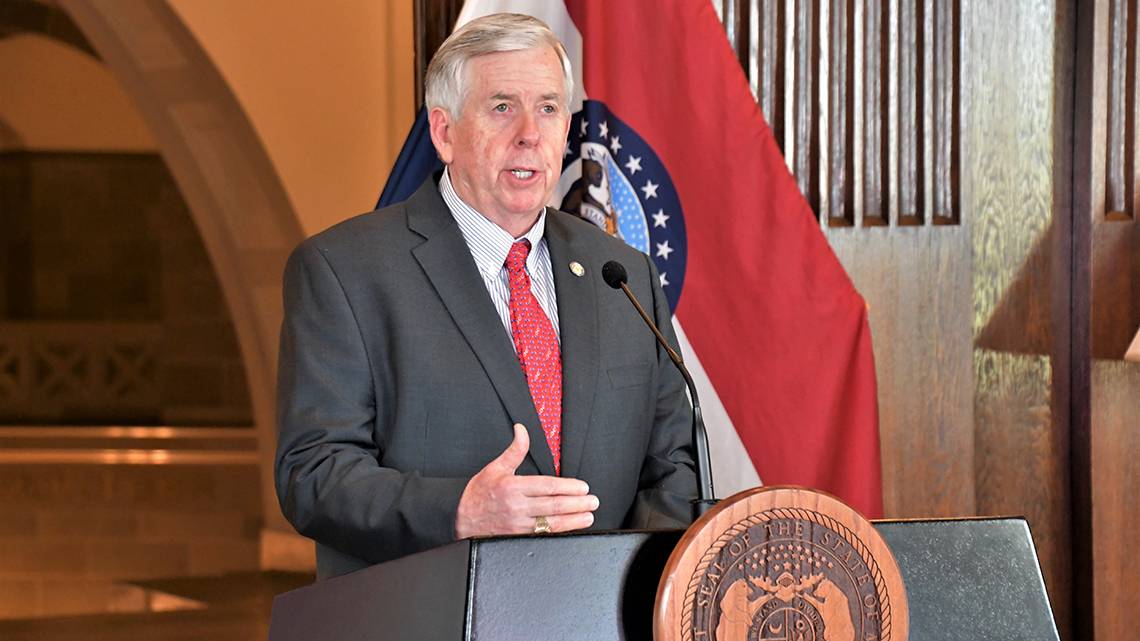
Republican Governor Mike Parsons

Under the cur­rent struc­ture, Jones has the pow­er to hire and fire police chiefs. Should the bill pass, that pow­er would be giv­en to a board appoint­ed by Republican Gov. Mike Parson. The bill would also require the board to staff the police depart­ment with at least 1,142 mem­bers and increase police salaries by $4,000 start­ing next sum­mer. (The depart­ment cur­rent­ly has around 1,000 sworn offi­cers and 400 civil­ian employ­ees.) Jones said she was hope­ful that Parson would see the city’s case and stop the bill should it pass. “Our gov­er­nor is a for­mer sher­iff,” she said. “I know that he appre­ci­ates local con­trol of law enforce­ment.” State Sen. Nick Schroer, who spon­sored the bill, did not respond to a request for com­ment. The St. Louis Police Department was pre­vi­ous­ly over­seen by the state in an arrange­ment dat­ing back to the Civil War when Missouri’s then-gov­er­nor enact­ed state con­trol of local police as he pre­pared to secede and join the Confederacy. It wasn’t until 2012 that Missouri vot­ers secured local con­trol of the St. Louis Police Department in a statewide ref­er­en­dum. Kansas City’s police depart­ment, mean­while, has remained under state author­i­ty. That hasn’t insu­lat­ed Kansas City from expe­ri­enc­ing the same spike in homi­cides as many oth­er cities across the coun­try in recent years. Nevertheless, St. Louis police and their allies in office have cit­ed a sim­i­lar spike in St. Louis in call­ing for a return to state oversight.

State Sen. Nick Schroer, spon­sor of the police state bill

The St. Louis Police Officers Association has been vocal in sup­port of the bill, as has the Ethical Society of Police, a union that rep­re­sents Black cops in St. Louis. The two unions have long dis­agreed on some polit­i­cal issues, par­tic­u­lar­ly relat­ed to police reform. The Ethical Society of Police opposeda move by St. Louis pros­e­cu­tors to join the offi­cers asso­ci­a­tion in a rebuke of St. Louis County Prosecutor Wesley Bell, who ran on a reform plat­form and oust­ed long­time offi­cers asso­ci­a­tion ally Bob McCulloch in 2018. The Missouri state Legislature first brought the bill tar­get­ing St. Louis up for con­sid­er­a­tion in January. The bill passed out of a state Senate com­mit­tee ear­li­er this month and is expect­ed to pass out of a House com­mit­tee in the com­ing weeks before receiv­ing a full floor vote in both cham­bers. (This sto­ry orig­i­nat­ed at the Intercept)

Family Of Hmong War Hero Killed By Minnesota Police Demands Charges

YouTube player

In this medi­um, we try to doc­u­ment as many of the police killings as we pos­si­bly can. Realistically, we can only doc­u­ment a small amount of the illic­it killings, and the bla­tant acts of abuse car­ried out under the name of law enforce­ment. Most of the infor­ma­tion pro­vid­ed here is sourced from inde­pen­dent cit­i­zens, jour­nal­ists, and oth­er non-cor­po­rate media enti­ties, as we do not have the finan­cial resources or the staff to research and doc­u­ment this dilem­ma of police violence.
The fam­i­ly of this vic­tim speaks in sim­ple, com­mon-sense terms that the offi­cer did not need to shoot; they could have opt­ed not to kick in the door…
Officers do not have to place them­self close to a per­son wield­ing a knife so that they may claim jus­ti­fi­ca­tion for using lethal force. Suppose there are ways for the officer/​s to gain space between them­selves and the assailant wield­ing a knife, machete, sword, or oth­er objects. In that case, the offi­cer should use that option as long as the assailant does not pose an exis­ten­tial threat to any­one else.
Unless the objec­tive is to kill all offend­ers wield­ing a weapon, regard­less of the cir­cum­stances and rea­sons sur­round­ing the per­son­’s actions.
We see instances of police offi­cers shoot­ing a per­son wield­ing a fan rake. Others threat­en some­one with lethal force with a pail buck­et, cell phone, screw­driv­er, or hammer.
This leaves us with the only con­clu­sion we can arrive at, which is that the objec­tive is not to help but to dom­i­nate, and if they can­not gain com­pli­ance through threats and intim­i­da­tion, then the per­son­’s fam­i­ly must bury him or her.
Far too many Americans have come to accept this kind of dan­ger­ous­ly dom­i­neer­ing thug­gery as polic­ing. It is not good polic­ing. A good offi­cer can­not seek to take some­one’s life because he knows the sys­tem will legal­ly exon­er­ate him.
A good offi­cer is con­sci­en­tious and does not only rely on legal exon­er­a­tion but is guid­ed by a strict moral compass.
.

.

Mike Beckles is a for­mer Police Detective, busi­ness­man, free­lance writer, black achiev­er hon­oree, and cre­ator of the blog mike​beck​les​.com.

Family mem­bers and com­mu­ni­ty pro­test­ers are demand­ing crim­i­nal charges against the St. Paul police offi­cer who shot and killed Yia Xiong, a 65-year-old Hmong war hero. On Feb. 11, Saint Paul Police Department (SPPD) offi­cers respond­ed to a call regard­ing a man threat­en­ing res­i­dents with a knife at an apart­ment com­plex in the 100 block of Western Avenue in the West Seventh neigh­bor­hood. In footage record­ed by body cam­eras worn by offi­cers Noushue Cha and Abdirahman Dahir, police can be seen enter­ing the St. Paul apart­ment build­ing. When offi­cers find Xiong wield­ing a 16-inch knife, the offi­cers can be heard yelling at the man to “drop the knife” and “get on the ground.” However, Xiong, whose daugh­ter said he spoke lim­it­ed English and was hard of hear­ing, dis­re­gards the offi­cers’ com­mands and enters an apartment

Officer Cha can then be seen kick­ing the apart­ment door open before Xiong steps out. He comes for­ward with the knife in-hand as Officer Dahir fires his rifle and Officer Cha deploys his taser.

According to Xiong’s fam­i­ly, he lost his hear­ing five decades ago while fight­ing for the U.S. in the U.S. Secret War in Laos.
Xiong report­ed­ly fought for the CIA and climbed the ranks of the Royal Lao Army before being left in a refugee camp for years after exile in May 1975. Xiong’s younger broth­er, Wallor, said that the 65-year-old could not hear any­thing unless some­one was close by and yelling at him. He added that Xiong was in the process of get­ting hear­ing aids. “He can­not hear any­one, he doesn’t speak English and they opened the door and just shot him,” Wallor Xiong told St. Paul Pioneer Press. “They just shot him like an ani­mal, and it just broke my heart.”

Read the full sto­ry here; https://​news​.yahoo​.com/​f​a​m​i​l​y​-​h​m​o​n​g​-​w​a​r​-​h​e​r​o​-​k​i​l​l​e​d​-​2​1​1​4​2​0​3​6​9​.​h​tml

Historic Jamaica

Country bus

Not too long ago, this was the mode of trans­porta­tion for many Jamaicans. It was a sim­pler, less pre­ten­tious time, and we now look back with feel­ings of deep nostalgia.

images of the way it used to be

They trav­elled fast too.

REMINISCING: BUSING.....THE ART OF THE COMMUTE - The Howlers

REMINISCING: BUSING.....THE ART OF THE COMMUTE - The Howlers

Then there were these beau­ties that oper­at­ed in the Kingston Metropolitan area. JOS
Old Bus Photos » J Fishwick & Sons – Leyland Olympic – NTC 232 – 13
Some not so new ones

Such a beauty.

I hope you enjoyed the buses

Bodycam Video Shows Officer Firing 8 Shots At Black Teen. He Won’t Be Charged.

Their lily-white juries will not indict the mur­der­ous scum­bags in uni­form who sav­age­ly mur­der your chil­dren, so you are left to cry and bury your dead right?
In fact, pros­e­cu­tors will not present the facts in a way for the grand juries to indict even if the mem­bers of those juries weren’t soul­less racists.
I wish to point out that they con­tin­ue to shoot while or before demand­ing that sus­pects drop their weapons, and are jus­ti­fied accord­ing to these inves­ti­ga­tions, even though the sub­ject nev­er point­ed a weapon in their direc­tion and are run­ning away.

Kenneth Nassar fatally shot Jaheim McMillan, 15, on Oct. 6, 2022.
Kenneth Nassar fatal­ly shot Jaheim McMillan, 15, on Oct. 6, 2022.G

A grand jury in Mississippi has declined to charge a Gulfport Police offi­cer who fatal­ly shot a Black teenag­er in a park­ing lot in October, the Mississippi Department of Public Safety con­firmed to HuffPost on Thursday. Body-cam­era and dash­cam footage of the inci­dent, which HuffPost obtained through a pub­lic records request, shows Officer Kenneth Nassar fir­ing at least eight shots at 15-year-old Jaheim McMillan out­side of a Family Dollar store in broad day­light. Nassar and anoth­er offi­cer, Benjamin Ford, respond­ed to a 911 call on Oct. 6 that report­ed reck­less dri­ving. An inves­tiga­tive report stat­ed the caller said that “occu­pants inside a sil­ver Kia Soul were bran­dish­ing firearms and wear­ing cam­ou­flage masks.” 

Dashcam footage shows that McMillan and four oth­er teens were sit­ting inside a Kia Soul as offi­cers arrived at the scene and parked. McMillan ran out of the car while try­ing to cov­er some­thing with his sweat­shirt in his hand; anoth­er teen jumped out of the car behind him. The dash­cam footage appears to show a gun in McMillan’s hand as he decides which direc­tion to run, but at no point does McMillan point a weapon toward Nassar. Nassar’s body-cam­era footage shows the offi­cer fir­ing his gun while also shout­ing at McMillan to drop his weapon.

Jaheim McMillan
Jaheim McMillan.

The encounter, dur­ing which Nassar fires eight shots, lasts about five sec­onds. Video shows McMillan falling to the ground, after which point he is no longer vis­i­ble on cam­era. Nassar fires his last shots as McMillan is lying on the ground, accord­ing to the body­cam footage. An autop­sy revealed that a gun­shot to the head killed McMillan. In the footage, the three oth­er teens exit the car with their hands up after Nassar fires his gun. “Get out the fuck­ing car and stay on the ground,” Nassar is heard shout­ing on the footage, and the teens com­ply. While Nassar points his gun at the oth­er teens lying on the ground, a white male walks toward him and ques­tions why Nassar shot McMillan. “You bet­ter have had a good intent. You shot the child? Your ass is going to fuck­ing jail,” the man is heard say­ing. “Sir, step the fuck away,” Nassar shouts. At one point, one of the teens who was inside of the car asks Nassar to check on McMillan because he thinks he died.

Sir, can you please check on him? I think he’s dead,” the teen says. More offi­cers arrive at the scene, and Nassar tells one he had seen a gun in McMillan’s hand, but that McMillan didn’t appear to have a gun on him when Nassar hand­cuffed him and rolled over his body. Officers lat­er dis­cov­ered a gun in the park­ing lot. Bodycam footage also shows Katrina Mateen, McMillan’s moth­er, arriv­ing at the scene and ques­tion­ing why police killed her son. The Mississippi Bureau of Investigations com­plet­ed an inves­ti­ga­tion into the shoot­ing this week, and its find­ings were pre­sent­ed to a grand jury, which declined to indict Nassar. Nassar said dur­ing an inter­view as part of the inves­ti­ga­tion that he saw a gun in McMillan’s hand and ordered him to drop it, and that he remem­bered fir­ing at least eight shots. He said he hand­cuffed McMillan while he was injured on the ground, which he said was “com­mon prac­tice.” One of the teens in the car told inves­ti­ga­tors that he felt Nassar had a bias against McMillan. “I real­ly feel like the offi­cer had some­thing against Jahiem too though,” the wit­ness said.

How Did You Lose Your Rights In The Land Of The Free?

YouTube player

Having the bur­den of poten­tial­ly end­ing some­one’s life as part of your job is not some­thing any­one should take light­ly. Having car­ried that bur­den for almost a decade, I was not par­tic­u­lar­ly fond of it. These days it seems that many peo­ple entrust­ed with that pow­er rel­ish it and use it in ways con­trary to why they were giv­en those powers.
The cries and com­plaints about police bru­tal­i­ty are not con­fined to any one coun­try. All over the world, par­tic­u­lar­ly in nations where cit­i­zens are allowed to speak freely, the sub­ject of police vio­lence is always front and center.
In fair­ness to police offi­cers, they are asked to deal with some of the worst actors in our soci­eties, and the optics of the job are not always great to look at.
For the most part, some peo­ple tend to be rea­son­able when­ev­er they view the law­ful actions of police who car­ry out their duties in a law­ful man­ner. In oth­er places where there are oth­er dynam­ics at play, the most rea­son­able actions are crit­i­cized, and else­where, the most egre­gious trans­gres­sions are down­played, depend­ing on peo­ple’s motivations.

For exam­ple, if you are a cop law­ful­ly enforc­ing the law in most inner-city Jamaican com­mu­ni­ties, you are bound to be demo­nized regard­less of the law­ful­ness of your actions.
On the oth­er hand, a cop who sum­mar­i­ly mur­ders a black per­son in the United States is lion­ized by a cer­tain seg­ment of the white com­mu­ni­ty and their pro­pa­gan­da media out­lets. The need to sup­port crim­i­nal­i­ty in the for­mer sense and racist pro­cliv­i­ties in the lat­ter influ­ences how police oper­ate in the two geographies.
Having served in law enforce­ment in Jamaica, I saw first­hand how inner-city com­mu­ni­ties, their polit­i­cal rep­re­sen­ta­tives, the judi­cia­ry, media, and what pass­es for acad­e­mia respond­ed to the work of the police in ways that made it impos­si­ble for the police to achieve its mandate.
You do not get the con­sen­sus you need when there are peo­ple on tele­vi­sion telling cit­i­zens to attack police sta­tions. Contrary to what many in Jamaica say on the sub­ject of crime, they actu­al­ly loathe the rule of law.
In the United States, on the oth­er hand, black cit­i­zens oper­ate in fear of the over 18,000 police depart­ments and the just under a mil­lion sworn offi­cers who pop­u­late those departments.
The sim­ple act of dri­ving down the streets places a black motorist in dead­ly per­il. All it takes is for a racist cop to con­jure up a pre­tex­tu­al rea­son to ini­ti­ate a traf­fic stop and then shoot the dri­ver under the pre­text that they reached for some­thing, usu­al­ly the papers they demand after ini­ti­at­ing the stop.

So mem­bers of the black com­mu­ni­ty are forced to con­stant­ly adjust to stay­ing alive when pulled over by a cop rather than the cops adjust­ing to treat­ing mem­bers of the pub­lic with respect and ensur­ing that they respect their rights and dignity.
Cops have a par­tic­u­lar hard-on for traf­fic stops. Traffic stops are the sin­gu­lar most effec­tive means of acquir­ing a motorist’s iden­ti­fi­ca­tion so they may run names through their sys­tem for warrants.
Not that there is any­thing wrong with get­ting peo­ple who should­n’t be on the streets in jail, but when the moti­va­tion is not about safe­ty but is about feed­ing the beast of the ‘for-prof­it prison indus­tri­al com­plex, this is where it becomes dangerous.
Social media has done a ter­rif­ic job of get­ting video imagery of police vio­lence into the pub­lic domain. Previously the main­stream media rarely report­ed on police killings and when they both­ered to do so, they pre­sent­ed fab­ri­cat­ed police ver­sions of events as true rep­re­sen­ta­tions of the facts as they occurred.
Seeing these events unfold, Americans con­tin­ue to ask why they are so intent on traf­fic stops and demand­ing pedes­tri­ans iden­ti­fi­ca­tions even in sit­u­a­tions in which they have no law­ful author­i­ty to demand and receive them.
They are told to use intim­i­da­tion where they have no author­i­ty to demand ID from pedes­tri­ans and to con­coct rea­sons to stop motorists to get their ideas- all toward ramp­ing up arrests and incarcerations.
This prac­tice is upheld by the supreme court and encour­aged all the way down to coun­ty attor­neys. Follow motorists and cre­ate a pre­tex­tu­al rea­son to jus­ti­fy a traf­fic stop.
A motorist dri­ving down the street is at the mer­cy of the ‘for prof­it’ mer­ce­nar­ies who lie on affi­davits and vio­late their fourth (4) amend­ment right to be secure in their per­sons, hous­es, papers, and effects against unrea­son­able search­es and seizures. The idea that they shall not be vio­lat­ed, and no Warrants shall issue, but upon prob­a­ble cause, sup­port­ed by Oath or affir­ma­tion, and par­tic­u­lar­ly describ­ing the place to be searched, and the per­sons or things to be seized are will­ful­ly discarded…

None of this mat­ter any­more as the Supreme Court con­tin­ues to erode the rights of Americans in its uncon­sti­tu­tion­al rul­ings giv­ing police more and more ille­gal pow­er to sub­vert the constitution.
So to set the stage, a rogue cop, wait, let me rephrase that; the rogue cop ini­ti­ates a pre­tex­tu­al stop;(dubi­ous, spu­ri­ous), demands papers; motorists are clean has all of their papers. But the cop isn’t sat­is­fied because the motorist had the temer­i­ty and gall to ask what was the rea­son he was pulled over, safe in the knowl­edge he had not com­mit­ted an infraction.
That is, con­tempt of cops is a crime so seri­ous that it is advis­able not to ever com­mit that offense because it usu­al­ly ends in death to the black per­son. The motorist is then ordered out of the vehi­cle, and any hes­i­ta­tion on his part will like­ly end in him get­ting killed right at that point. If the motorist does­n’t imme­di­ate­ly com­ply, he is dragged from the car, thrown to the ground, bru­tal­ized, and cuffed, or killed as Tyre Nichols was, as Sandra Bland was, as Philando Castile was, as Patrick Lyoya was, as Daunte Wright was, you get the picture.
If the motorist sus­pends all of his rights and dig­ni­ty and pious­ly com­plies in an attempt to ward off death for anoth­er hour he is searched, hand­cuffed, and ordered to either sit of lie on the ground as one would a Dog.


It is at this point the oth­er aspects of the lies begin. Remember, the Supreme Court has ruled that police can lie to cit­i­zens; in fact, they are allowed to lie even to chil­dren. Now we all know if cops are giv­en the green light to lie, they will not only lie to gath­er the evi­dence they will also lie to secure convictions.
So the cop tells the motorists they smell .…… wait for it… drum roll, please, mar­i­jua­na. ‘The dread­ed and dan­ger­ous drug that has killed bil­lions of peo­ple’.
At this point, they then ille­gal­ly search the motorist’s vehi­cle or call for a canine and han­dler. The dog is manip­u­lat­ed around the vehi­cle sev­er­al times and, more often than not, indi­cates to the han­dler that there is some­thing con­tra­band in the vehicle.
Checkmate, a com­pre­hen­sive end run around the fourth amend­ment right of the motorists, and all legal accord­ing to the high­est court.
However, here are some facts accord­ing to brown​whitelaw​.com, so take your aver­age, run-of-the-mill traf­fic stop or an aver­age, run-of-the-mill traf­fic vio­la­tion. If the police get the dog to the scene rea­son­ably quick­ly, they can run the dog over the vehi­cle with­out any basis what­so­ev­er for believ­ing there are drugs inside. Then if the dog alerts, that alert, by itself, con­sti­tutes prob­a­ble cause. And once you have prob­a­ble cause, you can make an arrest, or if the alert is to a vehi­cle, you can search the entire vehi­cle with­out a warrant.
Now why, you might be ask­ing, does the dog alert in itself con­sti­tute prob­a­ble cause? The answer is clear: courts accept the government’s asser­tion that drug dogs are extra­or­di­nar­i­ly accu­rate. No one doubts that drug dogs have the phys­i­o­log­i­cal abil­i­ty to sniff out con­cealed loads.
Hold that thought!!!!
According to a January 2011 NPR report, t
he Chicago Tribune sift­ed through three years worth of cas­es in which law enforce­ment used dogs to sniff out drugs in cars in sub­ur­ban Chicago. According to the analy­sis, offi­cers found drugs or para­pher­na­lia in only 44 per­cent of cas­es in which the dogs had alert­ed them.
When the dri­ver was Latino, the dogs were right just 27 per­cent of the time.
We will nev­er know the data on white motorists, because they are hard­ly sub­ject­ed to the indig­ni­ties of canine search­es as blacks and lati­nos are. At least not near­ly to the degree that blacks are degraded.
So much for the asser­tion that dogs are extra­or­di­nar­i­ly accurate.
Here is the fun­ny part; well, not fun­ny in the real sense, just fun­ni­ly ridicu­lous. “Dog-han­dling cops and train­ers argue the canine teams’ accu­ra­cy should­n’t be mea­sured in the num­ber of alerts that turn up drugs. They said the scent of drugs or para­pher­na­lia can linger in a car after drugs are used or sold, and the dogs’ noses are so sen­si­tive they can pick up residue from drugs that can no longer be found in a car.

I am a Dog-lover, so I will give my Canine friends all the love and def­er­ence they deserve. They are not at fault; the issue is the faulty log­ic used by the uncon­sti­tu­tion­al injus­tice sys­tem on cer­tain seg­ments of the population.
Using the log­ic giv­en by cops and dog train­ers, it is okay to vio­late peo­ple’s fourth amend­ment rights sim­ply because some­one who entered a vehi­cle may have used illic­it drugs or even had on their per­son pre­scrip­tion drugs? How about the motorist who recent­ly pur­chased the vehi­cle? What about the motorists who gave some­one a ride? What about the Canine is just plain wrong because it knows it will receive a treat for a pos­i­tive hit?
In case you are won­der­ing, how did we lose our rights in a coun­try that says it is the land of the free home of the brave?
I just told you!!!

.

.

.

Mike Beckles is a for­mer Police Detective, busi­ness­man, free­lance writ­er, black achiev­er hon­oree, and cre­ator of the blog mike​beck​les​.com.

Cop Caught Holding Man Down While Others Beat Him Back On The Job…

YouTube player

Some of you will remem­ber this image of a Mulberry, Arkansas, police offi­cer and two Sheriff’s deputy bru­tal­iz­ing a man before arrest­ing him. You may also recall their response when they real­ized they were being filmed.

The two deputies were fired.

The two Crawford coun­ty deputies were fired, but the cop was not, and as you may have expect­ed, he is back on the job.
The inci­dent began dur­ing the August 2021 arrest of Randal Worcester in the small town of Mulberry, about 140 miles (220 kilo­me­ters) north­west of Little Rock, near the bor­der with Oklahoma.
A local Mulberry Police Officer, Thell Riddle, and two Sheriff’s deputies, Zack King, and Levi White were record­ed beat­ing and bru­tal­iz­ing Randal Worcester dur­ing an attempt­ed arrest. Then Sheriff Damante said Worcester was being ques­tioned for threat­en­ing a clerk at a near­by con­ve­nience store and that he attacked one of the deputies.
.

YouTube player

In the video, Thell Ridedle is seen hold­ing Worchester down while the two deputies beat the day­lights out of him. All three were sus­pend­ed after the video came to light, and nation­wide out­cry ensued.
The Sheriff’s depart­ment cor­rect­ly fired the deputies who have since been charged Federally and are await­ing tri­al in April.
On the oth­er hand, local author­i­ties have failed to charge Thell Riddel and have since allowed him back on duty.
Randal Worcester is a white male; imag­ine what these cops would have done to a black person.
Here is the real­ly fun­ny part, spe­cial pros­e­cu­tor Emily White said in a let­ter dat­ed Feb. 15 that she would [not] pur­sue any charges against Riddle. White said the inves­ti­ga­tion against for­mer deputies Zack King and Levi White remained open.
So they are charged fed­er­al­ly, but local author­i­ties are still inves­ti­gat­ing. This is why Republicans want every­thing to be decid­ed at the state lev­el and do away with the fed­er­al government.

Arkansas cop Thell Riddle was caught help­ing to bru­tal­ize a cit­i­zen back on the job with­out charge.


What could they be inves­ti­gat­ing? The Feds inves­ti­gat­ed and charged the two deputies, but the case is still open at the state level.
The video shows one of the deputies repeat­ed­ly punch­ing and knee­ing Worcester in the head before grab­bing his hair and slam­ming him against the pave­ment. The oth­er kneed him repeat­ed­ly. The grand jury did not charge Riddle, who has been with the Mulberry Police Department since 2017.

The spe­cial pros­e­cu­tor’s log­ic is anchored in the fact that he was­n’t seen hit­ting mis­ter Worcester. Using that log­ic, a get­away dri­ver in a bank rob­bery could not be pros­e­cut­ed for the robbery.
Never mind that an offi­cer see­ing a crime being com­mit­ted by col­leagues has a duty to inter­vene. It is also one more reminder that unre­strained police vio­lence is no longer reserved for inno­cent unarmed black peo­ple. It has come full cir­cle and is engulf­ing us all.
.

.

.

Mike Beckles is a for­mer Police Detective, busi­ness­man, free­lance writer, black achiev­er hon­oree, and cre­ator of the blog mike​beck​les​.com.

Government Postpones Election-again, Roads Are Trenches In North East St. Catherine…

YouTube player

The deci­sion by the Andrew Holness Government to push through a bill that post­pones local gov­ern­ment elections.…..again, to February 28, 2024, high­lights the glar­ing real­i­ty that elec­tions have consequences.
Over the angry protests of Mark Golding People’s National Party’s oppo­si­tion to the bill and the oblig­a­tory walk-out, the bill was pushed through on a 20 to 8 vote.
The Holness Administration post­poned the local gov­ern­ment elec­tions due in February 2021 dur­ing the height of the COVID pan­dem­ic. The oppo­si­tion PNP argued that they did not oppose putting off those elec­tions at the time as it made sense.
The oppo­si­tion is angry, how­ev­er, that this was the third post­pone­ment since 2021. Moreover, the oppo­si­tion is not buy­ing the rea­sons for this lat­est post­pone­ment. Local Government Minister Desmond McKenzie, who made the case for the Government’s posi­tion, argued that the Government had weighed the bal­ance. We believe at this time where the coun­try is, the fact that we have to con­sid­er impor­tant issues — an elec­tion is impor­tant — but I urge the coun­try’s patience to under­stand and respect the deci­sion of the Government”.
https://​mike​beck​les​.com/​j​a​m​a​i​c​a​-​c​o​u​l​d​-​c​o​p​y​-​p​a​s​t​e​-​f​r​o​m​-​o​t​h​e​r​s​-​t​h​a​t​-​d​i​d​-​i​t​-​b​e​f​o​r​e​-​b​u​t​-​e​v​e​n​-​t​h​a​t​-​i​s​-​t​o​o​-​d​i​f​f​i​c​u​lt/

https://​mike​beck​les​.com/​c​r​i​s​i​s​-​o​f​-​l​e​a​d​e​r​s​h​i​p​-​m​a​k​e​s​-​j​a​m​a​i​c​a​n​s​-​v​u​l​n​e​r​a​b​l​e​-​t​o​-​a​l​l​-​k​i​n​d​s​-​o​f​-​i​l​ls/

Image of the Bonnet to Benbow main Road in North East Saint Catherine.

We are in a bet­ter posi­tion than last year, but it is clear that we are not yet out of the woods. The Government is focused on build­ing nation­al resilience against fur­ther eco­nom­ic shocks and expand­ing and main­tain­ing strong eco­nom­ic growth.” According to the min­is­ter, hold­ing the munic­i­pal elec­tions at this time car­ried sig­nif­i­cant risk of divert­ing the coun­try from these two tasks.
If ever there was a load of pop­py­cock, this is it. Using this log­ic, there would nev­er be elec­tions in Jamaica ever. In fact, any admin­is­tra­tion in pow­er in any coun­try could use that log­ic to post­pone elec­tions they fear may be unfa­vor­able to them.
Here again, is a case for Jamaica to adopt a Republican gov­er­nance mod­el through a new con­sti­tu­tion­al order and one that has set elec­tion dates.
Elections are the most vital ele­ment in a demo­c­ra­t­ic soci­ety, and they should not be left up to the whims of the par­ty in pow­er to manip­u­late them to suit their needs.
Fixed elec­tions allow the peo­ple (the real boss­es) to deter­mine who they choose to lead.
The oppo­si­tion par­ty does­n’t always get it right, and although the par­ty is whol­ly craven about gain­ing pow­er for pow­er’s sake, its argu­ments are no less reasonable.

This is utter­ly dis­grace­ful in a District that has vot­ed JLP for as long as I can remem­ber and more.

Having said that, it is impor­tant to draw atten­tion to the lack of use­ful­ness of the local gov­ern­ment, and some will argue the cen­tral gov­ern­ment as well. Jamaica’s roads are a lit­tle more than don­key tracks in many cases.
Growing up in the District of Bonnett North East St Catherine in the 70s, a paved road was some­thing we saw in Benbow, Guys Hill, and oth­er more well-known areas. The road from Benbow into Bonnett was a dirt track cov­ered in stones and trenches.
North East Saint Catherine, from as far as I can remem­ber, sup­port­ed the Jamaica Labor Party; from John Percival Gyles to E K Powell, the con­stituen­cy remained JLP except lat­er when the PNP won, and Phillis Mitchell rep­re­sent­ed the constituency.
As a school­boy grow­ing up there, E K Powell was very acces­si­ble as a Member of Parliament. He was active in encour­ag­ing youth sports and was instru­men­tal in facil­i­tat­ing cross-dis­trict crick­et­ing rivalries.
We lob­bied Mister Powell inces­sant­ly as a col­lec­tive of young peo­ple, and indi­vid­u­al­ly I lob­bied the gov­ern­ment uti­liz­ing Ronnie Thwaites and Wilmott Perkins’s dai­ly radio shows.

This is the Bonnett to Benbow main road.


The road into Bonnett was even­tu­al­ly paved. The road into Bonnett today is once again a dirt track. I sat down with a friend and a fam­i­ly mem­ber last November and rem­i­nisced about how we were instru­men­tal in get­ting the road paved. I was stunned that one friend was quick to take cred­it for hav­ing some­thing to do with it while simul­ta­ne­ous­ly join­ing with my rel­a­tive to tell me noth­ing could be done to fix the road today, over four decades lat­er, as it is con­sid­ered a sec­ondary road.
The road was a sec­ondary road forty-plus years ago when I inces­sant­ly lob­bied and shamed them into fix­ing it as a schoolboy.
The road that was beau­ti­ful­ly paved well over four decades ago is now a dirt track, and noth­ing will be done about it because some peo­ple there lack imag­i­na­tion and are sat­is­fied with the sta­tus quo. 

The time for pos­ing is over, its time to get to work serv­ing the res­i­dents of the constituency.


I chopped a few choice pieces of Jamaican fab­ric dur­ing that con­ver­sa­tion with my friend and fam­i­ly mem­ber. I was total­ly pissed that peo­ple could be that com­fort­able with mediocrity.
When I inquired about rep­re­sen­ta­tion in the local gov­ern­ment, I was told that some guy named [Dunn] was the coun­cilor there. He is not from there but had fam­i­ly from there.
On my last trip home last November, the SUV I drove sus­tained a flat tire from falling into the craters that are impos­si­ble to nav­i­gate with­out falling into some of them.
I am call­ing on the Jamaica Labor Party Member of Parliament for North East Saint Catherine, Kerensia Morrison, to fix the road lead­ing into Bonnett From Benbow. Failing this, I will begin a cam­paign for cit­i­zens there to look at the oth­er par­ty not because it is bet­ter but to send a mes­sage that this behav­ior will not be tolerated.

.

.

.

Mike Beckles is a for­mer Police Detective, busi­ness­man, free­lance writer, black achiev­er hon­oree, and cre­ator of the blog mike​beck​les​.com.

Temple Police Shooting Suspect Shot Officer 3 More Times As Cop Lay On Ground With Head Wound: Officials

Temple police shoot­ing sus­pect shot offi­cer 3 more times as cop lay on the ground with head wound: officials

The 18-year-old sus­pect accused of fatal­ly shoot­ing a Temple University police offi­cer in the head over the week­end stood over the offi­cer and shot him three more times as the cop lay on the ground near the Philadelphia cam­pus before try­ing to steal the fall­en officer’s gun, offi­cials said on Tuesday. Philadelphia police released the new details dur­ing a press con­fer­ence on the death of Temple University Police Officer Christopher Fitzgerald, who had respond­ed Saturday night to a rob­bery call in an area that offi­cials say has seen a spike in car­jack­ings and rob­beries. While respond­ing to the call, police said Fitzgerald spot­ted three teenagers dressed in all black and wear­ing masks to cov­er their faces. The offi­cer approached the trio but they tried to flee. Fitzgerald called in a foot pur­suit over his radio and chased after the teens. He caught up to the 18-year-old alleged gun­man, lat­er iden­ti­fied as Miles Pfeffer, and ordered him to get on the ground, police said.

Christopher Fitzgerald served with the Temple University police force since October 2021

Pfeffer ignored the officer’s orders and pulled out a gun, accord­ing to author­i­ties. The sus­pect fired at Fitzgerald, strik­ing the offi­cer in the head and tor­so. When Fitzgerald fell to the ground, Pfeffer shot the offi­cer three more times, offi­cials said.

Officials said that U.S. Marshals cap­tured 18-year-old Miles Pfeffer and arrest­ed him using Fitzgerald’s handcuffs.

Pfeffer ini­tial­ly fled the scene, accord­ing to police, but returned to search through the fall­en officer’s pock­ets. Officials said he tried to steal Fitzgerald’s gun. After shoot­ing the offi­cer, police said the sus­pect car­jacked a dri­ver at gun­point, threat­en­ing to shoot and kill them. Fitzgerald, a mar­ried father, was rushed to a Temple University Hospital, where he lat­er died. He served on the Temple University police force since October 2021 and was the son of a for­mer police chief of Fort Worth, Texas.
Officials said Pfeffer was iden­ti­fied as a sus­pect after the two oth­er teens he was with were detained and told police his name.
Less than 12 hours after the shoot­ing, U.S. Marshals cap­tured Pfeffer in Buckingham Township, Pennsylvania. Officers used Fitzgerald’s hand­cuffs dur­ing the arrest.
Pfeffer is fac­ing mul­ti­ple charges, includ­ing mur­der of a law enforce­ment offi­cer, rob­bery and car­jack­ing, offi­cials said. He is not eli­gi­ble for release on bail. Temple police said the depart­ment is work­ing to hire more police to help keep its cam­pus safe, adding that it has become dif­fi­cult to find qual­i­ty peo­ple who want to be a police offi­cer. Meanwhile, city and school offi­cials said Philadelphia has a major crime prob­lem, with Mayor Jim Kenney and District Attorney Larry Krasner repeat­ed­ly blam­ing the lack of gun control.(From Yahoo​.com)

Audio Breakdown Of The Shooting Video Of Michael Cleveland By Columbus Cop…

Please watch as Colombus, Ohio, police offi­cer Joshua Ohlinger sum­mar­i­ly unloaded six shots at a flee­ing Michael Cleveland. In this sce­nario, the police alleged that Michael Cleveland had a gun. We weren’t there, so even though we know that police offi­cers can no longer be trust­ed to speak the truth and are not even required as a con­se­quence of the carte blanch that the Supreme Court has giv­en them to lie, even to chil­dren, we will accept that he did have a gun.

Here I attempt­ed to dis­sect the video with a clear analy­sis of the law and the way police are sup­posed to oper­ate. Now the police will draw out this sup­posed inves­ti­ga­tion and, in the end, may very well tell the pub­lic and the fam­i­ly of Michael Cleveland that the attempt­ed mur­der of their loved one was jus­ti­fi­able under the law.
It wasn’t!
It is extreme­ly dif­fi­cult for them to pros­e­cute any­one who has any weapon, let alone a gun because they have already giv­en police per­mis­sion to kill any­one with a weapon. Even peo­ple they believe may have a weapon.
More impor­tant­ly, Michael Cleveland is black, so police are not required to respect him or his right to live.
Separate but equal is still prac­ticed in the United States, as the black cops who killed Tyre Nichols were imme­di­ate­ly fired and charged crim­i­nal­ly. In con­trast, this white attempt­ed mur­der­er has not even been fired.

YouTube player