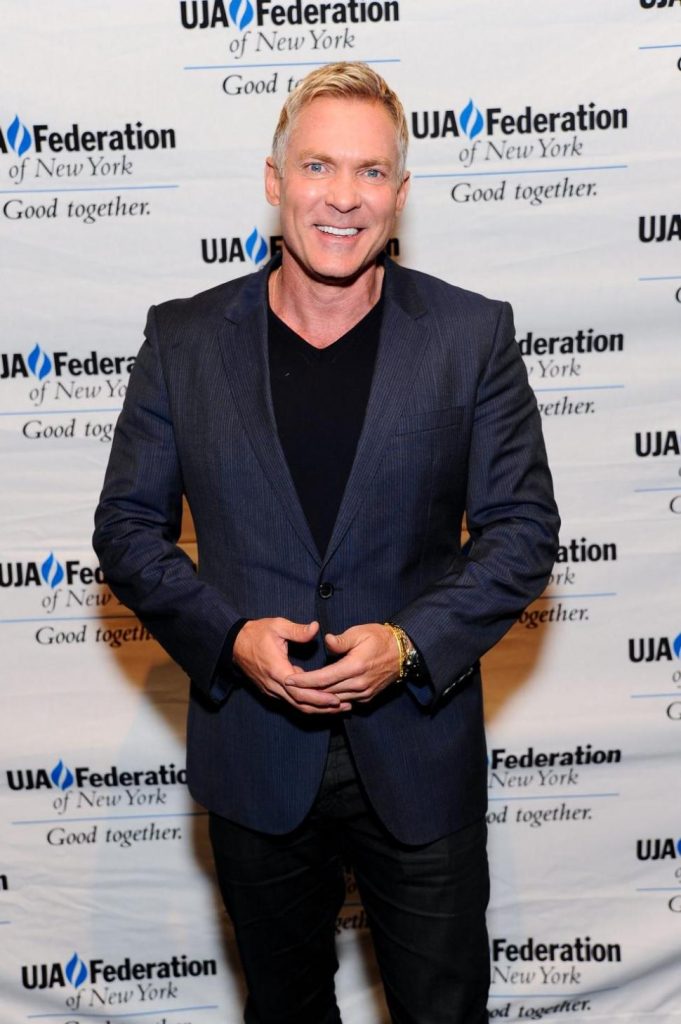
Sam Champion, His Weather Channel Show Tanking, Tried To Go Back To ABC

am Champion's tenure at the Weather Channel hasn't worked out the way he hoped it would. "He is pissed!" says a source.
am Champion’s tenure at the Weather Channel has­n’t worked out the way he hoped it would. “He is pissed!” says a source.

Sam Champion tried to return to ABC News when it became clear that his Weather Channel morn­ing show was a fail­ure, but his for­mer “Good Morning America” boss­es told him there was no room for him at the net­work any­more, sources tell Confidenti@l. “He thought he’d be show­ered with mon­ey, pow­er and pres­tige” when he ditched “GMA” at the height of its pop­u­lar­i­ty for the Weather Channel in 2013, a TV indus­try insid­er told us. “Instead, he’s been left high and dry.”

We love Sam and he’ll always be part of the ABC fam­i­ly, but we’ve got the best weath­er team in the busi­ness already in place,” said an ABC rep. The Weather Channel, which is part-owned by NBC and two large equi­ty funds — Blackstone Group and Bain Capital — has been mak­ing major changes as it seeks to cut costs in the wake of reports that the funds are try­ing to sell their stakes. Among the most vis­i­ble moves in recent days: a plan to focus more on weath­er and less on lifestyle and real­i­ty pro­gram­ming. That includes clos­ing the company’s New York City stu­dio, can­cel­ing Al Roker’s ear­ly-morn­ing show and remov­ing Champion from the low-rat­ed “AMHQ.”

Champion, who is said to be paid around $2 mil­lion a year, will now focus on prime-time weath­er report­ing and “dig­i­tal prod­ucts,” accord­ing to a Weather Channel staff memo. His final “AMHQ” tele­cast is Oct. 30. Fifty staffers will lose their jobs as a result of the changes. “He is pissed!” says a source close to Champion. According to our insid­er, “He left ‘GMA’ for this job with tons of promis­es, includ­ing get­ting a per­cent­age of mer­chan­dise sold with his name on it — umbrel­las, boots, hats, etc. None of it hap­pened.” The chan­nel very pub­licly lured him away in December 2013. “Brand Champion” was promised more mon­ey and influ­ence as well as the right to mar­ket mer­chan­dise under his own name, which his con­tract at ABC pro­hib­it­ed. “This is not true,” said a Weather Channel rep. “There is no such lan­guage (about mer­chan­dis­ing) in his contract.”

Though Champion will remain with the Weather Channel “to cre­ate reg­u­lar prime-time shows that high­light the inter­sec­tion of new tech­nolo­gies and weath­er,” accord­ing to the chan­nel, it is clear that his chance to become “the face of the net­work” — as he was promised — has passed.

They’d love to get rid of him and his big salary,” a source said, but right now they’re stuck with each oth­er. We’re also told Champion remains close to his for­mer “GMA” col­league Josh Elliott, who left ABC short­ly after Champion to work for NBC Sports. “They are both start­ing to think they were played,” a source told Confidenti@l. “NBC want­ed to destroy the ‘GMA’ fam­i­ly. They didn’t care about Sam or Josh.”

NBC and ABC have been locked in a morn­ing-show rat­ings war that saw ABC take a lead in May 2013 that it hasn’t relin­quished. NBC has nar­rowed that gap since Champion and Elliott’s depar­tures. But Elliott’s future at NBC has become uncer­tain, and he’s rarely been seen on air. Worse, he got a luke­warm endorse­ment from his boss, NBC Sports chiefMark Lazarus, in an inter­view Thursday with The Wrap. “Josh is still at this point a part of the com­pa­ny and we’re work­ing to see what kind of sched­ules can work,” Lazarus said. Asked if there was a “good chance” Elliott won’t be part of NBC in the near future, Lazarus respond­ed, “Don’t know.”

TV insid­ers not­ed there were many com­mon denom­i­na­tors between Champion and Elliott, includ­ing both being rep­re­sent­ed by pow­er agents at CAA likeOlivia Metzger and Alan Berger, who “played to Sam and Josh’s big egos” and talked both men into leav­ing “Good Morning America” for lucra­tive deals “that have since gone nowhere.” Read more here :Sam Champion, his Weather Channel show tank­ing, tried to go back to ABC

St Ann Justices Of The Peace Welcome New Cops To St Ann: Superintendent Urges Citizens To Coöperate With Police

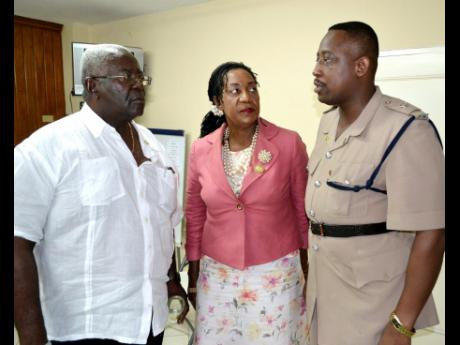
PHOTO BY CARL GILCHRIST Chairman of the St Ann Justices of the Peace Association, Pixley Irons (left) and Custos Norma Walters, pay keen attention to Superintendent Wayne Cameron, commander for St Ann, while the three discuss matters relating to policing in the parish.
PHOTO BY CARL GILCHRIST Chairman of the St Ann Justices of the Peace Association, Pixley Irons (left) and Custos Norma Walters, pay keen atten­tion to Superintendent Wayne Cameron, com­man­der for St Ann, while the three dis­cuss mat­ters relat­ing to polic­ing in the parish.

Ocho Rios, St Ann:

Faced with an increase in mur­ders in St Ann, over last year, recent­ly installed com­man­der for the parish, Superintendent Wayne Cameron, has appealed to cit­i­zens to coöper­ate with the police to reduce the mur­der rate. Speaking with The Gleaner at a wel­come recep­tion for 23 new police per­son­nel, host­ed by the St Ann Justices of the Peace Association, at the John McDowell Conference Centre at the St Ann Chamber of Commerce com­plex at Pineapple, Ocho Rios, Cameron high­light­ed three areas in which res­i­dents could assist. “I am say­ing to the cit­i­zens of the parish that, one, where they have domes­tic issues call upon the police to assist them to work­ing through it. We have had too many domes­tic sit­u­a­tions that have esca­lat­ed into mur­ders, so the police are will­ing to work with you. “Two, where you have observed that strange peo­ple are enter­ing and leav­ing your com­mu­ni­ties, call the police.

Gun Campaign

And, final­ly, we are on a get-the-gun cam­paign, so if you know where ille­gal guns are kept, or of peo­ple who are car­ry­ing ille­gal guns, please let me have the infor­ma­tion. You have my full con­fi­dence.” Turning to the new offi­cers, Cameron said where­as they have to be prop­er­ly super­vised, they are expect­ed to per­form well and main­tain a high lev­el of dis­ci­pline. “And we ask cit­i­zens of the parish to coöper­ate with us,” he urged. Meanwhile, chair­man of the asso­ci­a­tion, Pixley Irons, used the oppor­tu­ni­ty to encour­age the police. He pre­dict­ed that one of them would, one day, rise to become com­mis­sion­er of police. “We would like to get a suc­cess sto­ry from this group,” he encour­aged them. “I might not (be around to) know, but you can men­tion it in your inau­gur­al speech, if a com­mis­sion­er comes from this group.” Irons described the meet­ing as being “good”. “We decid­ed to meet with them, to intro­duce them and let them know what we expect of them; to tell them some of the con­cerns that we are hav­ing, and what we are look­ing for­ward to from them in the future.” “We hope we can do anoth­er ses­sion like this lat­er on, to guide them along Read more here :St Ann Justices Of The Peace Welcome New Cops To St Ann: Superintendent Urges Citizens To Coöperate With Police

Marco Rubio Would Risk War With Russia In Order To Enforce Safe Zone In Syria

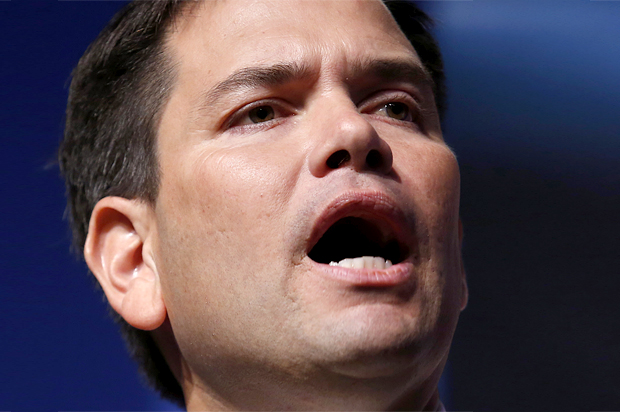
Senator Marco Rubio (R-FL)
Senator Marco Rubio (R‑FL)

WASHINGTON — Sen. Marco Rubio (R‑Fla.) would be will­ing to risk going to war with Russia in order to enforce a no-fly zone in Syria.

In a Monday inter­view with CNBC’s John Harwood, the pres­i­den­tial can­di­date argued that doing noth­ing would only embold­en ter­ror groups like the Islamic State and increase the num­ber of refugees com­ing out of Syria.

I am con­fi­dent the Air Force can enforce that,” Rubio said of a hypo­thet­i­cal safe zone in Syria. “I believe the Russians would not test that. I don’t think it’s in the Russians’ inter­est to engage in an armed con­flict with the United States.”

Asked what he would do if Russian forces decid­ed to enter the safe zone any­way, Rubio respond­ed, “Well, then you’re going to have a prob­lem. But that would be no dif­fer­ent than any oth­er adversary.”

Imposing a uni­lat­er­al no-fly zone at a time when Russian air­craft are already present in the sky over Syria would sub­stan­tial­ly increase the risk of armed con­flict, mil­i­tary experts told the Christian Science Monitor last week.

But Rubio, who serves on the Senate Foreign Relations Committee, said he was will­ing to accept the con­se­quences of armed con­flict with Russia and President Vladimir Putin because the alter­na­tive, in his view, “is worse.”

The alter­na­tive is [Syrian President Bashar] Assad will remain in pow­er but nev­er con­trol the whole of Syria again,” he said. “The alter­na­tive is the con­tin­ued growth of non-ISIS ter­ror­ist groups in addi­tion to ISIS itself.

That being said, we can­not say, well, if Putin is going to test us, we can’t do any­thing. You basi­cal­ly at that point ced­ed to him as becom­ing the most influ­en­tial geopo­lit­i­cal bro­ker in the region,” he added.

Rubio isn’t the only GOP pres­i­den­tial con­tender to voice sup­port for estab­lish­ing a no-fly zone in Syria. Former Florida Gov. Jeb Bush, for­mer Hewlett-Packard CEO Carly Fiorina, and Sen. Lindsey Graham (R‑S.C.) have done so as well.

Democratic pres­i­den­tial con­tenders are split on the mat­ter. Former Secretary of State Hillary Clinton said Friday that she sup­port­ed cre­at­ing “a no-fly zone and human­i­tar­i­an cor­ri­dors to try to stop the car­nage on the ground and from the air.” Sen. Bernie Sanders (I‑Vt.), her chief rival for the nom­i­na­tion, said he oppos­es the impo­si­tion of a no-fly zone because it could get America “deeply involved in that hor­ri­ble civ­il war and lead to a nev­er-end­ing U.S. entan­gle­ment in that region.“Story orig­i­nat­ed here: http://​www​.huff​in​g​ton​post​.com/​e​n​t​r​y​/​m​a​r​c​o​-​r​u​b​i​o​-​r​u​s​s​i​a​-​n​o​-​f​l​y​-​z​o​n​e​_​5​6​1​2​e​3​8​a​e​4​b​0​3​6​8​a​1​a​6​0​a​d06

Are We Afraid Of Britain?’ — Golding Questions Unwillingness To Negotiate Better Prison Deal

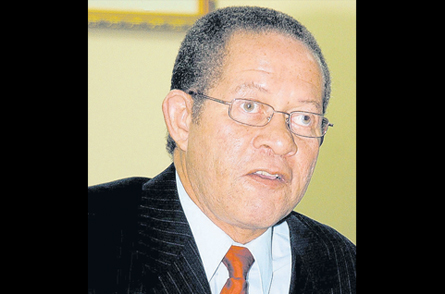
Former Prime Minister Bruce Golding

FORMER PRIME Minister Bruce Golding says he is “uncom­fort­able” with the Government’s accep­tance of pro­posed arrange­ments by British Prime Minister David Cameron for the con­struc­tion of a new prison, on terms which he says are not in Jamaica’s best interest.

Speaking dur­ing the Jamaica Labour Party’s (JLP) South West St Elizabeth Constituency Awards Banquet in Black River on Saturday night, Golding said the terms for the pris­on’s con­struc­tion in Jamaica will ulti­mate­ly place a severe strain on the coun­try’s finances.

He cau­tioned the Government against bur­den­ing the coun­try with respon­si­bil­i­ties which should be borne by Britain.

I told the British prime min­is­ter (Gordon Brown) — in 2008 I think it was — when the idea was raised, I said, ‘Prime Minister, these are your pris­on­ers, you know, not mine. Look, I can’t take that on’ … . I said, ‘If one of your peo­ple come to Jamaica and com­mit a crime and he is found guilty, we have to lock him up in our prison; we can’t put him on a plane and send him back …,” Golding said.

You mean, there is nobody in the Government who can say to the prime min­is­ter of Britain, ‘Sorry, we can’t work with that.’ Or if we gonna work it, this is how it has to work? Where is that mon­ey to come from?” he added.

Gov’t Taking On A Burden

Golding said since the £25 mil­lion in assis­tance from the United Kingdom would account for approx­i­mate­ly 40 per cent of the cost to con­struct the prison, Jamaica would have to find the remain­ing 60 per cent, as well as under­take the bur­den of hous­ing and feed­ing the pro­posed 300 pris­on­ers to be repa­tri­at­ed, as pro­posed by British Prime Minister David Cameron.

So, why can’t some­one say to Prime Minister Cameron: ‘All right, fine. We’re glad for the £25 mil­lion. Now, how much a month you going pay for the board­ing of these pris­on­ers that you send … ? Because they did­n’t com­mit no crime in Jamaica; they weren’t con­vict­ed in Jamaica. So what you are real­ly doing is you’re con­tract­ing us to man­age a prison for you, but to man­age it in Jamaica. And if they enter into that kind of con­tract, they must pay for it. You mean we so ‘fraid a dem?” he questioned.

This is a poor coun­try; we don’t have no mon­ey; we can­not fix roads. Our pris­ons are over­crowd­ed. We don’t have any emp­ty space in Tower Street or St Catherine (cor­rec­tion­al facil­i­ties). The British gov­ern­ment has more than 2,000 emp­ty cells in their pris­ons. Britain has a whole heap of mon­ey that we don’t .; Britain is a rich coun­try; we are a poor coun­try,” he continued.

He said under Cameron’s cur­rent pro­pos­al, the Government of Jamaica would have to source the funds for con­struct­ing the prison upfront and that by the time the prison is com­plet­ed, the pro­posed allo­ca­tion from the British would have already been exhausted.

That prison is not like a two-bed­room house, you know,” he said. “That (prison) going take you two and a half years to build at least. And the prime min­is­ter of Britain said he going send back dem guys here by 2020. The point I am mak­ing is that that mon­ey going have to be found fair­ly quick­ly, and I ask the ques­tion: At what expense are you going to find that money?
Read more here :Are We Afraid Of Britain?’ — Golding Questions Unwillingness To Negotiate Better Prison Deal

Crawford Out !!!

Damion Crawford
Damion Crawford

THERE were tense moments at yes­ter­day’s St Andrew East Rural can­di­date selec­tion exer­cise at the People’s National Party (PNP) head­quar­ters in St Andrew, as busi­ness­man Peter Blake defeat­ed incum­bent Member of Parliament Damion Crawford to secure the right to rep­re­sent the par­ty in the next gen­er­al election.

The selec­tion exer­cise teetered on the brink of a firestorm after it was announced by PNP Deputy General Secretary Julian Robinson that Blake polled 217 votes to Crawford’s 166, which flat-lined the young MP’s polit­i­cal career. Just over 500 del­e­gates were eli­gi­ble to vote. One bal­lot was spoilt.

Heading into yes­ter­day’s run-off, which began at 10:00 am and end­ed at 3:00pm, an embat­tled Crawford told the Jamaica Observer that he was “pret­ty con­fi­dent, hav­ing done the work”.

Our peo­ple are com­ing out ear­ly; we knew the rain was going to fall, so we had to ensure that we had the Xs in the box­es. We are con­fi­dent… I think there are more peo­ple who are sat­is­fied than dis­sat­is­fied,” he said at that time, not­ing that it was an inter­nal elec­tion and imme­di­ate­ly fol­low­ing would be the process of get­ting “all PNP” on board.

Singing to the same tune, Blake, who was the 2011 stan­dard-bear­er for the par­ty before being replaced by Crawford, said: “We feel fair­ly con­fi­dent enuh… the peo­ple are about to speak, or have spo­ken already.”

At the same time, he rub­bished rumours that the par­ty would defy the del­e­gates and replace him for the high­ly antic­i­pat­ed gen­er­al elec­tion if he emerged the win­ner, insist­ing that the par­ty would not put the con­stituen­cy through the “trau­ma of a selec­tion” and not use him.

It is being repeat­ed­ly report­ed to me by del­e­gates and con­stituents that my oppo­nent and his agent have been telling them that should I be suc­cess­ful in the upcom­ing selec­tion, that it is the inten­tion of the par­ty not to rat­i­fy me as the can­di­date,” Blake said in a let­ter to General Secretary Paul Burke.

In respond­ing to his con­cern, Burke said: “…My own opin­ion, based on your con­cerns about a neg­a­tive cam­paign being waged against you, is that they would have to be new con­cerns as the unsub­stan­ti­at­ed con­cerns of the past, I believe, could not hold any mer­it what­so­ev­er at this time.”

Orange-clad par­ty faith­ful in sup­port of Crawford con­verged just out­side the gates of the par­ty’s head­quar­ters, at times obstruct­ing traf­fic, eat­ing, drink­ing and smok­ing, while sup­port­ers of Blake stood on the oppo­site side of the road look­ing on tentatively.

Several tents set up by the MP housed sup­port­ers and mem­bers of his cam­paign team, who went through lists ensur­ing their del­e­gates had turned up to vote. In the mean­time, chal­lenger Blake, who oper­at­ed from a house on Bougainvillea Avenue in Mona, con­duct­ed a roll-call him­self before del­e­gates were trans­port­ed to the par­ty head­quar­ters where they cast their ballots.

Shortly after 3:00 pm, when Robinson announced the results, tem­pers flared as dis­grun­tled Crawford sup­port­ers became bois­ter­ous, hurl­ing objects at times and even threat­en­ing to fight.

No Crawford, no vote!” sup­port­ers of the first-time MP shouted.

East Rural St Andrew a go to Labourite since Crawford nuh get it!” one sup­port­er said, argu­ing that Crawford pro­motes edu­ca­tion and devel­op­ment of the constituents.

This man is not about hand­outs and that is why them fight­ing him. Him build road, cen­tre, and edu­cate wi. Who is this Blake? Mi nev­er see him yet,” said anoth­er Comrade.

But the major­i­ty of the del­e­gates who vot­ed showed their approval for Blake, with one insist­ing that the busi­ness­man was who he saw work­ing in the con­stituen­cy for most of Crawford’s stewardship.

Damion stand up and seh him nuh inna cur­ry goat pol­i­tics, but a nuh suh di ting guh. You can’t just change the ting suh; it’s a process,” Clifton Findley, a Blake sup­port­er said.

Him dis wi — call wi all ply-board Comrades and cur­ry goat Comrades. Him seh him naah come nuh funer­al. Well, wi naah vote fi him,” Carlene Whyte, anoth­er Blake sup­port­er, said.

Blake, after learn­ing he had tri­umphed, said: “The peo­ple have spo­ken. The peo­ple are the pow­er and the peo­ple were over on this side.”

Asked what would be his next move, Blake respond­ed: “Whole heap of work, and we’re going to win the con­stituen­cy for the People’s National Party.”

He denied that there was any form of dis­uni­ty with­in the con­stituen­cy and extend­ed an olive branch to Crawford.

Just work with me, just like how I worked with you and build the com­mu­ni­ty as one,” urged Blake.

In the mean­time, Crawford strug­gled to tem­per the reac­tion of his sup­port­ers who lev­elled accu­sa­tions of foul play against the par­ty Secretariat.

I am as sur­prised as you are. But at the end of the day, the par­ty has pro­ce­dures and we entered, so there­fore, the results we have to accept,” he said to loud boos and shouts of “no”.

I knew what I was risk­ing when I decid­ed to do what I did. I risked my career for chil­dren who I don’t even know their names. I spent $600,000 to do diag­nos­tic tests; I could have eas­i­ly done it for fer­tilis­er. So if you risk and don’t get the return, accept the risk,” the MP said to more boos from his supporters.

I was a PNP before I was a can­di­date. I will remain a PNP, even if I am not a candidate.”

He down­played talk of foul play in the selec­tion, instead stat­ing that he had every con­fi­dence in the par­ty’s sec­re­tari­at. “There were 400 del­e­gates and the major­i­ty felt that what I did was­n’t sat­is­fac­to­ry, and I will sup­port the vic­tor 100 per cent,” said Crawford.

Crawford is the last among sev­er­al PNP mem­bers of par­lia­ment who have been chal­lenged for their candidacy.

The rum­blings with­in the con­stituen­cy emerged after Crawford announced that he would not be seek­ing re-elec­tion. He admit­ted that he was not con­vinced at the time of his announce­ment that the style of pol­i­tics he brought to the con­stituen­cy would pro­pel him to vic­to­ry at the polls. He lat­er made an about-turn, say­ing that his ear­li­er announce­ment was a trick. sto­ry orig­i­nat­ed here VIDEO: PNP dis­cards Crawford

Tanzania: UN Hails Tanzania On Growth Record

Some of the tall buildings in the Tanzania. (file photo)
Some of the tall build­ings in the Tanzania. (file photo)

Tanzania and United Nations launched the 17 Sustainable Development Goals (SDGs) with the coun­try pledg­ing to trans­late the glob­al pro­grammes into its nation­al plans of action. On its part, the UN hailed Tanzania for hav­ing already trans­lat­ed the glob­al goals into the coun­try’s devel­op­ment pro­grammes. Speaking at the launch in Dar es Salaam, the UN Tanzania Resident Coördinator, Mr Alvaro Rodriguez, said that for the first time, gov­ern­ments of all coun­tries have agreed on a set of goals for every­one. “These goals will help all nations and all peo­ple share pros­per­i­ty, reduce pover­ty and pro­tect the plan­et from cli­mate change. They will address the inter­con­nect­ed ele­ments of sus­tain­able devel­op­ment, which includes eco­nom­ic growth, social inclu­sion and envi­ron­men­tal pro­tec­tion,” he noted.

A com­mis­sion­er at the President’s Planning Commission, Mr Paul Kessy, pledged the gov­ern­men­t’s readi­ness to imple­ment the 15-year goals. He not­ed that President Jakaya Kikwete and his team were in New York to endorse the glob­al goals with oth­er mem­ber states, which was an illus­tra­tion of Tanzania’s com­mit­ment to work­ing with part­ners such as the UN towards erad­i­cat­ing pover­ty. He added that this time round, strength­en­ing the means of imple­men­ta­tion and revi­tal­is­ing the glob­al part­ner­ship for sus­tain­able devel­op­ment has been accord­ed more empha­sis. A com­mis­sion­er from the Zanzibar Planning Commission, Mr Ahmed Makame, said that as he looks at the 17 SDGs, he feels proud that the coun­try has been part of the glob­al ini­tia­tive. “I feel opti­mistic that Tanzania is start­ing the road to meet the SDGs on the right foot. As we have learnt to the Millennium Development Goals, we saw how impor­tant it was to align the nation­al devel­op­ment strat­e­gy to the glob­al goals,” Mr Makame point­ed out. He added that Zanzibar was in the process of for­mu­lat­ing its nation­al devel­op­ment strat­e­gy and we have placed meet­ing the SDGs at the core of the for­mu­la­tion process,” he said. The Ambassador of Ireland to Tanzania, Ms Fionnuala Gilsenan, assured her coun­try’s sup­port for the SDGs, not­ing that the glob­al goals build on the MDGs but that they are more ambi­tious and they deal with new dimen­sions of old prob­lems. “They aim to tack­le the com­plex nature of pover­ty and inequal­i­ty. The SDGs can­not be con­tem­plat­ed in iso­la­tion from issues such as cli­mate change, gen­der equal­i­ty, human rights and tack­ling under­ling struc­tur­al inequal­i­ty,” she not­ed. Speaking on behalf of Project Everyone Partners, the CEO of Standard Chartered Bank, Ms Liz Lloyd, assert­ed the impor­tance of the pri­vate sec­tor part­ner­ing with the United Nations and the gov­ern­ment in spread­ing the mes­sage of the glob­al goals.

As a bank, we often talk about the impor­tance of being here for good. This is not just a promise but an ethos that we try to live by every day,” she said. Ms Lloyd added that the glob­al goals offer a unique chance to col­lab­o­rate with oth­er world lead­ing orga­ni­za­tions, putting into prac­tice Goal 17 which aims to revi­tal­ize the glob­al part­ner­ship for sus­tain­able devel­op­ment. The sus­tain­able devel­op­ment goals (SDGs) are a new, uni­ver­sal set of goals, tar­gets and indi­ca­tors that UN mem­ber states will be expect­ed to use to frame their agen­das and polit­i­cal poli­cies over the next 15 years. The SDGs fol­low and expand on the mil­len­ni­um devel­op­ment goals (MDGs), which were agreed by gov­ern­ments in 2001 and are due to expire at the end of this year. The SDGs are to end pover­ty in all its forms every­where; end hunger, achieve food secu­ri­ty and improved nutri­tion, and pro­mote sus­tain­able agri­cul­ture; ensure healthy lives and pro­mote well-being for all at all ages, ensure inclu­sive and equi­table qual­i­ty edu­ca­tion and pro­mote life­long learn­ing oppor­tu­ni­ties for all; and achieve gen­der equal­i­ty and empow­er all women and girls. Others are to ensure avail­abil­i­ty and sus­tain­able man­age­ment of water and san­i­ta­tion for all; ensure access to afford­able, reli­able, sus­tain­able and mod­ern ener­gy for all; pro­mote sus­tained, inclu­sive and sus­tain­able eco­nom­ic growth, and full and pro­duc­tive employment.

They fur­ther seek decent work for all; and build resilient infra­struc­ture, pro­mote inclu­sive and sus­tain­able indus­tri­al­iza­tion, and fos­ter inno­va­tion. Other goals are to reduce inequal­i­ty with­in and among coun­tries; make cities and human set­tle­ments inclu­sive, safe, resilient and sus­tain­able; ensure sus­tain­able con­sump­tion and pro­duc­tion pat­terns; take urgent action to com­bat cli­mate change and its impacts (tak­ing note of agree­ments made by the UNFCCC forum) ; and con­serve and sus­tain­ably use the oceans, seas and marine resources for sus­tain­able development.

The remain­ing SDGs are to pro­tect, restore and pro­mote sus­tain­able use of ter­res­tri­al ecosys­tems, sus­tain­ably man­age forests, com­bat deser­ti­fi­ca­tion and halt and reverse land degra­da­tion, and halt bio­di­ver­si­ty loss; and pro­mote peace­ful and inclu­sive soci­eties for sus­tain­able development.

Others are to pro­vide access to jus­tice for all and build effec­tive, account­able and inclu­sive insti­tu­tions at all lev­els; and strength­en the means of imple­men­ta­tion and revi­talise the glob­al part­ner­ship for sus­tain­able development.

David Cameron Rules Out Slavery Reparation During Jamaica Visit

The prime minister has ruled out reparation for Britain's role in the historic slave trade in the Caribbean
The prime min­is­ter has ruled out repa­ra­tion for Britain’s role in the his­toric slave trade in the Caribbean

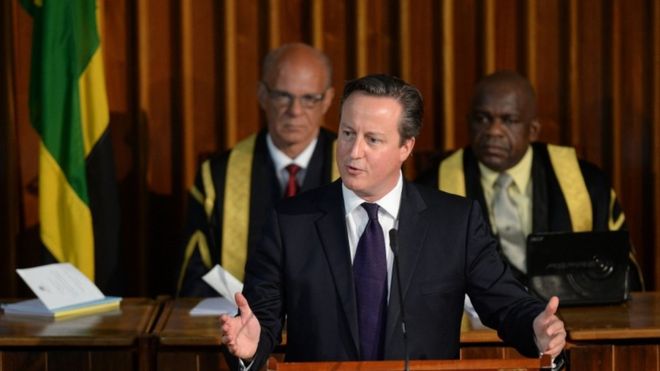
David Cameron has ruled out mak­ing repa­ra­tions for Britain’s role in the his­toric slave trade and urged Caribbean coun­tries to “move on”. The prime min­is­ter acknowl­edged that “these wounds run very deep” dur­ing his vis­it to Jamaica, where he faced calls to apol­o­gise from cam­paign­ers. He said Britain’s role in wip­ing slav­ery “off the face of our plan­et” should be remem­bered. Jamaican PM Portia Simpson Miller said she had raised the issue in talks.

Obvious sensitivities’

Addressing MPs in Jamaica’s par­lia­ment, Mr Cameron said slav­ery was “abhor­rent in all its forms”. He added: “I do hope that, as friends who have gone through so much togeth­er since those dark­est of times, we can move on from this painful lega­cy and con­tin­ue to build for the future.” Mr Cameron also announced £25m in British aid for a new Jamaican prison and a £300 mil­lion devel­op­ment pack­age for the Caribbean which will pro­vide grants for infra­struc­ture projects, includ­ing roads and bridges. He said his vis­it — the first by a British prime min­is­ter in 14 years — was to “rein­vig­o­rate” ties between the coun­tries, and that he want­ed to con­cen­trate on future rela­tions rather than cen­turies-old issues. Mrs Simpson Miller said while she was “aware of the obvi­ous sen­si­tiv­i­ties”, Jamaica was “involved in a process under the aus­pices of the Caribbean Community [Caricom] to engage the UK on the mat­ter”. During Mr Cameron’s speech, a small group of pro­test­ers with plac­ards that read “repa­ra­tions now” gath­ered out­side parliament.
_85831738_003717975-1

For more than 200 years Britain was at the heart of a lucra­tive transat­lantic trade in mil­lions of enslaved Africans. According to ship records it is esti­mat­ed about 12.5 mil­lion peo­ple were trans­port­ed as slaves from Africa to the Americas and the Caribbean — to work in often bru­tal con­di­tions on plan­ta­tions — from the 16th cen­tu­ry until the trade was banned in 1807. In 1833, Britain eman­ci­pat­ed its enslaved peo­ple and raised the equiv­a­lent of £17bn in com­pen­sa­tion mon­ey to be paid to 46,000 of Britain’s slave-own­ers for “loss of human prop­er­ty”. University College London has com­piled a data­base of those com­pen­sat­ed. Among those list­ed is General Sir James Duff, who it is claimed is a first cousin six times removed of David Cameron. He was award­ed com­pen­sa­tion worth around £3 mil­lion in today’s terms. Others who received com­pen­sa­tion include the ances­tors of nov­el­ists George Orwell and Graham Greene, as well as dis­tant rel­a­tives of Arts Council chair­man Sir Peter Bazalgette and celebri­ty chef Ainsley Harriott.


The issue of for­mer slave-own­ing nations com­pen­sat­ing for­mer colonies is a con­tentious one in the Caribbean, where nation­al com­mis­sions have cal­cu­lat­ed the sums could run into tril­lions of dol­lars. One sug­ges­tion has been that the mon­ey could be pro­vid­ed in the form of debt relief. BBC News cor­re­spon­dent Elaine Dunkley, who spe­cialis­es in African Caribbean social affairs, said: “There real­ly has been an issue with repa­ra­tion in Jamaica, we can’t say that the recep­tion there [to Mr Cameron’s vis­it] has been uni­ver­sal­ly warm. “Correcting the wrongs of the past is not only cost­ly but com­pli­cat­ed and David Cameron has said that he does­n’t feel repa­ra­tion is the way for­ward in this case.” Mrs Simpson Miller told the United Nations in 2013 there should be “an inter­na­tion­al dis­cus­sion in a non-con­fronta­tion­al man­ner” and its par­lia­ment had passed a motion back­ing repa­ra­tions. One Jamaican MP, Mike Henry, threat­ened to boy­cott Mr Cameron’s speech at the coun­try’s par­lia­ment if he did not engage on the issue.

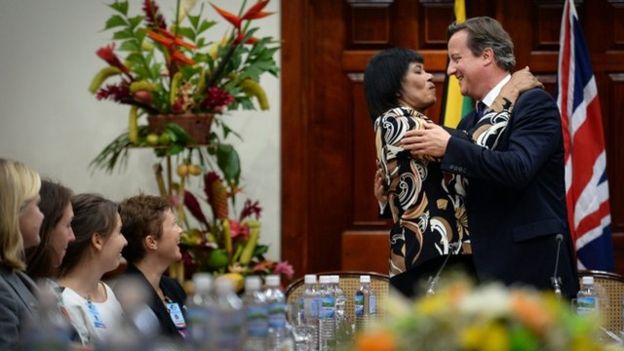
Jamaican PM Portia Simpson Miller gave Mr Cameron a warm welcome - but has raised the controversial issue of reparation
Jamaican PM Portia Simpson Miller gave Mr Cameron a warm wel­come — but has raised the con­tro­ver­sial issue of reparation

Campaigners also called on Mr Cameron to make a per­son­al apol­o­gy, say­ing one of his own ances­tors was paid com­pen­sa­tion for the loss of his slaves in 1834. Bert Samuels, a mem­ber of Jamaica’s National Commission on Reparations, told Television Jamaica “he needs to atone, to apol­o­gise per­son­al­ly and on behalf of his coun­try”. Sir Hilary Beckles, chair­man of Caricom’s repa­ra­tions com­mis­sion, wrote in an open let­ter in the Jamaica Observer that the UK must “play its part in clean­ing up this mon­u­men­tal mess of Empire”. Labour leader Jeremy Corbyn, who lived in Jamaica for two years in his youth, said that, as prime min­is­ter, he would be ready to apol­o­gise for the slave trade. Speaking at Labour’s annu­al con­fer­ence in Brighton, Mr Corbyn said it was “the most bru­tal part of our his­to­ry and the his­to­ry of Jamaica”.

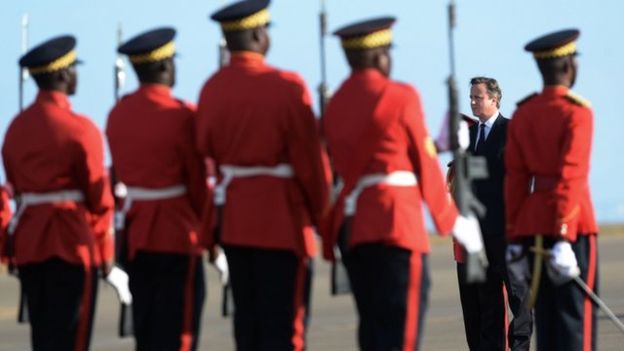
David Cameron's visit to Jamaica is the first by a British prime minister in 14 years
David Cameron’s vis­it to Jamaica is the first by a British prime min­is­ter in 14 years

During his two-day vis­it, Mr Cameron revealed the UK will spend £25m on build­ing a prison in Jamaica so that for­eign crim­i­nals in the UK can be sent home to serve sen­tences in the Caribbean. More than 600 Jamaican nation­als are in UK jails but can­not be deport­ed because of Jamaica’s poor prison con­di­tions. Officials say the for­eign aid-fund­ed deal could save tax­pay­ers £10m a year when trans­fers begin in 2020. The Howard League for Penal Reform crit­i­cised the plan, say­ing it was “the wrong use of for­eign aid” and would fail to address the real issue of over­crowd­ing in British prisons.See sto­ry here : David Cameron rules out slav­ery repa­ra­tion dur­ing Jamaica visit

Syria Crisis: Russian Air Strikes Against Assad Enemies.……

Russia has begun car­ry­ing out airstrikes in Syria against oppo­nents of President Bashar al-Assad.

The strikes report­ed­ly hit rebel-con­trolled areas of Homs and Hama provinces, caus­ing casu­al­ties. The US says it was informed an hour before they took place. Russian defence offi­cials say air­craft car­ried out about 20 mis­sions tar­get­ing Islamic State, but US offi­cials said that so far they did not appear to be tar­get­ing IS-held territory.

Syria’s civ­il war has raged for four years, with an array of armed groups fight­ing to over­throw the gov­ern­ment. The US and its allies have insist­ed that President Assad should leave office, while Russia has backed its ally remain­ing in pow­er. The upper house of the Russian par­lia­ment ear­li­er grant­ed President Vladimir Putin per­mis­sion to deploy the Russian air force in Syria.
_85840046_russian_airstrikes_syria_85837098_de16_85837100_de28-1

The Russian defence min­istry said the coun­try’s air force had tar­get­ed IS mil­i­tary equip­ment, com­mu­ni­ca­tion facil­i­ties, arms depots, ammu­ni­tion and fuel sup­plies — and did not hit civil­ian infra­struc­ture or areas nearby.

Syrian oppo­si­tion activists said Russian war­planes had hit towns includ­ing Zafaraneh, Rastan and Talbiseh, result­ing in the deaths of 36 peo­ple, a num­ber of them chil­dren. None of the areas tar­get­ed were con­trolled by IS, activists said. US Secretary of State John Kerry said the United States was pre­pared to wel­come Russian mil­i­tary action in Syria — but only as long as it was direct­ed against IS and al-Qaeda-linked groups. Speaking at the United Nations Security Council, Mr Kerry said the US would have “grave con­cerns” if Russia con­duct­ed strikes against oth­er groups. He said the US-led coali­tion against IS would “dra­mat­i­cal­ly accel­er­ate our efforts” and that the US was pre­pared to hold talks with Russia about avoid­ing acci­den­tal con­flicts between the two air strike cam­paigns “as ear­ly as possible”.

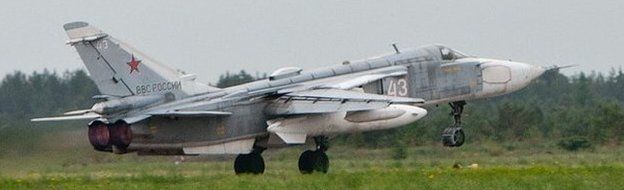
Su-24 fighter-bomber aircraft are said to have been involved in the strikes
Su-24 fight­er-bomber air­craft are said to have been involved in the strikes

Analysis: Jonathan Marcus, defence and diplomatic correspondent

Russia’s deci­sion to inter­vene with its air pow­er great­ly com­pli­cates the Syrian cri­sis while prob­a­bly offer­ing lit­tle addi­tion­al chance of a diplo­mat­ic res­o­lu­tion. Russian sources indi­cate that Sukhoi Su-24 war­planes were involved, oper­at­ing out of an air­base near Latakia. There are seri­ous ques­tions about who exact­ly the Russian air­craft are tar­get­ing. US offi­cials believe that the ini­tial Russian strikes are not in IS-held ter­ri­to­ry, rais­ing the pos­si­bil­i­ty that Russian air pow­er is being utilised more in the form of close air sup­port for Syrian gov­ern­ment forces against the mul­ti­ple ene­mies of the Assad régime. Of course, many of these ene­mies are sup­port­ed by the West’s Arab allies or Turkey. The warn­ing time giv­en by the Russians to the Americans announc­ing the start of their oper­a­tions may also raise some eye­brows, sug­gest­ing that much more detailed co-ordi­na­tion may be need­ed in future to avoid inci­dents in Syrian airspace.

In a tele­vised address, Mr Putin said the air strikes were tar­get­ing Islamist mil­i­tants — includ­ing Russian cit­i­zens — who have tak­en over large parts of Syria and Iraq. “If they [mil­i­tants] suc­ceed in Syria, they will return to their home coun­try, and they will come to Russia, too,” he said. He added that Russia was not going to send ground troops to Syria, and that its role in Syrian army oper­a­tions would be limited.

We cer­tain­ly are not going to plunge head-on into this con­flict… we will be sup­port­ing the Syrian army pure­ly in its legit­i­mate fight with ter­ror­ist groups.” Mr Putin also said he expect­ed President Assad to talk with the Syrian oppo­si­tion about a polit­i­cal set­tle­ment, but clar­i­fied that he was refer­ring to what he described as “healthy” oppo­si­tion groups. A US defence offi­cial said: “A Russian offi­cial in Baghdad this morn­ing informed US embassy per­son­nel that Russian mil­i­tary air­craft would begin fly­ing anti-Isil [IS] mis­sions today over Syria. He fur­ther request­ed that US air­craft avoid Syrian air­space dur­ing these mis­sions.” US state depart­ment spokesman John Kirby told reporters: “The US-led coali­tion will con­tin­ue to fly mis­sions over Iraq and Syria as planned and in sup­port of our inter­na­tion­al mis­sion to degrade and destroy Isil [IS].”

Syria’s civil war

_85837091_85836590

What’s the human cost?

More than 250,000 Syrians have been killed and a mil­lion injured in four-and-a-half years of armed con­flict, which began with anti-gov­ern­ment protests before esca­lat­ing into a full-scale civ­il war.

And the survivors?

More than 11 mil­lion oth­ers have been forced from their homes, four mil­lion of them abroad, as forces loy­al to President Assad and those opposed to his rule bat­tle each oth­er — as well as jihadist mil­i­tants from IS and oth­er groups. Growing num­bers of refugees are going to Europe.

How has the world reacted?

Regional and world pow­ers have also been drawn into the con­flict. Iran and Russia, along with Lebanon’s Hezbollah move­ment, are prop­ping up the Alawite-led gov­ern­ment. Turkey, Saudi Arabia and Qatar are back­ing the Sunni-dom­i­nat­ed oppo­si­tion, along with the US, UK and France.
See sto­ry here : http://​www​.bbc​.com/​n​e​w​s​/​w​o​r​l​d​-​m​i​d​d​l​e​-​e​a​s​t​-​3​4​3​9​9​164

JCF Welcomes New Chief Chaplain

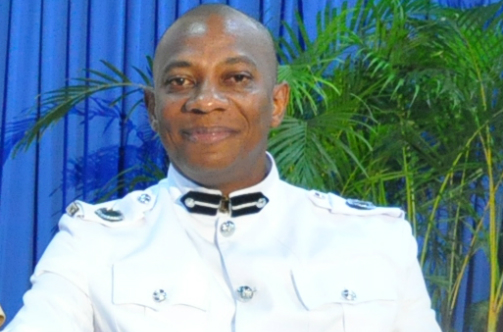
Pastor Gary Buddoo-Fletcher

MANCHESTER, Jamaica – The Jamaica Constabulary Force yes­ter­day wel­comed a new chief chap­lain at an affir­ma­tion ser­vice on the grounds of the Northern Caribbean University in Mandeville, Manchester.

He is Pastor Gary Buddoo-Fletcher, Assistant Commissioner of Police.

The new chap­lain takes over from Bishop Gary Welsh, who now heads the Community Safety and Security Branch.

According to a release from the police’s Corporate Communication Unit (CCU), Buddoo-Fletcher enrolled as a vol­un­teer Chaplain in 2012 and there­after became a cer­ti­fied mem­ber of the JCF. In 2014 he was asked to fill the posi­tion of Acting Assistant Chaplain for the Area One Division. His out­stand­ing work and ded­i­ca­tion to the force led to him being appoint­ed chief force chap­lain, the release added.

The chief chap­lain will now take up his post and serve the Force along with the eight oth­er Force Chaplains under his com­mand. “I am hon­ored to serve God, my com­mu­ni­ty and the JCF in this capac­i­ty. I will do my best to give eth­i­cal, moral and spir­i­tu­al sup­port to the men and women of the JCF and their fam­i­lies and who serve, pro­tect and reas­sure cit­i­zens of our coun­try,’’ said the ACP.
Story orig­i­nat­ed here: JCF wel­comes new chief chaplain

PUBLISHER’S NOTE.
This Article is not exact­ly clear !!!
Despite the crit­i­cal need for coun­selling of the high­est cal­i­bre for police offi­cers I do not believe that it has to be wrapped in the pack­ag­ing of an Assistant Commissioner of police.
One does not have to be a mem­ber of the Police Department to be a part of the sup­port struc­ture. There are to the best of rec­ol­lec­tion 12 Assistant Commissioners of Police . It makes sense that those ranks be made avail­able to police offi­cers who have paid their dues to aspire to.
Those few ranks ought to be pre­served for Career Police offi­cers who have toiled for years and paid their dues show­ing com­pe­ten­cy and commitment.

The JCF present­ly has a force of over 14,000 offi­cers if the num­ber of 12 assis­tant com­mis­sion­ers is still cor­rect it means that it is incred­i­bly dif­fi­cult to reach those ranks. If these posi­tions are hand­ed out as tro­phies, regard­less of the val­ue oth­ers offer to the ser­vice it does a tremen­dous dis­ser­vice to the hard work­ing peo­ple who take the risks and brave the bullets.
Daily we hear about doing things in new ways one thing I recall learn­ing is that you nev­er throw out the baby with the bath water, you don’t fix what’s not broken.
Some of the com­plaints I have heard from mem­bers of the force is dis­en­fran­chise­ment, nepo­tism, demor­al­iza­tion, and a gen­er­al lack of con­fi­dence that the Force cares about officers.
This may be evi­denced by the sui­cide rates we are wit­ness­ing in the force.
The JCF should be mind­ful that in the quest to adopt things new, sim­ply for the sake of doing so,that it does not adopt a fix which is actu­al­ly con­tribut­ing to the problem.

Lisa Prevails

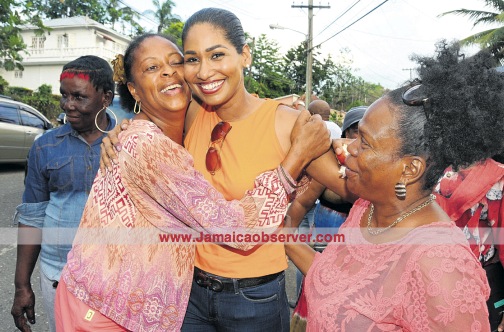
St Ann South Eastern MP Lisa Hanna (centre) is embraced by supporters after she emerged as the winner of yesterday’s People’s National Party candidate selection at Ferncourt High School in the parish. (PHOTO: MICHAEL GORDON)
St Ann South Eastern MP Lisa Hanna (cen­tre) is embraced by sup­port­ers after she emerged as the win­ner of yesterday’s People’s National Party can­di­date selec­tion at Ferncourt High School in the parish. (PHOTO: MICHAEL GORDON)

EMBATTLED Member of Parliament for St Ann South Eastern Lisa Hanna was yes­ter­day select­ed by del­e­gates to return as the rep­re­sen­ta­tive for the People’s National Party (PNP) in upcom­ing par­lia­men­tary elec­tions as the chal­lenge mount­ed to her lead­er­ship fiz­zled amidst a quar­rel over the vot­ers’ list.

Hanna, whose stew­ard­ship of the con­stituen­cy came under heavy scruti­ny in recent months, was chal­lenged by Councillor Lydia Richards (Bensonton Division).

Of the 484 del­e­gates who par­tic­i­pat­ed in the selec­tion exer­cise, 468 vot­ed for Hanna, 10 vot­ed for Richards, while six votes were spoilt. A total of 1,056 del­e­gates were eli­gi­ble to vote.

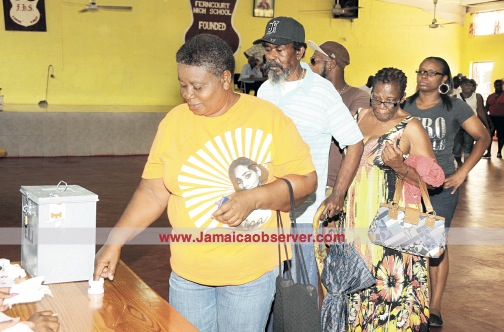
A People’s National Party delegate dips her finger in ink after casting her vote, as her colleagues await their turn.
A People’s National Party del­e­gate dips her fin­ger in ink after cast­ing her vote, as her col­leagues await their turn.

Richards, who had expressed con­cerns over the vot­ers’ list, was a no-show. She told the Jamaica Observer by phone yes­ter­day that she had indi­cat­ed to the par­ty’s Secretariat that she was not com­fort­able with the list.

There are too many inac­cu­ra­cies and I have been writ­ing to the gen­er­al sec­re­tary back and forth about this. When he gave me the list on Friday, noth­ing was changed. He did not even look into one of the things that I men­tioned,” Richards argued.

I could not con­test with that, but I’m still there. So I’m hop­ing that they will come to their sens­es and realise that you can­not move for­ward with lies,” she said.

Richards charged that, even with her con­cerns, the par­ty’s Secretariat had not con­tact­ed her, but decid­ed to move for­ward with the voting.

PNP delegates wait in line to vote yesterday.
PNP del­e­gates wait in line to vote yesterday.

I am not com­ing,” she said.

Chief among her con­cerns was the argu­ment that peo­ple were list­ed as being mem­bers of groups to which they had no knowl­edge. It was fur­ther alleged that peo­ple’s sig­na­tures were also forged to indi­cate that they were mem­bers of these groups.

The Jamaica Observer sought clar­i­ty on the mat­ter and was told by PNP Deputy General Secretary Julian Robinson that up to Saturday Richards had indi­cat­ed that she would participate.

You can­not oper­ate in a flux. Up to yes­ter­day (Saturday) Lydia indi­cat­ed that she would be par­tic­i­pat­ing, which is why there are two names on the bal­lot,” Robinson said.

I am here to con­duct a selec­tion exer­cise and that is what I am here to do today,” an obvi­ous­ly annoyed Robinson added.

Voting began prompt­ly at 10:00 am and pro­gressed steadi­ly and with­out inci­dent until three min­utes to 4 o’clock when the gates were offi­cial­ly closed.

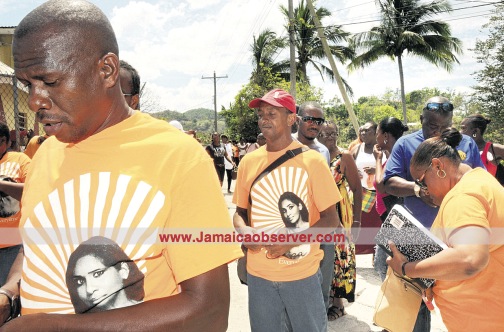
Lisa Hanna supporters are in a jubilant mood during yesterday’s selection exercise at Ferncourt High School in St Ann. (PHOTOS: MICHAEL GORDON)
Lisa Hanna sup­port­ers are in a jubi­lant mood dur­ing yesterday’s selec­tion exer­cise at Ferncourt High School in St Ann. (PHOTOS: MICHAEL GORDON)

Scores of Hanna sup­port­ers streamed into Ferncourt High School in Claremont in the parish, while there was no notice­able sup­port for the coun­cil­lor, with some Hanna sup­port­ers insist­ing that Richards was hiding.

You can’t swap black dog fi mon­key,” said Donna Thomas, a Hanna supporter.

Ah town mi come all di way from fi sup­port Lisa. Ah she fi win. She a beau­ty, and she is for young peo­ple,” said one woman who gave her name as Lilith.

Other Hanna sup­port­ers echoed sim­i­lar sen­ti­ments, insist­ing that she was doing “a good” job in the constituency.

Weh Lydia she come from? She si pow­er and want pow­er, but she haf­fi wait her turn,” anoth­er Hanna sup­port­er shouted.

Several par­ty stal­warts were also present, includ­ing vet­er­an Senator K D Knight, John Junor, Member of Parliament for St Catherine Eastern Denise Daley, Region Six Chairman Ian Hayles, for­mer trea­sur­er of the par­ty Norman Horne, and Member of Parliament for St Mary Western Joylan Silvera.

In the mean­time, Hanna, who is not enjoy­ing the sup­port of three of four coun­cil­lors, yes­ter­day told the Observer she was con­fi­dent of vic­to­ry at the polls.

Following the announce­ment, Hanna said: “I am just very grate­ful. I am thank­ful to every­one who par­tic­i­pat­ed, par­tic­u­lar­ly those group mem­bers and Comrades in South East St Ann who came out today, and [I am] thank­ing my team mem­bers and the PNP on the whole.

A relaxed-looking Lisa Hanna during yesterday’s selection exercise at Ferncourt High School.
A relaxed-look­ing Lisa Hanna dur­ing yesterday’s selec­tion exer­cise at Ferncourt High School.

It has been a very hum­bling and sober­ing expe­ri­ence, but at the same time a great expe­ri­ence. It has recon­firmed and bol­stered my love and sup­port for my peo­ple in St Ann,” Hanna said to loud chants of “Lisa, Lisa, Lisa!”

As to how the two-term mem­ber of par­lia­ment plans to address the obvi­ous divide with­in the con­stituen­cy? Hanna remains mum.

We’ll tell you a lit­tle more about that, but right now we’re just thank­ful and we’re just going to set­tle down and go and enjoy our­selves a lit­tle bit,” she told the Observer.

Hanna will now await rat­i­fi­ca­tion from the par­ty’s exec­u­tive coun­cil, which is the high­est deci­sion-mak­ing body out­side of its annu­al con­fer­ence, before she can be put for­ward as the candidate.
Story orig­i­nat­ed here :Lisa pre­vails

Justice Ministry To Renew Discussions With Police Over Improving Security For Prosecutors

Justice Minister, Senator Mark Golding is asserting that his ministry will have to redouble efforts to find a solution to meet the security needs of prosecutors, in collaboration with the police force.
Justice Minister, Senator Mark Golding is assert­ing that his min­istry will have to redou­ble efforts to find a solu­tion to meet the secu­ri­ty needs of pros­e­cu­tors, in col­lab­o­ra­tion with the police force.

Justice Minister, Senator Mark Golding, says his min­istry is to renew dis­cus­sions with the Jamaica Constabulary (JCF) aimed at improv­ing the secu­ri­ty of judi­cial offi­cers includ­ing prosecutors. 

He gave the update in a state­ment yes­ter­day in which he con­demned Wednesday’s attack on a deputy direc­tor of pub­lic pros­e­cu­tions as she arrived at the Spanish Town Courthouse in St Catherine.

Arising from the inci­dent, DPP Paula Llewellyn, called for greater secu­ri­ty to be put in place to pro­tect pros­e­cu­tors and sup­port staff.

The Justice Minister says the gov­ern­ment owes it to pros­e­cu­tors to ensure they are able to do their work with­out being exposed to unac­cept­able risks.

As a result, he said Permanent Secretary in the Justice Ministry, Carol Palmer, has been tasked to renew dis­cus­sions with the Police High Command to see what else can be done to improve security.

Palmer said the issue of secu­ri­ty for pros­e­cu­tors remains a con­cern and she will con­tin­ue dia­logue with the Police High Command in an attempt to find a last­ing solution.

Senator Golding is assert­ing that his min­istry will have to redou­ble efforts to find a solu­tion to meet the secu­ri­ty needs of pros­e­cu­tors, in col­lab­o­ra­tion with the police force.

Meanwhile, the Permanent Secretary said every effort is being made to relo­cate a num­ber of cour­t­hous­es and the Spanish Town cour­t­house is high on the list.

Palmer indi­cat­ed that the Ministry has already iden­ti­fied prop­er­ty in Central Village on the out­skirts of Spanish Town, St Catherine, for the relo­ca­tion of the Spanish Town Courthouse.

However, she says the min­istry is await­ing fund­ing to pro­ceed with the con­struc­tion of the new facility.

It is report­ed that the female Deputy DPP was in the process of remov­ing files from her car out­side the cour­t­house when a man approached and demand­ed money.

She com­plied and the man left.Story orig­i­nat­ed here :Justice Ministry To Renew Discussions With Police Over Improving Security For Prosecutors

John Boehner Was Really Bad At His Job. Now Things Are About To Get Epically Worse

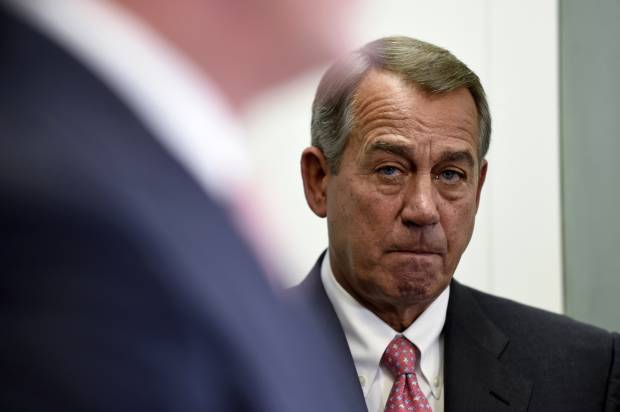
House Speaker John Boehner of Ohio listens during a news conference on Capitol Hill in Washington, Wednesday, May 13, 2015. The House debates and votes for final passage on NSA Surveillance legislation, known as the USA Freedom Act. The measure seeks to codify President Barack Obama's proposal to end the NSA's collection of domestic calling records. It would allow the agency to request certain records held by the telephone companies under a court order in terrorism investigations. (AP Photo/Susan Walsh) (Credit: AP)
House Speaker John Boehner of Ohio lis­tens dur­ing a news con­fer­ence on Capitol Hill in Washington, Wednesday, May 13, 2015. The House debates and votes for final pas­sage on NSA Surveillance leg­is­la­tion, known as the USA Freedom Act. The mea­sure seeks to cod­i­fy President Barack Obama’s pro­pos­al to end the NSA’s col­lec­tion of domes­tic call­ing records. It would allow the agency to request cer­tain records held by the tele­phone com­pa­nies under a court order in ter­ror­ism inves­ti­ga­tions. (AP Photo/​Susan Walsh) (Credit: AP)

Yesterday, House Speaker John Boehner was his usu­al weepy self as Pope Francis spoke to a joint meet­ing of Congress. Boehner, a Catholic, had invit­ed three popes to address Congress, and Francis final­ly took him up on the offer — a first in U.S. his­to­ry. So it wasn’t that sur­pris­ing to see Boehner, in the back­ground, leak­ing like a water faucet in dis­re­pair. Only now, we can see those tears in a dif­fer­ent light, as Boehner announced his stun­ning res­ig­na­tion from Congress, effec­tive at the end of October.

There’s lit­tle doubt that the prox­i­mal cause of Boehner leav­ing is the GOP’s inter­nal fight over whether to do anoth­er gov­ern­ment shut­down — this time, aimed at defund­ing Planned Parenthood, an orga­ni­za­tion that (at 45 per­cent) is cur­rent­ly viewed about three more favor­ably than Congress.
11th-CD-NoCarolina

But it’s equal­ly clear the push to oust Boehner has bub­bling for some time, though char­ac­ter­is­ti­cal­ly not with much method or dis­ci­pline. In late July, North Carolina Rep. Mark Meadows sur­prised every­one with a motion to vacate the chair, which Politico described as “an extra­or­di­nar­i­ly rare pro­ce­dur­al move that rep­re­sents the most seri­ous expres­sion of oppo­si­tion to Boehner’s speak­er­ship,” going on to note:

GOP lead­ers were tak­en com­plete­ly by sur­prise. Meadows, a sec­ond-term Republican, hadn’t even asked for a meet­ing with Boehner or oth­er top Republicans to air his gripes.

Boehner had faced a chal­lenge to his lead­er­ship before, but not in his most recent elec­tion. So the ebbs and flows of oppo­si­tion have remained rel­a­tive­ly opaque, aid­ed by a gen­er­al­ly incu­ri­ous press. Rachel Maddow rep­re­sents a dis­tinct­ly dis­cor­dant view, hav­ing repeat­ed­ly run seg­ments argu­ing that “John Boehner is bad at his job.”But it can be argued that Maddow is wrong to blame Boehner for prob­lems that are much big­ger than the office he holds, or even the GOP House caucus.

Indeed, viewed through an insti­tu­tion­al lens, Boehner’s trou­bles go back much fur­ther, encom­pass­ing the all three of his GOP pre­de­ces­sors. In 1998, Newt Gingrich resigned as Speaker, and from Congress, after the GOP lost seats in mid-term elec­tions after intense­ly pur­su­ing a Clinton impeach­ment agen­da. Just days after the elec­tion, CNN report­ed, “Faced with a brew­ing rebel­lion with­in the Republican Party over the dis­ap­point­ing midterm elec­tion, House Speaker Newt Gingrich made the stun­ning deci­sion Friday to step down not just from the speak­er­ship but also from Congress.”

Gingrich’s replace­ment, Louisiana’s Bob Livingston, resigned just over a month lat­er [video], before even tak­ing office, after his own extra-mar­i­tal affairs were revealed by Hustler pub­lish­er Larry Flynt. Amazingly, Livingston, who had been part of Gingrich’s lead­er­ship team devot­ed to hound­ing Clinton from office, said in his remarks, “I want so very much to paci­fy and cool our rag­ing tem­pers and return to an era when dif­fer­ences were con­fined to the debate, and not a per­son­al attack or assas­si­na­tion of character.”

Livingston’s delib­er­ate­ly low-key suc­ces­sor, Dennis Hastert, had some trou­bles in office, but man­aged to sur­vive with dig­ni­ty and rep­u­ta­tion rea­son­ably intact through eight years of lead­er­ship — the longest tenure ever for a Republican — until Democrats retook the House in the 2006 mid-terms. It was only this year that he was crim­i­nal­ly charged for lying to fed­er­al agents and evad­ing finan­cial report­ing require­ments, report­ed­ly as part of an attempt to con­ceal sex­u­al mis­con­duct with a minor, which in turn raised new doubts about his han­dling of sim­i­lar prob­lems in the Mark Foley affair, just pri­or to the 2006 election.

At one lev­el, this record speaks to a lack of per­son­al moral­i­ty — a key GOP hob­by horse for at least the past half cen­tu­ry, if not vir­tu­al­ly for­ev­er. But more deeply, it high­lights the inher­ent dan­gers stirred up by run­ning polit­i­cal cam­paigns as moral cru­sades, which sim­ply can­not be sus­tained as a means of gov­ern­ment in a sec­u­lar, plu­ral­is­tic sys­tem. The attempt to demo­nize Planned Parenthood as evil incar­nate involves spec­tac­u­lar lev­els of fraud and decep­tion. Such decep­tion may be sus­tain­able with­in the bub­ble of the GOP base, dri­ving the lat­est mania which appears to have exhaust­ed Boehner’s endurance, but it can­not pre­vail in the poli­ty at large, unless the élite media are ful­ly on board — as they were in attack­ing ACORN, orsell­ing the Iraq War—but not for this fight.
Story orig­i­nat­ed here : http://​www​.salon​.com/​2​0​1​5​/​0​9​/​2​5​/​j​o​h​n​_​b​o​e​h​n​e​r​_​w​a​s​_​r​e​a​l​l​y​_​b​a​d​_​a​t​_​h​i​s​_​j​o​b​_​n​o​w​_​t​h​i​n​g​s​_​a​r​e​_​a​b​o​u​t​_​t​o​_​g​e​t​_​e​p​i​c​a​l​l​y​_​w​o​r​se/

Noam Chomsky: The GOP Is A Radical Insurgency; It’s Not A Political Party

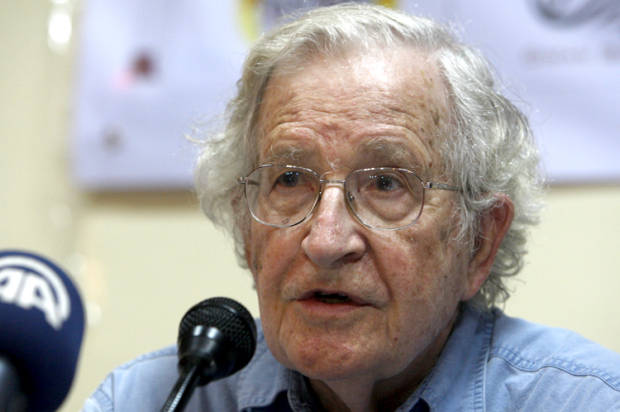
Jewish-American scholar and activist Noam Chomsky talks during his meeting with Palestinian youth activists in Gaza City, Friday, Oct. 19, 2012. Chomsky crossed from Egypt yesterday for his first visit to Gaza. (AP Photo/Adel Hana)
Jewish-American schol­ar and activist Noam Chomsky talks dur­ing his meet­ing with Palestinian youth activists in Gaza City, Friday, Oct. 19, 2012. Chomsky crossed from Egypt yes­ter­day for his first vis­it to Gaza. (AP Photo/​Adel Hana)

MIT Professor Noam Chomsky recent­ly gave his assess­ment of the Republican race for the White House with for­mer real­i­ty-TV star Donald Trump lead­ing the pack after a speech at New York’s The New School this week­end and the renowned polit­i­cal thinker sur­mised that the Grand Olé Party has become too extreme to still be con­sid­ered a legit­i­mate American polit­i­cal party.

“Republicans have just drift­ed off the spec­trum,” Chomsky declared in response to a ques­tion about what the “antics” of Trump say about American exceptionalism.

Noting the remark­ably sim­i­lar hawk­ish blus­ter against the Iran nuclear deal from sup­pos­ed­ly “seri­ous” can­di­date Jeb Bush and recent­ly depart­ed (from the cam­paign trail, not life) hope­ful Scott Walker, Chomsky said the Republican 2016 field is “off the spec­trum of not only inter­na­tion­al opin­ion, but even rel­a­tive sanity.”

I think we should rec­og­nize that the oth­er can­di­dates are not that dif­fer­ent,” from Trump, Chomsky offered. “If you take a look at — just take a look at their views. You know, they tell you their views, and they’re astonishing.”

Chomsky went on to cite a 2013 essay by con­ser­v­a­tive Norm Ornstein and Brooking’s fel­low Thomas Mann decry­ing the devo­lu­tion of the Republican Party to a “rad­i­cal insurgency”:

You can tell that even by the votes. I mean, any issue of any com­plex­i­ty is going to have some diver­si­ty of opin­ion. But when you get a unan­i­mous vote to kill the Iranian deal or the Affordable Care Act or what­ev­er the next thing may be, you know you’re not deal­ing with a polit­i­cal party.

In a recent inter­view with Indian mag­a­zine, Frontline, Chomsky iden­ti­fied the GOP’s race-bait­ing and big­ot­ed pan­der­ing to cap­ture an ever shrink­ing nativist elec­torate as the cause for why the Republican pres­i­den­tial pri­maries have become “spec­ta­cles remote from the main­stream of mod­ern society”:

It is impor­tant to bear in mind that the Republicans have long aban­doned the pre­tense of func­tion­ing as a nor­mal par­lia­men­tary par­ty. Rather, they have become a “rad­i­cal insur­gency” that scarce­ly seeks to par­tic­i­pate in nor­mal par­lia­men­tary pol­i­tics, as observed by the respect­ed con­ser­v­a­tive polit­i­cal com­men­ta­tor Norman Ornstein of the right-wing American Enterprise Institute. Since Ronald Reagan, the lead­er­ship has plunged so far into the pock­ets of the very rich and the cor­po­rate sec­tor that they can attract votes only by mobi­liz­ing sec­tors of the pop­u­la­tion that have not pre­vi­ous­ly been an orga­nized polit­i­cal force, among them extrem­ist evan­gel­i­cal Christians, now prob­a­bly the major­i­ty of Republican vot­ers; rem­nants of the for­mer slave-hold­ing States; nativists who are ter­ri­fied that “they” are tak­ing our white Christian Anglo-Saxon coun­try away from us; and oth­ers who turn the Republican pri­maries into spec­ta­cles remote from the main­stream of mod­ern soci­ety — though not the main­stream of the most pow­er­ful coun­try in world history.

Story orig­i­nat­ed here : Noam Chomsky: The GOP is a rad­i­cal insur­gency; it’s not a polit­i­cal party

Russia Moves Into Syria

Russia is shipping massive quantities of offensive weapons, materiel and soldiers to Syria
Russia is ship­ping mas­sive quan­ti­ties of offen­sive weapons, matériel and sol­diers to Syria

Russia is ship­ping mas­sive quan­ti­ties of offen­sive weapons, matériel and sol­diers to Syria.

The mas­sive Condor flights car­ry­ing all kinds of sup­plies now arrive twice a day through Iran and Iraq into Bassel Al-Assad International Airport out­side the port city of Latakia. The car­go is for Russian sol­diers, not Syrian gov­ern­ment forces, but is seen as a build-up to aid Bashar Assad’s embat­tled régime.

The defense offi­cial, briefed on the lat­est satel­lite pho­tos of the Syrian coast­line, said: “This is the largest deploy­ment of Russian forces out­side the for­mer Soviet Union since the col­lapse of the USSR.”

The only thing sur­pris­ing about this is that it took so long.

Syria has been a Russian client state since the 1970s. The rea­son for its orig­i­nal alliance with Soviet Russia is obvi­ous enough. The Arab Socialist Baath Party was a nat­ur­al ally of the Union of Soviet Socialist Republics. Syria’s take on sec­u­lar­ism and social­ism isn’t as severe as Soviet Russia’s, but Syria was ide­o­log­i­cal­ly much clos­er to Russia than to, say, Sweden. That was for damn sure.

And Russia want­ed prox­ies and influ­ence wher­ev­er it could get them even if the ide­o­log­i­cal over­lap was just par­tial. It still does. All great pow­ers and aspir­ing great pow­ers and used-to-be great pow­ers are inter­est­ed in prox­ies and influ­ence wher­ev­er they can get them.

Russia has what is some­times referred to as its only Mediterranean naval base in Syria’s medi­um-sized city of Tartus, but it’s not much more than a gas sta­tion and repair shop. Russia’s big war­ships won’t even fit there. It’s not par­tic­u­lar­ly impor­tant. What mat­ters far more to Russia is its influ­ence in the world, which is still dras­ti­cal­ly down from the great and ter­ri­ble days of the Soviet Union.

Syria’s Bashar al-Assad, of course, wants all the help he can get at this late date. He has been get­ting it from Iran and Hezbollah all along, and from Russia at least diplo­mat­i­cal­ly. He’d cer­tain­ly take help from the United States at this point. He want­ed help from the United States at the very begin­ning. That’s why he char­ac­ter­ized the upheaval in Syria as a war against ter­ror­ism long before a sin­gle ISIS or Nusra fight­er fired a shot, back when it was just him against unarmed pro­test­ers demand­ing some kind of polit­i­cal reform.

Assad might even take help from the Israelis at this point. Not that the Israelis would lift a fin­ger to assist Hezbollah’s co-patron and co-armor­er. That won’t hap­pen under any circumstances.

So here comes dad­dy Russia, rid­ing to the res­cue of its old total­i­tar­i­an client.

Maybe the Russians will go ahead and smash ISIS. Maybe they’ll do the dirty work that has the West so fatigued. Maybe they’ll do every­body a favor.

The result won’t be pret­ty, how­ev­er. Soviet Russia did every­body a favor when it smashed through the east­ern front of Hitler’s Nazi régime, but Poland sure paid the price. As did a lot of oth­er coun­tries in Europe.

The Wall Street Journal isn’t hap­py about this at all.

For 70 years American Presidents from both par­ties have sought to thwart Russian influ­ence in the Middle East. Harry Truman forced the Red Army to with­draw from north­ern Iran in 1946. Richard Nixon raised a nuclear alert to deter Moscow from resup­ply­ing its Arab clients dur­ing the Yom Kippur War in 1973. Even Jimmy Carter threat­ened mil­i­tary force to pro­tect the Persian Gulf after the 1979 Soviet inva­sion of Afghanistan.

America wasn’t quite as burned out then.

We’re all tired of try­ing to fix a part of the world that refused to be fixed, but nature abhors a vacuum.
Story orig­i­nat­ed here: Russia moves into syria

10 Guns Seized, 8 Arrested In 24 Hours – Police

(file photo)
(file pho­to)

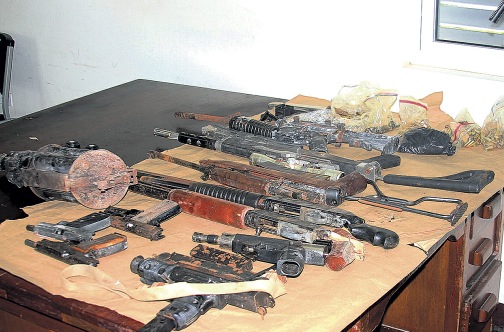
KINGSTON, Jamaica – Police offi­cers con­tin­ue to strength­en their oper­a­tional capa­bil­i­ties under the ‘Get the Guns’ cam­paign, which has led to the seizure of 10 firearms, 159 rounds of ammu­ni­tion and the arrest of eight peo­ple in the last 24 hours.

Police attached to the Hope Bay sta­tion have report­ed that at about 5:00 pm on Tuesday, an oper­a­tion was car­ried out at premis­es in Shrewsbury dis­trict, Portland, which result­ed in the seizure of a 12-gauge Remington shot­gun. No one was arrest­ed in con­nec­tion with the find.

In Westmoreland, about 5:30 pm, law­men in Cornwall Mountain seized a Smith and Wesson 9mm pis­tol and 31 rounds of ammu­ni­tion dur­ing an oper­a­tion, while a shot­gun was seized in Wedderburn dis­trict, Bethel Town, after law­men respond­ed to a dis­pute. One man was arrest­ed in con­nec­tion with the find in Cornwall Mountain.

On Wednesday, offi­cers in the Green Island area of Hanover car­ried out a tar­get­ed oper­a­tion in River Head Road, Logwood between 4:30 am and 8:30 am. During this oper­a­tion, a Mossberg 12-gauge shot­gun, a Taurus 9mm pis­tol and 90 assort­ed rounds of ammu­ni­tion were seized.

Five males along with a female were sub­se­quent­ly tak­en into custody.

Then an oper­a­tion was con­duct­ed in Salt Spring, St James, which led to the seizure of two Browning 9mm pis­tols, one Arcus 9mm pis­tol, three mag­a­zines, 14 9mm rounds, and a note­book con­tain­ing iden­ti­ty infor­ma­tion of peo­ple liv­ing in the United States of America.

One man was tak­en into cus­tody in con­nec­tion with that find.

Over in Trelawny, law­men con­tin­ued to make head­way in remov­ing ille­gal weapons from our streets, with the seizure of two Astra 9mm pis­tols and 24 9mm rounds while on oper­a­tion in Litchfield.

The Jamaica Constabulary Force (JCF) has renewed their appeal to cit­i­zens to col­lab­o­rate with the police on the ‘Get the Guns’ ini­tia­tive, which is geared towards remov­ing ille­gal weapons from the hands of crim­i­nals in Jamaica.

The JCF said that rewards will be offered to peo­ple who pro­vide infor­ma­tion that lead to the seizure of ille­gal guns and ammunition.

The pub­lic is also being asked to call Crime Stop at 311 or 811, police 119 emer­gency num­ber or the near­est police sta­tion to report ille­gal activ­i­ties in their com­mu­ni­ties. The police say cit­i­zens may also sub­mit tips and infor­ma­tion using the Stay Alert App from Google play store. Story orig­i­nat­ed here: 10 guns seized, 8 arrest­ed in 24 hours – Police

Spirit Of ‘Africa’s Che Guevara’ Found In Burkina Faso Uprising

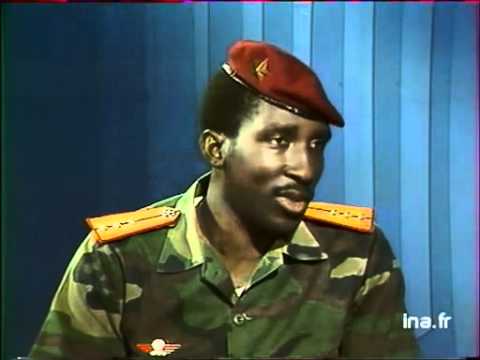
 Thomas Sankara
Thomas Sankara

OUGADOUGOU, Burkina Faso — In the ear­ly hours of a night in 1987, one of Africa’s youngest lead­ers, Thomas Sankara, was mur­dered and qui­et­ly and quick­ly buried in a shal­low grave.

Now, the man wide­ly believed to be behind it, Burkina Faso’s pres­i­dent, has watched as his par­lia­ment was set ablaze by furi­ous pro­test­ers who want him gone.

Many of the pro­test­ers say the his­to­ry of the slain 1980s leader part­ly inspired them to rise against Blaise Compaore, who has been in pow­er for 27 years and was try­ing, by a vote in par­lia­ment, for anoth­er five.

Though some see Sankara as an auto­crat who came to office by the pow­er of the gun, and who ignored basic human rights in pur­suit of his ideals, in recent years he has been cit­ed as a rev­o­lu­tion­ary inspi­ra­tion not only in Burkina Faso but in oth­er coun­tries across Africa.

In the weeks before the cur­rent chaos, Al Jazeera spoke to peo­ple in the cap­i­tal, Ouagadougou, and found many who pre­dict­ed that Sankara’s mem­o­ry, and Compaore’s attempt to seek anoth­er five-year term, may soon spark an uprising.

Thumbnail image for Burkina Faso's president resigns amid wave of violent unrest

Burkina Faso’s president resigns amid wave of violent unrest

Statement comes just hours after Blaise Compaore had seem­ing­ly vowed to stay in pow­er as head of tran­si­tion­al government.

At the time of his assas­si­na­tion Sankara was just 37 and had ruled for only four years.

But his poli­cies and vision are still cher­ished both by some locals who were around when he was in pow­er and, sig­nif­i­cant­ly, by many young peo­ple who were born since his death.

His killing was the the fifth coup since the nation won inde­pen­dence from France and the main ben­e­fi­cia­ry was Compaore, who quick­ly took his place.

Until that night, the two had often been referred to as best friends.

Although there is less pover­ty now than back then, a grow­ing num­ber of Burkinabés had, in recent years, start­ed to feel that Sankara’s nation­al­iza­tion poli­cies may have made the per­pet­u­al­ly arid nation a more pros­per­ous and self-reliant place than it is today.

Sankara want­ed a thriv­ing Burkina Faso, rely­ing on local human and nat­ur­al resources as opposed to for­eign aid,” said retired pro­fes­sor of eco­nom­ics, Noël Nébié.

And start­ing with agri­cul­ture, which rep­re­sents more than 32 per cent of the coun­try’s GDP and employs 80 per­cent of the work­ing pop­u­la­tion, he smashed the eco­nom­ic élite who con­trolled most of the arable land and grant­ed access to sub­sis­tence farm­ers. That improved pro­duc­tion mak­ing the coun­try almost self-sufficient.”

Naming a nation

Initially known as the Republic of Upper Volta, after the riv­er, in 1984 Sankara changed the coun­try’s name to Burkina Faso, mean­ing Land of the Upright People, and he soon made that name the sym­bol of his nation­al­iza­tion crusade.

Some say the fact he authored his nation’s name has kept his mem­o­ry alive.

When you wake up in the morn­ing and you remem­ber you are a Burkinabe, you auto­mat­i­cal­ly recall the per­son who thought up that local name and stamped it on us,” said Ishmael Kaboré, a 47-year-old lawyer in Ouagadougou.

At first, peo­ple felt the name Burkina Faso was odd, awk­ward and far from the mod­ern and for­eign names oth­er coun­tries were bear­ing in Africa.

But they real­ized after his death that Sankara want­ed to give us a unique and spe­cial iden­ti­ty that tells our his­to­ry and depicts our character.”

Sankara was a deter­mined pan-Africanist, whose for­eign poli­cies were large­ly cen­tered on anti-impe­ri­al­ism. His gov­ern­ment spurned for­eign aid and tried to stamp out the influ­ence of the International Monetary Fund and the World Bank in the coun­try by adopt­ing debt reduc­tion poli­cies and nation­al­iz­ing all land and min­er­al wealth.

Self-suf­fi­cien­cy and land reform poli­cies were designed to fight famine, a nation­wide lit­er­a­cy cam­paign was launched, and fam­i­lies were ordered to have their chil­dren vaccinated.

Some fam­i­lies used to keep their chil­dren in hid­ing on the arrival of vac­ci­na­tors for reli­gious or rit­u­al rea­sons, and that prac­tice was sab­o­tag­ing our efforts,” said Fatoumata Koulibaly, assis­tant cam­paign direc­tor at the coun­try’s health min­istry under Sankara.

But when Sankara came he took a strong stand against it, which helped in the vac­ci­na­tion of close to three mil­lion chil­dren against menin­gi­tis, yel­low fever and measles, etc.”

Vaccination has been com­mon prac­tice in Burkina Faso since then, she said.

Anger bubbles up

Sankara was often referred to as “Africa’s Che Guevara” because he reg­u­lar­ly quot­ed, and said he drew inspi­ra­tion from, the world famous rev­o­lu­tion­ary leader. Sankara was also a good friend of for­mer Ghanaian pres­i­dent, and fel­low rev­o­lu­tion­ary, Jerry Rawlings.

Even for his most ardent of sup­port­ers it is impos­si­ble to know whether, if Sankara had not been killed, life would have been bet­ter, and some argue that it would not have.

But many peo­ple told Al Jazeera they believed things would be bet­ter today if he was still alive, and that sen­ti­ment is part­ly respon­si­ble for Thursday’s events.

Young peo­ple who were not alive dur­ing Sankara’s admin­is­tra­tion are begin­ning to look back more at that peri­od because some­thing is wrong in the coun­try today,” 23-year-old University of Ouagadougou stu­dent, Ibrahim Sanogo, said.

Sankara was not just fight­ing impe­ri­al­ism for the sake of pol­i­tics but he want­ed the Burkinabe peo­ple to devel­op them­selves and their land and rely essen­tial­ly on them­selves instead of the West.

Today, all the young grad­u­ates are dream­ing to trav­el abroad to do odd jobs because of lack of employ­ment oppor­tu­ni­ties here.”

Compaore, though, has had some suc­cess. The min­ing indus­try has seen a boost in recent years, with the cop­per, iron and man­ganese mar­kets all improv­ing. Gold pro­duc­tion shot up by 32 per­cent in 2011 at six sites, accord­ing to fig­ures from the mines min­istry, mak­ing Burkina Faso the fourth-largest gold pro­duc­er in Africa.

Growth is run­ning at sev­en per­cent. But per capi­ta income stands at just $790, and local peo­ple say the stan­dard of liv­ing is very poor for most. Corruption and elit­ism are a prob­lem, they say, with any wealth only in the hands of the few.

Those World Bank and IMF fig­ures are seen only on paper and not in the pock­ets of the Burkinabes,” said Seydou Yabré, an inde­pen­dent rur­al devel­op­ment expert.

Only very few peo­ple are enjoy­ing the wealth of the coun­try. If you vis­it homes, or trav­el to the hin­ter­lands, you will expe­ri­ence an appalling lev­el of poverty.”

Eerie prediction

Perhaps Sankara’s anti-cor­rup­tion cam­paign and exem­plary mod­est lifestyle could have forced wealth to trick­le down if he had been left alive to lead, Yabré thought.

Sankara was Africa’s most down-to-earth pres­i­dent then. He lived in a small, mod­est house, rode a bicy­cle and had $350 in his account at the time of his death,” Yabré said.

He was also con­test­ed with­in his inner cir­cle because he nev­er want­ed his army col­leagues to embez­zle pub­lic funds and lead a flam­boy­ant lifestyle.”

Famously — and eeri­ly — just a week before his death, per­haps sens­ing what was to come, Sankara said: “While rev­o­lu­tion­ar­ies as indi­vid­u­als can be mur­dered, you can­not kill ideas.”

Burkina Faso’s progress over the past 20 years was large­ly due to its sta­bil­i­ty, many observers say, but, as was made clear when a crowd of the coun­try’s peo­ple con­verged on the par­lia­ment intent on destruc­tion, an anger left to fes­ter can take that away in an instant.

Sankara had many ene­mies because he wrest­ed priv­i­leges from loot­ers in favour of the poor,” Yabré said. “Maybe he did this too rad­i­cal­ly and with­in too short a time.”
Read more here.Spirit of ‘Africa’s Che Guevara’ found in Burkina Faso uprising

Burkina President Says He’s Back In Charge

Gen. Gilbert Diendere says he is willing to negotiate but is waiting outcome of summit of West African regional leaders
Gen. Gilbert Diendere says he is will­ing to nego­ti­ate but is wait­ing out­come of sum­mit of West African region­al leaders

Burkina Faso inter­im pres­i­dent Michel Kafando, who was tak­en hostage dur­ing a coup last week, said on Wednesday he was back in pow­er and had restored a civil­ian tran­si­tion­al gov­ern­ment. However, it was unclear who was real­ly in charge after the rebellion’s leader attend­ed a state function.

I have returned to work,” Kafando told jour­nal­ists at the for­eign min­istry in Ouagadougou.“The tran­si­tion is back and at this very minute is exer­cis­ing the pow­er of the state.”

At about the same time, around 3 miles away, coup leader General Gilbert Diendere appeared at the air­port, backed by a con­tin­gent of his pres­i­den­tial guard, to wel­come region­al lead­ers arriv­ing to try to nego­ti­ate an end to the crisis.

Burkina Faso’s mil­i­tary stepped up pres­sure on Diendere and his sol­diers in recent days to cede pow­er, threat­en­ing to dis­arm them by force if nec­es­sary. It said it had reached an agree­ment with mem­bers of Diendere’s force overnight.

While troops loy­al to the gov­ern­ment were not vis­i­ble on the streets of Ouagadougou Wednesday, pres­i­den­tial guard sol­diers back­ing Diendere main­tained their posi­tions at the nation­al tele­vi­sion head­quar­ters, despite the deal that required them to be con­fined to bar­racks to avoid clashes.

The head of pro­to­col for the pres­i­den­cy, present at the air­port, told Reuters that an offi­cial cer­e­mo­ny dur­ing which pow­er would be hand­ed back to the tran­si­tion­al author­i­ties was sched­uled for lat­er on Wednesday. Until then, he said Diendere would remain in charge.

Leaders from Nigeria, Senegal, Niger, Togo, Benin and Ghana were due to arrive, under­lin­ing region­al con­cern for a coun­try that was less that a month away from Oct. 11 elec­tions when the rebelling sol­diers raid­ed the cabinet.

They were due to meet the coup lead­ers and tran­si­tion­al author­i­ties to nego­ti­ate a final set­tle­ment to restore the civil­ian government.

One by one, Diendere extend­ed a full state wel­come to each arriv­ing leader, greet­ing them on a red car­pet and stand­ing beside them as a mil­i­tary band played their nation­al anthems.

The October elec­tion was meant to restore Burkina Faso to democ­ra­cy after last year’s over­throw of long­time ruler Blaise Compaore by massed crowds protest­ing against his plans to extend his rule.

Diendere is the for­mer spy chief and right-hand man of Compaore.

Compaore’s over­throw had made Burkina Faso a bea­con for demo­c­ra­t­ic aspi­ra­tions in Africa, where vet­er­an rulers in coun­tries from Rwanda to Congo Republic are seek­ing to scrap con­sti­tu­tion­al term limits.:Read more here :Burkina pres­i­dent says he’s back in charge

Cowardly Brutality Exposed: The Viral Video That Should Change The Israel/​Palestine Debate Forever

YouTube player

It’s no won­der that this video clip went viral ear­li­er this month. It shows a masked Israeli sol­dier throw­ing a sob­bing Palestinian child to the ground, hold­ing him in a head­lock, squash­ing him, and then grap­pling with an assort­ment of women and girls as he tries — and ulti­mate­ly fails — to wrest the ter­ri­fied boy away from his mother.

Those few moments of footage revealed for all the world to see the sor­did real­i­ty of Israel’s every­day war against the Palestinian peo­ple. An army that is equipped and osten­si­bly pre­pared to take on oth­er armies — but that was last test­ed against a real army over four decades ago — con­tin­ues to be unleashed against a large­ly defense­less civil­ian pop­u­la­tion. And it con­tin­ues to fail abysmal­ly at its assigned task of bring­ing that pop­u­la­tion under con­trol and break­ing its will to resist. Indeed, in polit­i­cal terms, the end­ing of the video is as instruc­tive as the begin­ning: as the child is final­ly freed, the Israeli sol­dier, stripped of his coward’s face­mask, is forced igno­min­ious­ly to slink away, defeat­ed — though not before sul­len­ly and gra­tu­itous­ly fling­ing a part­ing stun-grenade into the faces of the child and his fam­i­ly, hav­ing, for all his bru­tal­i­ty, accom­plished pre­cise­ly nothing.

The scene sums up on a small scale the past decades of Israeli vio­lence, and it cap­tures the les­son that the Israelis seem inca­pable of get­ting into their heads once and for all: that the sheer capac­i­ty for brute force — at which they admit­ted­ly excel — does not, in itself, trans­late into polit­i­cal gain, and can, indeed, back­fire polit­i­cal­ly to pro­duce the oppo­site result from what was intend­ed: courage instead of fear; stead­fast­ness instead of col­lapse; defi­ance instead of submission.

One would have thought that the video would have occa­sioned some cir­cum­spec­tion, or at least awk­ward silence, among Israelis and what remains of their rapid­ly thin­ning fan club in the U.S., but no — of course not. Israel’s min­is­ter of cul­ture took to the media to declare that the army’s open-fire reg­u­la­tions ought to be changed to offi­cial­ly per­mit shoot­ing unarmed Palestinians in order “to put an end to the humil­i­a­tion.” Better, then, for the sol­dier to have gunned the fam­i­ly down in cold blood than to have failed to snatch their 12-year-old. Such are the choic­es to which Israel now finds itself reduced.

Meanwhile, the usu­al sus­pects on lone­ly late-night blogs and scarce­ly read third- and fourth-rate web­sites tried to recu­per­ate the tat­tered rem­nants of Israel’s dig­ni­ty by trot­ting out their cus­tom­ary clum­sy attempts at char­ac­ter assas­si­na­tion, in this case accus­ing the child’s father, Bassem Tamimi — a com­mu­ni­ty orga­niz­er at the fore­front of Nabi Saleh’s week­ly demon­stra­tions — of run­ning a “mas­ter­class” on polit­i­cal manip­u­la­tion and even a “media empire.” How, they ask in feigned shock, could a father put his chil­dren at such risk? (Note that they are, as always, more inter­est­ed in the rep­re­sen­ta­tion than in the real­i­ty, about which they have noth­ing to say.)

The answer, of course, is that Bassem did not choose the risk; the risk came to him and to his fam­i­ly. They did not choose to live under occu­pa­tion; the occu­pa­tion was imposed on them. They did not choose to have their vil­lage, Nabi Saleh in the West Bank, encir­cled by Jewish colonies implant­ed there in defi­ance of inter­na­tion­al law. They did not choose to lose more than half of their village’s land to decades of fur­ther ille­gal land-grabs by those colonies in pur­suit of a naked­ly racist project of colo­nial appro­pri­a­tion. They did not choose to be sur­round­ed by heav­i­ly armed for­eign fan­ta­sists who, claim­ing to be in direct com­mu­ni­ca­tion with their god, reg­u­lar­ly wreak hav­oc on Palestinian lives. They did not choose to be encir­cled and cut off from the world by a net­work of ditch­es, gates, walls, road­blocks and check­points manned by the Israeli army in order to pro­tect the very same fan­ta­sists who steal their land, defile their water wells and burn their olive groves to the ground.

I asked Bassem Tamimi about the choic­es that he felt were avail­able to him and his fam­i­ly. He summed it up very sim­ply: When you live under this kind of trans-gen­er­a­tional mil­i­tary occu­pa­tion, he said, the only choice you have is whether to sub­mit to the occu­pa­tion, yield­ing to it your land, your home, your lib­er­ty, your con­science — or to refuse its arbi­trary dic­tates, its end­less lita­nies of thou-shalt-nots, and to resist it by what­ev­er means are avail­able to you. Like the over­whelm­ing major­i­ty of Palestinians, Bassem and his fel­low vil­lagers choose to resist non­vi­o­lent­ly, by protest­ing and by doc­u­ment­ing the nature of their every­day lives to a world that is final­ly begin­ning to sit up and pay atten­tion on a large scale (as the viral spread of this video demon­strates). And above all by per­sist­ing, refus­ing to give up and dis­ap­pear into the obliv­ion of cold anony­mous silence to which the Israelis would con­sign the entire Palestinian peo­ple as they go on col­o­niz­ing their land.

As for chil­dren, not only does the occu­pa­tion not spare them, it tar­gets them direct­ly on a dai­ly basis: if not at protest march­es then at check­points; if not at check­points then at school; if not at school then in their beds at home. And so they too, Bassem points out, have to learn to be strong, or be rolled over by the occu­pa­tion before they are even able to walk.

Clearly, indeed, this isn’t just about Bassem and his fam­i­ly. Throughout the occu­pied ter­ri­to­ries, Israel’s war on the Palestinians has inevitably meant a war on Palestinian chil­dren. Sometimes this takes the form of out­right vio­lence, as in last summer’s assault on Gaza, when, through its utter­ly indis­crim­i­nate bom­bard­ment of dense­ly packed neigh­bor­hoods, Israel killed 2,205 Palestinians, the vast major­i­ty of them civil­ians, among them 521 chil­dren. Such episodes of out­right vio­lence are not the norm, how­ev­er, and Israel’s war pri­mar­i­ly takes the form of its sys­tem­at­ic occu­pa­tion and suf­fo­ca­tion of every­day life — its impo­si­tion of an array of rules, per­mits, cur­fews, road­blocks, check­points, walls, tun­nels and gates hem­ming in and par­a­lyz­ing the Palestinian pop­u­la­tion in order to facil­i­tate the growth and devel­op­ment of Jewish colonies in the West Bank and East Jerusalem. Accompanying this rigid array of pro­hi­bi­tions and restric­tions are mid­night raids into Palestinian towns — the Israeli army burst­ing into fam­i­ly homes in the mid­dle of the night and snatch­ing sleep­ing peo­ple from their beds. According to the United Nations Office for the Coördination of Humanitarian Affairs (UN OCHA), the Israeli army con­ducts an aver­age of 79 such raids a week: 11 each night.
Read more here :Cowardly bru­tal­i­ty exposed: The viral video that should change the Israel/​Palestine debate forever