What Really Happened During The Manley Era..

YouTube player

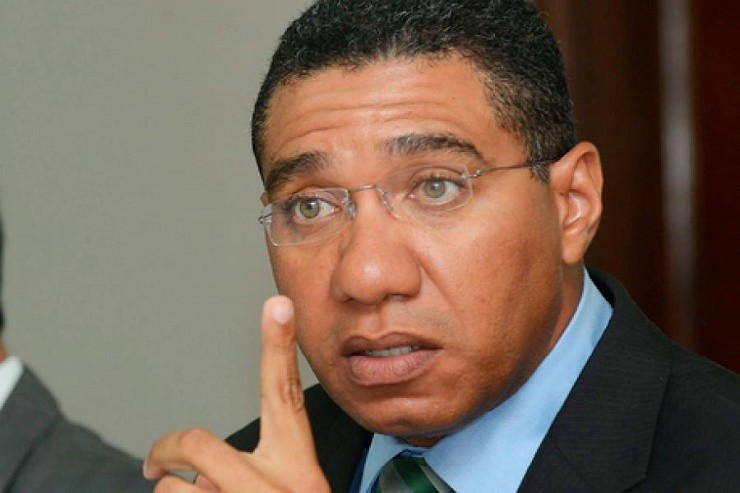
Michael Manley served as the Prime Minister of Jamaica, imple­ment­ing poli­cies that had a pro­found impact on the coun­try’s econ­o­my, pol­i­tics, and soci­ety. In this video, we’ll exam­ine the key deci­sions and actions tak­en by Manley’s gov­ern­ment, includ­ing his social­ist ide­ol­o­gy, his rela­tion­ship with Cuba, and his efforts to reduce Jamaica’s depen­dence on for­eign cap­i­tal. We’ll also dis­cuss his chal­lenges, such as high unem­ploy­ment, infla­tion, and social unrest. Whether you’re a his­to­ry buff, a pol­i­tics enthu­si­ast, or sim­ply inter­est­ed in learn­ing more about Jamaica’s past, this video is for you. So sit back, relax, and let’s explore what hap­pened dur­ing the Michael Manley era.

Jamaica’s Future At Stake: The 2025 Election Showdown

YouTube player

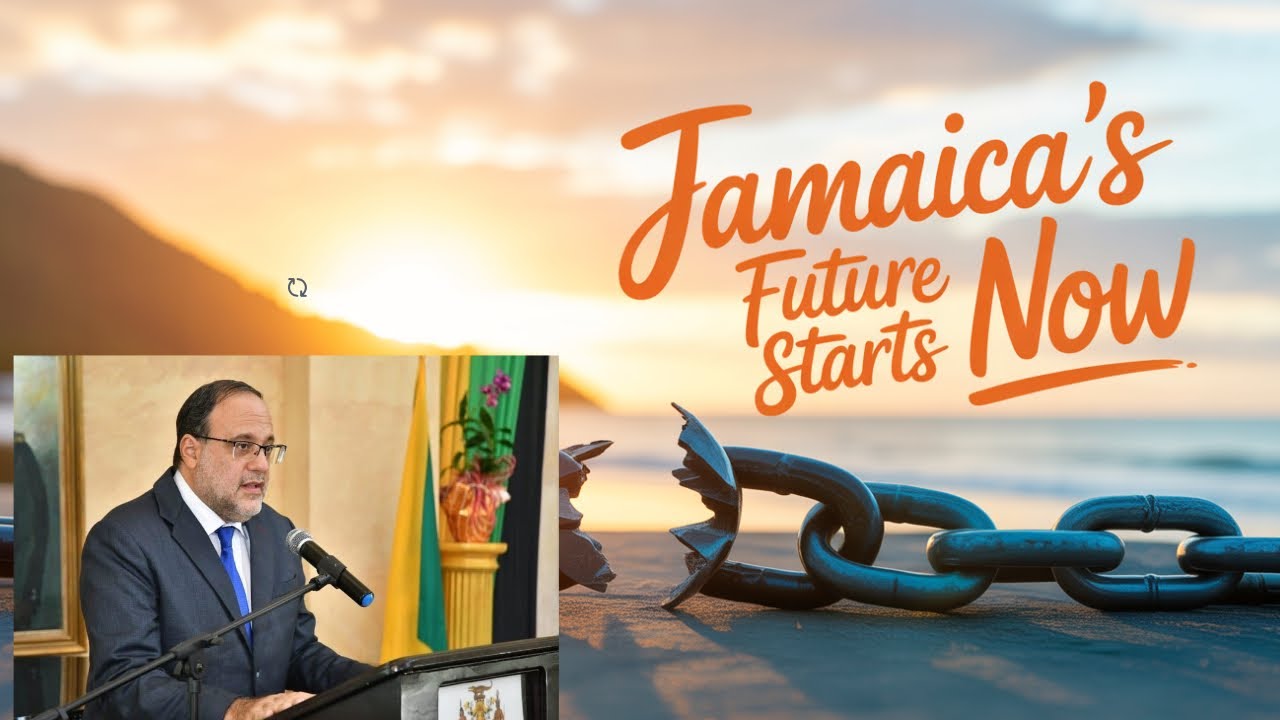
Jamaica’s future hangs in the bal­ance as the 2025 elec­tion show­down approach­es, with the stakes high­er than ever. This video exam­ines the crit­i­cal issues shap­ing Jamaica’s polit­i­cal land­scape, focus­ing on the gov­er­nance of the Jamaica Labour Party (JLP) over two terms and the con­trast­ing posi­tions of the People’s National Party (PNP). From eco­nom­ic progress and infra­struc­ture devel­op­ment to the ongo­ing cri­sis of vio­lent crime and cor­rup­tion scan­dals, we explore the suc­cess­es and fail­ures that will influ­ence vot­ers’ decisions.

The dis­cus­sion delves into the JLP’s efforts in reduc­ing debt, fos­ter­ing eco­nom­ic growth, and devel­op­ing pub­lic ser­vice sys­tems, while address­ing per­sis­tent chal­lenges such as high crime rates and envi­ron­men­tal con­cerns. On the oth­er side, the PNP’s oppo­si­tion to stricter penal­ties for vio­lent crim­i­nals rais­es ques­tions about their approach to nation­al secu­ri­ty and their abil­i­ty to address Jamaica’s press­ing issues. With crime stand­ing as the nation’s great­est threat, can Jamaicans afford to pri­or­i­tize rights over safe­ty? For over a decade, I have addressed these issues, advo­cat­ing for invest­ing in stronger secu­ri­ty mea­sures, break­ing the cycle of crime, and hold­ing lead­ers account­able. As the nation pre­pares for this piv­otal elec­tion, we salute those work­ing tire­less­ly to cre­ate sys­temic solu­tions that ensure safe­ty and sta­bil­i­ty for all Jamaicans.

Extreme Leniency In Bail And Sentencing Of Jamaica’s Worst Murderers:

YouTube player

Jamaica, like many oth­er coun­tries, strug­gles with high rates of vio­lent crime, par­tic­u­lar­ly mur­der. Despite tough leg­is­la­tion such as the Firearms Act and var­i­ous anti-gang laws, con­cerns per­sist regard­ing the jus­tice system’s treat­ment of dan­ger­ous offend­ers. A trou­bling pat­tern has emerged where some of Jamaica’s most vio­lent crim­i­nals are grant­ed bail with rel­a­tive ease or receive what many per­ceive to be lenient sen­tences. This paper crit­i­cal­ly exam­ines cas­es where extreme lenien­cy has under­mined pub­lic con­fi­dence in the jus­tice sys­tem, endan­gered com­mu­ni­ties, and embold­ened crim­i­nal elements.

1. The Context of Bail and Sentencing in Jamaica

Under Jamaica’s legal frame­work, bail is not auto­mat­i­cal­ly denied for mur­der charges, although it is rare for accused mur­der­ers to be grant­ed bail. However, the dis­cre­tion lies with the judge, based on fac­tors like the strength of the evi­dence, risk of flight, and poten­tial threat to soci­ety. Sentencing, mean­while, is guid­ed by leg­is­la­tion, but judges exer­cise dis­cre­tion with­in statu­to­ry frame­works. Critics argue that, in prac­tice, this dis­cre­tion some­times results in deci­sions that seem out of step with the sever­i­ty of crimes and the demands of pub­lic safety.

2. Case Studies of Lenient Bail Decisions

a. Christopher ‘Dog Paw’ Linton

Linton, reput­ed leader of the Dog Paw Gang, was charged with mul­ti­ple counts of mur­der, shoot­ing with intent, and ille­gal pos­ses­sion of firearms. Despite fac­ing seri­ous alle­ga­tions tied to vio­lent crimes, Linton was grant­ed bail in 2010. After being released, he was impli­cat­ed in addi­tion­al vio­lent activ­i­ties, includ­ing orches­trat­ing shoot­ings. His case high­light­ed gaps in the bail sys­tem, where the grav­i­ty of offens­es and threats to pub­lic safe­ty were seem­ing­ly downplayed.

b. Tesha Miller

As the reput­ed leader of the Spanish Town-based Clansman Gang, Tesha Miller was impli­cat­ed in numer­ous vio­lent crimes, includ­ing the orches­trat­ed killing of Jamaica Urban Transit Company chair­man Douglas Chambers. Despite his crim­i­nal pro­file and being deport­ed twice from the U.S., Miller was grant­ed bail on mul­ti­ple occa­sions while fac­ing seri­ous charges. Critics argue that his bail releas­es facil­i­tat­ed his con­tin­ued influ­ence over gang oper­a­tions and vio­lence in Spanish Town.

c. Eldon Calvert

Calvert, for­mer head of the feared Montego Bay-based Stone Crusher Gang, was charged with sev­er­al counts of mur­der and oth­er vio­lent crimes. Despite over­whelm­ing alle­ga­tions of bru­tal­i­ty, he was grant­ed bail mul­ti­ple times between 2008 and 2014. He was even­tu­al­ly acquit­ted in sev­er­al cas­es due to lack of evi­dence, with many wit­ness­es refus­ing to tes­ti­fy out of fear. His tem­po­rary free­doms, how­ev­er, were wide­ly crit­i­cized as emblem­at­ic of a jus­tice sys­tem inca­pable of con­tain­ing known threats.

3. Lenient Sentences Imposed on Convicted Murderers

a. Patrick Green

Patrick Green was con­vict­ed in 2018 of killing his com­mon-law wife. Despite the grue­some nature of the crime, he was sen­tenced to just eight years in prison. With good behav­ior and time already served, he stood to be released in under five years. Many argued that the sen­tence failed to reflect the seri­ous­ness of the crime and the broad­er issue of domes­tic vio­lence-relat­ed mur­ders in Jamaica.

b. Rushane Barnett

In 2022, Barnett com­mit­ted one of the most hor­rif­ic crimes in recent mem­o­ry, mur­der­ing his cousin and her four chil­dren in Clarendon. He plead­ed guilty and was sen­tenced to life impris­on­ment with eli­gi­bil­i­ty for parole after 61 years. While the sen­tence was severe, some argued that this case war­rant­ed the death penal­ty, which is still on Jamaica’s law books, but has not been enforced for decades.

c. Adidja ‘Vybz Kartel’ Palmer

Convicted in 2014 for orches­trat­ing the mur­der of Clive ‘Lizard’ Williams, Vybz Kartel was sen­tenced to life in prison with eli­gi­bil­i­ty for parole after 35 years. However, fol­low­ing an appeal in 2020, his parole eli­gi­bil­i­ty was reduced to 32 years and six months. Despite being behind bars, alle­ga­tions per­sist that Kartel con­tin­ues to direct crim­i­nal activ­i­ties. His case rais­es con­cerns about sen­tenc­ing, prison man­age­ment, and the influ­ence of high-pro­file criminals.

4. Factors Contributing to Leniency

Several sys­temic issues con­tribute to these lenient outcomes:
• Judicial Discretion: Judges must inter­pret the law and bal­ance defen­dants’ rights with pub­lic safe­ty, often under chal­leng­ing circumstances.
• Witness Intimidation: Witnesses fre­quent­ly refuse to tes­ti­fy due to fear of reprisals, lead­ing to weak­ened cas­es and reduced sentences.
• Overburdened Courts: Backlogs and admin­is­tra­tive chal­lenges pres­sure judges to expe­dite cas­es, some­times result­ing in plea deals or low­er sentences.
• Legislative Gaps: Certain laws lack manda­to­ry min­i­mums or clear sen­tenc­ing guide­lines, leav­ing too much room for discretion.

5. Implications for Justice and Public Safety

Extreme lenien­cy in bail and sen­tenc­ing has sev­er­al dam­ag­ing effects:
• Erosion of Public Trust: Communities lose faith in the legal sys­tem, per­ceiv­ing it as inef­fec­tive or biased.
• Escalation of Violence: Freed crim­i­nals often resume vio­lent activ­i­ties, lead­ing to more mur­ders and com­mu­ni­ty instability.
• Deterrence Undermined: Light penal­ties fail to send a strong mes­sage that mur­der and vio­lent crimes will be met with harsh consequences.

6. Calls for Reform

There have been repeat­ed calls from cit­i­zens, advo­ca­cy groups, and polit­i­cal lead­ers for:
• Stricter Bail Laws: Especially for accused mur­der­ers and gang leaders.
• Mandatory Minimum Sentences: To remove exces­sive dis­cre­tion from the judiciary.
• Witness Protection Enhancements: To ensure wit­ness­es can safe­ly testify.
• Restoration of the Death Penalty: Some argue that cap­i­tal pun­ish­ment should be active­ly enforced to deter the worst offenders.

Conclusion

Jamaica’s bat­tle against vio­lent crime is under­mined when its jus­tice sys­tem appears lenient toward the very indi­vid­u­als who wreak hav­oc on soci­ety. Cases of extreme lenien­cy in bail deci­sions and sen­tenc­ing send trou­bling sig­nals to both crim­i­nals and vic­tims alike. Comprehensive reforms are urgent­ly need­ed to restore con­fi­dence in the jus­tice sys­tem and ensure that jus­tice is not only done but seen to be done.

YouTube player

Bunting Has No Credibility To Speak On Crime…

YouTube player

https://​mike​beck​les​.com/​p​n​p​-​u​n​d​e​r​-​p​r​e​s​s​u​r​e​-​f​r​o​m​-​t​h​u​g​-​s​u​p​p​o​r​t​e​r​s​-​l​i​e​-​a​b​o​u​t​-​h​u​m​a​n​-​r​i​g​h​ts/

I wrote and pub­lished this arti­cle on February 27th 2023. I bring it back to cement my point.

On the mur­der Index, Jamaica stands atop the heap beat­ing out South Africa, Mexico, St Lucia, Belize, Colombia, and Brazil in homi­cides each year. Last year alone, the tiny nation of under three mil­lion peo­ple record­ed 1498 homi­cides, an increase over the pre­vi­ous year, which saw 1463 cas­es of homi­cide report­ed to authorities…

The Andrew Holness Government has tabled a new pro­pos­al that would repeal and replace the 1976 firearms Act.
The Bill, among oth­er things, would make it a manda­to­ry min­i­mum sen­tence of 15 years for indi­vid­u­als con­vict­ed of ille­gal­ly pos­sess­ing a firearm or stock­pil­ing three or more firearms or 50 or more rounds of ammunition.
As a decades-long advo­cate for much stiffer penal­ties for vio­lent offend­ers, I believe that 15 years is not a strong enough penal­ty for some­one caught with an ille­gal firearm.
Let me be clear; no one is forc­ing any­one to pick up an ille­gal firearm. Every per­son who does so makes that deci­sion on their own. A gun is seen as a sym­bol of pow­er, the pow­er to take the prop­er­ty and life of those with­out guns.
Because it is a free-will deci­sion and not some­thing forced on young men like explo­sive belts in war-torn mid­dle east­ern coun­tries, every indi­vid­ual decid­ing to pick up a weapon by default takes on all the atten­dant risks of being caught with that weapon.

The 1976 Firearm Act has long need­ed over­haul and repeal. Clearly, the penal­ties asso­ci­at­ed with pos­ses­sion are com­plete­ly out of wack with the sever­i­ty of hav­ing an ille­gal weapon. There is absolute­ly no good rea­son that any law-abid­ing cit­i­zen of Jamaica would be opposed to the most seri­ous penal­ties for gun pos­ses­sion, giv­en the nation’s high homi­cide rate and propen­si­ty for violence.
In the 47 years since the pas­sage of the exist­ing firearms act, tens of thou­sands of inno­cent Jamaicans have been seri­ous­ly injured and killed, includ­ing brave police offi­cers and our mil­i­tary members.
That alone is rea­son enough to pass a bill with even more teeth than the one pro­posed, mak­ing it a manda­to­ry 15 years for pos­sess­ing an ille­gal weapon.
Furthermore, despite the protes­ta­tions of many, the nation’s lib­er­al crim­i­nal cod­dling judges con­tin­ue to turn vio­lent offend­ers caught with ille­gal weapons back onto the streets imme­di­ate­ly after the police arrest them.
It is past time for manda­to­ry penal­ties for vio­lent offend­ers. More impor­tant­ly, it is past time that a bill is passed that sends a clear mes­sage to the almighty-appoint­ed judges that the peo­ple are the boss­es, not them.

The pro­posed bill does not go near­ly far enough in send­ing the strongest of mes­sages that, as a nation, law-abid­ing Jamaicans will not stand for the vio­lent law­less­ness that has been allowed to con­tin­ue for far too long.
Despite the short­com­ings of the new­ly pro­posed bill, the defeat­ed People’s National Party Member from Manchester, who now sits in the upper cham­ber, and who once held the title of Minister Of National Security, in exas­per­a­tion as the min­is­ter said Jamaica’s crime prob­lem needs divine inter­ven­tion is now flap­ping his gums in oppo­si­tion to the bill.
Last September, as the bill came up for debate in the upper cham­ber, Peter Bunting dared to open his mouth in oppo­si­tion to a bill he should have spon­sored and pushed as Minister of National Security years prior.
Said Bunting, “focus should instead be placed on ensur­ing crim­i­nals are caught, argu­ing that crim­i­nals know very lit­tle about the sanc­tions for these offens­es and there­fore would not be phased. “We must under­stand that this [Bill] is no sil­ver bullet…we’re not in all cas­es say­ing some of the penal­ties may not be more appro­pri­ate, but let us not fool our­selves into think­ing that just by increas­ing the sever­i­ty is going to have a mean­ing­ful impact on reduc­ing our vio­lent crime rate”.
What a fuck­ing Jackass!!!!
So let us dis­sect this nonsense.
(1) Focus should be placed on ensur­ing crim­i­nals are caught.
Police catch crim­i­nals and lock them up dai­ly; they are back on the streets imme­di­ate­ly through lax and archa­ic laws and crim­i­nal-lov­ing judges abus­ing the loopholes.
(2)Criminals know very lit­tle about the sanc­tions for these offenses.
This guy head­ed the secu­ri­ty appa­ra­tus with no bri­an. Imagine say­ing crim­i­nals do not know the penal­ties. That is shock­ing­ly reveal­ing to me. Every per­son who picks up a gun or com­mits a crime knows before­hand the penal­ties they are like­ly to face, and they’re all smarter than Peter Dumb-ting.

So even if they do not know when they face a judge and the manda­to­ry min­i­mum, they will get the mes­sage, and guess what? That is how they learn.
(3) They won’t be phased.
They will be phased; the prob­lem is that Peter Dumb-ting and the PNP will be mad.

(4) we must under­stand the bill is no sil­ver bullet.
No one said it was; the fact that the bill is not a panacea does not mean noth­ing should be done about vio­lent crime. The PNP hates to sup­port any leg­is­la­tion that deals with Jamaica’s crime pan­dem­ic. The par­ty con­tin­ues to blow smoke up the people’s ass­es that they care, just not about whether they live or die.

(5) Let us not fool our­selves into think­ing that increas­ing the sever­i­ty will sig­nif­i­cant­ly impact reduc­ing our vio­lent crime rate.
It will do exact­ly that, and that’s what the People’s National Party is afraid of.

The Idea That DEI Is Reverse Racism Is Perverse

https://www.youtube.com/watch?v=WJHZk4GNhIo[/embedyt

Diversity, equi­ty and inclu­sion pro­grams are anoth­er tar­get of right wing out­rage. The argu­ment goes against that DEI pro­grams dis­crim­i­nate against white peo­ple by pri­or­i­tiz­ing diver­si­ty in hir­ing and lead­er­ship. This is such a crock of shit.

Jamaican Behavior Differences In US Vs Jamaica

YouTube player

In this addi­tion­al deep dive. I want to talk about Jamaicans who trav­el to the United States, whether as American cit­i­zens, per­ma­nent res­i­dents or vis­i­tors. They often dis­play a remark­able lev­el of dis­ci­plin at Airports. For the most part they fol­low instruc­tions, care­ful­ly, avoid con­fronta­tion, and even when spo­ken to harsh­ly by cus­tom offi­cers, law enforce­ment offi­cers, or just reg­u­lar air­port staff. They main­tain com­po­sure and com­ply with­out resis­tance. This behav­ior is not coin­ci­den­tal, it stems from an aware­ness that the Us. Legal sys­tem is strict, unfor­giv­ing, and swift in its con­se­quences. The fear of depor­ta­tion, fines, impris­on­ment, or oth­er legal reper­cus­sions com­pels them to adopt an atti­tude of respect even in sit­u­a­tions where they may feel mistreated.

However, a stark con­trast emerg­ing when these same indi­vid­u­als returned to Jamaicin their home­land. Many of these same Jamaicans exhib­it a dras­ti­cal­ly dif­fer­ent demeanor. They show zero respect to their own law enforce­ment offi­cers in their home­land, and many active­ly con­tribute to the law­less­ness that plagues the coun­try from smug­gling firearms into the island to fund­ing and orga­niz­ing crim­i­nal net­works. Their actions fuel the very vio­lence that has crip­pled com­mu­ni­ties across the coun­try. Not all the indi­vid­u­als deport­ed are crim­i­nals, but many are. And so when these indi­vid­u­als who are often referred to as depor­tees or for­eign links break American laws and are deport­ed. A large major­i­ty of them sim­ply con­tin­ue with a life of vio­lent crime when they are returned to Jamaica.
The guns they send back sup­ply gangs, esca­late con­flicts and serves to expo­nen­tial­ly increase the mur­der rate on the Island.
This is why it is imper­a­tive that the American Government help Jamaica to track down those Jamaicans who trav­el to the United States to pur­chase guns then send the weapons home, then leave and go back to Jamaica to cash in on this illic­it trade.

Foreign Money Funding Anti-police Groups

YouTube player

Illegal guns are flood­ing Jamaica, cre­at­ing a dire nation­al secu­ri­ty cri­sis. This video exam­ines who’s to blame and delves into the sys­temic chal­lenges that have plagued the coun­try for decades. Every fac­tor is scru­ti­nized from the alarm­ing ship­ments of firearms to the crit­i­cal role of law enforce­ment and for­eign-fund­ed orga­ni­za­tions like Jamaicans for Justice. This issue, addressed for over a decade, high­lights the strug­gle of the secu­ri­ty forces work­ing with lim­it­ed resources to com­bat esca­lat­ing violence.

In 2024, Jamaica had 1,141 mur­ders, accord­ing to Statista. This is a decrease from 2023 when there were 1,393 mur­ders. 
Most of the lives lost were attrib­uted to ille­gal firearms. This empha­sizes the need for sys­temic reform. This dis­cus­sion cri­tiques the influ­ence of exter­nal fund­ing from enti­ties like the Open Society Foundation, rais­ing ques­tions about their impact on Jamaica’s poli­cies and sov­er­eign­ty. The video explores the bal­ance between human rights advo­ca­cy and law enforce­ment pro­tec­tion, invest­ing in solu­tions that break the cycle of vio­lence and cor­rup­tion. We salute the brave police offi­cers and cit­i­zens who stand firm against these threats, refus­ing to let Jamaica slide into chaos.

Evidence Suggest US Not Doing Enough To Stem Flow Of Guns Into Jamaica

YouTube player

The recent inter­cep­tion of 66 firearms, includ­ing 16 high-pow­ered rifles, and 4,700 rounds of 9mm ammu­ni­tion by Jamaican author­i­ties under­scores a crit­i­cal and per­sis­tent threat to Jamaica’s nation­al secu­ri­ty. This inci­dent is not iso­lat­ed; sim­i­lar seizures have occurred, such as the con­fis­ca­tion of 64 guns and 965 rounds of ammu­ni­tion at Kingston Wharf in February 2024 , and the dis­cov­ery of 52 firearms and near­ly 3,000 rounds of ammu­ni­tion in December 2024 .
The recur­ring nature of these events rais­es press­ing ques­tions about the effi­ca­cy and com­mit­ment of U.S. agen­cies like the TSA, FBI, and oth­ers in stem­ming the flow of ille­gal firearms into Jamaica. The ease with which these weapons tra­verse bor­ders sug­gests sig­nif­i­cant laps­es in detec­tion and enforce­ment mech­a­nisms. Given the sophis­ti­cat­ed track­ing tech­nolo­gies and intel­li­gence capa­bil­i­ties at the dis­pos­al of American agen­cies, it is per­plex­ing and unac­cept­able that the sources and ship­pers of these dead­ly con­sign­ments remain large­ly unapprehended.

The lack of robust coör­di­na­tion and infor­ma­tion shar­ing between U.S. law enforce­ment and the Jamaica Constabulary Force (JCF) exac­er­bates this cri­sis. While Jamaican author­i­ties have demon­strat­ed vig­i­lance and resilience in inter­cept­ing these ship­ments, their efforts are under­mined by insuf­fi­cient sup­port from their American coun­ter­parts. This dis­con­nect not only endan­gers Jamaican lives but also fuels insta­bil­i­ty that can have far-reach­ing impli­ca­tions beyond the island’s shores.
It is imper­a­tive that the United States acknowl­edges its role in this ongo­ing issue and takes deci­sive action. This includes imple­ment­ing strin­gent export con­trols, enhanc­ing sur­veil­lance of out­bound ship­ments, and pros­e­cut­ing indi­vid­u­als and net­works respon­si­ble for arms traf­fick­ing. Moreover, estab­lish­ing a for­mal and effec­tive part­ner­ship with Jamaican law enforce­ment is essen­tial to dis­man­tle the pipelines that facil­i­tate the ille­gal flow of firearms.
The time for com­pla­cen­cy has long passed. The United States must demon­strate a gen­uine com­mit­ment to curb­ing the export of ille­gal firearms and col­lab­o­rate earnest­ly with Jamaican author­i­ties to pro­tect lives and uphold justice.