

Israel’s trajectory in the Middle East has been shaped by a combination of military strength, technological advancement, strategic alliances, and shifting regional geopolitics. While the term “hegemony” can be interpreted differently depending on political perspective, the following is a fact-based overview of developments that have expanded Israel’s regional influence.
 Since its establishment in 1948, Israel has prioritized military capability as a cornerstone of national security. Over the decades, it has developed one of the most technologically advanced armed forces in the region. Additionally, Israel’s Intelligence Agencies are second to none. In fact, Israeli Intelligence services, particularly the Mossad, have been strategically head and shoulders above all other intelligence services in the world bar none. Its intelligence capabilities have been the difference between itself and not only its adversaries but also its so-called friends. Mossad is especially known for Deep-cover operatives operating abroad. Recruitment of foreign assets and informants. Long-term infiltration operations.Use of non-official cover identities. It has historically demonstrated strong capabilities in operating in hostile environments. Mossad conducts clandestine missions outside Israel, including Counterterrorism operations. Disruption of hostile weapons programs. Surveillance and tracking of high-value targets.Sabotage (attributed in foreign reports). One of the most famous operations was the capture of Adolf Eichmann a former Nazi official in Argentina, in 1960.
Mossad works closely with Shin Bet (internal security) and, Israel Defense Forces’ Intelligence Directorate. Capabilities include: International threat monitoring. Pre-emptive disruption. Intelligence sharing with allied countries.
While Israel’s cyber capabilities are often associated with Unit 8200 (military intelligence), Mossad supports cyber-espionage efforts, conducts digital intelligence gathering, and uses advanced surveillance technologies. Israel is widely considered a global cyber power.
Mossad is believed to operate in Europe, the Middle East, Africa, Asia, and the Americas. It maintains intelligence networks in dozens of countries and conducts operations far beyond Israel’s borders.
Like agencies such as the CIA or MI6, Mossad collects raw intelligence, produces strategic assessments, and advises Israel’s Prime Minister and the security cabinet.
Its precision and successes are attributed to, small but highly selective workforce, operational flexibility, and willingness to conduct high-risk missions.
Included in Mossad’s work, which the Israeli Government neither confirms nor denies, are targeted assassinations of foreign officials Israeli deem to be in its way.

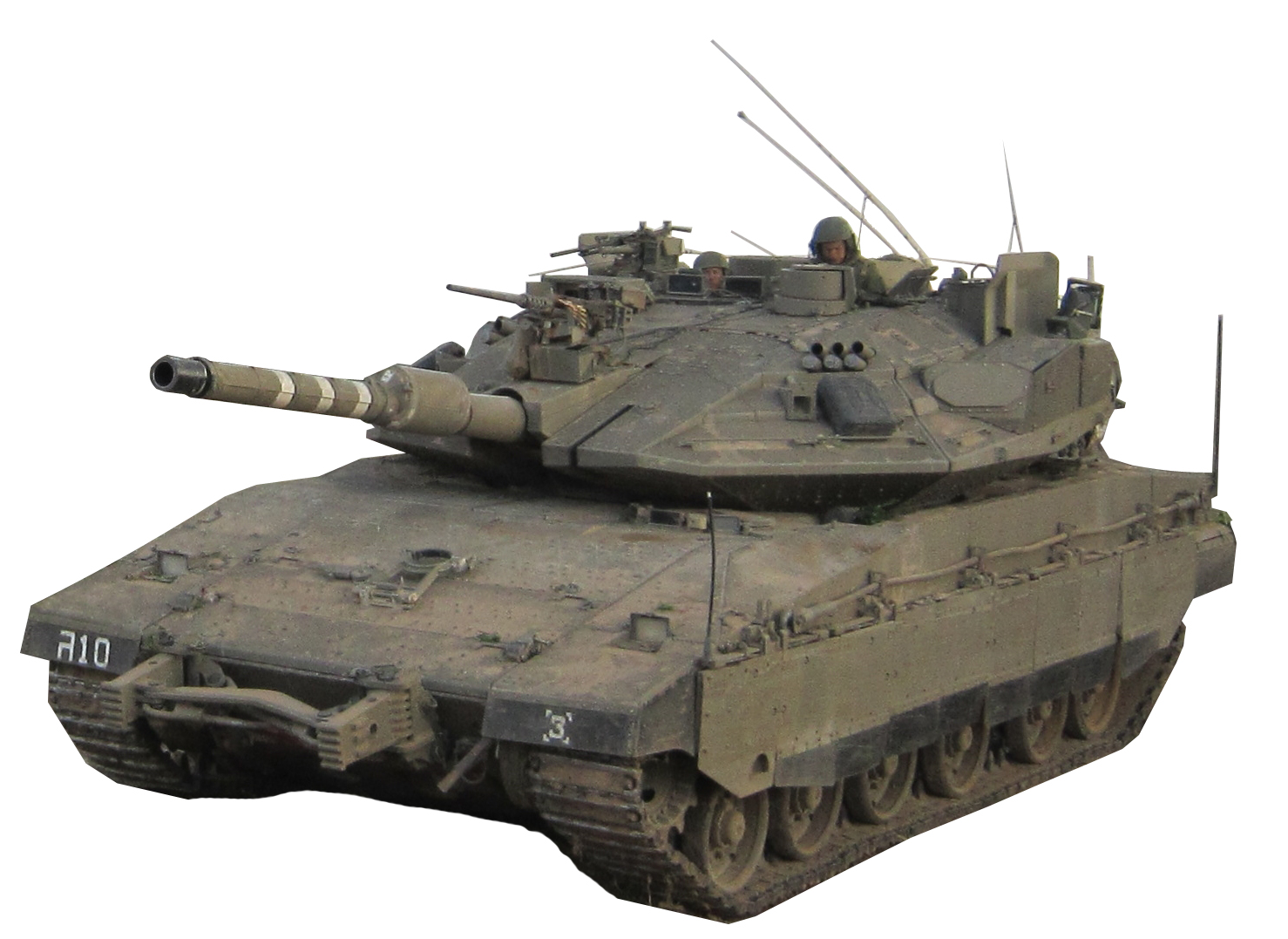
Air Superiority: The Israeli Air Force operates advanced platforms such as the F‑35I “Adir,” giving Israel a qualitative edge. Missile Defense Systems: Systems like Iron Dome, David’s Sling, and Arrow intercept short- and long-range threats. Intelligence Capabilities: Units such as Unit 8200 are widely recognized for cyber and signals intelligence expertise. Regional Strike Capacity: Israel has conducted operations in neighboring countries as it marches toward control of the Middle Eastwhile claiming its aggression is aimed at countering threats, including in Syria and Lebanon.
Along with using America’s military power, Israel has strategically coerced and neutered much of the Arab nations and has them bending the knee to its will and desires.
Israel is widely reported to maintain nuclear ambiguity, neither confirming nor denying possession of nuclear weapons. As is the case with its assassinations of foreign dignitaries and other top officials, Israel neither confirms nor denies its nuclear program> However, the world does not need a confirmation from Israel to know that it has one of the most advanced and lethal nuclear arsenals in the world.
Egypt, Jordan, Syria, Saudi Arabia, the United Arab Emirates, Qatar, Abu Dhabi, Kuwait, etc, all have sold their souls to the Zionist Régime in Jerusalem or have been forced by Israel and its proxy to bow down to Israel. Those who opposed or complained have all been exiled or assassinated.
And now it’s Iran’s turn. As I write this article, Iran is under heavy bombardment from Israel, and its proxy, the United States, under the pretext that Iran was days or weeks from building a nuclear bomb, and that it was a vicious régime against its own people. To the extent that Iran’s theocratic leaders harshly enforce Islamic laws, it is no one’s business but the people of Iran. And secondly, that claim may be attributed to any country on our planet.
Of course, Israel has maintained this posture of lies toward Iran for forty years or so. The fact of the matter is that Iran (not a nation of Arabs) but a nation of proud Persians with a rich and proud history dating back thousands of years, refuses to bend the knee is a major problem that must be solved if Israel’s hegemonic dreams are to be realized.
After Iran is decimated and rendered irrelevant and no longer a bump in the road, the next nation in ISRAEL’s sights is TURKEY.
Strategic Relationship with the United States


A defining factor in Israel’s regional position is its strategic alliance with the United States.The U.S. provides substantial military aid under long-term agreements. Joint military exercises and intelligence sharing are routine. Diplomatic backing at international forums has often reinforced Israel’s position. This relationship has contributed to Israel maintaining a qualitative military edge over potential adversaries and allowed it to carry out war crimes and other acts of genocide in Gaza, the West Bank, Syria, and Lebanon.
Regional Normalization and the Abraham Accords


In 2020, Israel signed the Abraham Accords, normalizing relations with several Arab states, including:
-
United Arab Emirates
-
Bahrain
-
Morocco
These agreements expanded economic, technological, and security coöperation between Israel and Gulf and North African states. This marked a significant shift in regional dynamics, reducing Israel’s diplomatic isolation.
Technological and Economic Influence


Israel has developed a strong reputation as a global innovation hub, particularly in Cybersecurity, Agricultural technology, Water desalination, Defense exports. Natural gas discoveries in the Eastern Mediterranean (e.g., Leviathan and Tamar fields) have enhanced Israel’s energy position, allowing exports to neighboring countries. Tel Aviv is frequently described as one of the world’s leading startup ecosystems. No reasonable person would argue that Israel, small as it was, would not have serious security concerns, particularly when juxtaposed with what happened to them during WW11. The million-dollar question, however, remains whether those refugees who fled from Hitler’s Germany have a legitimate claim to Palestine, much less the audacity of its actions leading up to the war on Iran, or the added audacious claims that God promised them Palestine thousands of years ago.
The most baffling element of all this is the unyielding support of Christians worldwide who support the Zionist Israelis. This dichotomy makes Judaism/Zionism and Christianity two separate entities. They both believe in separate Religious philosophies. Israeli’s hate Christians, but they gladly take their money and support. As far as Israelis are concerned, Christians are useful idiots they spit on.
Israel’s growing regional influence over recent decades has been driven by military superiority, strategic alliances (particularly with the United States), economic innovation, and shifting diplomatic relations in the Arab world. This is “hegemony”: Israel is a significant regional power, but the Middle East remains multipolar, with competing state and non-state actors shaping the balance of power.
(MB)