After 70 years of reigning as the United Kingdom’s monarch, Queen Elizabeth II will be laid to rest on Sept. 19, but just minutes after her death was announced on Sept. 8, there were calls for her to return some of the royal family jewels from South Africa.
Two pieces of the largest diamond ever discovered are affixed in the British Sovereign’s Royal Scepter and the Imperial State Crown. The Star of Africa, or Cullinan, is a 530-carat fine-quality colorless diamond, the largest cut of its kind in the world. It is mounted in the scepter and worth an estimated $400 million. The Star of Africa II, or Cullinan II, is 317-carat diamond is in the crown. It is unclear how much the second diamond is worth.
Hours before her death, the Twitter account African Archives shared a picture of the queen in the Imperial State Crown referencing the bigger diamond also known as “The Great Star of Africa” as “stolen” from South Africa. The tweet went viral and picked up speed after news of Elizabeth II’s death broke.
“We need what’s ours,” wrote Twitter user, @Lxngelo, who lives in Cape Town, South Africa.
The two gems were cut from a 3,106-carat diamond that was found in Premier Mine in Pretoria, South Africa, in 1905. It is the largest diamond discovered, weighing 1.33 pounds, according to History.com. It was reportedly presented to the reigning British monarch, King Edward VII, Elizabeth II’s great-grandfather, for his birthday in 1907. The government of a former South African province, Transvaal, reportedly gifted the diamond to Edward VII a year after Britain restored its internal self-government.
Many believed that the full diamond, worth $2 billion by some estimates, was stolen from indigenous South Africans. Transvaal was overwhelmingly Boer, South Africans of Dutch, German, or Huguenot descent. The diamond was named after Sir Thomas Cullinan, the owner of the mine, a white man who was born in the British colony Cape Colony.
“She wore this a century later in a time when the descendants of those mineworkers live the legacy of that plunder, still earn a pittance and get slaughtered at Marikana for demanding human standards of working and living,” wrote Mikaela Nhondo Erskog, an African educator and researcher.
Two Boer provinces, including Transvaal, fought for their freedom from Britain from 1899 to 1902. The British government says the gift symbolized the healing relationship between the two countries after the wars“The British claim that it was given to them as a symbol of friendship and peace yet it was during colonialism. The British then replaced the name ‘The Great Star of Africa’ with name of Chairman of Mine ‘Thomas Cullinan,’” Africa Archives wrote.
The British claim that it was given to them as a symbol of friendship and peace yet it was during colonialism. The British then replaced the name “The Great Star of Africa” with name of Chairman of Mine “Thomas Cullinan”.
The royal family has used the scepter in every coronation since 1661. The Imperial State Crown was made for King George VI in 1937 and is worn by the monarch when leaving Westminster Abbey after each coronation and on special occasions, including the opening of parliament. Luis Botha, who would become the first prime minister of the Union of South Africa, petitioned in 1907 that the diamond be purchased for £150,000, or nearly $173,000, and presented to the British
The whole diamond was cut into nine large stones and about 100 smaller ones, according to Britannica. The queen also reportedly owned the next two biggest stones in her brooch, known as “Granny Chips.”
During a 1995 visit to South Africa, Black township leaders called on Elizabeth II to return the Great Star of Africa. The Azanian People’s Organization claimed the diamond was “stolen from the treasures of the Azanian (African) soil.”
“She must be reminded that the diamond belongs to the Black people of this country, and to them alone,” said Azapo spokesperson Zithulele Nxawe.
Buckingham Palace replied with a reminder that the diamond was a “gift.”
Although, the U.K. and some parts of the Commonwealth have declared a period of mourning leading up to Elizabeth II’s funeral, many said they could not feel sorrow for the queen’s death in light of her indulgence in the plethora of wealth the royal family accumulated from colonization and never acknowledging the atrocities behind them. Some South Africans are urging King Charles III, Elizabeth II’s successor, to return the jewels.
“We do not mourn the death of Elizabeth, because to us her death is a reminder of a very tragic period in this country and Africa’s history. Britain, under the leadership of the royal family, took over control of this territory that would become South Africa in 1795 from Batavian control, and took permanent control of the territory in 1806,” said Economic Freedom Fighters, a pan-Africanist political party in South Africa, in a statement.
“From that moment onwards, native people of this land have never known peace, nor have they ever enjoyed the fruits of the riches of this land, riches which were and still are utilized for the enrichment of the British royal family and those who look like them.”
You know we are royally f****d in the head when we mourn the passing of the very head of the shit-stim that has raped, enslaved, sodomized, and murdered our ancestors and continues to degrade us every day. Stockholm syndrome it is.….… I mean, set aside the idea that we should speak no ill of the dead.…… because we will all die someday. Why would people with a brain inside their craniums allow anyone to tell them how to think or respond to events like the passing of Elizabeth, queen of England?
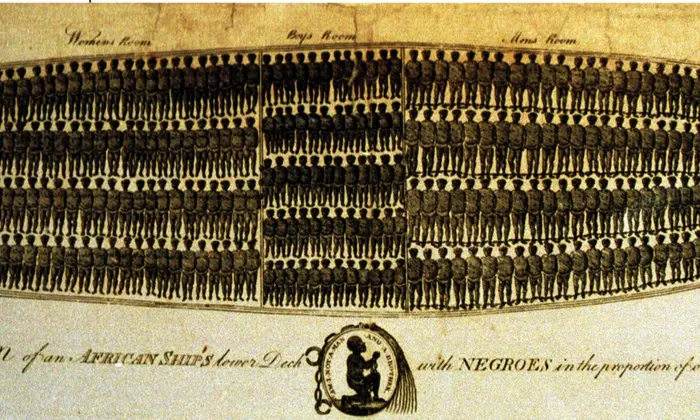
Actual human beings packed like sardines…
It really begs the question of why we should care about people who not only live privileged lives but come from a long line of others who benefitted from murder and the enslavement, dehumanization, and exploitation of other humans for profit. Take, for instance, Jamaicans who are mourning the death of Elizabeth and have set aside twelve days (12) of mourning, two (2) days more than the Brits themselves who have decided on ten days (10) of mourning; what exactly are Jamaicans mourning? Am I supposed to mourn the person who had his knee on my neck suddenly had a heart attack, or should I be relieved? Should I be the dutiful slave who shucks and jive when missus dies and mourn more than missus’s family and friends?
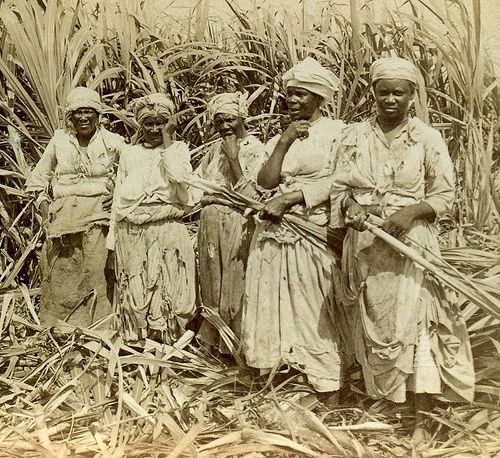
While you are grieving, do remember that these were Jamaican women forced to work for nothing on sugar plantations to make Britain the wealthy and powerful nation it is today. Remind me again what the f*** it is you are grieving for?
Come on, people, I am asking you to think.…take your eyes off the pomp and pageantry of the event on television, disengage from the whitewashing of history by the paid talking-heads whose jobs it is to humanize and canonize the decedent as if that will restore their souls with a God that judges. While the murder and mayhem were happening, what did you do? Some of you rave about your education; you pontificate about having more degrees than a thermometer, yet you are as dumb as a doornail. You are unaware that the education they gave you was designed to keep you further enslaved, slavishly dedicated, and deferential to their causes, ways, culture, and sense of superiority. Maybe they are superior to some of you, and maybe they were created to be served by some of you. Because the way you fawn and try to ingratiate yourselves into acceptance is frankly nauseating. Maybe some of you were jumping from trees like monkeys when they found you because some of you are little more than that now.
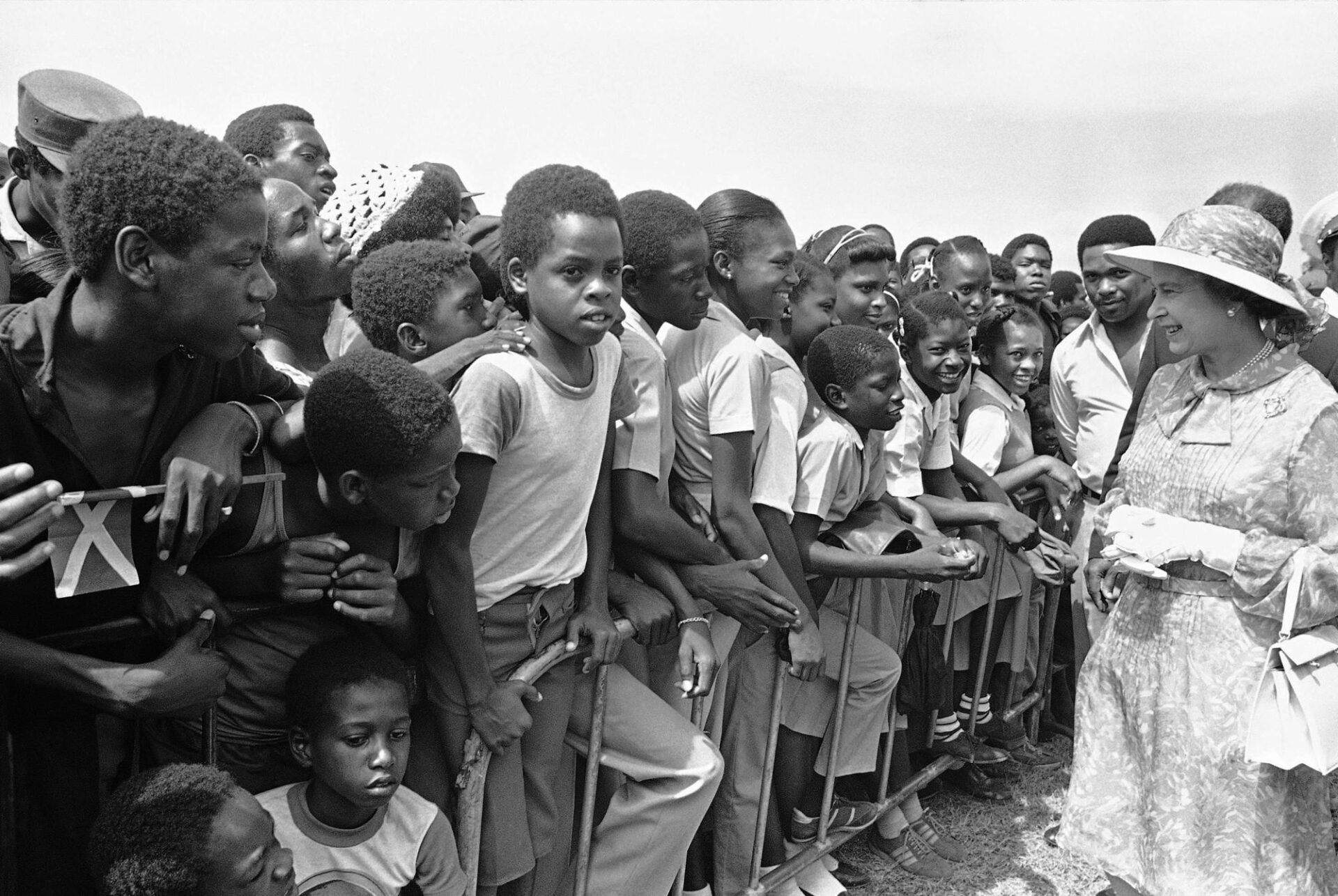
Elizabeth visited Jamaica in 1983 (AP)
We need not go back to what the European powers did to Africans to recognize that we as a people have no stake in mourning any part of the destruction or fall of the house of Babylon. From Africa to Asia, the Caribbean, and places in between, the British Government invaded, colonized, brutalized, and subjugated hundreds of millions whose only sins were that they were going about their daily lives. It is not for me, a black man to worry about what they did in India, Asia, or the Middle East. My concern is about what they did in Africa and the Caribbean. My concern is that 188 years after the abolition of slavery in Jamaica, what appears to be a plurality of Jamaicans are still suffering from separation anxiety, Stockholm syndrome, or some other type of psychological disorder. Digital history placed the number of Africans killed during the North Atlantic Slave trade between 6 – 150 million. Let us pause for a moment and assimilate the gravity of that charge. The African holocaust is something no one wants to talk about. They wrote these atrocities out of their his-tory books then, and today what little we learned about their brutality and barbarism, they are trying desperately to wipe our brains clean of the brutishness that characterized their ancestors and their own actions.
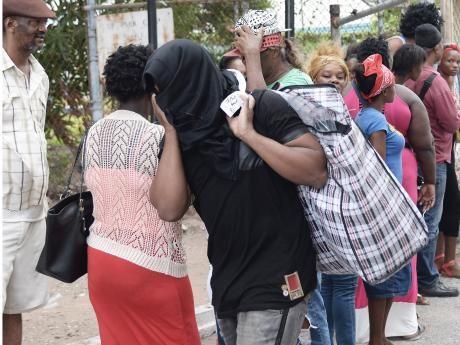
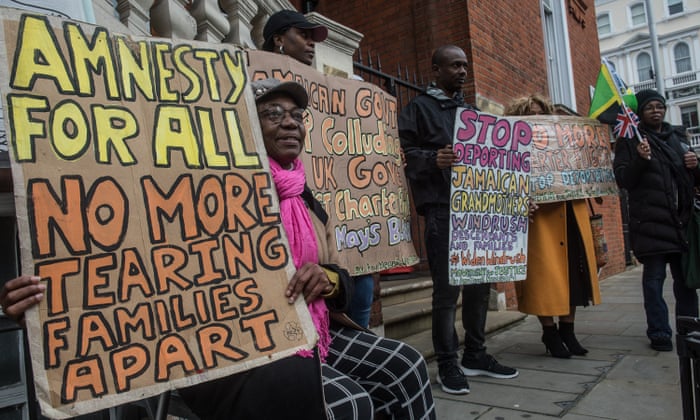
Jamaicans being kicked out as Britain exited the European Union to stem the tide of rights and access blacks have under the EU charter…)Gleaner photo)
They would have us believe that slavery was a necessary evil. A grand bargain between powerful white enslavers and well-fed enslaved people who were content with being fed and taken care of as you would some pigs that would end up as bacon. The sad irony is that even if any iota of the foregone were true, it would still be slavery where one group owns another. The whitewashing of historical events like the African slave trade and what it means for people both on the continent and in the diaspora depicts a demented and depraved mindset by a people determined to continue to lie and deceive even as their numbers and power are diminishing. And so they are doing what they do best, divide and conquer, and why not? They have always been able to get silly negroes to look at them all google-eyed as if they are gods from another planet. Many Blacks still look at them that way today and will kill you if you dare speak out against these demons for the crimes they have committed.
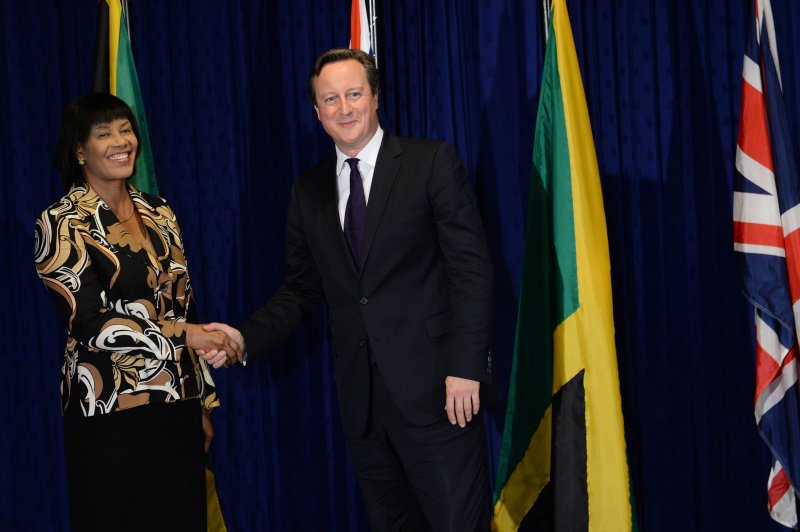
Then British Prime Minister David Cameron is greeted by Jamaican Prime Minister Portia Simpson-Miller at her office, Jamaica House, in Kingston, on the first of a two-day visit to the Caribbean on September 29, 2015. Stefan Rousseau — Press Association/AP Images
The largest slave trade in the history of the world was created by white Christian Europeans. Before it was over, as many as 60 million Africans would be killed for the profit of white Christian imperialism. A key reason for the high death toll was the tidal wave of war and desolation that the slave trade unleashed into the heart of Africa. Huge numbers of people died being marched to the coasts of Africa from the interior, as well as in an endless series of wars produced by the quest for newly enslaved people. Millions more would die in concentration camps at both ends of the sea journey, and significant numbers would die due to the appalling conditions on the slave ships. The financial profits of this slave trade helped build the economic foundations of America. It was not just the south. Northern business interests made huge profits too. (worldfuturefund.org) Richard Drayton wrote for the Guardian in 2005, “the wealth of the west was built on Africa’s exploitation.” A well-known fact and something that ought to draw yawns and exhausted-‘yes we knows”. But this is no joking matter. Britain was the principal slaving nation of the modern world. In The Empire Pays Back, a documentary called on the British to take stock of this past. Why had Britain not apologized for African slavery, as it had done for the Irish potato famine? Why was there no substantial public monument of national contrition equivalent to Berlin’s Holocaust Museum? Why, most crucially, was there no recognition of how wealth extracted from Africa and Africans made possible the vigor and prosperity of modern Britain? Was there not a case for Britain to pay reparations to the descendants of enslaved Africans? I ask why are Jamaicans mourning the death of Elizabeth, the head of the house of Windsor. The last time the subject of reparations was broached at the Prime Ministerial level David Cameron was Prime Minister of England, and Portia Simpson Miller was in Jamaica House.
All of this happened under Elizabeth’s reign…Where was she? Tell me, what exactly are you mourning now?
In 2020 Brooke Newman writing for slate said: In Britain, as in the United States, the anti-racism protests that have erupted since the police killing of George Floyd in late May have reinvigorated campaigns for reparations for slavery. Having only recently acknowledged their historical links to slavery and the trans-Atlantic slave trade, British universities and London financial institutions are facing calls to make amends for past injustices and pay reparations to the descendants of enslaved people. But one institution has remained silent: the British monarchy. Still, it’s no secret that the history of the British royal family is intertwined with slavery. The slave-trading initiatives endorsed by the English monarchy began with Queen Elizabeth I’s enthusiastic support of John Hawkins’ slaving expeditions in the 1560s. In three separate voyages backed by government officials, London merchants, and the queen, Hawkins raided African settlements on the West African coast and seized hundreds of enslaved captives from Portuguese ships. In defiance of Portugal’s dominance over the European slave trade in Africans, Hawkins sold his cargo of African captives in the Spanish Caribbean. After his profitable second voyage, the queen honored Hawkins with a coat of arms and crest featuring a nude African bound with rope. No, it was not this Elizabeth that recently passed, but look at England today and a small glimpse of the insane wealth and opulence that the enslavement and murder of our ancestors brought to the privileged in England today.
A glimpse of the opulence inside Buckingham Palace…
Cameron not only rebuffed demands for his government to pay reparations, but he also refused to apologize for its role in the slave trade during his visit to Jamaica. David Cameron stood in the Jamaican parliament and told the Jamaican people that slavery was “abhorrent in all its forms” but called for the two countries to “move on” and look to the future.” Wait, what the f***? Oh, sorry, my bad, I am not an eloquent laureate from the Bourjois, I am a Jamaican Blackman with a brain in my head, and I am extremely proud of that. But I digress; the Ass‑w*** offered Jamaicans a prison.….. yes, a prison, a prison that would house British [subjects], many of whom never set foot in Jamaica but were born to Jamaican parents who went to England to build that country after Hitler decimated it with his nazi bombs. Those people heeded the call, and now that Britain used them up as it had used up their ancestors for free, she wanted them out.
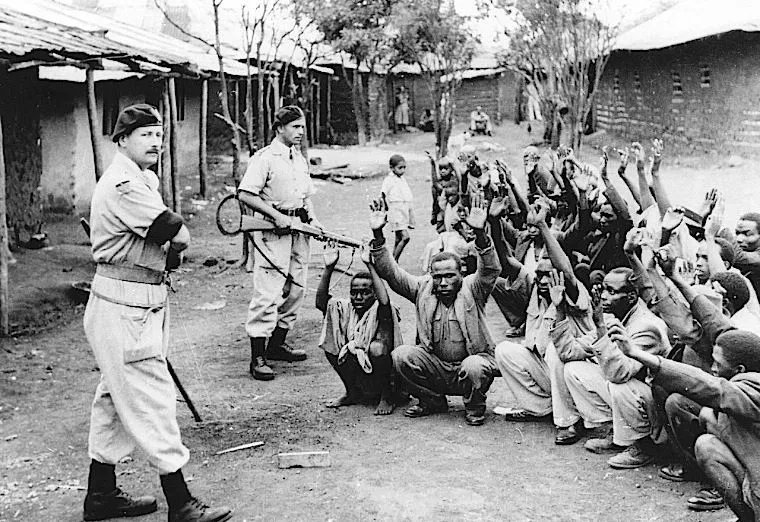
Imperialist British troops standing guard over innocent Kenyans…What are we mourning?
Might make right for sure because you best believe that if I had the power, I would march right in, overturn everything not nailed down, and take every last ounce of what belongs to us. From the stolen African artifacts to every penny of reparations owed us.
There is a strange unexplained phenomenon that I am yet to understand; it is the propensity of some negroes to disregard all of the evils that white people did to them and their ancestors and will literally kill their own black brothers and sisters who dare point to those atrocities. It gets worse when they are allowed to get some of the white man’s brainwashing that they call getting an education. I have a lot more to say, but Nah, I have made my point. And so, as a rebel, I harken to the words of another true Jamaican rebel. “We don’t have education; we have inspiration; if I was educated, I would be a damn fool.”
.
Mike Beckles is a former Police Detective, businessman, freelance writer, black achiever honoree, and creator of the blog mikebeckles.com.
Lizzie Pugh, a Black Detroit public schools retiree, has filed a federal lawsuit alleging that white employees at Fifth Third Bank in Livonia refused to cash and deposit her slot machine jackpot check. She won it during a church outing to the Soaring Eagle Casino & Resort in Mt. Pleasant.
The 71-year-old alleges that three white bank employees told her the five-figure check was fraudulent and refused to give it back, reports Tresa Baldas of the Detroit Free Press. Pugh, who is a deacon at her church, says it’s blatant racism.
“I couldn’t really believe they did that to me,” Pugh tells the Freep. “I was devastated. I kept asking, ‘How do you know the check is not real?’ … And they just insisted that it was fraudulent. … I was terrified.”
The Aug. 29 lawsuit filed in U.S. District Court in Detroit says after much persistence that day, she got the bank to return her check, which she then deposited at a nearby Chase bank. It cleared the following day without issue, the lawsuit says. Fifth Third Bank didn’t respond to several requests for comment.
The Civil War in the United States began in 1861, after decades of simmering tensions between northern and southern states over slavery, states’ rights, and westward expansion. The election of Abraham Lincoln in 1860 caused seven southern states to secede and form the Confederate States of America; four more states soon joined them. The War Between the States, as the Civil War was also known, ended in the Confederate surrender in 1865. The conflict was the costliest and deadliest war ever fought on American soil, with some 620,000 of 2.4 million soldiers killed, millions more injured, and much of the South left in ruin
Causes of the Civil War
In the mid-19th century, while the United States was experiencing an era of tremendous growth, a fundamental economic difference existed between the country’s northern and southern regions.
In the North, manufacturing, and industry was well established, and agriculture was mostly limited to small-scale farms, while the South’s economy was based on a system of large-scale farming that depended on the labor of Black enslaved people to grow certain crops, especially cotton and tobacco.
Growing abolitionist sentiment in the North after the 1830s and northern opposition to slavery’s extension into the new western territories led many southerners to fear that the existence of slavery in America—and thus the backbone of their economy — was in danger.
In 1854, the U.S. Congress passed the Kansas-Nebraska Act, which essentially opened all new territories to slavery by asserting the rule of popular sovereignty over congressional edict. Pro- and anti-slavery forces struggled violently in “Bleeding Kansas,” while opposition to the act in the North led to the formation of the Republican Party, a new political entity based on the principle of opposing slavery’s extension into the western territories. After the Supreme Court’s ruling in the Dred Scott case (1857) confirmed the legality of slavery in the territories, the abolitionist John Brown’s raid at Harper’s Ferry in 1859 convinced more and more southerners that their northern neighbors were bent on the destruction of the “peculiar institution” that sustained them. Abraham Lincoln’s election in November 1860 was the final straw, and within three months, seven southern states–South Carolina, Mississippi, Florida, Alabama, Georgia, Louisiana and Texas–had seceded from the United States.
Even as Lincoln took office in March 1861, Confederate forces threatened the federal-held Fort Sumter in Charleston, South Carolina. On April 12, after Lincoln ordered a fleet to resupply Sumter, Confederate artillery fired the first shots of the Civil War. Sumter’s commander, Major Robert Anderson, surrendered after less than two days of bombardment, leaving the fort in the hands of Confederate forces under Pierre G.T. Beauregard. Four more southern states–Virginia, Arkansas, North Carolina, and Tennessee –joined the Confederacy after Fort Sumter. Border slave states like Missouri, Kentucky and Maryland did not secede, but there was much Confederate sympathy among their citizens.
Though on the surface, the Civil War may have seemed a lopsided conflict, with the 23 states of the Union enjoying an enormous advantage in population, manufacturing (including arms production), and railroad construction, the Confederates had a strong military tradition, along with some of the best soldiers and commanders in the nation. They also had a cause they believed in: preserving their long-held traditions and institutions, chief among these being slavery.
In the First Battle of Bull Run (known in the South as First Manassas) on July 21, 1861, 35,000 Confederate soldiers under the command of Thomas Jonathan “Stonewall” Jackson forced a greater number of Union forces (or Federals) to retreat toward Washington, D.C., dashing any hopes of a quick Union victory and leading Lincoln to call for 500,000 more recruits. In fact, both sides’ initial call for troops had to be widened after it became clear that the war would not be a limited or short conflict.
The Civil War in Virginia (1862)
George B. McClellan–who replaced the aging General Winfield Scott as supreme commander of the Union Army after the first months of the war – was beloved by his troops, but his reluctance to advance frustrated Lincoln. In the spring of 1862, McClellan finally led his Army of the Potomac up the peninsula between the York and James Rivers, capturing Yorktown on May 4. The combined forces of Robert E. Lee and Jackson successfully drove back McClellan’s army in the Seven Days’ Battles (June 25-July 1), and a cautious McClellan called for yet more reinforcements in order to move against Richmond. Lincoln refused and instead withdrew the Army of the Potomac to Washington. By mid-1862, McClellan had been replaced as Union general-in-chief by Henry W. Halleck, though he remained in command of the Army of the Potomac.
Lee then moved his troops northwards and split his men, sending Jackson to meet Pope’s forces near Manassas, while Lee himself moved separately with the second half of the army. On August 29, Union troops led by John Pope struck Jackson’s forces in the Second Battle of Bull Run (Second Manassas). The next day, Lee hit the Federal left flank with a massive assault, driving Pope’s men back towards Washington. On the heels of his victory at Manassas, Lee began the first Confederate invasion of the North. Despite contradictory orders from Lincoln and Halleck, McClellan was able to reorganize his army and strike at Lee on September 14 in Maryland, driving the Confederates back to a defensive position along Antietam Creek, near Sharpsburg.
On September 17, the Army of the Potomac hit Lee’s forces (reinforced by Jackson’s) in what became the war’s bloodiest single day of fighting. Total casualties at the Battle of Antietam (also known as the Battle of Sharpsburg) numbered 12,410 of some 69,000 troops on the Union side, and 13,724 of around 52,000 for the Confederates. The Union victory at Antietam would prove decisive, as it halted the Confederate advance in Maryland and forced Lee to retreat into Virginia. Still, McClellan’s failure to pursue his advantage earned him the scorn of Lincoln and Halleck, who removed him from command in favor of Ambrose E. Burnside. Burnside’s assault on Lee’s troops near Fredericksburg on December 13 ended in heavy Union casualties and a Confederate victory; he was promptly replaced by Joseph “Fighting Joe” Hooker, and both armies settled into winter quarters across the Rappahannock River from each other.
After the Emancipation Proclamation (1863−4)
Lincoln had used the occasion of the Union victory at Antietam to issue a preliminary Emancipation Proclamation, which freed all enslaved people in the rebellious states after January 1, 1863. He justified his decision as a wartime measure and did not go so far as to free the enslaved people in the border states loyal to the Union. Still, the Emancipation Proclamation deprived the Confederacy of the bulk of its labor forces and put international public opinion strongly on the Union side. Some 186,000 Black Civil War soldiers would join the Union Army by the time the war ended in 1865, and 38,000 lost their lives.
In the spring of 1863, Hooker’s plans for a Union offensive were thwarted by a surprise attack by the bulk of Lee’s forces on May 1, whereupon Hooker pulled his men back to Chancellorsville. The Confederates gained a costly victory in the Battle of Chancellorsville, suffering 13,000 casualties (around 22 percent of their troops); the Union lost 17,000 men (15 percent). Lee launched another invasion of the North in June, attacking Union forces commanded by General George Meade on July 1 near Gettysburg in southern Pennsylvania. Over three days of fierce fighting, the Confederates were unable to push through the Union center and suffered casualties of close to 60 percent.
Meade failed to counterattack, however, and Lee’s remaining forces were able to escape into Virginia, ending the last Confederate invasion of the North. Also, in July 1863, Union forces under Ulysses S. Grant took Vicksburg (Mississippi) in the Siege of Vicksburg, a victory that would prove to be the turning point of the war in the western theater. After a Confederate victory at Chickamauga Creek, Georgia, just south of Chattanooga, Tennessee, in September, Lincoln expanded Grant’s command, and he led a reinforced Federal army (including two corps from the Army of the Potomac) to victory in the Battle of Chattanooga in late November.
Toward a Union Victory (1864−65)
In March 1864, Lincoln put Grant in supreme command of the Union armies, replacing Halleck. Leaving William Tecumseh Sherman in control in the West, Grant headed to Washington, where he led the Army of the Potomac towards Lee’s troops in northern Virginia. Despite heavy Union casualties in the Battle of the Wilderness and at Spotsylvania (both May 1864), at Cold Harbor (early June), and the key rail center of Petersburg (June), Grant pursued a strategy of attrition, putting Petersburg under siege for the next nine months.
Sherman outmaneuvered Confederate forces to take Atlanta by September, after which he and some 60,000 Union troops began the famous “March to the Sea,” devastating Georgia on the way to capturing Savannah on December 21. Columbia and Charleston, South Carolina, fell to Sherman’s men by mid-February, and Jefferson Davis belatedly handed over the supreme command to Lee, with the Confederate war effort on its last legs. Sherman pressed on through North Carolina, capturing Fayetteville, Bentonville, Goldsboro, and Raleigh by mid-April.
Meanwhile, exhausted by the Union siege of Petersburg and Richmond, Lee’s forces made a last attempt at resistance, attacking and capturing the Federal-controlled Fort Stedman on March 25. An immediate counterattack reversed the victory, however, and on the night of April 2 – 3 Lee’s forces evacuated Richmond. For most of the next week, Grant and Meade pursued the Confederates along the Appomattox River, finally exhausting their possibilities for escape. Grant accepted Lee’s surrender at Appomattox Court House on April 9. On the eve of victory, the Union lost its great leader: The actor and Confederate sympathizer John Wilkes Booth assassinated President Lincoln at Ford’s Theatre in Washington on April 14. Sherman received Johnston’s surrender at Durham Station, North Carolina, on April 26, effectively ending the Civil War. (History.com)
A Black Texas couple were subjects of mistaken identity gone terribly wrong as police searching for teenagers left the elderly couple traumatized as they were held at gunpoint and handcuffed. The couple has since filed a lawsuit against the department accusing them of excessive force.
“I was afraid because I didn’t know what was going on, I knew I hadn’t done anything wrong,” said Regina Armstead.Armstead, 57, and her boyfriend, Michael Lewis, 67, were leaving a seafood dinner on the evening of Nov. 6, 2020, when they encountered several Rosenberg Police officers while driving home. The city of Rosenberg, Texas, is about 30 miles west of Houston and has a population of about 38,000, 15 percent of them Black.
When Armstead and Lewis were confronted by police, the officer activated the emergency lights and ordered the couple to pull over.
“So I tried to move over to the right side because I thought they were trying to get by, and so they got behind me again and I turned the radio down and I could hear them saying, turn the car off and throw the keys out of the window and all of that stuff,” Armstead said.
According to the lawsuit filed by the couple on August 4, 2022, against the City of Rosenberg, its police department and five of its officers were looking for a group of Black teenagers who allegedly brandished a gun to a group of kids and then fled in a white vehicle with tinted windows and black rims that day. Armstead was driving a white Dodge Charger similar to the car the teens reportedly got away in, leading to the traffic stop.
“They pulled us over because they were looking for three teens with a gun who were shooting at some other teens, and I said, if that’s the case, they’re gone now, you’re fooling with us,” Armstead said of the incident.
The suit alleges, the officers ordered Armstead out of the car and onto the ground, and on her knees as an officer’s gun remain pointed at her. She was then handcuffed and placed in the back of a police car. Meanwhile, Lewis, a dialysis patient was also handcuffed. He says when officers placed him in handcuffs, it posed a serious heath risk.
“When they put them handcuffs on me, I told them, I can’t have nothing on my arm at all because that will mess up my fistula,” Lewis said.
Despite telling officers of his medical condition, the officers disregarded those warnings causing the medical devices in Lewis’ wrist to malfunction resulting in three medical procedures according to the lawsuit. While the couple remained detained, officers then searched their car and it was not until nearly an hour later did the focal point of the traffic stop get addressed, Lewis and Armstead were not the teenagers the officers were after.
“We didn’t favor the three guys they were looking for, but they should have known that when they pulled me out of the car that I was not one of the guys,” Armstead said.
“There were a number of constitutional violations that we alleged, the obviously excessive force with the brandishing of the guns, the handcuffing of Mr. Lewis, the constitutionality of the stop in the first place, whether there was reasonable suspicion based on the fact that there wasn’t a very clear match between our clients and the suspects the police were looking for,” said Lauren Bonds, the attorney representing the couple in the lawsuit.
Rosenberg Police Chief Jonathan White regarding the lawsuit and allegations within it.
“The Rosenberg Police Department is aware of media stories involving a lawsuit filed against the police department regarding an incident on November 6, 2020. While we are disappointed in the amount of incorrect information found in the plaintiff’s complaint and media articles, we will respect our justice system by responding to the appropriate court with factual information,” White’s statement said.
Bonds says, her office tried to get their hands on body camera video of the traffic stop, but were told by a public records city official, “they don’t have a video from the stop” leading Bonds to question if the officers ever activated their body cameras or dash cameras or if the footage was deleted.
Bonds described via email her efforts to obtain police officials account of what happened during the stop:
“The only record of the stop we received was an incident report that included next to no details. We made several public information act requests between April and June of this year for any record that mentioned our clients names, their license plate numbers, as well as requests for documents for stops made at the time and date that our clients were stopped. Rosenberg’s public records officer informed us that no such documents existed. Unfortunately they were not able to tell us if the documents previously existed but were later destroyed pursuant to a departmental records retention policy or if they were never created in the first place.
“We are eager to hear RPD’s response to the allegations in the complaint. Not only to our clients’ allegations but to the dozens of other civilians who alleged they experienced or witnessed similar misconduct.”
The lawsuit has an unspecified dollar amount of damages at this time. In addition to potential monetary damages, another aim of the lawsuit is to persuade Rosenberg police to change the way they interact with the City’s non-white population.
“I want it to be better for people around here because they mess with a lot of people of color,” Armstead said of the intended purpose of the lawsuit.
Armstead and Lewis say they did not receive any citations during the traffic stop by Rosenberg police.
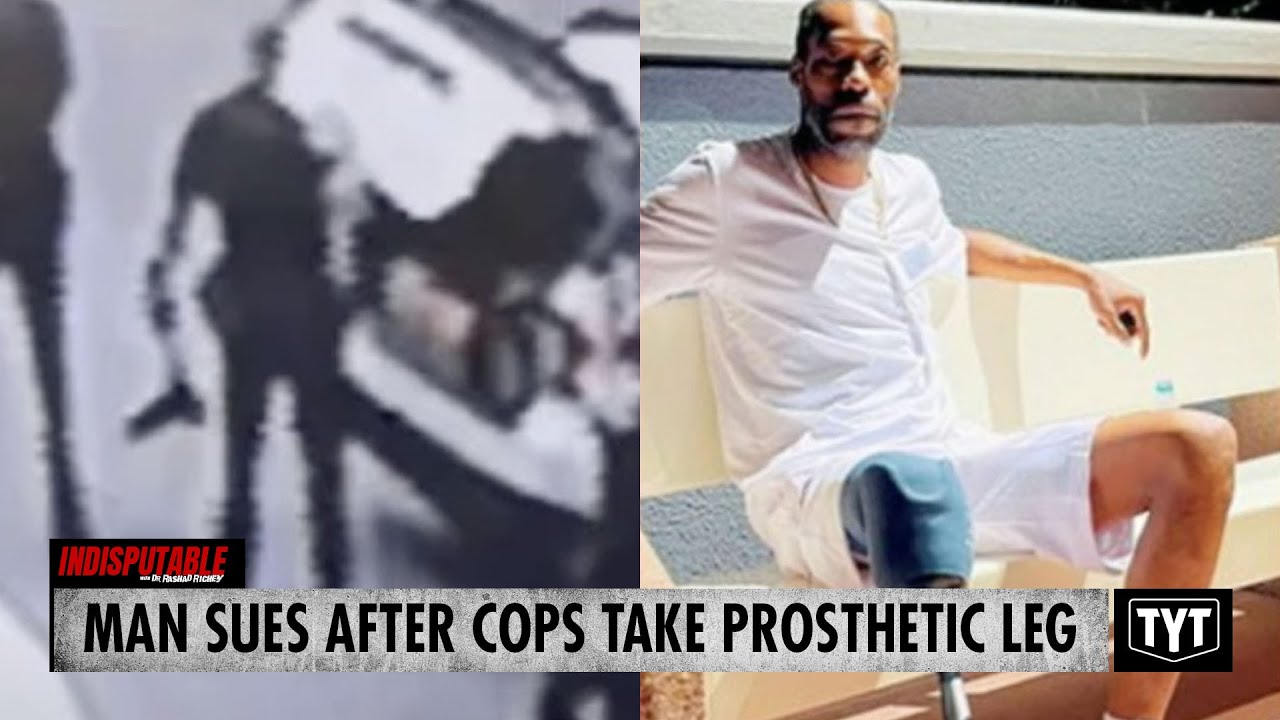
A Black disabled man has filed a $50 million lawsuit against the police he claims used excessive force after wrongly accusing him of a crime he did not commit. “I thought I was going to die in this situation,” said Waverly Lucas, 48, an amputee who uses a prosthetic leg. “The only reason they stopped him was because of the color of his skin,” said Heather Palmore, chief trial counsel with the Napoli Shkolnik law firm and Lucas’ attorney.
It’s been a year since Lucas of Long Island, New York was the victim of a violent arrest by Suffolk County police as he attempted to visit the convenience store near his home.
“The gas station I was going to was at the corner from my house that I lived for all my life so you might just go there to get a soda or something to drink,” Lucas said.
Lucas says, he just pulled up to a Gulf gas station in the Long Island town of Wyandach, New York, on Aug. 18, 2021, and as he was getting out of his car preparing to go inside, he was putting on his prosthetic leg when Suffolk County police officers Michael Casey and Michael Renna approached him, asking for his identification and accused him of urinating in public.
“There’s no evidence of that, what’s clear is he had stopped his vehicle and he had attempted to put his leg on to walk into the convenience store and there’s nothing else other than that,” Palmore said.
Lucas began recording the police encounter on Facebook Live, which shows what happened next, when police became physically aggressive with him. According to the lawsuit filed over the incident, an officer placed Lucas in a chokehold, then grabbed his arms and wrenched them. After having his arms pulled to be handcuffed, Lucas was shoved towards the police car and placed into the back seat.
“I thought I was going to die in this situation because I’m being choked out and I don’t know if anybody’s ever been choked out, but you go to sleep, and I just thought I was going to die and there was nothing I could do,” Lucas said.
The lawsuit also accuses the officers of pulling on Lucas’ prosthetic leg and throwing it into the trunk of the police car, leaving the amputated Lucas in serious pain.
“It was excruciating pain, when someone is trying to bend something that is connected to your body and when you’ve got your kneecap popping out at the same time, you’re not thinking about any at the time but the pain that you’re going through and that’s all I can remember thinking at the time is the excruciating pain,” Lucas said.
Once taken to jail, Lucas’ troubles continued as he was charged with obstruction, resisting arrest and possession of his doctor-prescribed Oxycodone pain medicine. Those charges were later dropped.
“Maybe an hour or so prior to all of this happening, so it was a brand-new prescription, it was dated and logged and it’s federal record every time you get a narcotic,” Lucas said
After first being sent to jail, Lucas was taken to a hospital where he did not receive treatment — at least not at first, according to his attorney.
“He wasn’t treated at the hospital because he was in custody at the time and the way he was being treated at the hospital is not that what you would expect,” Palmore said.
Palmore says Lucas returned back to jail to be processed and booked. When Lucas finally left the jail for good, he was taken by ambulance back to the hospital but without his prosthetic leg which had been taken by police, the lawsuit claims Lucas was left to hop on one leg out of the police precinct.
“When he returns back to the hospital, he was made to crawl out of the precinct, crawl out of the precinct and was removed back to the same hospital and had to stay overnight and that’s when he was diagnosed with the fractured orbital due to the arrest,” Palmore said.
With a slew of allegations lodged against the Suffolk County police, Atlanta Black Star requested a response from the Suffolk County Police Department. A spokeswoman said by phone, the department had no comment.
“They performed an illegal search of his vehicle after he was already in custody, took the keys out of his hand and entered his vehicle although he wasn’t there so there are a lot of layers here,” Palmore said.
Lucas filed a $50 million excessive force lawsuit against the police on Aug. 8. He and his lawyer want to see policy change so the department’s pattern of targeting people of color will stop.
“Policy change, disciplinary action against the officers,” Palmore said. “This is a microcosm of what goes on every single day in communities of color here,” she continued.
Police continue to shoot black people in ways that they dare not shoot animals without consequence. Worse yet, the system continues to allow one police agency to investigate another police agency and come to conclusions of innocence or guilt as if it isn’t still police investigating police. As a former Police officer, I am predisposed to giving police officers the benefit of the doubt in tense situations where it’s life and death, and they are forced to make snap decisions. In most of these killings, we are witnessing not situations where officers shoot because they see a gun; they are shooting people based on the allegations against them. Please remember that we are devolving from a standard where an assailant had to be in actual possession of an identifiable gun and pointing, turning, or lifting the [gun] to point it toward a person, including a cop, for police to be justified in shooting that assailant. We have now devolved to where police officers are shooting people who do not have weapons and have made [no]hostile moves toward police.
These are slave patrols, not legal police actions. People must wake up and realize that this is being done in the names. It is outright murder.
We cannot as a society have a devolving standard that justifies police killing citizens as the standard of law enforcement. Look how far we have devolved from freeze-drop your weapon to the present, where simply awakening from deep sleep is enough to get one murdered by law enforcement officers. President Biden, in a recent speech, said he is against defunding the police, and he is against defunding the FBI. one of his senior advisers, former Atlanta Mayor Keish Lance-Bottoms, an African-American woman, puts it best on Tuesday, ‘we want law enforcement to keep our communities safe not warriors. We cannot continue to condone police killing our people based on allegations that they, the police themselves, made against the person. This police department has been and still is one of the most violent, brutal, and lethally unlawful police departments in the United States. That speaks volumes about the lethality of the department based on the violence that characterizes most, if not all of the over 18,000 police departments across the country. We know quite well that a large percentage of cops are absolutely no good. We should stop these killings once and for all.(mb).’
Lewis was allegedly awake long enough to be killed in his own bed
AP Andrew Welsh-Huggins
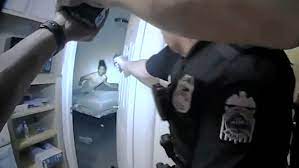
Footage shows an officer immediately shooting Donovan Lewis after opening a bedroom door. The city’s police chief claims Lewis appeared to be holding a vape pen.
(AP) — A man fatally shot by police in Ohio’s capital city appeared to be holding a vape pen in his hand, the city police chief said as an investigation was underway into the shooting. Donovan Lewis, 20, died at a hospital following the shooting early Tuesday morning. Columbus police say officers were at the scene to arrest Lewis on multiple warrants, including domestic violence, assault, and felony improper handling of a firearm.
Police body-cam footage shows an officer opening a bedroom door in an apartment and immediately shooting Lewis, who was in bed. Lewis appeared to be holding the vape pen before he was shot, said Columbus police chief Elaine Bryant. No weapon was found.
Bryant has not addressed whether police believed the device was a weapon, a determination that will come during the probe by the Ohio Bureau of Criminal Investigation. Bryant said the city was committed to holding officers responsible if there was any wrongdoing, but the state investigation needed to play out first.
Columbus Mayor Andrew Ginther, who hired Bryant last year, said that “regardless of the circumstances, a mother has lost her son in the city of Columbus.”
Dumb bigoted cops, the bane of police departments across America no longer the exceptions as some would have you believe they are the rule. The idea is not to protect and serve; it is to bully, arrest and even kill. Pastor Jennings did identify himself even though he had no obligation to do that; he also told them he lived right across the street. Here we have a trio of hick cops, including what appears to be a supervisor with no ability to think critically, who went to the arrest option rather than walk away after they saw that there was no crime being committed. The crime pastor Jennings committed was “contempt of cop.” First, they refer to him as ‘man,’ not sir, ‘listen to me, man.’ How do I know you were watering flowers? Because he had a water hose in his hand with after flow from it. Here is the thing, these mental midgets would have approached a white man completely; differently, it would have been hi there, sir; sorry to bother you, and there would have been no demand for identification. Furthermore, Pastor Jennings [did] tell the clown that he was pastor Jennings and that he was watering his neighbor’s flowers. That ought to have been the end of it; sorry to bother you sir and be on their way. But they are so addicted to demanding black people’s identifications that they are not sure how to operate when they are told no. Even when they have the person’s name, they now demand their social security number, which they have absolutely no right to. The tragedy inherent in this sad affair is that they actually planned what kind of charge to ginn up to charge him with on camera. The charge they ended up with was ‘obstruction of governmental operations, which was promptly dismissed. The white woman refused to give her name and was allowed to walk away without charge.
As a layperson, it took me some time, meaning many years, to realize that it is one of the hardest things for a brainwashed person to figure out that they are brainwashed. Brainwashing: tomake (someone) adopt radically different beliefs by using systematic and often forcible pressure. What does it mean when a person is brainwashed? A forcible indoctrination induces someone to give up basic political, social, or religious beliefs and attitudes and to accept contrasting regimented ideas. How can you tell if someone is brainwashed?
They Blatantly Lie. The abuser blatantly and habitually lies to change another person’s reality. …
They Attack Things Important to You. …
They Project. …
They Manipulate Your Relationships. …
They Wear You Down. …
They Dangle Compliments as Weapons.
What is an example of brainwashing? To brainwash is to change someone’s beliefs or attitudes using intense teaching and indoctrination. An example of brainwashing is to lock new religious converts in a room and teach them the details of religion without allowing access to the outside world. To subject to brainwashing.
To subject to brainwashing. (1)To indoctrinate so intensively and thoroughly as to effect a radical transformation of beliefs and mental attitudes. (2) The process or an instance of brainwashing. (3) To brainwash is to change someone’s beliefs or attitudes using intense teaching and indoctrination. (4)To affect one’s mind using extreme mental pressure or any other mind-affecting process. (i.e., hypnosis) (5) An effect upon one’s memory, belief, or ideas.
How does brainwashing affect the brain? Long-term effects of brainwashing have been linked with complex PTSD, depression, anxiety, and suicidal thoughts. Withdrawal from life. Victims of brainwashing often internalize their anger, leading to depression, anxiety, and sometimes suicide.
Does Teaching Religion “Brainwash” Kids? Perhaps the best answer to this question I’ve seen is this explanation from wordonfire.org.
Is teaching children religion brainwashing? The question was posed at Debate.org, and an astounding 86% of respondents said yes. So why should Christian parents share the Gospel with their children?
The clearest answer to this comes from St. John Paul II’s encyclical on the relationship between faith and reason (fittingly, called Faith and Reason, or Fides et Ratio). The encyclical opens this way:
Faith and reason are like two wings on which the human spirit rises to the contemplation of truth; and God has placed in the human heart a desire to know the truth — in a word, to know himself — so that, by knowing and loving God, men and women may also come to the fullness of truth about themselves (cf. Ex 33:18; Ps 27:8 – 9; 63:2 – 3; Jn 14:8; 1 Jn 3:2).
This is a radically different understanding of religion and intellectualism than many assume. He’s not saying, “watch out for science,” or “come to church, but leave your brain at the door.” He’s not saying, “you don’t need a reason anymore because you’ve got faith.” No, he’s saying that faith is a gift from God, but so is reason, and both faith and reason are given to us to help us to respond to this hunger; we all have to know the truth. And in fact, this intellectual hunger is itself a gift from God. Maybe you haven’t noticed this, but man is the only animal that has this yearning to know the truth about God, the universe, and himself. That hunger can cause a lot of unhappiness when we’re lost and confused. But it’s precisely in working through this hunger faithfully and reasonably that we come to know and love God and learn the deepest truths about who we are. (wordonfire.org)
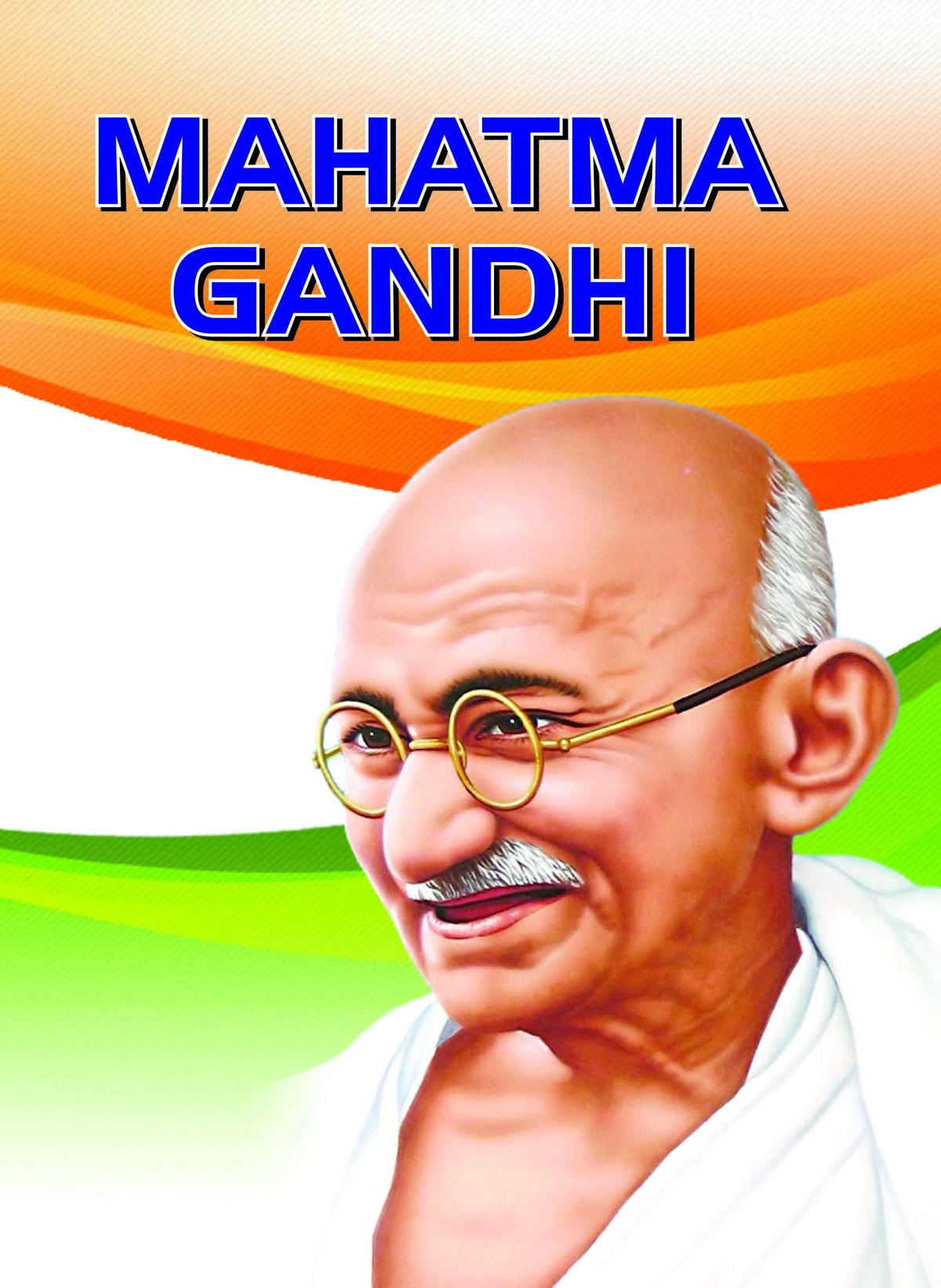
Mahatma Gandhi is quoted as saying if it weren’t for Christians, he would be a Christian.Gandhi was a devout Hindu.
As a person of faith, I have consistently looked at how Christians usually behave toward each other; their behavior ebb and flows based on their likes and dislikes. Indoctrinated Christians have absolutely no time or patience for anything someone who disagrees with their theology (what they were told) has to say. The same is true for other religions that teach that any deviation from the orthodoxy of what they teach is punishable by death. For example, Salman Rushdie was forced into hiding because he wrote the book ( The Satanic Verses) which criticized Islam. Mister Rushdie was recently stabbed repeatedly at a public event and has been convalescing at a hospital after being in critical condition. The many facets of modern Christianity tend to be less visceral in dealing with dissent; notwithstanding, the contradictions of the faith as espoused by the competing branches have been vastly criticized and even ridiculed by thinkers from the outside. People with anti-religious views would always have ammunition to go up against faith-based religion.
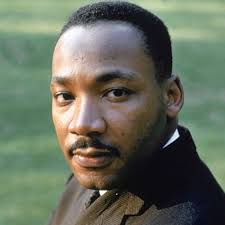
Dr. Martin Luther King Jnr
Mahatma Gandhi was assassinated in New Delhi by a Hindu Nationalist at an interfaith gathering for his legal and activist work on behalf of Muslims in 1948. Martin Luther King was assassinated by people in the United States who casually refer to themselves as Christians. Dr. King was a Christian preacher, but his vision of a nation where all people would have the same rights and privileges clashed with the views of others who wanted those rights and privileges all to themselves. Nowadays, we see members of the same church not speaking to each other. We see members of the same small congregation jockeying for attention. Not for God’s attention but for the pastor’s attention and approval. Husband against wife, wife against husband, deacon against deacon. It is the very definition of brainwashing. The very reason so many drank the cool-aid in Jim Jones Guyana cult.
Both my grandfathers were men of the Christian faith. My maternal granddad was choir director in his church, and my paternal grand grandfather was a trained pastor and educator. My father is, at best, an agnostic, viscerally opposed to any idea of religion. I once asked him to explain his strained relationship with his father, my grandad, he told me religion made a relationship with him impossible. I thought how sad it was that something that should be bringing people closer was tearing them apart. My father published a book of poetry years ago; looking at the book, I often wondered whether his strained relationship with his dad may have influenced the title. Some anti-religious commentators have argued that religion is harmful to humans. For example, hundreds of millions have died in so-called “Holy Wars,” “Jihads, Crusades,” or any religious quarrel. It promotes extreme reactionism and the thought that the lives of people not listed as “okay” in the Bible, Torah, or Koran are not valuable; and, therefore, expendable. There are black and white versions of Christianity right here in the good old US of A. The white version believes that it is superior to the black version. Setting religion aside, how can those who are faith leaders attract converts to the faith in light of these inconsistencies? How do we explain being more concerned about what the pastor thinks than what God thinks as we jockey to demonstrate who loves the pastor more than who loves God more? I am just asking, do not shoot the messenger; we need to self-examine ourselves and determine whether we are adhering to the dictates of the most high God or we are actively committing idolatry in the open.
.
.
.
Mike Beckles is a former Police Detective, businessman, freelance writer, black achiever honoree, and creator of the blog mikebeckles.com.
These are some of the reasons that the Republicans have hated the Federal Government in our lifetime. Arguably, since Ronald Reagan was president, the Federal Government was seen as an impediment to what Republicans have wanted to do to Black & Brown communities. It is exactly why they are opposed to the FBI and other Federal Agencies that are sworn to uphold the constitution. Although not perfect itself, the Federal Bureau of Investigations and the Department of Justice, on a broader scale, has been central to thwarting the plans of Republicans to abuse the constitutional rights of black and brown Americans. The present attacks on the FBI are not occurring in a vacuum; they are well-orchestrated attacks designed to weaken and diminish the authority of Main Justice and agencies like the FBI. Conducting real investigations and holding corrupt, murderous local police accountable is not something Republicans care about or want. The case below is a case study of the way local corrupt officials who are sworn to uphold the constitution and the rights of citizens collude to protect dirty corrupt cops even when their actions lead to the unlawful death of citizens. You simply cannot make this level of corruption up. (mb)
Daniel Cameron, the Attorney General presented only a small part of the evidence to a grand jury.
By Brendan O’Brien
(Reuters) ‑A former Louisville detective pleaded guilty in federal court on Tuesday to helping falsify a search warrantthat led to the killing of Breonna Taylor, a Black woman whose death fueled a wave of protests over police violence against people of color.
The former officer, Kelly Goodlett, entered her plea before U.S. District Court Judge Rebecca Grady Jennings in a federal court in Louisville, Kentucky, the New York Times reported.
Goodlett pleaded guilty to one count of conspiracy, the newspaper reported, becoming the first officer to be held criminally responsible for the botched raid. Goodlett was accused of conspiring with another detective to falsify the warrant that led to the raid and covering up the falsification.
Prosecutors and an attorney for Goodlett were not immediately available for comment.
Goodlett was one of four former Louisville Metropolitan Police Department detectives charged by the U.S. Justice Department on Aug. 4 for their involvement in the 2020 raid that killed Taylor in her home.
The charges represented the Justice Department’s latest attempt to crack down on abuses and racial disparities in policing, following a series of high-profile police killings of Black Americans across the country.
The killing of Taylor, along with other 2020 killings of George Floyd in Minneapolis and Ahmaud Arbery in Georgia, among others, sparked outrage and galvanized protests that peaked in intensity during that summer.
Taylor, a 26-year-old emergency medical technician, was asleep with her boyfriend on March 13, 2020 when police conducted a no-knock raid and burst into her apartment. Taylor’s boyfriend fired once at what he said he believed were intruders. Three police officers responded with 32 shots, six of which struck Taylor, killing her.
Goodlett and a fellow former officer, Joshua Jaynes, met days after the shooting in a garage where they agreed on a false story to cover for the false evidence they had submitted to justify the botched raid, prosecutors say.
Federal prosecutors also charged Jaynes and current Sergeant Kyle Meany with civil rights violations and obstruction of justice for using false information to obtain the search warrant. A fourth officer, former Detective Brett Hankison, was charged with civil rights violations for allegedly using excessive force.
In March, a jury acquitted Hankison on a charge of wanton endangerment. A grand jury earlier cleared the other two white officers who shot Taylor but charged Hankison for endangering neighbors in the adjacent apartment.
A grand juror on the case later said Kentucky Attorney General Daniel Cameron only presented the wanton endangerment charges against Hankison to the grand jury.
If you thought the orange monster was the only menace to democracy, think again. Developing in the sewer swamps of Florida’s rancid lagoons is another wannabe authoritarian who has done everything in his power to turn back the clock to the 1920s in his state. He is a bully and a bigot who hates critical race theory and gets indignant that children are taught the true history of America, not the watered-down version of what happened to black people here.
»»»»
A Florida judge on Thursday declared a Florida law championed by Republican Gov. Ron DeSantis that restricts race-based conversation and analysis in business and education unconstitutional. Tallahassee U.S. District Judge Mark Walker said in a 44-page ruling that the “Stop WOKE” act violates the First Amendment and is impermissibly vague. Walker also refused to issue a stay that would keep the law in effect during any appeal by the state.
The law targets what DeSantis has called a “pernicious” ideology exemplified by critical race theory — the idea that racism is systemic in U.S. institutions that serve to perpetuate white dominance in society.
Walker said the law, as applied to diversity, inclusion and bias training in businesses, turns the First Amendment “upside down” because the state is barring speech by prohibiting discussion of certain concepts in training programs.
“If Florida truly believes we live in a post-racial society, then let it make its case,” the judge wrote. “But it cannot win the argument by muzzling its opponents.”
The governor’s office did not immediately respond to an email seeking comment. DeSantis has repeatedly said any losses at the lower court level on his priorities are likely to be reversed by appeals courts that are generally more conservative.
The law prohibits teaching or business practices that contend members of one ethnic group are inherently racist and should feel guilt for past actions committed by others. It also bars the notion that a person’s status as privileged or oppressed is necessarily determined by their race or gender, or that discrimination is acceptable to achieve diversity.
The ruling Thursday came in one of three lawsuits challenging the Stop Woke act. It was filed by private entities, Clearwater-based Honeyfund.com and others, claiming their free speech rights are curtailed because the law infringes on company training programs stressing diversity, inclusion, elimination of bias and prevention of workplace harassment. Companies with 15 or more employees could face civil lawsuits over such practices.
That lawsuit says Honeyfund seeks to protect the rights of private employers to “engage in open and free exchange of information with employees to identify and begin to address discrimination and harm” in their organizations.
Another lawsuit, which was filed Thursday by college professors and students, claims the law amounts to “racially motivated censorship” that will act to “stifle widespread demands to discuss, study and address systemic inequalities” underscored by the national discussion of race after the killing of George Floyd, who was Black, by Minneapolis police in May 2020.
“In place of free and open academic inquiry and debate, instructors fear discussing topics of oppression, privilege, and race and gender inequalities with which the Legislature disagrees,” the lawsuit says. “As a result, students are either denied access to knowledge altogether or instructors are forced to present incomplete or inaccurate information that is steered toward the Legislature’s own views.”
Conservatives see critical race theory less as academic inquiry into truth and history and more as the imposition of a divisive ideology stemming from Marxism that assigns people into the categories of oppressor and oppressed based on their race.
Like the professors, a group of K‑12 teachers and a student claim in a third pending lawsuit that the law violates the Constitution’s protections of free expression, academic freedom and access to information in public schools.
“The Stop WOKE Act aims to forward the government’s preferred narrative of history and society and to render illegal speech that challenges that narrative,” the lawsuit says.
DeSantis is running for reelection as governor this year and is widely viewed as a contender for the 2024 GOP presidential nomination. He has made cultural issues a cornerstone of his administration, particularly snuffing out what he calls “woke” entities and philosophies centered on issues of discrimination involving race, gender and sexual orientation.
“What you see now with the rise of this woke ideology is an attempt to really delegitimize our history and to delegitimize our institutions, and I view the wokeness as a form of cultural Marxism,” DeSantis said in a December 2021 speech. “They really want to tear at the fabric of our society.”
Another example of this is DeSantis’ effort to punish Walt Disney World for the company’s opposition to the Parental Rights in Education law, labeled by critics as the “Don’t Say Gay” law because it limits gender orientation instruction in early grades and chills discussion of the issue overall in schools.
The governor pushed the Legislature to end Disney World’s special independent district that essentially enabled it to run its own private government. That law doesn’t take full effect until June 2023 but has already been challenged in court.
Other lawsuits have challenged DeSantis priorities such as a ban on abortion after 15 weeks, a measure to fine tech companies if they “de-platform” political candidates over their viewpoints, an “anti-riot” law enacting new felonies after Black Lives Matter protests and a law placing new restrictions on elections.
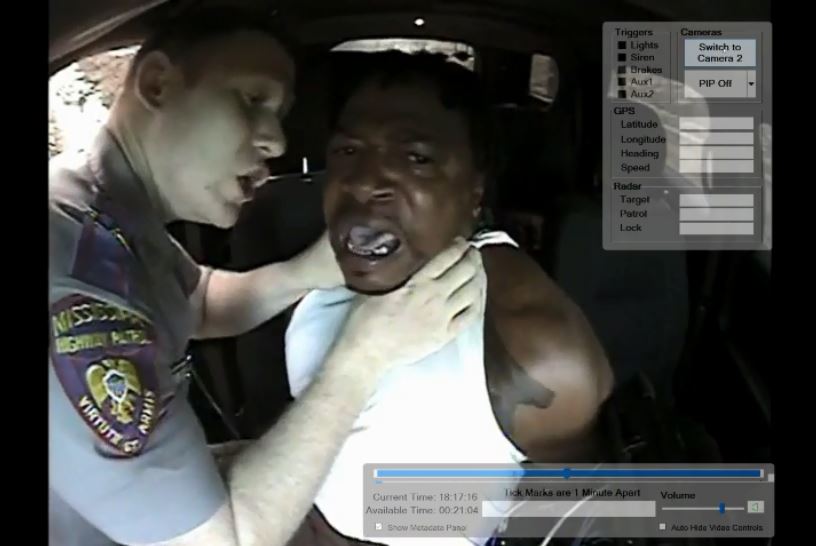
The video showed the trooper putting a handcuffed man into a chokehold and wrestling the man into a ditch in McComb, Mississippi.
Despite this evidence, this scumbag was found not to have broken any rules by his equal scumbag colleagues. The subject is in handcuffs.
The Mississippi Department of Public Safety said Friday that its internal investigation found no criminal conduct by a white Highway Patrol trooper who used physical force against a handcuffed Black man during an arrest — a confrontation caught on video by relatives of the man being arrested. An investigation started after the relatives’ video of the Aug. 5 incident went viral. The footage showed the trooper putting a handcuffed man into a chokehold and wrestling him into a grassy ditch in a rural area near the south Mississippi city of McComb.
The department and investigators from two of its divisions, the Mississippi Highway Safety Patrol and the Mississippi Bureau of Investigation, said they completed all necessary inquiries. “A review of this incident by MBI agents and command staff produced no evidence of criminal conduct by the trooper throughout the encounter,” Lt. Col. Charles Haynes, director of the Mississippi Bureau of Investigation, said in a news release. The Department of Public Safety released nearly 40 minutes of video and audio. It included video shot by cameras in the trooper’s patrol car, audio captured by the trooper and video shot by brothers of the first man arrested. Although some of the patrol car footage was silent, the department said it had synchronized the video and the audio clips.
Part of the footage shows Eugene Lewis standing in the road in handcuffs as his brother Gary, who also goes by the name “Packer” Lewis, and another brother, Derrius Lewis, yelled that they were recording the incident. Suddenly, the trooper grabbed Eugene Lewis by the neck and pulled him across the road, tackling him to the ground. At one point, the trooper appeared to use his knee to pin him down. Investigators identified the trooper as Hayden Falvey. In the combined video and audio, Lewis can be heard telling Falvey, “I can’t breathe,” to which the trooper responded, “You’re running your mouth. You can breathe.” According to the news release, Falveypulled over Lewis for speeding and other traffic violations. It also said Falveyalleged he smelled burnt marijuana from the vehicle, and Lewis’ eyes were bloodshot and glassy. In patrol car dashboard camera footage and audio released Friday, Falveycan be heard saying to Eugene Lewis: “Did you smoke some weed recently?” Lewis replied that he had done so about 40 or 50 minutes earlier. “OK,” Falvey said as he patted down Lewis. “Not a big deal.” Falvey put handcuffs on Lewis, saying it was a precaution as he searched Lewis’ SUV. The trooper said Lewis was not under arrest at that point and asked Lewis several questions about whether he had ever been arrested and whether any marijuana or other drugs were in the vehicle. Lewis said he had previously been arrested for selling cocaine.
During the trooper’s vehicle search, Gary and Derrius Lewis drove up in a Dodge Charger, stopped and got out of their vehicle. They identified themselves as Lewis’ brothers. After a brief exchange with Falvey, the brothers left. They soon returned to shoot cellphone video as the trooper’s physical altercation with Eugene Lewis started. After Falvey put Eugene Lewis into the patrol car and buckled his seatbelt, Lewis used obscenities against the trooper. “I’m glad you feel that way, sir,” Falvey responded. Video shot by one of Eugene Lewis’ brothers showed another state trooper arriving. It also showed one of the troopers walking toward the two brothers and pointing a weapon at one of them. Troopers arrested Eugene Lewis’ two brothers. In the audio released Friday, Falveycan be heard telling the men they should not have stopped to shoot video. “Your brother is going to jail,” Falvey said. “Now all of y’all are catching charges for your theatrics.”
Packer Lewis said his brothers were released from jail that night, but he was kept two more days because of a past charge on his criminal record. He said he is facing nine charges related to the incident, including obstruction of justice. Eugene Lewis is also facing eight charges and Derrius Lewis is facing five charges. Tindell defended the troopers’ decision to arrest the brothers who shot video of the incident. “While DPS and MHSP recognize and respect the right of citizens to observe, and even record, law enforcement officers executing their duties, those rights are not without limitations,” Tindell said in the news release. “As you will see, this event is a prime example of how even a routine traffic stop can quickly turn into a dangerous situation for both citizens and law enforcement officers when subjects resist arrest and when uninvolved persons interfere.”
A civil rights group is asking for a federal investigation into “systemic, condoned racism” in a small town where 86% of the population is Black.
A civil rights advocacy organization on Tuesday filed a lawsuit against the town of Lexington, Mississippi, and called for a federal investigation into what it described as “systemic, condoned racism” from the town’s government and police department. The lawsuit details past examples of police violence and misconduct against Black residents. JULIAN, the organization that filed the suit in the U.S. District Court of Southern Mississippi, said the incidents highlight a top-down issue of racism in a town where most residents are Black and most people in leadership positions are white.
“According to data compiled by JULIAN and ACLU-Mississippi, the LPD has customarily violated the First, Fourth, and Fourteenth Amendments, the fundamental right to travel freely, and the Civil Rights Act,” the lawsuit alleges. “Over 200 Black citizens have formally or informally complained about being harassed, arrested, or fined for baseless reasons in the past year or so.”
JULIAN filed the suit after recordings surfaced of Sam Dobbins, who was police chief in the town at the time, using racial and homophobic slurs and bragging about killing multiple people as a police officer. The town’s Board of Aldermen voted 3 – 2 to remove Dobbins from his role after the recording surfaced, and he was fired on July 20.
In the recording, Dobbins describes shooting a Black man in a cornfield as “justified, bro.”
“I shot that n****r 119 times, OK?” he says in the expletive-laden recording that also includes the statement: “I don’t talk to fucking queers, I don’t talk to fucking f****ts.”
Dobbins also tells an officer in the recording that he had killed 13 people in his career, and that he was proud of the fact that the Lexington community “fears” him, according to the lawsuit
JULIAN is requesting that the court issue a temporary restraining order against the Lexington Police Department to stop officers from “threatening, coercing, harassing, assaulting or interfering” with residents’ constitutional rights. The order would require the department to overhaul many of its policies related to policing, including those pertaining to excessive force and traffic stops, and the city to establish a civilian law enforcement review board.
Black residents make up about 86% of Lexington, a town of less than 1,800 people. In its lawsuit, JULIAN calls the town “tiny and deeply segregated,” and says it is “controlled” by a wealthy white family, as well as a white mayor, former police chief, city judge and city attorney.
“Every single branch of government is controlled by white people in a town that is 86% black,” Jill Collen Jefferson, the president and founder of JULIAN, told HuffPost. “This is Jim Crow at its finest. What I want people to see is that this never ever stopped.”
The lawsuit further alleges Lexington police retaliated against Black community members after a meeting where citizens met to speak about their grievances against the department on April 7. The meeting’s most “outspoken” participants — Robert Harris and Darius Harris — were arrested after the meeting, the lawsuit reads.
“The retaliation and baseless arrests that Plaintiffs Robert and Darius Harris experienced are consistent with how LPD treats any Black resident who stands up for themselves, speaks out, or dares to live their lives in Lexington. In fact, Plaintiffs Robert and Darius Harris had been falsely arrested in retaliation for opposing police harassment in the past,” the suit says
The lawsuit further alleges that between 2021 and 2022, many other Black residents were falsely arrested, forced to undergo “baseless” searches and seizures, and were subjected to “unreasonable” force by Lexington cops if they spoke out against their arrest.
The Lexington Police Department did not respond to requests for comment on the lawsuit.
From 1882 to 1968, 4,743 lynchings occurred in the U.S., according to records maintained by NAACP. Other accounts, including the Equal Justice Initiative’s extensive report on lynching, count slightly different numbers, but it’s impossible to know for certain how many lynchings occurred because there was no formal tracking. Many historians believe the true number is underreported.
The highest number of lynchings during that time period occurred in Mississippi, with 581 recorded. Georgia was second with 531, and Texas was third with 493. Lynchings did not occur in every state. There are no recorded lynchings in Arizona, Idaho, Maine, Nevada, South Dakota, Vermont, and Wisconsin.
Black people were the primary victims of lynching: 3,446, or about 72 percent of the people lynched, were Black. But they weren’t the only victims of lynching. Some white people were lynched for helping Black people or for being anti-lynching. Immigrants from Mexico, China, Australia, and other countries were also lynched.
ALLEGATIONSBEHINDLYNCHINGS
White mobs often used dubious criminal accusations to justify lynchings. A common claim used to lynch Black men was perceived sexual transgressions against white women. Charges of rape were routinely fabricated. These allegations were used to enforce segregation and advance stereotypes of Black men as violent, hypersexual aggressors.
Hundreds of Black people were lynched based on accusations of other crimes, including murder, arson, robbery, and vagrancy.
Many victims of lynchings were murdered without being accused of any crime. They were killed for violating social customs or racial expectations, such as speaking to white people with less respect than what white people believed they were owed.
HOWNAACPFOUGHTLYNCHING
As Black Americans fled the South to escape the terror of lynchings, a historic event known as the Great Migration, people began to oppose lynchings in a number of ways. They conducted grassroots activism, such as boycotting white businesses. Anti-lynching crusaders like Ida B. Wells composed newspaper columns to criticize the atrocities of lynching.
And several important civil rights organizations — including NAACP — emerged during this time to combat racial violence.
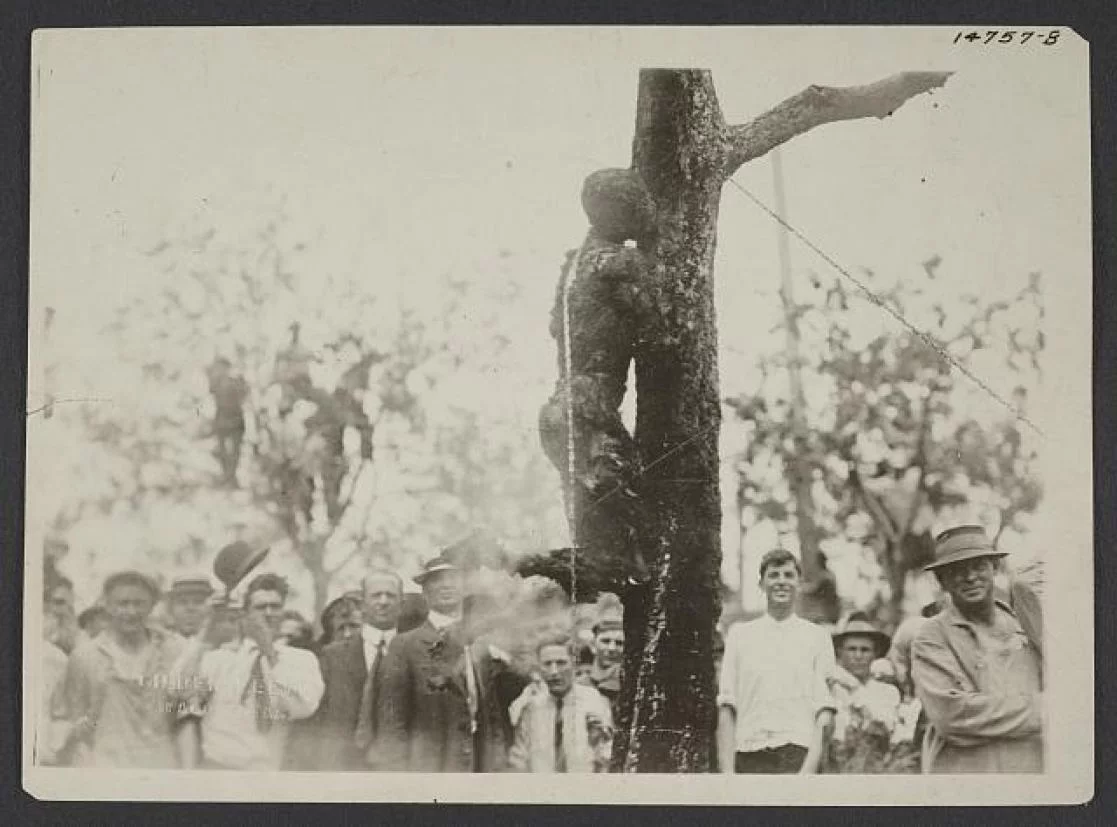
NAACP led a courageous battle against lynching. In the July 1916 issue of The Crisis, editor W.E.B. Du Bois published a photo essay called “The Waco Horror” that featured brutal images of the lynching of Jesse Washington.
Washington was a 17-year-old Black teen lynched in Waco, Texas, by a white mob that accused him of killing Lucy Fryer, a white woman. Du Bois was able to turn postcards of Washington’s murder against their creators to energize the anti-lynching movement. The Crisis’s circulation grew by 50,000 over the next two years, and we raised $20,000 toward an anti-lynching campaign.In 1919, NAACP published Thirty Years of Lynching in the United States, 1889 – 1919, to promote awareness of the scope of lynching. The data in this study offer the gruesome facts by number, year, state, color, sex, and alleged offense.
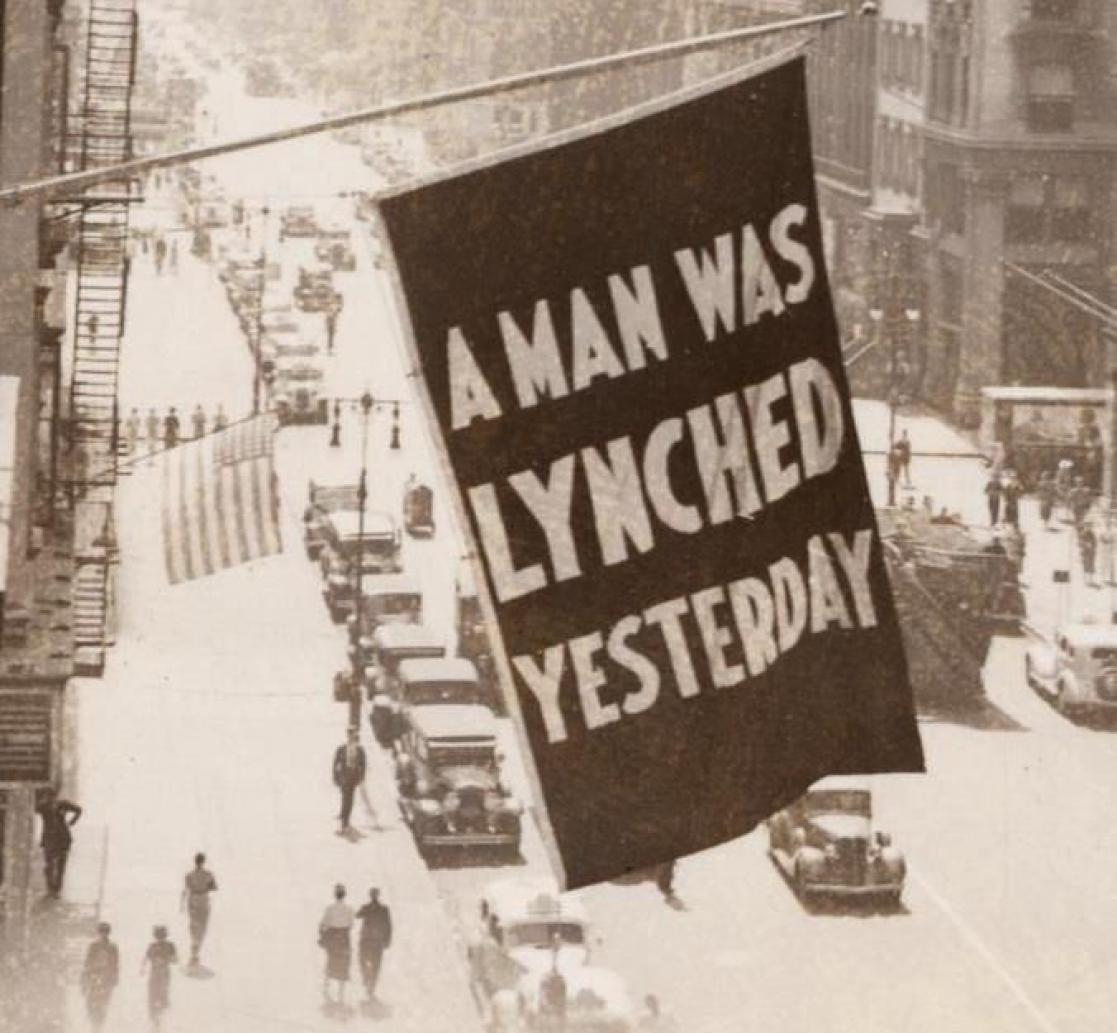
Among the campaign’s other efforts, from 1920 to 1938, we flew a flag from our national headquarters in New York that bore the words “A man was lynched yesterday.” The campaign turned the tide of public opinion and even persuaded some southern newspapers to oppose lynching because it was damaging the South’s economic prospects.
We also fought hard for anti-lynching legislation. In 1918, Congressman Leonidas Dyer of Missouri first introduced his Anti-Lynching Bill — known as the Dyer Bill — into Congress. NAACP supported passage of the bill from 1919 onward, though it was defeated by a Senate filibuster. NAACP continued to push for federal anti-lynching legislation into the 1930s.
National lynching rates declined in the 1930s, a trend that NAACP Executive Secretary Walter White attributed to anti-lynching activism, shifts in public opinion, and the Great Migration. The first full year without a recorded lynching occurred in 1952.
THELYNCHINGOFEMMETTILL
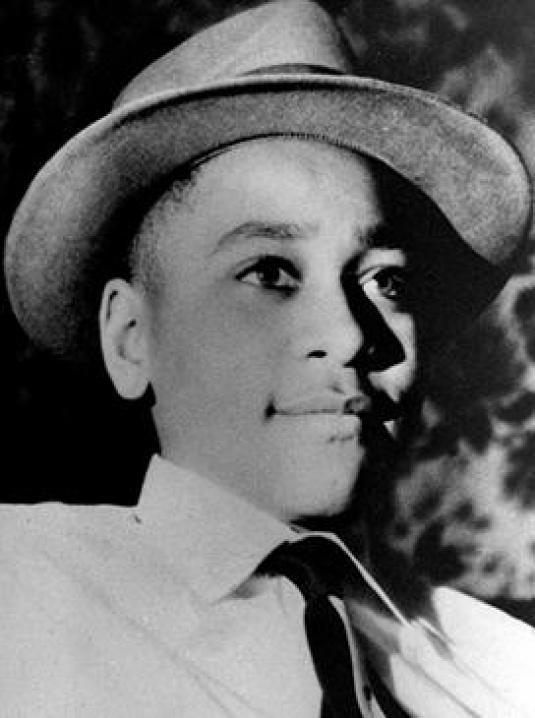
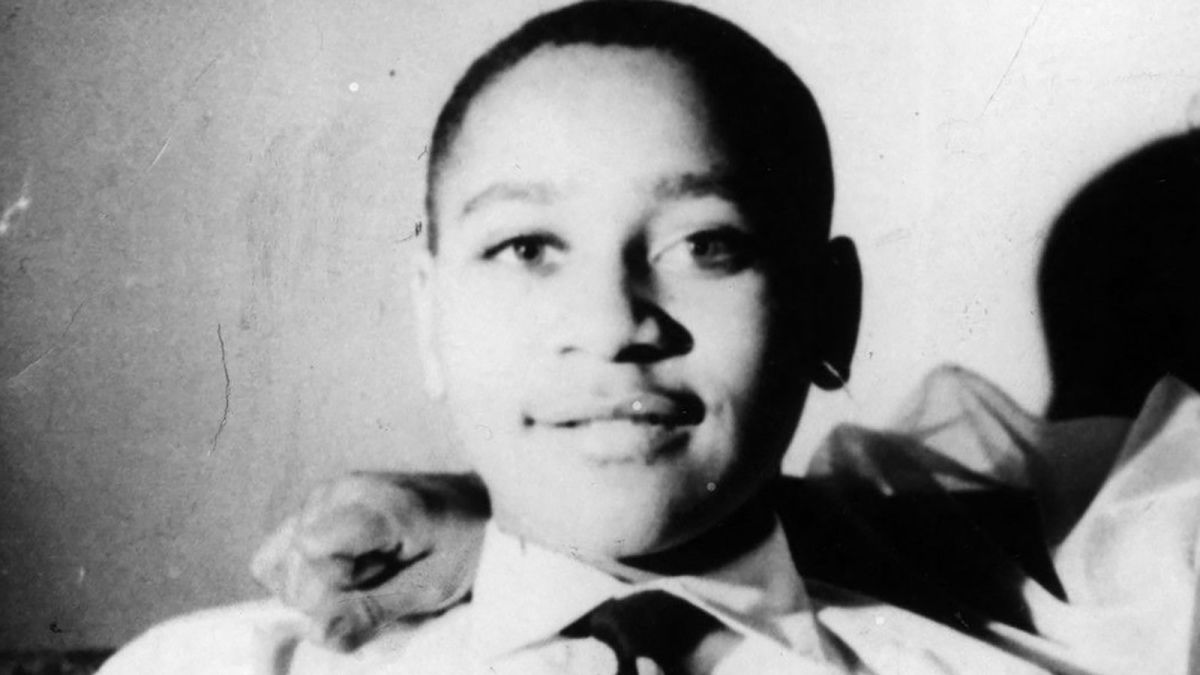
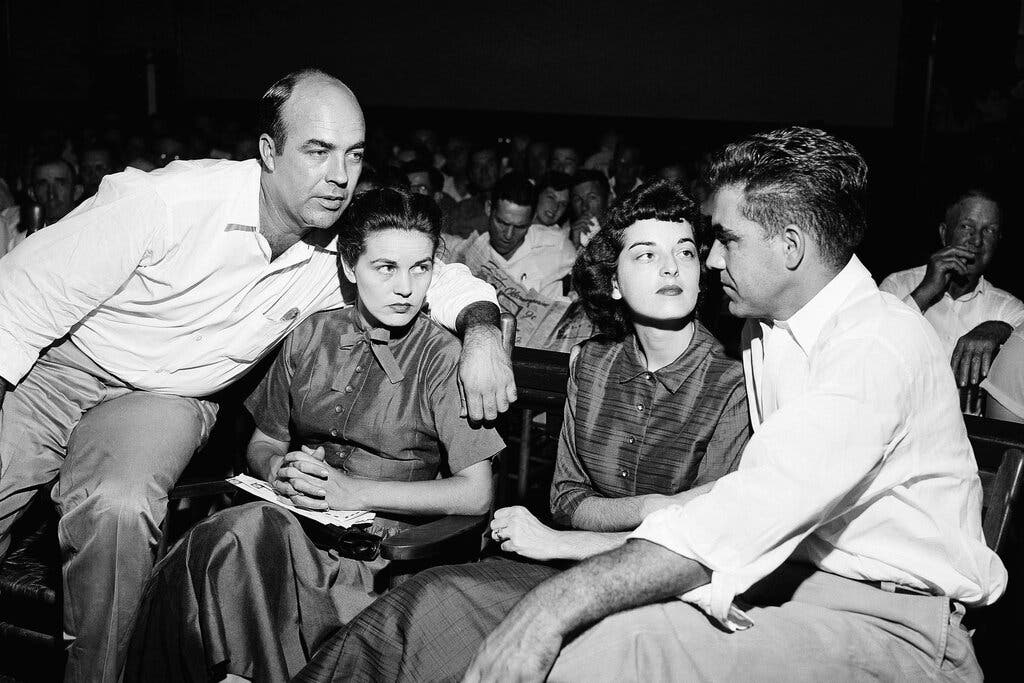
The tide may have turned against lynching, but white supremacy and violence continued to terrorize Black communities. In 1955, 14-year-old Emmett Till was brutally murdered for allegedly flirting with a white woman. Till’s murder and subsequent injustice deeply affected the Black community and galvanized a young generation of Black people to join the Civil Rights Movement.
NAACP declared Till’s murder a lynching. Southeast Regional Director Ruby Hurley, Mississippi Field Secretary Medgar Evers, and Amzie Moore, president of the Bolivar County branch in Mississippi, initiated the homicide investigation and secured witnesses. An all-white jury acquitted the two men accused, who later bragged about their crimes in a magazine article.
Mamie Elizabeth Till-Mobley, Emmet Till’s mother, decided to hold an open-casket funeral to put her son’s brutalized body on display for the world to see. Jet Magazine published photos of his body in the casket, along with the headline “Negro Boy Was Killed for ‘Wolf Whistle,’ ” causing national outrage among Black and white Americans alike, helping to catalyze the Civil Rights Movement.
MODERN-DAYLYNCHINGS
You might think of lynchings as a disgraceful and barbaric practice from the past, but they continue to this day. In 1998, James Byrd was chained to a car by three white supremacists and dragged to his death in the streets of Jasper, Texas. In 2020, Ahmaud Arbery was fatally shot while jogging near Brunswick, Georgia. The three white men charged with killing Arbery claimed he was trespassing.The videotaped death of George Floyd was a modern-day lynching. Floyd was killed in broad daylight by police officer Derek Chauvin, who held Floyd down with a knee on his neck for more than nine minutes.
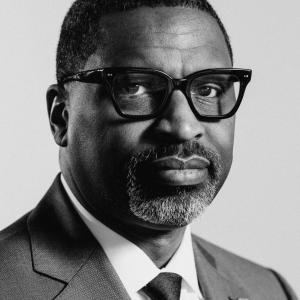
What we witnessed with George Floyd was that same public spectacle: someone in broad daylight with onlookers around, being killed at the hands of a law enforcement officer who has just complete disregard for human life and felt he was above the law. - Derrick Johnson, NAACP President and CEO.
WALTERWHITE, INVESTIGATOR
In 1918, Walter White, NAACP Assistant Secretary, initially joined NAACP as an investigator. His fair skin and straight hair made him effective in conducting investigations of lynchings and race riots in the South. He could “pass” and talk to whites but identified as Black. Through 1927, White would investigate 41 lynchings.
The Lynching of Mary Turner, May 19, 1918 – Georgia
The lynching of Mary Turner in Brooks-Lowndes County, Georgia, was one of the lynching investigations by Walter White on behalf of NAACP. Abusive plantation owner, Hampton Smith, was shot and killed. A week-long manhunt resulted in the killing of Mary Turner’s husband, Hayes Turner. Mary denied that her husband had been involved in Smith’s killing, publicly opposed her husband’s murder, and threatened to have members of the mob arrested.
On May 19, 1918, a mob of several hundred brought her to Folsom Bridge, tied Mary’s ankles, hung her upside down from a tree, doused her in gasoline and motor oil and set her on fire. She was still alive when a member of the mob split her abdomen open with a knife. Her unborn child fell to the ground, was stomped and crushed. Mary’s body was riddled with hundreds of bullets.
The September 1918 issue of The Crisis carried an account of the lynching.
The Lynching of Jesse McIlherron, February 1918 – Tennessee
The lynching of Jesse McIlherron was another Walter White investigation for NAACP. Jesse was a Black man who resented the slights and insults of white men. He stayed armed and the sheriff feared him. On February 8, 1918, he got into a quarrel with three young white men who insulted him. Threats were made and McIlherron shot and killed two of the men.
McIlherron fled to the home of a Black clergyman who aided him to escape and was later shot and killed by a mob. McIlherron was captured and lynched. McIlherron was chained to a hickory tree, a fire was built, and the torture began. Bars of iron were heated and the mob amused itself by putting them close to McIlherron, at first without touching him. He grasped at a bar and as it was jerked from his grasp, the inside of his hand came with it. Then, the real torturing began, lasting twenty minutes.
During that time, while his flesh was slowly roasting, Jesse never lost nerve. He cursed those who tortured him and almost to the last breath, derided the attempts of the mob to break his spirit.
An account of the lynching of Jesse was carried in the May 1918 issue of The Crisis.
If you are Black, have a family, and live in the United States but want to discuss sports and movies with me but have no clue about what is happening around you otherwise. Do me a favor, miss me with the questions on sports and movies. I am not your guy. (mb)
By Andrew Wolfson
Kelly Goodlett,
Former Louisville Metro Police Detective Kelly Goodlett will plead guilty to one count of conspiring to violate the civil rights of Breonna Taylor for helping falsify an affidavit for the search of her apartment in March 2020, her attorney said.
Goodlett will appear Aug. 22 before U.S. District Judge David Hall to enter her plea, her lawyer, Brandon Marshall, announced in court Friday.
Magistrate Judge Regina Edwards ordered Goodlett to surrender her passport and have no contact with her codefendants ― Sgt. Kyle Meany and former detectives Joshua Jaynes and Brett Hankison.
Goodlett was expected to plead guilty ― and testify against her colleagues ― because she was charged by information rather than indicted.
She faces a sentence of no more than five years in prison.
The charging document says Goodlett falsely claimed a postal inspector had verified Taylor was receiving packages for her ex-boyfriend, convicted drug dealer Jamarcus Glover, at her apartment before the raid
Goodlett, a detective in the now-disbanded Place-Based Investigations, also is charged with knowingly conspiring with Jaynes and others to falsify the search warrant affidavit.
She is also accused of falsely telling investigators with the Kentucky Attorney General’s office that Sgt. John Mattingly “in passing” had told Goodlett and Jaynes that three months before Taylor’s death that Glover was getting mail or Amazon package at her apartment
And she is accused of meeting with Jaynes in his garage after local TV station WDRB reported the claim about the postal inspector was bogus so she and Jayne could “get on the same page.”
Jayne and Meany also face civil rights charges for the search that ended in Taylor’s death while Hankison is charged with violating the civil rights of Taylor; her boyfriend, Kenneth Walker; and three of Taylor’s neighbors; by blindly firing shots into her apartment.
Taylor was killed during a police raid on her Louisville apartment when Walker, thinking an intruder was breaking in, fired one shot that hit Mattingly in the leg. He and Cosgrove returned fire, killing Taylor.
She was 26, and her death set off protests that lasted for months in Louisville and across the country.
Crime is essentially a social issue, but it also grows exponentially where there’s tolerance for it, then it becomes cultural. In the United States, for example, most of the criminal activities in and around large and small cities may be traced directly to structural builtins created by the government along racial lines… In the black community, for example, schools are substandard, housing is substandard, health care and facilities are substandard, and policing services are not only substandard, but they are also a direct cause of parts of the community’s refusal to be a part of the consent between police and the community that makes policing work. Here are some alarming facts according to the United Nations Children’s Fund. https://mikebeckles.com/trump-invokes-the-5th-at-tish-james-office-but-wait-what/
♦ African American students are less likely than white students to access college-ready courses. In fact, in 2011-12, only 57 percent of black students had access to a full range of math and science courses necessary for college readiness, compared to 81 percent of Asian American students and 71 percent of white students.
♦ Even when black students do have access to honors or advanced placement courses, they are vastly underrepresented in these courses. Black and Latino students represent 38 percent of students in schools that offer AP courses, but only 29 percent of students enrolled in at least one AP course. Black and Latino students also have less access to gifted and talented education programs than white students. https://mikebeckles.com/359864 – 2/
♦African American students are often located in schools with less qualified teachers, teachers with lower salaries, and novice teachers.
♦ Research has shown evidence of systematic bias in teacher expectations for African American students, and non-black teachers were found to have lower expectations of black students than black teachers.
♦ Black students spend less time in the classroom due to discipline, which further hinders their access to quality education. Black students are nearly two times as likely to be suspended without educational services as white students. Black students are also 3.8 times as likely to receive one or more out-of-school suspensions as white students. In addition, black children represent 19 percent of the nation’s pre-school population, yet 47 percent of those receiving more than one out-of-school suspension. In comparison, white students represent 41 percent of pre-school enrollment but only 28 percent of those receiving more than one out-of-school suspension. Even more troubling, black students are 2.3 times as likely to receive a referral to law enforcement or be subject to a school-related arrest as white students. https://mikebeckles.com/samuel-alito-gloats-chastised-foreign-leaders-after-overturning-roe/
These are not accidental facts; they are well thought out, well-executed strategies designed to disrupt and deny black students’ progress, with the ultimate goal of directing our young people into the prison industrial complex. In her riveting book titled “The New Jim Crow,” Attorney, Author, Activist, and Academic Michelle Alexander lays out succinctly how this dastardly system criminalizes young black children, particularly males. Young black men who are subjected to the foregone are at tremendous risk of ending up ensnared in the trap of the for-profit prison industrial complex. The result is fathers removed from black homes, subjecting their children to the full raft of negative consequences associated with that trauma. This results in a continuous cycle of negativity, the type that has plagued the African American community since after Reconstruction, the period after slavery when the laws of the second act of slavery were designed. Crime in the Black community that is decried, politicized, and racialized is a construct; it is not accidental. It is merely one of the results of deep planning, the same we are witnessing today in voting and other areas by the political right. https://mikebeckles.com/texas-police-were-looking-for-teen-suspects-but-they-instead-detained-a-black-couple-in-their-50s-and-60s-at-gunpoint-lawsuit-says/
The Reconstruction era was a period in American history following the American Civil War; it lasted from 1865 to 1877. The Compromise of 1877 was an informal agreement between southern Democrats and allies of the Republican Rutherford Hayes to settle the result of the 1876 presidential election and marked the end of the Reconstruction era. Immediately after the presidential election of 1876, it became clear that the outcome of the race hinged largely on disputed returns from Florida, Louisiana, and South Carolina–the only three states in the South with Reconstruction-era Republican governments still in power. As a bipartisan congressional commission debated over the outcome early in 1877, allies of the Republican Party candidate Rutherford Hayes met in secret with moderate southern Democrats in order to negotiate acceptance of Hayes’ election. The Democrats agreed not to block Hayes’ victory on the condition that Republicans withdraw all federal troops from the South, thus consolidating Democratic control over the region. As a result of the so-called Compromise of 1877 (or Compromise of 1876), Florida, Louisiana, and South Carolina became Democratic once again, effectively bringing an end to the Reconstruction era. (History.com) https://mikebeckles.com/louisiana-attorney-general-drops-charges-against-aaron-bowman-a-black-man-arrested-after-being-struck-18-times-with/ The more things change, the more they remain the same.
By the 1870s, support was waning for the racially egalitarian policies of Reconstruction, a series of laws put in place after the Civil War to protect the rights of African Americans, especially in the South. Many southern whites had resorted to intimidation and violence to keep blacks from voting and restore white supremacy in the region. I will stop here; suffice to say that as we witness a near-total disintegration of rights and freedoms in the United States as people of color, let us revisit two concepts, (1) the idea that we are making progress, that we must be patient for the time when all people are treated equally, and (2) Dr. Martin Luther King’s charge to be wary of what he called the tranquil drug of gradualism. The sons and daughters of slavers, rapists, and murderers are not about to suddenly become great people. Believe they will have at your own peril. https://mikebeckles.com/another-unarmed-black-man-murdered-by-police-his-crime-shoplifting/
.
.
.
.
Mike Beckles is a former Police Detective, businessman, freelance writer, black achiever honoree, and creator of the blog mikebeckles.com.
Emmet Till was a mere 14-year-old boy when the Neanderthal brutes took his life. To date, the American Justice system has held absolutely no one responsible for his death despite a mountain of evidence .
Even after the discovery of an arrest warrant and an unpublished memoir, the woman behind Emmett Till‘s lynching has yet again avoided prosecution. A grand jury on Tuesday declined to indict Carolyn Bryant Donham, the woman who accused Emmett of making a pass at her in 1955 in Mississippi during the Jim Crow Era. Leflore County district attorney Dewayne Richardson said the grand jury heard more than seven hours of testimony from investigators and witnesses last week and decided there wasn’t enough evidence to pursue charges against Donham. (According to StlantaBlackstar).
Carolyn Bryant Donham, second from right, sitting beside her former husband, Roy Bryant, right, and J.W. Milam, far left, during their trial in Emmett Till’s murder in Sumner, Miss., in 1955.Credit…Associated Press.
Donham’s husband and brother-in-law were arrested then acquitted for Emmett’s murder in 1955. Parker said Emmett whistled at the woman at her family store. She told her husband about the encounter, setting off the deadly attack. Roy Bryant and J.W. Milam admitted to kidnapping, torturing and beating the teenager before tying him to a gin fan and dumping his body in a river. Donham told the court during her husband’s trial that the boy held her hand and told her he had been with other white women.
This pathetic lying Karen understood how easy it was to weaponize the weak-minded excuses men in her life to commit murder. The system, true to form, refuses to indict the essence of white fragility, a white woman.
Even though she is reportedly sick from cancer and is in hospice care, Carolyn Bryant Donham continue to lie about what occurred, mostly to protect her own sorry despicable ass 70 years later.
A Black elderly couple has filed a lawsuit against a Texas police department after they said police violently arrested them at gunpoint while searching for teenage suspects. Attorneys for 67-year-old Michael Lewis and his girlfriend, 57-year-old Regina Armstead, said the Rosenberg Police Department used excessive force during the November 2020 arrest. “What they went through was incredibly demeaning and dehumanizing and unconstitutional,” attorney Lauren Bonds told Insider. The lawsuit said that five RPD officers were searching for a group of Black teenagers who were suspected of brandishing weapons and assault when they pulled over Lewis and Armstead.
Regina Armstead and Michael Lewis. Courtesy of Michael Lewis.
A Black elderly couple has filed a lawsuit against a Texas police department after they said police violently arrested them at gunpoint while searching for teenage suspects. Attorneys for 67-year-old Michael Lewis and his girlfriend, 57-year-old Regina Armstead, said the Rosenberg Police Department used excessive force during the November 2020 arrest. “What they went through was incredibly demeaning and dehumanizing and unconstitutional,” attorney Lauren Bonds told Insider. The lawsuit said that five RPD officers were searching for a group of Black teenagers who were suspected of brandishing weapons and assault when they pulled over Lewis and Armstead.
We both feared for our lives’
After Armstead was placed in the back of a police vehicle, “four armed officers — including one holding an assault rifle — then ordered Mr. Lewis out of the vehicle and told him to get on the ground,” the lawsuit said. “I was praying to God that the guns didn’t go off on us because when you point guns at somebody like that, you never know,” Lewis told Insider. The officers cuffed Lewis despite his medical objections and placed him in a separate police car while they searched Armstead’s vehicle and confiscated her cell phone without explanation, said the lawsuit, which accuses RPD of illegal search and seizure, unlawful detention, and false arrest. “That was real scary. I tell you, it really was. I feared for my life. I really did, and Regina too,” Lewis said. “We both feared for our lives. Because, like I said, a gun could have went off.”
The lawsuit said that after officers found “no weapons, no contraband, and no other evidence of illegal activity” in Armstead’s vehicle, she and Lewis were uncuffed. Armstead asked why they had been stopped and searched, and an officer said they were searching for teenage suspects, the lawsuit said. Armstead later realized she did not have her cell phone or her keys, the lawsuit said. They returned to the scene to collect Armstead’s phone from an officer and discovered their key fob, which had been tossed out the window at police instruction, was crushed. RPD said they would reimburse Armstead for the key fob, but they did not, the lawsuit said. Both Armstead and Lewis “felt frightened, humiliated, embarrassed, and persecuted for being Black, and suffered severe mental anguish from the arrest and from being detained,” said the lawsuit, which claims officers violated the Fourth Amendment and the Americans With Disabilities Act. “As a result of the handcuffing during his arrest, Mr. Lewis’s medical device in his wrist malfunctioned. This resulted in three separate medical procedures to replace his fistula. These procedures caused prolonged pain and suffering to Mr. Lewis,” the lawsuit said. Bonds, Lewis and Armstead’s attorney, said she hopes “to see if we can get them some accountability and justice.” A spokesperson for RPD did not immediately respond to Insider’s request for comment. (This story originated @ Insider.com)

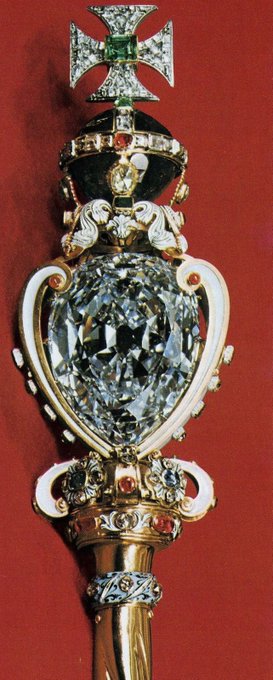

 You know we are royally f****d in the head when we mourn the passing of the very head of the shit-stim that has raped, enslaved, sodomized, and murdered our ancestors and continues to degrade us every day.