Honoring Sgt LA David Johnson For His Service And Sacrifice

Myeshia Johnson the wid­ow of Sergeant LA David Johnson who lost his life in Niger with four oth­er ser­vice mem­bers has lament­ed that she has not been allowed to see her hus­band’s remains despite mak­ing repeat­ed request of the mil­i­tary to allow her to see her hus­band’s remains.

Sergeant Johnson and wife (abc photo)

The young wife of the 23-year-old army sergeant said has two small chil­dren and has one on the way. She said for all she knows her hus­band’s remains may not even be in the cof­fin she was forced to bury.
I know my hus­band’s body from head to toe for all I know my hus­bands remains may not even be in that box[nydailynews, com]

Funeral for Sergeant LA David Johnson

The idea of hav­ing to bury a box with­out know­ing exact­ly whats in the box must be heart-rend­ing being forced to deal with doing so while preg­nant and hav­ing to deal with tak­ing care of two small chil­dren is some­thing the rest of us can only try to imagine.

We hon­or this fam­i­ly for their sac­ri­fice to a coun­try which still does not see their sac­ri­fice as it does that of others.
Sleep well sol­dier in Gods’ arms, sleep and take your rest.

Freedom Is Never Free

Every time I get despon­dent about the way things are I am buoyed by the kind­ness and the good­ness of ordi­nary peo­ple, good and decent peo­ple who some­times place their lives on the line when they did­n’t have to.
People who extend them­selves gra­cious­ly in cir­cum­stances and at times when it would have been easy and con­ve­nient to sim­ply stand aside, they step for­ward in times of trou­ble and tur­moil for oth­ers who do not look like them, do not live where they live, do not wor­ship in the same church.

Chaney, Goodman, and Schwerner.

It is so easy to be neg­a­tive about the things we see hap­pen­ing around us racial­ly, not that we should­n’t be vig­i­lant but I have always sought to remind those I come in con­tact with that deep down we are all God’s peo­ple regard­less of our skin color.
Like the myr­i­ad species of fish in the great big Oceans, the cor­nu­copia of dif­fer­ent flow­ery hues in a mead­ow, Black peo­ple, White People, Brown peo­ple are all God’s chil­dren in the mead­ow of life.

Chaney, Goodman, and Schwerner trav­eled from Meridian, Mississippi, to the com­mu­ni­ty of Longdale to talk with con­gre­ga­tion mem­bers at a church that had been burned. The trio was there­after arrest­ed fol­low­ing a traf­fic stop out­side Philadelphia, Mississippi, for speed­ing escort­ed to the local jail and held for a num­ber of hours.[1] As the three left town in their car, they were fol­lowed by law enforce­ment and oth­ers. Before leav­ing Neshoba County their car was pulled over and all three were abduct­ed, dri­ven to anoth­er loca­tion, and shot at close range. The three men’s bod­ies were then trans­port­ed to an earth­en dam where they were buried.[wikipedia]

Chaney the young black man was under­stand­ably fight­ing for the rights and dig­ni­ty of blacks includ­ing him­self, Goodman, and Schwerner did not have to care, they did not have to offer them­selves to change the arc of injus­tice, they did not have to give their lives but they did.

The sys­temic abuse and the dehu­man­iz­ing treat­ment Black Americans faced for over four hun­dred years which cul­mi­nat­ed in the Civil Rights strug­gles of the 1960’s, did not go away when President Lyndon Johnson signed the land­mark 1964 Civil Rights Act into law.
Black Americans sim­ply got fat and lazy, sim­ply put, African-Americans began an unprece­dent­ed slide into a sense of immoral­i­ty and las­civ­i­ous behav­ior which evis­cer­at­ed the gains made by the great­est gen­er­a­tion which marched and died in the strug­gles of the 60’s.

Black Americans for­got one lit­tle thing, the fight was not over.
Today there are no black lead­ers, no black lead­er­ship orga­ni­za­tions which have not been com­pro­mised by the behav­iors I out­lined above or which haven’t been ren­dered use­less by covert intel­li­gence activities.

So is this rea­son to give in to despair, are we at a point where we all go to our indi­vid­ual cor­ners in this tire­some and seem­ing­ly exis­ten­tial racial back and forth?
Do we cow­er in fear as racial ani­mus raise its ugly head, do we with­draw from our broth­ers and sis­ters who look dif­fer­ent­ly than we do now that the putrid stench of hate has been giv­en fer­tile soil in which to grow?

Dr. Martin Luther King Jnr

I say no!
I am always hope­ful about the future, not just about the things which are record­ed in his­to­ry and seared into our psy­ches like the killing of Chaney, Goodman, and Schwerner, but in the lit­tle things which are easy to miss.
People like Miss Imoudio, my dear­ly depart­ed son’s grade school teacher who turned up at his funer­al-ser­vice years after he had left her care and was a third-year col­lege student.

She cared about her stu­dents so she turned up to offer com­fort. Miss Imoudio just hap­pen to have white skin.
It is peo­ple who work at the Bank I use, peo­ple who left their jobs when they did not have to, to come and offer their hugs and words of com­fort to my fam­i­ly and me in our dark­est hour.
It gives rise to the kind of hope for­mer President Obama speak about, the hope which comes from meet­ing peo­ple who are total­ly dif­fer­ent who would give you the clothes off their backs.

It’s my many friends who sat me down and gave me advice as I ven­tured out into busi­ness, [men, and women who just hap­pen to be white] which gives me hope that this prob­lem which seems so insur­mount­able at times will not over­whelm us all.

No, racism and big­otry are not going away, it is human nature to crave one-up-manship.
Those with pow­er nev­er give that pow­er up, we use what­ev­er tools we have at our dis­pos­al to jus­ti­fy igno­rance and bad behavior.
It’s impor­tant that we do not lose hope amidst the noise and recrim­i­na­tions, it’s impor­tant to remem­ber that we were all cre­at­ed by the same God even when we strug­gle to believe it.

The strug­gle for civ­il rights and human dig­ni­ty is a gen­er­a­tional strug­gle. Young men and women who marched with torch­es in Chorletsville Virginia shout­ing Nazi slo­gans were not born racist bigots.
They learned those behav­iors from those around them, usu­al­ly par­ents, close rel­a­tives, and peers. It is impor­tant that those who push back against that kind of big­otry and hatred must also learn the strate­gies and meth­ods which are nec­es­sary to ensure that good pre­vails over evil.

Suit Against D.A. Who Used Fake Subpoenas To Put Victims In Jail Kicks Off Civil Rights Battle

Prosecutors are generally immune from accountability. A new joint initiative from Civil Rights Corps and the ACLU seeks to change that.

Renata Singleton is a plain­tiff in a law­suit against the dis­trict attor­ney in New Orleans.

WASHINGTON ― Renata Singleton is a black woman who spent five days in a New Orleans jail because she couldn’t afford her bail. Away from her three chil­dren, she lost eight pounds before her moth­er was final­ly able to pur­chase her release.

When Singleton got home, she had an 8 p.m. cur­few and start­ed wear­ing bell-bot­tom jeans to hide the elec­tron­ic mon­i­tor on her ankle from her kids. Despite hav­ing a master’s degree in busi­ness admin­is­tra­tion, she’s wor­ried she’ll have trou­ble find­ing a new job: Her mug shot and a record of her arrest are still float­ing around online.

None of those facts make Singleton’s sto­ry extra­or­di­nar­i­ly note­wor­thy: Legally inno­cent defen­dants unable pur­chase their free­dom ahead of tri­al are reg­u­lar­ly locked up. Here’s what does: Singleton wasn’t accused of a crime. She was the vic­tim of one.

About three years ago, in November 2014, Singleton got into an argu­ment with her boyfriend. He shat­tered her phone. Her daugh­ter called the police. The boyfriend was arrested.

Singleton’s ex-boyfriend was able to pay a $3,500 secured bond at his arraign­ment the next day, and he was released. He lat­er plead­ed guilty to two mis­de­meanors and was sen­tenced to pro­ba­tion with­out jail time.

Singleton, the vic­tim in the case, didn’t have such an easy go of it. When a vic­tim-wit­ness advo­cate for the Orleans Parish District Attorney’s Office reached out to her, Singleton said she wasn’t inter­est­ed in pur­su­ing charges. She had a job that paid by the hour, and she didn’t want to miss out on work or time with her kids. She’d bro­ken up with the man. She was ready to move on.

Prosecutors didn’t let her let it go. According to a law­suit filed Tuesday against Orleans Parish District Attorney Leon Cannizzaro and oth­ers in his office, inves­ti­ga­tors draft­ed up “sub­poe­nas” requir­ing Singleton to appear for a meet­ing at the dis­trict attorney’s office in April 2015, when the case against her ex-boyfriend was still pending.

Those doc­u­ments were not actu­al­ly sub­poe­nas ― but the dis­trict attorney’s office mis­lead­ing­ly labeled them as such to com­pel Singleton to show up to a meet­ing. Singleton didn’t know that at the time, but she didn’t go to the meet­ing because a friend in law enforce­ment told her that she hadn’t been valid­ly served.

The day Singleton missed the meet­ing, an assis­tant dis­trict attor­ney applied for a mate­r­i­al wit­ness war­rant, ask­ing the court to jail Singleton. Believing the fake sub­poe­nas were actu­al sub­poe­nas, a judge issued the arrest warrant.

Singleton even­tu­al­ly met with pros­e­cu­tors, but told them she wouldn’t talk to them with­out a lawyer present. Rather than grant­i­ng her access to a lawyer, pros­e­cu­tors had Singleton led out of their office in hand­cuffs, and she was arrest­ed on the warrant.

It was the first time Singleton had ever been arrest­ed. She was tak­en to jail and forced into an orange jump­suit. Her bail was $100,000 ― more than 28 times the bail amount set for her alleged abuser. She spent five days in jail before she went before a judge, who reduced her bail to an amount her moth­er could afford.

Singleton is now the main named plain­tiff in a law­suit against Cannizzaro and his office that alleges that his pros­e­cu­tors “rou­tine­ly issue their own fab­ri­cat­ed sub­poe­nas direct­ly from the District Attorney’s Office ― with­out any judi­cial approval or over­sight ― in order to coerce vic­tims and wit­ness­es into sub­mit­ting to inter­ro­ga­tions by pros­e­cu­tors out­side of court.”

The suit, filed by Civil Rights Corps, the American Civil Liberties Union and the ACLU of Louisiana, opens a new front in the legal bat­tle to change the crim­i­nal jus­tice sys­tem ― by chal­leng­ing the actions of pros­e­cu­tors through civ­il rights litigation.

Prosecutors are one of the biggest forces behind our society’s addic­tion to sense­less mass human caging,” says Alec Karakatsanis, the Civil Rights Corps’ founder. “And for years, they have oper­at­ed with vir­tu­al­ly no trans­paren­cy or account­abil­i­ty. Our hope is that cas­es like this one help tell peo­ple the sto­ry about what pros­e­cu­tors have been doing in our legal sys­tem, away from view, and about why they have been doing it.”

Anna Arceneaux, an ACLU senior staff attor­ney on the case, said she hoped this law­suit and oth­ers like it would help “change the land­scape in hold­ing pros­e­cu­tors account­able, because so much of our cri­sis of over-incar­cer­a­tion in this coun­try turns on the deci­sion-mak­ing of pros­e­cu­tors who are so used to not being held account­able and hav­ing very lit­tle over­sight of their decisions.”

TED JACKSON/​NOLACOM
Orleans Parish District Attorney Leon Cannizzaro, pic­tured here on April 6, 2015, now faces a law­suit from the ACLU and Civil Rights Corps.

Prosecutors are noto­ri­ous­ly pro­tect­ed from being held account­able for mis­con­duct. The high bar for suing pros­e­cu­tors for the actions they take in the course of their jobs amounts to near immunity.

But there is one rarely used pro­vi­sion of the law: chal­leng­ing pat­terns and prac­tices of uncon­sti­tu­tion­al con­duct. That’s what’s hap­pen­ing in the New Orleans case ― the plain­tiffs are alleg­ing that issu­ing fake sub­poe­nas was the office’s adopt­ed for­mal pol­i­cy, not just the action of one rogue prosecutor.

Cannizzaro had chal­lenged mem­bers of the New Orleans City Council last month to show him one per­son who was ever arrest­ed on one of the D.A. notices. It evi­dent­ly wasn’t too hard: Civil rights inves­ti­ga­tors have already found at least 10 cas­es in the past three years in which pros­e­cu­tors applied for arrest war­rants by rely­ing on the asser­tion that a wit­ness didn’t obey one of the office’s fraud­u­lent subpoenas.

The law­suit alleges that the Orleans Parish District Attorney’s Office engages in an uncon­sti­tu­tion­al pol­i­cy of using “extra­ju­di­cial and unlaw­ful means to coerce, arrest, and imprison crime vic­tims and wit­ness­es.” The law­suit said that vic­tims and wit­ness­es “rou­tine­ly wait weeks or even months in jail” before they appear before a judge.

According to the suit, a rape vic­tim spent 12 days in jail before mak­ing a first court appear­ance, while a child sex traf­fick­ing vic­tim spent 89 days behind bars before she was able to chal­lenge her deten­tion in court.

Defendants’ poli­cies are designed to cre­ate a cul­ture of fear and intim­i­da­tion that chills crime vic­tims and wit­ness­es from assert­ing their con­sti­tu­tion­al rights,” the law­suit says. “As a result of these poli­cies, crime vic­tims and wit­ness­es in Orleans Parish know that if they exer­cise their right not to speak with an inves­ti­gat­ing pros­e­cu­tor, they will face harass­ment, threats, arrest, and jail.”

Prosecutors can typ­i­cal­ly request sub­poe­nas through a for­mal process that requires wit­ness­es or vic­tims to appear at a court hear­ing or before a grand jury. They’re not allowed to use a sub­poe­na to demand that a wit­ness show up to a pri­vate meeting.

So pros­e­cu­tors in New Orleans forged and doc­tored the doc­u­ments, accord­ing to the law­suit. In one case, pros­e­cu­tors gave a doc­tored sub­poe­na to a 60-year-old home­less bat­tery vic­tim. The man was required to appear in court on March 6, 2017, but pros­e­cu­tors altered the doc­u­ment to say he’d instead have to show up to the dis­trict attorney’s office on March 3. The forgery was appar­ent because the indi­vid­ual who altered it failed to change the appear­ance date in some cas­es, and for­got to remove some ref­er­ences to the court, the law­suit said.

The Lens, a New Orleans news orga­ni­za­tion, first report­ed on the fake sub­poe­nas in April. Shortly after­ward, Cannizzaro announced he would bring an end to what he admit­ted was an “improp­er” office policy.

It was improp­er for us, it was incor­rect for us to label those notices as a sub­poe­na,” Cannizzzaro told a local news sta­tion. “That was incor­rect. It was improp­er and I take respon­si­bil­i­ty for that.”

Instead, the office has begun send­ing out “notices” that do not include the word “sub­poe­na.” Still, the law­suit alleges, the doc­u­ments “cre­ate the false impres­sion that the wit­ness is ‘required’ by law to meet pri­vate­ly with prosecutors.”

The law­suit also alleges that Cannizzaro threat­ened Tamara Jackson, the exec­u­tive direc­tor of the New Orleans vic­tim rights orga­ni­za­tion Silence Is Violence, anoth­er plain­tiff in the suit. According to the suit, after Jackson filed a com­plaint to the National District Attorneys Association about what she saw as the local dis­trict attor­ney office’s inad­e­quate pro­tec­tions for crime vic­tims, Cannizzaro “called Ms. Jackson and told her to be care­ful: if it appeared that she was encour­ag­ing vic­tims not to com­mu­ni­cate with his office, he could pros­e­cute her for wit­ness coercion.”

Jackson told HuffPost that the dis­trict attorney’s office’s actions have made her organization’s work more dif­fi­cult. She said she felt retal­i­at­ed against for pub­licly crit­i­ciz­ing the office for not offer­ing sup­port­ing ser­vices. “What they tell peo­ple is that they will like­ly have this wit­ness pro­tec­tion when we don’t have a wit­ness pro­tec­tion pro­gram here in Orleans Parish, and they’re not being truth­ful. They give folks decep­tive infor­ma­tion to encour­age them to share,” Jackson said. “I don’t trust them at all, and I do share the sen­ti­ments of our clients because I know what they’re capa­ble of.”

ACLU
Tamara Jackson of the New Orleans orga­ni­za­tion Silence Is Violence.

Both Civil Rights Corps and the ACLU are plac­ing a new focus on pros­e­cu­to­r­i­al account­abil­i­ty. Civil Rights Corps, which prides itself on an “inno­v­a­tive and aggres­sive” approach to civ­il rights law, has brought sev­er­al notable chal­lenges to bail sys­tems across the United States, includ­ing a note­wor­thy case cur­rent­ly pend­ing before the U.S. Court of Appeals for the 5th Circuit that bail sup­port­ers and oppo­nents are watch­ing closely.

Civil Rights Corps has received fund­ing from Facebook co-founder Mark Zuckerberg and his wife, pedi­a­tri­cian Priscilla Chan. As part of its new project on pros­e­cu­tors, the orga­ni­za­tion is plan­ning to build a pub­licly acces­si­ble, cen­tral­ized data­base of instances of pros­e­cu­to­r­i­al mis­con­duct. It will also pur­sue pat­tern and prac­tice cas­es ― when an office is accused of using uncon­sti­tu­tion­al meth­ods on a wide­spread basis ― and state bar com­plaints. A job descrip­tion for the project states that there are “vast swaths of large­ly unex­plored areas” of the law in regard to pros­e­cu­to­r­i­al misconduct.

The ACLU also wants to draw atten­tion to the role of pros­e­cu­tors, both through lit­i­ga­tion and through edu­ca­tion­al efforts. Arceneaux said the ACLU wants to chal­lenge the con­tours of pros­e­cu­to­r­i­al immu­ni­ty and take cas­es that oth­ers aren’t always will­ing to take.

The dis­trict attor­neys hold a lot of pow­er, and it’s not an easy law­suit to bring for peo­ple in the local com­mu­ni­ty,” Arceneaux said. “Prosecutors have enor­mous pow­er, and they rou­tine­ly oper­ate with­out oversight.”

This sto­ry has been updat­ed with a quote from Tamara Jackson.

Read the full law­suit below.

A High School Student Suspended For Not Standing During Pledge Of Allegiance Has Sued The Principal

Mike HayesMike Hayes

India Landry, 17, chose to sit during the pledge 200 times prior to being sent home, according to the lawsuit.

A Houston high school stu­dent who was sus­pend­ed for sev­er­al days after refus­ing to stand dur­ing the Pledge of Allegiance has filed a fed­er­al civ­il rights law­suit against the school’s prin­ci­pal and the school district.

On Monday, Oct. 2, Windfern High School stu­dent India Landry was sent to the school’s prin­ci­pal office for tex­ting on her cell phone. While in the office, accord­ing to the com­plaint, the Pledge of Allegiance came on over the school’s inter­com and Landry con­tin­ued sitting.

When Principal Martha Strother asked Landry to stand, the 17-year-old declined. According to the com­plaint, Strother told Landry, “Well you’re kicked out­ta here.” Strother’s sec­re­tary also alleged­ly told Landry, “This is not the NFL.”

According to the com­plaint, Landry sat for the Pledge of Allegiance “around 200 times in class through six of more teach­ers with­out incident.”

Landry was sent home, and three days lat­er she and her moth­er met with Strother. According to the com­plaint, Strother told them that Landry must stand for the pledge to be let back into school.

The next day, Friday, Oct. 6 — after KHOU Channel 11 aired a seg­ment on Landry and the con­tro­ver­sy — Landry was allowed back in school and told that she could sit dur­ing the pledge, accord­ing to the law­suit.

Landry’s law­suit is seek­ing judg­ment that the student’s civ­il rights were vio­lat­ed. The fam­i­ly is ask­ing for unspec­i­fied damages.

Students have a First Amendment right to speak or not to speak and choos­ing to stand for the pledge is a form of expres­sion so the gov­ern­ment can­not force you to express your­self when you don’t want to,” Landry’s attor­ney, Randy Kallinen, told Houston’s KPRC Channel 2 News.
https://​www​.buz​zfeed​.com/​m​i​k​e​h​a​y​e​s​/​s​t​u​d​e​n​t​-​s​u​s​p​e​n​d​e​d​-​f​o​r​-​n​o​t​-​s​t​a​n​d​i​n​g​-​d​u​r​i​n​g​-​p​l​e​d​g​e​-​s​u​e​s​?​u​t​m​_​t​e​r​m​=​.​n​w​r​e​D​b​a​v​L​Q​#​.​k​a​R​o​1​O​L​lDV

Mike Ditka Slams National Anthem Protests: ‘There Has Been No Oppression In The Last 100 Years That I Know Of’

Mike Ditka appar­ent­ly doesn’t need to be near a foot­ball field to fum­ble his way into NFL infamy.

Ditka, the leg­endary Bears coach, joined Jim Gray on Westwood One radio before the Bears-Viking game on “Monday Night Football,” and the exiled ESPN per­son­al­i­ty again went off on those protest­ing the nation­al anthem, as he did last year.

But on Monday, it was Ditka’s take on the ratio­nale behind the kneel­ing and fist-rais­ing that launched the Hall of Famer into new, his­to­ry-deny­ing territory.

All of a sud­den, it has become a big deal now — about oppres­sion. There has been no oppres­sion in the last 100 years that I know of,” Ditka said. “Now maybe I’m not watch­ing it as care­ful­ly as oth­er peo­ple. I think the oppor­tu­ni­ty is there for every­body — race, reli­gion, creed, col­or, nation­al­i­ty. If you want to work, if you want to try, if you want to put effort in, I think you can accom­plish any­thing. And we have watched that through­out our his­to­ry of our coun­try.” http://www.nydailynews.com/sports/football/mike-ditka-no-oppression-100-years-article‑1.3553338

Can’t Treat Each Other With Dignity:get Out

Leadership at it’s best dis­played by Lt. Gen. Jay Silveria head of the United States Air Force Academy.

YouTube player

If you can’t treat some­one from anoth­er gen­der, whether that’s a man or a woman, with dig­ni­ty and respect, then you need to get out. If you demean some­one in any way, then you need to get out. And if you can’t treat some­one from anoth­er race or a dif­fer­ent col­or skin with dig­ni­ty and respect, then you need to get out.”http://​www​.huff​in​g​ton​post​.com/​e​n​t​r​y​/​a​i​r​-​f​o​r​c​e​-​a​c​a​d​e​m​y​-​r​a​c​i​a​l​-​s​l​u​r​s​_​u​s​_​5​9​c​e​2​3​1​3​e​4​b​0​5​f​0​0​5​d​3​3​9​3​0​7​?​n​c​i​d​=​i​n​b​l​n​k​u​s​h​p​m​g​0​0​0​0​0​009

The More Things Change

On Sunday February 21st 1965 Malcolm X, Nation of Islam min­is­ter and civ­il rights leader was gunned down in the Washington Heights New York Audubon Ballroom as he addressed a gath­er­ing of Muslim followers.
According to his­tor­i­cal record­ing of the death of the fire­brand leader he was killed by mem­bers of his own Organization.

Malcolm-x-assassination(image cour­tesy of cbs news)

Sure there were peo­ple with­in the Nation of Islam who were upset by Malcolm’s response that his spir­i­tu­al leader Elijah Muhammad was hav­ing affairs with young women with­in his organization.
Nevertheless, there were pow­er­ful forces who want­ed Malcolm gone.
His mes­sage against white suprema­cy, police abuse and racial injus­tice made him pub­lic ene­my num­ber one from many quar­ters opposed to black empowerment.

Dr-King-Jesse-Jackson-and-oth­ers-on-the-bal­cony-of-the-Lorraine-Motel-just-before-he-was-assas­si­nat­ed..

On Thursday April 4th 1968 Dr. Martin Luther King Jr. was assas­si­nat­ed, alleged­ly killed by a sniper’s bul­let as he stood on a bal­cony at the Lorraine Motel in Memphis Tennessee.
On the occa­sion of the killing of Dr. King Time Magazine said this.

President Johnson’s announce­ment of a major peace offen­sive in Asia, cou­pled with his renun­ci­a­tion of anoth­er term, raised antic­i­pa­tion through­out the world that the long agony of VietNam might soon be ended.
Even as that hope blos­somed, an old­er blight on the American con­science burst through with the capri­cious­ness of a spring freeze. In Memphis, through the bud­ding branch­es of trees sur­round­ing a tawdry room­ing house, a white sniper’s bul­let cut down Dr. Martin Luther King Jr., pre-emi­nent voice of the just aspi­ra­tions and long-suf­fer­ing patience of black America.

Throughout America’s tor­rid and tor­tured his­to­ry the list of black lead­ers who have been slaugh­tered for dar­ing to speak out is long and in some cas­es unknowable.
Each and every life snuffed out had the same impor­tance as that of King and Malcolm, we hon­or each and every life as we do their more well know contemporaries.

The jour­ney to peace­ful coex­is­tence based on mutu­al respect and human dig­ni­ty have, to this day remained an elu­sive dream 49 years after Martin Luther King’s light was extin­guished and 52 years after the fire which was Malcolm X, was doused with cru­el extin­guish­ing bile of com­plic­i­ty and hatred.

When The Media Treats White Suspects And Killers Better Than Black Victims

By Nick Wing

Editor’s note: We’re repub­lish­ing this sto­ry, which first ran in August 2014, in light of a New York Post head­line ear­li­er this week that described a white mur­der sus­pect as a “clean-cut American kid.” Police have iden­ti­fied 23-year-old Kenneth Gleason as a per­son of inter­est in the September slay­ings of two black men in Baton Rouge, Louisiana, which author­i­ties believe may have been racial­ly motivated.

On the after­noon of Aug. 9, 2014, a police offi­cer fatal­ly shot an unarmed black teenag­er, Michael Brown, in Ferguson, Missouri. Eyewitnesses said Brown was com­pli­ant with police and was shot while he was run­ning away. Police main­tained that the 18-year-old had assault­ed an offi­cer and was reach­ing for the officer’s gun. One clear thing, how­ev­er, is that Brown’s death fol­lowed a dis­turbing­ly com­mon trend of black men being killed, often while unarmed and at the hands of police offi­cers, secu­ri­ty guards and vigilantes.

After news of Brown’s death broke, media-watch­ers care­ful­ly fol­lowed the nar­ra­tives that news out­lets began craft­ing about the teenag­er and the inci­dent that claimed his life. Wary of the con­tro­ver­sy sur­round­ing the media’s depic­tion of Trayvon Martin — the Florida teen killed in a high-pro­file case that led to the acquit­tal of neigh­bor­hood watch­man George Zimmerman — peo­ple on Twitter won­dered, “If they gunned me down, which pic­ture would they use?” Using the hash­tag #IfTheyGunnedMeDown, users post­ed side-by-side pho­tos, demon­strat­ing the pow­er that news out­lets wield in por­tray­ing vic­tims based on images they select.

Days lat­er, a Twitter user tweet­ed out a pho­to dri­ving home anoth­er point: Media treat­ment of black vic­tims is often harsh­er than it is of whites sus­pect­ed of crimes, includ­ing murder.

This makes the hash­tag  so pow­er­ful. It’s sad that some peo­ple have tak­en it to anoth­er level.

This is by no means stan­dard media pro­to­col, but it hap­pens fre­quent­ly, delib­er­ate­ly or not. News reports often head­line claims from police or oth­er offi­cials that appear unsym­pa­thet­ic or dis­mis­sive of black vic­tims. Other times, the head­lines seem to sug­gest black vic­tims are to blame for their own deaths, engag­ing in what crit­ics some­times allege is a form of char­ac­ter assassination.

When con­trast­ed with media por­tray­al of white sus­pects and accused mur­der­ers, the dif­fer­ences are more strik­ing. News out­lets often choose to run head­lines that exhib­it an air of dis­be­lief at an alleged white killer’s sup­posed actions. Sometimes, they appear to go out of their way to boost the suspect’s char­ac­ter, car­ry­ing quotes from rel­a­tives or acquain­tances that often paint even alleged mur­der­ers in a pos­i­tive light.

WHITE SUSPECT

That’s how the Lubbock Avalanche-Journal chose to present the sto­ry of Amy Bishop, a for­mer col­lege pro­fes­sor who even­tu­al­ly plead­ed guilty to killing three col­leagues and wound­ing three oth­ers at a fac­ul­ty meet­ing in 2010.

This is by no means stan­dard media pro­to­col, but it hap­pens fre­quent­ly, delib­er­ate­ly or not. News reports often head­line claims from police or oth­er offi­cials that appear unsym­pa­thet­ic or dis­mis­sive of black vic­tims. Other times, the head­lines seem to sug­gest black vic­tims are to blame for their own deaths, engag­ing in what crit­ics some­times allege is a form of char­ac­ter assassination.

When con­trast­ed with media por­tray­al of white sus­pects and accused mur­der­ers, the dif­fer­ences are more strik­ing. News out­lets often choose to run head­lines that exhib­it an air of dis­be­lief at an alleged white killer’s sup­posed actions. Sometimes, they appear to go out of their way to boost the suspect’s char­ac­ter, car­ry­ing quotes from rel­a­tives or acquain­tances that often paint even alleged mur­der­ers in a pos­i­tive light.

Here are a few examples: 

WHITE SUSPECT

suspect 1

That’s how the Lubbock Avalanche-Journal chose to present the sto­ry of Amy Bishop, a for­mer col­lege pro­fes­sor who even­tu­al­ly plead­ed guilty to killing three col­leagues and wound­ing three oth­ers at a fac­ul­ty meet­ing in 2010.

BLACK VICTIM

victim 7

And that’s the head­line AL​.com ran about the shoot­ing death of a 25-year-old black man in Alabama in 2014.

WHITE SUSPECT

suspect 2

This is how the Staten Island Advance cov­ered the case of Eric Bellucci, a men­tal­ly ill New York man who alleged­ly killed his parents.

BLACK VICTIM

trayvon

Meanwhile, NBC News ran this head­line dur­ing ongo­ing cov­er­age of the Trayvon Martin killing in 2013.

WHITE SUSPECT

suspect 3

This Fox News head­line quot­ed friends shocked that 15-year-old Jared Michael Padgett had entered his high school in 2014 heav­i­ly armed and killed a class­mate, injured a teacher and tak­en his own life.

BLACK VICTIM

victim 6

Subscribe to the Lifestyle email
Life hacks and juicy sto­ries to get you through the week.

But in Florida, this head­line in the Ledger focused on a police account that made the death of a black 19-year-old seem some­how expect­ed, or at least unsurprising.

WHITE SUSPECT

suspect 5

In the wake of the mass shoot­ing in Santa Barbara, California, in 2014, the Whittier Daily News offered a head­line show­ing one man’s dis­be­lief that Elliot Rodger could have com­mit­ted such a crime.

BLACK VICTIM

victim 1

In August 2014, the New York Daily News ran this head­line, car­ry­ing com­ments by the Ohio attor­ney gen­er­al that appeared to defend police after killing a black man at a Walmart.

WHITE SUSPECT

suspect 4

This was the head­line giv­en to an Associated Press sto­ry at Mlive​.com about an Ohio teen who lat­er plead­ed guilty to a school shoot­ing in which three stu­dents were killed and two were wounded.

BLACK VICTIM

victim 4

But when an unarmed father of two was killed by a police offi­cer while enter­ing a vehi­cle that con­tained his own chil­dren, the Los Angeles Times served up this claim from officials.

WHITE SUSPECT

suspect 7

In 2008, 18-year-old Ryan Schallenberger was accused of plot­ting to bomb his South Carolina high school. Ohio’s Chronicle Telegram want­ed read­ers to know that he was a straight‑A stu­dent, run­ning an AP sto­ry with this headline.

BLACK VICTIM

victim 3

And accord­ing to the Omaha World-Herald, this is what you need­ed to know about Julius B. Vaughn, a 19-year-old gunned down in Omaha in 2013.

WHITE SUSPECT

suspect 6

Kerri Ann Heffernan was charged in 2012 in a string of bank rob­beries and stores. This head­line at Wicked Local won­ders how she’d come so far from her days as a smart high school student.

BLACK VICTIM

victim 2

State-Enforced Segregation And The Color Of Justice

Jim Crow was the descen­dant of Southern slav­ery. More shock­ing is the lega­cy of gov­ern­ment-enforced racism in the North.

Government action con­sign­ing African Americans to sep­a­rate and infe­ri­or hous­ing has dam­aged not only their prospects for res­i­den­tial accom­mo­da­tions; it has also harmed their prospects for finan­cial accu­mu­la­tion, access to employ­ment, edu­ca­tion­al advance­ment, and social accep­tance. The hous­ing crises imposed upon blacks by gov­ern­ment and oth­er forces have been stud­ied and explained by com­men­ta­tors for decades with a sober­ing repet­i­tive­ness. In 1967, the Report of the National Advisory Commission on Civil Disorders (the Kerner Commission) famous­ly declared that “[w]hat white Americans have nev­er ful­ly under­stood — but what the Negro can nev­er for­get — is that white soci­ety is deeply impli­cat­ed in the ghet­to. White insti­tu­tions cre­at­ed it, white insti­tu­tions main­tain it, and white soci­ety con­dones it.”

Twelve years lat­er, in a won­der­ful­ly com­pre­hen­sive law review arti­cle reveal­ing­ly titled “Apartheid in America,” James A. Kushner showed how, to a large extent, res­i­den­tial “racial iso­la­tion is a result of gov­ern­ment poli­cies.” In 1993, in American Apartheid, Douglas S. Massey and Nancy A. Denton argued that “racial seg­re­ga­tion — and its char­ac­ter­is­tic insti­tu­tion­al form, the black ghet­to — are the key struc­tur­al fac­tors respon­si­ble for the per­pet­u­a­tion of black pover­ty.” Residential seg­re­ga­tion, Massey and Denton main­tained, “is the insti­tu­tion­al appa­ra­tus that sup­ports oth­er racial­ly dis­crim­i­na­to­ry process­es and binds them togeth­er into a coher­ent and unique­ly effec­tive sys­tem of racial sub­or­di­na­tion.” Arnold R. Hirsch diag­nosed the pathol­o­gy of res­i­den­tial seg­re­ga­tion in post – World War II Chicago in Making the Second Ghetto: Race and Housing in Chicago, 1940 – 1960, while Thomas J. Sugrue did the same for Detroit in The Origins of the Urban Crisis: Race and Inequality in Postwar Detroit.

In A Way Out: America’s Ghettos and the Legacy of Racism, Owen Fiss described the ghet­to as “more than a place where the under­class hap­pens to live. It is a social struc­ture that con­cen­trates and iso­lates the most dis­ad­van­taged and cre­ates its own dis­tinc­tive cul­ture, and thus is inte­gral to the per­pet­u­a­tion of the under­class. It is the para­mount mech­a­nism through which a his­tor­i­cal­ly sub­or­di­nat­ed group con­tin­ues to be kept far beneath oth­ers in terms of wealth, pow­er, and liv­ing stan­dards.” Indicting gov­ern­ments at all lev­els, Fiss con­tends that “for the bet­ter part of the twen­ti­eth cen­tu­ry … the state played an impor­tant role in cre­at­ing and main­tain­ing the ghet­to, and is thus duty-bound to use its pow­ers to rem­e­dy the present-day con­se­quences of that action.”

Arthur S. Siegel/​Library of Congress

White ten­ants seek­ing to pre­vent blacks from mov­ing into a Detroit neigh­bor­hood erect­ed this sign in 1942.

An instruc­tive new par­tic­i­pant in this tra­di­tion is The Color of Law: A Forgotten History of How Our Government Segregated America. In it, Richard Rothstein, a research asso­ciate at the Economic Policy Institute (and occa­sion­al Prospectcon­trib­u­tor), doc­u­ments the pre­dom­i­nance of gov­ern­men­tal action in the bale­ful skein of influ­ences that have pro­duced racial res­i­den­tial sep­a­rate­ness and inequal­i­ty. Rothstein is care­ful to dis­tin­guish between the actions of pri­vate par­ties and the actions of gov­ern­ment offi­cials because, under the “state action doc­trine,” it is only the lat­ter that trig­gers the fed­er­al Constitution’s Fifth and Fourteenth Amendments, the pro­vi­sions that require the fed­er­al gov­ern­ment and the states to pro­vide to all per­sons due process and the equal pro­tec­tion of the laws. A pri­vate par­ty who dis­crim­i­nates against some­one racial­ly may com­mit an infrac­tion under the com­mon law or under state or fed­er­al statu­to­ry law. But that pri­vate par­ty has not vio­lat­ed the Fifth or Fourteenth Amendments, since the Supreme Court has inter­pret­ed them as pro­tect­ing per­sons only against gov­ern­men­tal action. Chief Justice John Roberts recent­ly averred, for exam­ple, that “[t]he dis­tinc­tion between seg­re­ga­tion by state action and racial imbal­ance caused by oth­er fac­tors has been cen­tral to [the Supreme Court’s] jurispru­dence. … Where [racial imbal­ance] is a prod­uct not of state action but of pri­vate choic­es, it does not have con­sti­tu­tion­al impli­ca­tions.” Rothstein demon­strates that blacks’ racial iso­la­tion and depri­va­tion in hous­ing is main­ly attrib­ut­able to state action and thus prop­er­ly seen as an uncon­sti­tu­tion­al blight that the gov­ern­ment is oblig­at­ed to rem­e­dy. The Color of Law can be read as a rebut­tal to the wide­spread assump­tion that racial sep­a­ra­tion in hous­ing is main­ly attrib­ut­able to forces whol­ly inde­pen­dent from gov­ern­men­tal policy.

ROTHSTEIN VIVIDLY cat­a­logues the ways in which gov­ern­ments have con­strict­ed the res­i­den­tial choice of black Americans. Early in the 20th cen­tu­ry, cer­tain cities — Baltimore was the first — enact­ed ordi­nances that aimed to cre­ate racial­ly homo­ge­neous neigh­bor­hoods. Blacks were pro­hib­it­ed from mov­ing into areas where whites pre­dom­i­nat­ed, while whites were pro­hib­it­ed from mov­ing into areas where blacks pre­dom­i­nat­ed. In 1917, in Buchanan v. Warley, the Supreme Court inval­i­dat­ed Louisville, Kentucky’s racial zon­ing ordi­nance as an infringe­ment on prop­er­ty rights. But some cities, Rothstein notes, just ignored Buchanan.

Another tool deployed to untan­gle racial­ly mixed neigh­bor­hoods and to com­pel racial sep­a­rate­ness was the racial­ly restric­tive covenant — a con­tract in which par­ties promise to abide by pro­vi­sions that for­bid cer­tain sorts of peo­ple from pur­chas­ing or occu­py­ing cov­ered prop­er­ties. A covenant in Daly City, California, declared

The real prop­er­ty above described … shall nev­er be occu­pied, used or resided on by any per­son not of the white or Caucasian race, except in the capac­i­ty of a ser­vant or domes­tic employed there­on as such by a white Caucasian own­er, ten­ant, or occupant.

Racially restric­tive covenants blan­ket­ed thou­sands of neigh­bor­hoods across the nation.

Racially restric­tive covenants blan­ket­ed thou­sands of neigh­bor­hoods across the nation. These devices empow­ered pri­vate big­otry to be sure. But they also advanced the aims and man­i­fest­ed the pow­er of pub­lic offi­cials. “Government at all lev­els,” Rothstein observes, “became involved in pro­mot­ing and enforc­ing the covenants.”

In 1934, when President Franklin Roosevelt’s Federal Housing Administration (FHA) designed under­writ­ing man­u­als to guide apprais­ers in deter­min­ing which prop­er­ties were eli­gi­ble for gov­ern­ment-backed mort­gages, it deter­mined that the pres­ence of racial­ly restric­tive covenants were a pos­i­tive sign of low­ered risk. Valorizing all-white com­mu­ni­ties, the FHA applaud­ed racial­ly restric­tive covenants for halt­ing the “infil­tra­tion” of “inhar­mo­nious” racial groups. When the FHA col­lab­o­rat­ed with devel­op­ers in build­ing hous­ing for defense indus­try work­ers dur­ing World War II and then, under the Veterans Administration, for vet­er­ans, it often required racial­ly restric­tive covenants in the deeds to the prop­er­ties sold. In St. Louis, for exam­ple, to obtain FHA-spon­sored financ­ing for the sub­ur­ban com­mu­ni­ty he sought to build, a devel­op­er was made to include lan­guage in deeds stat­ing that “no lot … shall be sold, leased, rent­ed or occu­pied by any oth­er than those of the Caucasian race.”

What hap­pened to real­tors who fought the sway of restric­tive covenants? State cer­ti­fi­ca­tion boards dis­ci­plined them for uneth­i­cal con­duct. What hap­pened to devel­op­ers who eschewed restric­tive covenants so that African Americans might be per­mit­ted to enjoy the ben­e­fits of new, afford­able hous­ing? Government agen­cies cut them off from fund­ing and harassed them with adverse deci­sions regard­ing vari­ances and oth­er rou­tine requests. What hap­pened to blacks who occu­pied prop­er­ties notwith­stand­ing restric­tive covenants? They were hauled by white neigh­bors into courts in which judges assessed dam­ages against them or ordered them evict­ed from prop­er­ties they had bought. In 1947 in Los Angeles, a judge jailed a black man who refused to leave the house he had purchased.

In 1948 in Shelley v. Kraemer (a St. Louis case) and Hurd v. Hodge (aris­ing from Washington, D.C.), the Supreme Court held that it was uncon­sti­tu­tion­al for judges to empow­er pri­vate prej­u­dices by oust­ing peo­ple from prop­er­ties they had bought in defi­ance of racial­ly restric­tive covenants. Five years lat­er in Barrows v. Jackson, a case aris­ing from Los Angeles, the Court ruled that it was uncon­sti­tu­tion­al for judges to enforce racial­ly restric­tive covenants through the award of mon­ey dam­ages. Shelley and its prog­e­ny, how­ev­er, by no means end­ed gov­ern­men­tal com­plic­i­ty in anti-black hous­ing dis­crim­i­na­tion. Two weeks after the Court announced Shelley, an FHA com­mis­sion­er declared that that deci­sion would “in no way affect the pro­grams of this agency,” adding that it was not “the pol­i­cy of the Government to require pri­vate indi­vid­u­als to give up their right to dis­pose of their prop­er­ty as they [see] fit, as a con­di­tion of receiv­ing the ben­e­fits of [fed­er­al assistance].”

Governments con­tin­ued to team up with pri­vate par­ties to exclude blacks, on an express­ly racial basis, from hous­ing oppor­tu­ni­ties and, even worse, to remove them from old hous­ing to make way for new hous­ing for whites only.

Governments con­tin­ued to team up with pri­vate par­ties to exclude blacks, on an express­ly racial basis, from hous­ing oppor­tu­ni­ties and, even worse, to remove them from old hous­ing to make way for new hous­ing for whites onlyNew York City, for exam­ple, col­lab­o­rat­ed with the Metropolitan Life Insurance Company in cre­at­ing a 9,000-unit hous­ing com­plex, Stuyvesant Town. The city cleared 18 square city blocks, raz­ing a low-income neigh­bor­hood that had been racial­ly mixed, and grant­ed Metropolitan Life a 25-year tax abate­ment even though the devel­op­er stip­u­lat­ed that the hous­ing would be avail­able only to whites. Despite Shelley, courts refused to inter­vene. The state of New York sub­se­quent­ly pro­hib­it­ed such deals, but the con­se­quences of past mis­deeds linger. Rothstein notes that accord­ing to the 2010 cen­sus, only 4 per­cent of Stuyvesant Town res­i­dents are black in a met­ro­pol­i­tan area that is 15 per­cent African American.

Governments have deployed oth­er means of racial purifi­ca­tion and monop­o­liza­tion. Rothstein relates the plight of a black cou­ple in 1959 who attempt­ed to build a house in a white town in Missouri. Upon dis­cov­er­ing that the cou­ple was black, whites offered to pur­chase the prop­er­ty (repris­ing a scene from Lorraine Hansberry’s clas­sic play A Raisin in the Sun, which dra­ma­tized a sim­i­lar attempt­ed buy­out in a white Chicago neigh­bor­hood). After the black cou­ple demurred, town offi­cials seized the prop­er­ty pur­suant to emi­nent domain, claim­ing that the land was need­ed for a park.

In numer­ous cities, offi­cials erad­i­cat­ed black neigh­bor­hoods by demol­ish­ing them for pur­pos­es of “slum clear­ance” or high­way con­struc­tion. Although these cam­paigns of “Negro removal” were noto­ri­ous and deeply resent­ed among African Americans, they often pro­ceed­ed with­out much resis­tance or doc­u­men­ta­tion. An excep­tion­al report by the New Jersey attor­ney general’s office in the 1960s casts light on what was, unfor­tu­nate­ly, a wide­spread injus­tice. Commenting on the destruc­tion of 3,000 hous­ing units in Camden, the report remarked that it was “obvi­ous from a glance at the … tran­sit plans that an attempt is being made to elim­i­nate the Negro and Puerto Rican ghet­to areas by … build­ing high­ways that ben­e­fit white sub­ur­ban­ites, facil­i­tat­ing their move­ment from the sub­urbs to work and back.”

AP Photo/​Sam Myers

Levittown, Pennsylvania, 1957: An ugly crowd gath­ers as the first black fam­i­ly moves in.

Rothstein right­ly empha­sizes how “police-pro­tect­ed vio­lence” has long been used to exclude blacks from cer­tain neigh­bor­hoods. He tells the sto­ry, for exam­ple, of a black Navy vet­er­an, Wilbur Gary, who bought a home in 1952 in a sub­urb out­side of Richmond, California. Soon after the Gary fam­i­ly arrived, they were met by a mob of 300 whites who shout­ed epi­thets, hurled bricks, and burned a cross on the lawn. For sev­er­al days the local police, sym­pa­thiz­ing with the mob, refused to inter­vene — delib­er­ate inac­tion that deprived the Garys of the equal pro­tec­tion of the law. The same thing hap­pened to anoth­er black vet­er­an, Bill Myers, when he moved his fam­i­ly into Levittown, Pennsylvania. While hun­dreds of white pro­test­ers pelt­ed the Myers fam­i­ly with rocks, police stood by idly. “What the Gary and Myers fam­i­lies expe­ri­enced,” Rothstein observes, “was not an aber­ra­tion. During much of the twen­ti­eth cen­tu­ry, police tol­er­ance and pro­mo­tion of cross-burn­ings, van­dal­ism, arson and oth­er vio­lent acts to main­tain res­i­den­tial seg­re­ga­tion was sys­tem­at­ic and nationwide.”

Remarkably, vic­tims of racial­ly moti­vat­ed vio­lence found them­selves pros­e­cut­ed by state author­i­ties. When Harvey Clark, an African American bus dri­ver, rent­ed an apart­ment in Cicero, Illinois, police pre­vent­ed him and his fam­i­ly from mov­ing in. When a judge ordered the police to desist, a white mob of thou­sands invad­ed the apart­ment, set­ting the family’s belong­ings ablaze. No one was arrest­ed. But soon there­after, Clark and the white land­la­dy who rent­ed the apart­ment to him were arrest­ed on charges of incit­ing a riot and con­spir­ing to low­er prop­er­ty val­ues. These episodes, Rothstein makes clear, rep­re­sent­ed more than stray erup­tions of racism; they rep­re­sent­ed a per­va­sive risk that dis­cour­aged count­less blacks from even con­sid­er­ing liv­ing in locales deemed to be off-limits.

The Color of Law updates the his­to­ry of res­i­den­tial racial seg­re­ga­tion, relates it to con­tem­po­rary out­bursts of racial enmi­ty, par­tic­u­lar­ly the alien­ation between blacks and police that is so evi­dent in many poor African American neigh­bor­hoods, and human­izes the con­se­quences of racial divi­sion in hous­ing. He recounts the sto­ries of indi­vid­u­als who have been harmed and mov­ing­ly describes unhealed, recur­rent injuries. He details, for exam­ple, how hous­ing seg­re­ga­tion has made black work­ers spend more time and mon­ey on com­mutes made longer by seg­re­ga­tion that dis­abled them from secur­ing hous­ing near their work­places. Rothstein intro­duces the read­er to hard­work­ing black peo­ple who con­tin­ue to suf­fer dis­ad­van­tage because their “par­ents and grand­par­ents were denied par­tic­i­pa­tion in the equi­ty-accu­mu­lat­ing boom of the 1950s and 1960s.” He simul­ta­ne­ous­ly brings home the real­i­ty of white priv­i­lege, a con­cept that the right has, alas, been all too suc­cess­ful in dis­cred­it­ing. Rothstein delin­eates how, unen­cum­bered by the his­tor­i­cal bur­dens blacks car­ry, “white fam­i­lies are more often able to bor­row from their home equi­ty, if nec­es­sary, … send their chil­dren to col­lege, retire with­out becom­ing depen­dent on those chil­dren, aid fam­i­ly mem­bers expe­ri­enc­ing hard times, or endure brief peri­ods of job­less­ness with­out fear of los­ing a home or going hungry.”

Focusing on seg­re­ga­tion under­scores that the wrongs in need of right­ing are not anti­quar­i­an mis­deeds; they are rel­a­tive­ly recent injus­tices whose awful lay­ers we are still in the process of discovering.

ROTHSTEIN’S FOCUS ON seg­re­ga­tion in the eras of the New Deal, World War II, and the post­war peri­od is a use­ful con­tri­bu­tion to the ongo­ing debate over repa­ra­tions. Many repa­ra­tionists stress the hor­rif­ic atroc­i­ty of enslave­ment in mak­ing the case that the United States ought to do some­thing dra­mat­ic to com­pen­sate African Americans, or at least those with a plau­si­ble claim of ongo­ing depri­va­tion. In The Case for Black Reparations, how­ev­er, Boris Bittker urged repa­ra­tionists to focus more on the wrongs of the Jim Crow era than the slav­ery era. To con­cen­trate on slav­ery, he wrote, “is to under­state the case for com­pen­sa­tion, so much so that one might almost sus­pect that the dis­tant past is serv­ing to sup­press the ugly facts of the recent past and of con­tem­po­rary life.” Foes of repa­ra­tions note the obvi­ous fact that all of the slaves and slave-mas­ters are long dead. But mil­lions of black Americans direct­ly harmed by state-enforced seg­re­ga­tion remain alive, as do mil­lions of white Americans direct­ly priv­i­leged by racial­ly dis­crim­i­na­to­ry gov­ern­men­tal poli­cies. Focusing on seg­re­ga­tion under­scores that the wrongs in need of right­ing are not anti­quar­i­an mis­deeds; they are rel­a­tive­ly recent injus­tices whose awful lay­ers we are still in the process of discovering.

Rothstein’s final chap­ter, “Considering Fixes,” reviews some of the poli­cies under­tak­en or pro­posed to pre­vent, deter, and redress fresh racial dis­crim­i­na­tion in hous­ing mar­kets and to rec­ti­fy the effects of past racial wrongs. It is the least-devel­oped part of The Color of Law. Rothstein writes, “It is not dif­fi­cult to con­ceive of ways to rec­ti­fy the lega­cy of de jure seg­re­ga­tion.” He is wrong. It is dif­fi­cult to con­ceive of effi­ca­cious and plau­si­ble means by which to redress the huge, com­plex, and ever-evolv­ing prob­lem that Rothstein vivid­ly depicts. Overcoming that intel­lec­tu­al obsta­cle is a mis­sion on which pro­gres­sive ana­lysts should be embarked, espe­cial­ly at this Trumpian moment dur­ing which, in many locales, they are exiled to the polit­i­cal wilder­ness. Having a decent sense of shame and guilt root­ed in an aware­ness of our igno­min­ious his­to­ry is essen­tial. So, too, is hav­ing a sense of gen­eros­i­ty and a desire to assist in cre­at­ing a more just soci­ety. Essential, as well, how­ev­er, is care­ful, knowl­edge­able, wise planning.

Rothstein writes that we might con­tem­plate the following:

Considering that African Americans com­prise about 15 per­cent of the pop­u­la­tion of the New York met­ro­pol­i­tan area, the fed­er­al gov­ern­ment should pur­chase the next 15 per­cent of hous­es that come up for sale in Levittown at today’s mar­ket rates (approx­i­mate­ly $350,000). It should then re-sell the prop­er­ties to qual­i­fied African Americans for $75,000, the price (in today’s dol­lars) that their grand­par­ents would have paid if per­mit­ted to do so. The gov­ern­ment should enact this pro­gram in every sub­ur­ban devel­op­ment whose con­struc­tion com­plied with the FHA’s dis­crim­i­na­to­ry requirements.

Rothstein avers that he presents this idea “not as a prac­ti­cal pro­pos­al but only to illus­trate the kind of rem­e­dy that we would con­sid­er and debate if we dis­abused our­selves of the de fac­to seg­re­ga­tion myth.” Rothstein has dis­abused me of that myth, the fic­tion that racial sep­a­rate­ness springs main­ly from non-offi­cial sources, includ­ing caus­es that, in the words of one Supreme Court jus­tice, are “unknown and per­haps unknow­able.” Rothstein con­vinces me that racial dis­crim­i­na­tion facil­i­tat­ed by gov­ern­ment — de jure seg­re­ga­tion — has played the major role in con­struct­ing the res­i­den­tial cri­sis that ensnares so many African Americans. I wish, though, that Rothstein had been more delib­er­ate in edu­cat­ing me about the reform he posits. How much would it cost? What sec­tor of the African American pop­u­la­tion would be able to take advan­tage of it? What objec­tions are like­ly to be voiced and what are the best responses?

Policy pre­scrip­tion, how­ev­er, is not the main mis­sion of Rothstein’s enter­prise. His main mis­sion is iden­ti­fy­ing and dra­ma­tiz­ing a neglect­ed fea­ture in the con­struc­tion of American racial injus­tice: gov­ern­men­tal com­plic­i­ty in racial res­i­den­tial exclu­sion, iso­la­tion, and depri­va­tion. In The Color of Law, he accom­plish­es that mis­sion ably. http://​prospect​.org/​a​r​t​i​c​l​e​/​s​t​a​t​e​-​e​n​f​o​r​c​e​d​-​s​e​g​r​e​g​a​t​i​o​n​-​a​n​d​-​c​o​l​o​r​-​j​u​s​t​ice

CROWDS OF RESIDENTS LINE UP TO TURN THEMSELVES IN AFTER ACTIVISTS REMOVE CONFEDERATE STATUE

Crowds of res­i­dents lined up out­side the Durham, North Carolina deten­tion facil­i­ty on Thursday to turn them­selves in after activists top­pled a Confederate stat­ue in the city ear­li­er in the week. According to The Fader, the group was attempt­ing to get charges against the activists, includ­ing Takiyah Thompson, dropped.

It was a com­mu­ni­ty all togeth­er who did that — who was respon­si­ble for that top­pling of racism,” said Lamont Lilly, activist and Workers World Party (WWP) vice pres­i­den­tial can­di­date, in a speech to the crowd. “Very often it does take one per­son to be the spark, to be the ini­tia­tor like Bree Newsome [who removed the Confederate flag from the South Carolina state­house grounds in 2015]. But it takes a move­ment, it takes a mass of peo­ple to sup­port that and keep the move­ment sustainable.”

Although reports stat­ed that there were over 100 peo­ple at the deten­tion facil­i­ty, most were there to sim­ply turn them­selves in “sym­bol­i­cal­ly“, in sup­port of three activists direct­ly con­nect­ed to the top­pling. According to The Herald Sun, two of the activists were iden­ti­fied as 37-year-old Elena Everett and 24-year-old Aaron Caldwell. The third person’s name was not imme­di­ate­ly available.

Folks lin­ing up to be arrest­ed at durham jail sup­port­ed by hun­dreds of com­mu­ni­ty members

Wow! Line of res­i­dents in Durham, NC attempt­ing to turn them­selves in for ‘crime’ of remov­ing Confederate Monuments

Thompson, 22, was arrest­ed on Tuesday evening, after a WWP press con­fer­encein which she claimed that she had done the “right thing” in remov­ing the stat­ue, called the Confederate Soldiers Monument, and demand­ed amnesty for all involved.

Everyone who was there — the peo­ple did the right thing,” she said. “The peo­ple will con­tin­ue to keep mak­ing the right choic­es until every Confederate stat­ue is gone until white suprema­cy is gone. That stat­ue is where it belongs. It needs to be in the garbage. … That stat­ue glo­ri­fies the con­di­tions that oppressed peo­ple live in and it had to go.”

Three oth­ers were also arrest­ed on Wednesday in con­nec­tion with the top­pling. The activists, 36-year-old Peter Gull Gilbert, 35-year-old Dante Emmanuel Strobino, and 24-year-old Ngoc Loan Tran, had been attend­ing Thompson’s court hear­ing at the time.

On Thursday, author­i­ties barred the pub­lic from attend­ing Everett, Caldwell, and the third unnamed activist’s court hear­ing. Charges against them were not imme­di­ate­ly avail­able. Previous charges against the four oth­er activists includ­ed dis­or­der­ly con­duct by injury of a stat­ue and dam­age to real prop­er­ty — both mis­de­meanors — as well as par­tic­i­pa­tion in a riot and incit­ing oth­ers to riot, which are felonies.

So far, the activists remain unde­terred. “We are fol­low­ing a his­tor­i­cal lega­cy of stand­ing up to the pow­ers that be, to this racist, fas­cist sys­tems, and we’re on the right side of his­to­ry,” Tran said on Wednesday. “We’re not going to let the police or this jail intim­i­date us.”

There Are Not Many Sides, There Is Evil And Then There Is Heroism…

Amidst the hate and uncer­tain­ty grip­ping the United States of America, in the haze of the shock some feel at the rhetoric com­ing from places once looked to for moral lead­er­ship there is hope, there is a faint light at the end the tunnel.

Thirty-two-year-old Heather Heyer

Thiry two (32) year old Heather Heyer was mowed down by a white Supremacist ter­ror­ist using ISIS tactics.
Family and friends speak to the good­ness in the heart of this young lady. Friends say one of the last things she post­ed on her social media page were the words “If you’re not out­raged you’re not pay­ing atten­tion.”

Those words res­onate, rever­ber­at­ing through the tun­nels of America’s tor­tured racial past.
If we say noth­ing when evil rear its ugly head we are all com­plic­it in its expansion.
Today it’s our neigh­bor, tomor­row it may be us.

The Germans were not all evil racist Nazis dur­ing the rise of Adolph Hitler’s Third Reich, but they all saw Hitler and his hench­men demo­nize an entire group of peo­ple and they remained silent, They saw an entire group of peo­ple blamed for the ills of Germany and they said nothing.
Just over two years ago we heard the very same rhetoric about Mexicans, Muslims, Blacks and every­one who dared to stand up and demand their humanity.

YouTube player

We saw a Federal judge demeaned, a brave and valiant phys­i­cal­ly-chal­lenged Journalist mocked, we saw women reduced to instru­ments of objec­ti­fi­ca­tion, we heard from a pres­i­den­tial can­di­date that in times gone by peo­ple of col­or who dared to speak out would be tak­en out on stretch­ers, we heard juiced up throngs of white men told to knock the hell out of those oth­er peo­ple, we heard that their legal fees would be paid.
We saw and heard much more yet despite it all America elect­ed Donald J Trump President.

In the end, so too did the German peo­ple elect Adolph Hitler Chancellor of Germany, a move which even­tu­al­ly guar­an­teed the extinc­tion of over six mil­lion Jewish lives and the loss of over 60 mil­lion more as it took the entire civ­i­lized world to come togeth­er to extin­guish the evil of Nazism.
Leading that march were Americans, many of whom lost their lives fight­ing against that malig­nant evil.
It’s time once more for America to take a stand against big­otry, hatred, and divisiveness.

For hun­dreds of years, African Americans have borne the brunt of the bit­ter pill of Slavery, Jim Crow, and the prison Industrial complex.
They com­plain about the dis­par­i­ties in polic­ing and the dis­pro­por­tion­ate num­ber of blacks being killed and incar­cer­at­ed across the country.
They march and hold hands, they pray and preach about the dis­pro­por­tion­ate sen­tences being met­ed out in the courts based on race.
In Housing, traf­fic stops, in health care, and just about every sin­gle thread of nation­al life sys­temic racism lives.
Yet the vast major­i­ty of white America is untrou­bled by it.

YouTube player

Jobs do not end racism as Donald Trump main­tains, it sim­ply places it on the back burn­er until the next eco­nom­ic downturn.
The prac­tice of blam­ing immi­grants for America’s ills did not begin with Trump it has always been the default posi­tion of the American right.
For years the FBI has warned that neo Nazi’s were infil­trat­ing police depart­ments. We have seen the result of those infil­tra­tions despite the nation’s reluc­tance to address them.

President Barack Obama

Racism did­n’t start with Trump, let us not for­get that under the Nation’s first black pres­i­dent Barack Obama the num­ber of hate groups in the nation increased exponentially.
We should nev­er for­get that no pres­i­dent in his­to­ry received the num­ber of death threats Barack Obama received.
Let us not for­get the rise of the T‑Party move­ment, a move­ment Donald Trump and Sarah Palin gave life and legit­i­ma­cy to.
Let us remem­ber that Donald Trump was one of the archi­tects and Chief pur­vey­or of the birther move­ment against President Barack Obama.

Sarah Palin

America’s nation­al life is not char­ac­ter­ized by the sin­gu­lar issue of Jobs.
People need jobs, health-care, hous­ing, edu­ca­tion, food and clean drink­ing water, clean air to breathe, safe­ty and secu­ri­ty, and much more.
So when you hear that all we have to do is bring back jobs sim­ply tell them that Obama already laid the foun­da­tion for that.
Tell them that under Barack Hussein Obama America expe­ri­enced its longest peri­od of job’s growth in 75 years.

Donald Trump

According to Politico, The econ­o­my added jobs for 75 straight months, the longest streak since 1939, and a grand total of 11.5 mil­lion jobs created.
The actu­al num­ber is clos­er to 15 mil­lion With Obama hav­ing inher­it­ed an econ­o­my which had tanked and was the worst econ­o­my since the great depression.
At this defin­ing moment, America can no longer look to the side out of dis­in­ter­est. There are no, “those peo­ple any­more”. It’s not hap­pen­ing to just those trou­ble­mak­ers as civ­il rights activists were labeled by George Wallace, Bull O’Connor and oth­ers in the 60’s.
“Trou­ble­mak­ers” a char­ac­ter­i­za­tion Donald Trump uses to describe moral­ly con­scious peo­ple who stood up to Nazism, white Supremacist, Alt-Right Nationalists, and Fascists.

PAUL J. RICHARDS/​AFP/​GETTY

In the same way, ISIS killers use vehi­cles to mow down and kill inno­cent peo­ple so too did James Alex Fields, Jr. kill Heather Heyer in an unques­tioned act of white suprema­cist domes­tic terrorism.
There is no equiv­a­lence between ide­o­logues who preach hate and take inno­cent lives and those who stand up to them.
If you fail to under­stand the moral dif­fer­ence between the two points you are on the side of the ideologues.There is no ambi­gu­i­ty, no gray area it’s as dis­tin­guish­able as black and white.

Americans gave their lives on the beach­es of Normandy to free the world from the scourge of Nazism dur­ing WW11, so too will it have to look inside in intro­spect­ing. “There are no those peo­ple any­more”, the peo­ple dying now look like you, they are you.

Look At What’s Happening In America In 2017

The Charlottesville rally is just another example of the deep-rooted, bone-chilling hatred in this country.

In the past few days, thou­sands of “alt-right” mem­bers and white suprema­cists have tak­en over Charlottesville, Virginia, for a “Unite The Right” ral­ly. The ral­ly has also attract­ed plen­ty of counter-pro­test­ers, name­ly Antifa ― a fringe left rad­i­cal group that stands for “Anti-fas­cism.”

Violence and chaos has since ensued on both sides. The gov­er­nor declared a state of emer­gency ear­ly Saturday morning. 

Charlottesville has become a city under siege.

In look­ing at pho­tographs and video of the hap­pen­ings in Virginia, you would think you’ve gone back in time to the Civil Rights era. They are clear indi­ca­tions that racism, anti-Semitism, sex­ism ― pure, unfil­tered hatred ― is still thriv­ing in America in 2017.

If you’re think­ing, “It’s not that bad,” then you’re not pay­ing atten­tion. Let the pho­tos speak for them­selves. This is the world we live in and we must do better:

  • Anadolu Agency via Getty Images
    Neo-Nazis, alt-right mem­bers, and white suprema­cists encir­cle and chant at counter-pro­test­ers at the base of a stat­ue of Thomas Jefferson after march­ing through the University of Virginia cam­pus with torch­es in Charlottesville, Virginia, on Aug. 11, 2017.
  • NurPhoto via Getty Images
    Neo-Nazis, alt-right mem­bers, and white suprema­cists take part a the night before the ‘Unite the Right’ ral­ly in Charlottesville, Virginia, white suprema­cists march with tiki torch­es through the University of Virginia campus.
  • Anadolu Agency via Getty Images
    Neo-Nazis, alt-right mem­bers, and white suprema­cists march through the University of Virginia Campus with torch­es in Charlottesville, Va., USA on Aug. 11, 2017.
  • Man wear­ing Nazi regalia before “Unite the Right” ral­ly in Charlottesville, Virginia.
  • Counter-pro­test­ers arriv­ing at “Unite the Right” ral­ly in Charlottesville, Virginia.
  • White suprema­cists car­ry Nazi flags in Charlottesville, Virginia, Aug. 12, 2017.
  • Joshua Roberts /​Reuters
    A white suprema­cist car­ries the Confederate flag as he walks past counter-demon­stra­tors in Charlottesville, Virginia, Aug. 12, 2017.
  • Joshua Roberts /​Reuters
    Members of white nation­al­ists march in Charlottesville, Virginia, U.S., Aug. 12, 2017.
  • A sign on a busi­ness in down­town Charlottesville, Virginia.
  • Police arriv­ing at scene of protests after state of emer­gency is announced in Charlottesville, Virginia.
  • Joshua Roberts /​Reuters
    A man is down dur­ing a clash between mem­bers of white nation­al­ist protests and a group of counter-pro­test­ers in Charlottesville, Virginia, U.S., Aug. 12, 2017.
  • Joshua Roberts /​Reuters
    Members of white nation­al­ists clash against a group of counter-pro­test­ers in Charlottesville, Virginia, U.S., Aug. 12, 2017.
  • Joshua Roberts /​Reuters
    A pro­test­er receives first-aid dur­ing a clash between mem­bers of white nation­al­ists against a group of counter-pro­test­ers in Charlottesville, Virginia, U.S., Aug. 12, 2017.
  • Chip Somodevilla via Getty Images
    A man makes a slash­ing motion across his throat toward counter-pro­test­ers as he march­es with oth­er white nation­al­ists, neo-Nazis and mem­bers of the ‘alt-right’ dur­ing the ‘Unite the Right’ ral­ly Aug. 12, 2017 in Charlottesville, Virginia. After clash­es with anti-fas­cist pro­test­ers and police the ral­ly was declared an unlaw­ful gath­er­ing and peo­ple were forced out of Lee Park, where a stat­ue of Confederate General Robert E. Lee is slat­ed to be removed.
  • Joshua Roberts /​Reuters
    A white suprema­cist stands behind mili­tia mem­bers after he scuf­fled with a counter-demon­stra­tor in Charlottesville, Virginia, Aug. 12, 2017.
  • Joshua Roberts /​Reuters
    Virginia State Police use pep­per spray as they move in to clear a clash between mem­bers of white nation­al­ist pro­test­ers against a group of counter-pro­test­ers in Charlottesville, Virginia, Aug. 12, 2017.
  • Chip Somodevilla via Getty Images
    Hundreds of white nation­al­ists, neo-Nazis and mem­bers of the ‘alt-right’ march down East Market Street toward Lee Park dur­ing the ‘Unite the Right’ ral­ly Aug. 12, 2017 in Charlottesville, Virginia. After clash­es with anti-fas­cist pro­test­ers and police the ral­ly was declared an unlaw­ful gath­er­ing and peo­ple were forced out of Lee Park, where a stat­ue of Confederate General Robert E. Lee is slat­ed to be removed.
  • Joshua Roberts /​Reuters
    A smoke bomb is thrown at a group of counter-pro­test­ers dur­ing a clash against mem­bers of white nation­al­ist pro­test­ers in Charlottesville, Virginia, U.S., Aug. 12, 2017.
  • Joshua Roberts /​Reuters
    Virginia State Troopers stand under a stat­ue of Robert E. Lee before a white suprema­cists ral­ly in Charlottesville, Virginia, U.S., Aug. 12, 2017.
  • Chip Somodevilla via Getty Images
    Anti-fas­cist counter-pro­test­ers wait out­side Lee Park to hurl insults as white nation­al­ists, neo-Nazis and mem­bers of the ‘alt-right’ are forced out after the ‘Unite the Right’ ral­ly was declared an unlaw­ful gath­er­ing August 12, 2017 in Charlottesville, Virginia. After clash­es with anti-fas­cist pro­test­ers and police the ral­ly was declared an unlaw­ful gath­er­ing and peo­ple were forced out of Lee Park, where a stat­ue of Confederate General Robert E. Lee is slat­ed to be removed.
  • Joshua Roberts /​Reuters
    A group of counter-pro­test­ers ral­ly against mem­bers of white nation­al­ists in Charlottesville, Virginia, U.S., Aug. 12, 2017.
  • Joshua Roberts /​Reuters
    A man is seen with an injury dur­ing a clash between mem­bers of white nation­al­ist pro­test­ers against a group of counter-pro­test­ers in Charlottesville, Virginia, U.S., Aug. 12, 2017.
  • Protesters and counter-pro­test­ers after being pep­per-sprayed and/​or maced.
  • Justin Ide /​Reuters

Virginia Governor Declares State Of Emergency In Response To White Nationalist Rally..

A shock­ing dis­play of Neo-Fascism on the streets of an American city, no con­dem­na­tion on Mosque bomb­ing in Minnesota, crick­ets from the white house on the dis­play in the streets.
No Militarization, as white Nationalists rule the streets…

Neo Nazis, Alt-Right, and White Supremacists take part a the night before the ‘Unite the Right’ ral­ly in Charlottesville, VA, white suprema­cists march with tiki torchs through the University of Virginia cam­pus.
Photo: NurPhoto/​NurPhoto Via Getty

According to The Daily Progress, city police esti­mate between 2,000 and 6,000 peo­ple were expect­ed to attend the “Unite the Right” ral­ly. The con­tro­ver­sial event is seek­ing to uni­fy the far-right wing and “affirm the right of Southerners and white peo­ple to orga­nize for their inter­ests,” accord­ing to its Facebook page.

McAuliffe ear­li­er warned that “there have been com­mu­ni­ca­tions from extrem­ist groups, many of which are locat­ed out­side of Virginia, who may seek to com­mit acts of vio­lence against ral­ly par­tic­i­pants or law enforce­ment officials.”

The gov­er­nor also put the Virginia National Guard on alert.

In videos post­ed to social media from Friday night, the white suprema­cists can be seen goad­ing their oppo­si­tion with shouts of “Jews will not replace us” and “white lives matter.”

The dis­play drew con­dem­na­tion from local and uni­ver­si­ty officials.

I am deeply sad­dened and dis­turbed by the hate­ful behav­ior dis­played by torch-bear­ing pro­test­ers that marched on our grounds this evening,” University of Virginia President Teresa Sullivan said in a state­ment. “I strong­ly con­demn the unpro­voked assault on mem­bers of our com­mu­ni­ty, includ­ing uni­ver­si­ty per­son­nel who were attempt­ing to main­tain order.”

Image: A man is helped after being hit in the face with pepper spray during a clash between counter protesters and Neo Nazis, Alt-Right, and White Supremacist groups after marching through the University of Virginia Campus with torches in Charlottesville.
A man is helped after being hit in the face with pep­per spray dur­ing a clash between counter pro­test­ers and Neo Nazis, Alt-Right, and White Supremacist groups after they marched through the University of Virginia Campus on Aug. 11, 2017. Samuel Corum /​Getty Images

The vio­lence dis­played on the grounds is intol­er­a­ble and is entire­ly incon­sis­tent with the uni­ver­si­ty’s val­ues,” Sullivan added.

Charlottesville Mayor Mike Signer called the demon­stra­tion a “cow­ard­ly parade of hatred, big­otry, racism and intolerance.”

He added: “Everyone has a right under the First Amendment to express their opin­ion peace­ably, so here’s mine: Not only as the Mayor of Charlottesville, but as a UVA fac­ul­ty mem­ber and alum­nus, I am beyond dis­gust­ed by this unsanc­tioned and despi­ca­ble dis­play of visu­al intim­i­da­tion on a col­lege campus.”

The King Center, found­ed by civ­il rights icon Martin Luther King Jr.‘s wid­ow, Coretta Scott King, tweet­ed that “racism nev­er left America.”

Racism nev­er left America. It remained as a vio­lent, sys­temic evil, and has recent­ly become even more overt. 2017, 2007, 1997, 1987…

NAACP Missouri Issues Travel Advisory Over State’s ‘Jim Crow Bill’

The NAACP has issued a trav­el advi­so­ry to peo­ple of col­or, warn­ing them that trav­el­ing to Missouri might just be dan­ger­ous for their health.

Missouri’s NAACP con­fer­ence issued the advi­so­ry in June, and it was rec­og­nized by the NAACP’s annu­al con­ven­tion last week.

The advi­so­ry was issued in response to Missouri’s Senate Bill 43, which makes it more dif­fi­cult to prove that a pro­tect­ed class like race or gen­der is what direct­ly led to dis­crim­i­na­tion in lawsuits.

While Missouri Gov. Eric Greitens, who signed the bill into law short­ly after it was passed, and oth­ers have insist­ed that the bill sim­ply makes sure that Missouri’s law­suit laws line up with those in oth­er states, the NAACP has called it a “Jim Crow Bill.”

This does not fol­low the morals of Missouri,” Conference President Rod Chapel Jr. told CNN“I hate to see Missouri get dragged down deep past the notion of treat­ing peo­ple with dignity.”

Citing oth­er exam­ples of dis­crim­i­na­tion in the state as signs of “loom­ing dan­ger,” the NAACP urges trav­el­ers to “warn your fam­i­lies, cowork­ers and any­one vis­it­ing Missouri to beware of the safe­ty con­cerns with trav­el in Missouri.”

Chapel stat­ed that in order for the advi­so­ry to be lift­ed, not only would the law need to be repealed but also Missouri would have to make improve­ments in the way its police stop peo­ple of col­or and the way the state deals with hate crimes.

We need to have some basic ground rules for how human beings treat each oth­er,” Chapel said.(Grio​.com)

Mike Vick Surely Did Not Weigh His Words Before Uttering Them:clapback…


In an age when social media and cable tele­vi­sion have empow­ered many who nor­mal­ly would­n’t have a voice, many have used the var­i­ous plat­forms to do good, oth­ers not so much.

This sto­ry may not have been intend­ed as a troll by for­mer quar­ter­back Michael Vick of NFL quar­ter­back Colin Kaepernick but it elicit­ed a bru­tal clap back from Kaepernick, even though Vick went out of his way to clar­i­fy what he actu­al­ly meant.
Clearly, the dam­age was done and Colin Kaepernick was hav­ing none of it.

Courtesy of our friends at the New York Daily news…

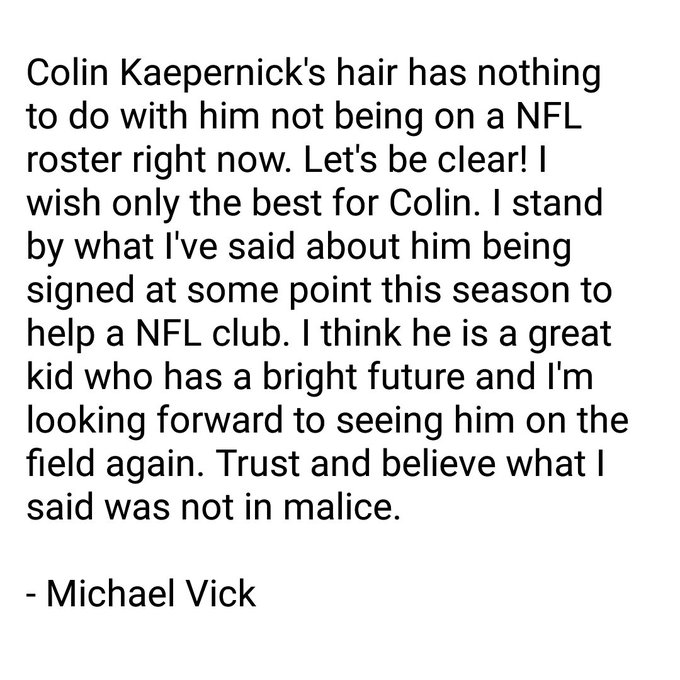
Michael Vick back­tracks after say­ing Kaepernick needs to cut Afro

Michael Vick is backpedal­ing on his com­ments Monday that advised Colin Kaepernick to lose his Afro in order to increase his chances of sign­ing with an NFL team.

Vick, the for­mer QB who returned to the league after spend­ing 21 months in prison for his role in a dog­fight­ing ring, was asked on FOX Sports 1 what it’s like for some­one con­sid­ered “tox­ic” to find a new squad.

First thing we got to get Colin to do is cut his hair,” Vick said on “Speak for Yourself.”

Michael Vick (right) said Monday that Colin Kaepernick needed to visit a barber.

Michael Vick (right) said Monday that Colin Kaepernick needed to visit a barber.

(AP PHOTO/​LYNNE SLADKY/​FRANK FRANKLIN II)

I’m not up here to try and be politi­cial­ly cor­rect, but even if he puts corn­rows in I don’t think he should rep­re­sent him­self in that way,” Vick con­tin­ued. “Just the hair­style. Just go clean-cut. You know, why not? You’re already deal­ing with a lot. … All he needs to do is just try to be presentable.”

Michael Vick on Colin Kaepernick: ‘He needs to cut his hair’

On Tuesday morn­ing, Vick with­drew his hair-do argu­ment on Twitter.

Colin Kaepernick’s hair has noth­ing to do with him not being on a NFL ros­ter right now. Let’s be clear!” Vick wrote. “I wish only the best for Colin. I stand by what I’ve said about him being signed at some point this sea­son to help a NFL club. I think he is a great kid who has a bright future and I’m look­ing for­ward to see­ing him on the field again. Trust and believe what I said was not in malice.”

Kaepernick’s hair became espe­cial­ly notice­able dur­ing his polar­iz­ing protest of police bru­tal­i­ty in which he took a knee dur­ing the nation­al anthem last sea­son with the 49ers. The 29-year-old, who said he will no longer kneel dur­ing the anthem, remains a free agent, which many believe is due to the NFL black­balling him.

However, Vick attrib­uted Kaepernick’s free agency to his play.

Michael Vick on Jets QB sit­u­a­tion and who he thinks should start

I think pri­mar­i­ly the rea­son why he isn’t signed to a team right now is because of the last two sea­sons and not being as pro­duc­tive as every­body thinks,” Vick said Monday. “It has noth­ing to do with him being blackballed.”

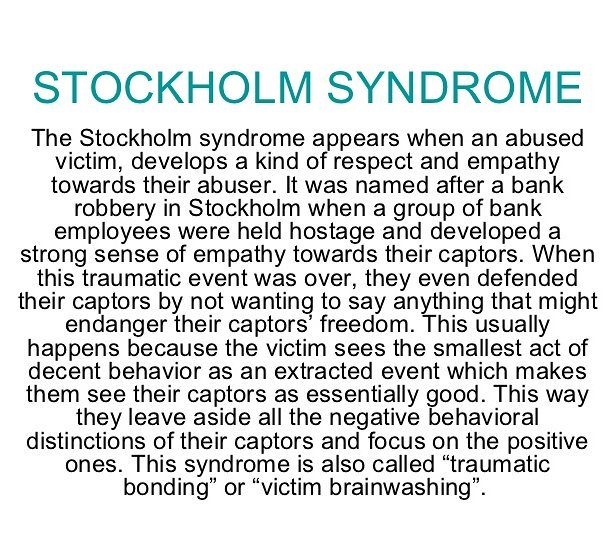
Shortly after Vick’s post, Kaeperick shared a def­i­n­i­tion of Stockholm syn­drome on his Twitter page.

Mass Grave Of Dozens Of Tortured Black Men Found In Deceased KKK Leaders Estate

A Mass grave of torture victims has been uncovered in Jackson, Mississippi, FBI spokesman Adrian Cartwright said Thursday.
A Mass burial site of many dozens of black men, who had been subjected to brutal torture and [then] murdered, has been found,” Cartwright said. “In many cases, body parts are missing; most victims had been shot in the head.”

Cartright said that the mass grave was uncov­ered when the cur­rent own­er of the prop­er­ty was mak­ing exten­sive ren­o­va­tions to the house and need­ed to dig up the foundations.

The cur­rent occu­pi­er was exca­vat­ing the south­ern end of the prop­er­ty when he came across some leg bones,” Said Cartwright. “He noti­fied local law enforce­ment who then called in the FBI once they real­ized the extent of the num­ber of victims.”

Authorities state it’s still very ear­ly in the recov­ery and iden­ti­fi­ca­tion process, but they esti­mate the grave to be at least 50 years old and con­tain upwards of 10 bodies.

The FBI did not com­ment on who they believe is respon­si­ble or how the bod­ies got there due to the ongo­ing inves­ti­ga­tion. However, Mississippi records list Eldon Lee Edwards a U.S. Ku Klux Klan leader as own­ing the prop­er­ty from 1945 – 1953.

Eldon Lee Edwards died in 1960. He was charged with involve­ment in the abduc­tion, tor­ture, and mur­der of three black men in 1944, but he was nev­er con­vict­ed. http://​jack​son​tele​graph​.com/​2​0​1​7​/​0​6​/​3​0​/​m​a​s​s​-​g​r​a​v​e​-​o​f​-​d​o​z​e​n​s​-​o​f​-​t​o​r​t​u​r​e​d​-​b​l​a​c​k​-​m​e​n​-​f​o​u​n​d​-​i​n​-​d​e​c​e​a​s​e​d​-​k​k​k​-​l​e​a​d​e​r​s​-​e​s​t​a​te/

Is He Or Not ?

Umar Johnson goes by the name Dr. Umar Johnson, he describes him­self as a Pan-Africanist in the vein of Marcus Garvey and others.
There is much push­back against Johnson as a result of his views, much of which comes from the black com­mu­ni­ty Johnson says he wants to uplift.

Johnson is alleged and has admit­ted to col­lect­ing upward of $700’000 toward the build­ing of a Leadership Academy for Black Boys.
Critics have claimed that to date Johnson has not indi­cat­ed where that mon­ey is, they also argue they have not seen a cred­i­ble busi­ness plan which details how he intends to go about imple­ment­ing his goal.

(The fam­i­ly of Frederick Douglass has received numer­ous inquiries about Umar Johnson ques­tion­ing his rela­tion­ship to Frederick Douglass. There have also been ques­tions about the legit­i­ma­cy of his Ph.D. and han­dling of the dona­tions he’s received for a school he is pro­mot­ing. We can tell you with 100% cer­tain­ty that he is not a descen­dant of Frederick Douglass.With that being said, Mr. Johnson is very care­ful not to bill him­self as a “descen­dant”, but he doesn’t cor­rect peo­ple when they refer to him in this way).

On the ques­tion of his sup­posed blood rela­tion­ship to the Abolitionist, Fredrick Douglas it is sil­ly to the point I am embar­rassed to write about it.
The sup­posed blood fam­i­ly of the long deceased Douglas issued a state­ment above, claim­ing Umar Johnson is not a descen­dant of Fredrick Douglas.
That rev­e­la­tion should now put to rest all of Black America’s prob­lems, now that we know Umar Johnson is in no way relat­ed to Douglas.

YouTube player

Johnson has expressed views which have struck a chord on race in America, he has also spo­ken elo­quent­ly and force­ful­ly about what he sees as the Chinese takeover of my own native Jamaica to the cha­grin of many Jamaicans who could­n’t care less as long as they are able to eat cur­ry goat drink red stripe beer and smoke ganja.

The black web­site the Root has long and scathing arti­cle aimed at Johnson as a result of the Smackdown above Johnson gave to the mild do not rock the boat Presenter Roland Martin of the Television chan­nel News One now program.
See the arti­cle here: http://​www​.the​root​.com/​w​e​-​f​a​c​t​-​c​h​e​c​k​e​d​-​u​m​a​r​-​j​o​h​n​s​o​n​s​-​h​o​t​e​p​-​t​a​n​t​r​u​m​-​w​i​t​h​-​r​o​l​a​n​d​-​1​7​9​6​7​9​8​532.

If Umar Johnson is not a Ph.D. he should not pad his resume’ in order to make his point. We have no idea whether he is or not.
However, claim­ing to be some­thing one isn’t, smack of low self-esteem and may be seen as a con game.

Name drop­ping is absolute­ly a no, no.
Each and every­one should stand on their own two feet, make their own point, instead of name drop­ping to gain traction.
If at all that was the intent of Umar Johnson in ref­er­enc­ing Fredrick Douglas as an ances­tor of any kind.

If Umar Johnson is a con man the author­i­ties cer­tain­ly will find out soon enough and he will be sor­ry he ever attempt­ed to deceive anyone.
We do not have the answer to those ques­tions. What we do know from lis­ten­ing to a lit­tle of what he has to say is that he is speak­ing cer­tain facts which some do not like.
Then again the attacks on him from sec­tions of the black com­mu­ni­ty may be war­rant­ed or unwar­rant­ed but not unexpected.

Klan Members Rally Against Removal Of Robert E. Lee Statue In Virginia

The group was guarded by scores of police and outnumbered by hundreds of counter-protesters who waved signs denouncing racism.

(Reuters) — A few dozen Ku Klux Klan mem­bers and sup­port­ers shout­ed “white pow­er” at a ral­ly on Saturday in Charlottesville, Virginia where they protest­ed against a city coun­cil deci­sion to remove a statute hon­or­ing Confederate General Robert E. Lee.

The group was guard­ed by scores of police and out­num­bered by hun­dreds of counter-pro­test­ers who waved signs denounc­ing racism. Anti-KKK pro­test­ers raised their voic­es in chants and shouts, drown­ing out speech­es from the white suprema­cists, live video feeds on social media showed.

There were no ini­tial reports of vio­lence at the ral­ly that last­ed less than an hour. The Klan group that bran­dished Confederate flags and signs with anti-Semitic mes­sages was sep­a­rat­ed from crowds by a ring of fenc­ing and a heavy police presence.

Later police fired tear gas can­nis­ters when some pro­test­ers refused orders to dis­perse. Twenty-three peo­ple were arrest­ed, but offi­cials could not con­firm their affiliations.

JONATHAN ERNST /​REUTERS
Members of the Ku Klux Klan ral­ly in sup­port of Confederate mon­u­ments in Charlottesville, Virginia, U.S. July 8, 2017. (REUTERS/​Jonathan Ernst)

In February, the Charlottesville City Council vot­ed 3 – 2 to remove the stat­ue from the park once named for Lee and make plans for a new memo­r­i­al to remem­ber the south­ern city’s enslaved pop­u­la­tion, The Daily Progress, the local news­pa­per reported.

At least one per­son who par­tic­i­pat­ed in the Klan ral­ly against the statute removal could be seen with a hol­stered pistol.

Confederacy stat­ues and flags have been removed from pub­lic spaces across the United States since 2015, after a white suprema­cist mur­dered nine black parish­ioners at a South Carolina church.

JONATHAN ERNST /​REUTERS
Counter-pro­test­ers shout at mem­bers of the Ku Klux Klan, who are ral­ly­ing in oppo­si­tion to city pro­pos­als to remove or make changes to Confederate mon­u­ments, in Charlottesville, Virginia, U.S. July 8, 2017. (REUTERS/​Jonathan Ernst)

Critics of the mon­u­ments say they fos­ter racism by cel­e­brat­ing lead­ers of the Confederacy in the pro-slav­ery South dur­ing the U.S. Civil War. Supporters say they rep­re­sent an indeli­ble part of U.S. his­to­ry and part of region­al heritage.

The bronze fig­ures of Lee and his horse, Traveller, atop an oval-shaped gran­ite pedestal has been in the park for near­ly a cen­tu­ry, the city of Charlottesville said.