Kentucky Clerk, Citing God, Defies Courts On Gay Marriage

MOREHEAD, Ky. (AP) — Invoking “God’s author­i­ty,” a coun­ty clerk denied mar­riage licens­es to gay cou­ples again Tuesday in direct defi­ance of the fed­er­al courts, and vowed not to resign, even under the pres­sure of steep fines or jail. “It is not a light issue for me,” Rowan County Clerk Kim Davis said lat­er through her lawyers. “It is a Heaven or Hell deci­sion.” April Miller and Karen Roberts, tailed by tele­vi­sion cam­eras and rival activists, were there when the doors opened Tuesday morn­ing, hours after the Supreme Court reject­ed the clerk’s last-ditch request for a delay.

They were hope­ful Davis would accept that her fight was lost and issue the licens­es, end­ing the months-long con­tro­ver­sy that has divid­ed Rowan County, where the seat of Morehead is con­sid­ered a pro­gres­sive haven in Appalachian Kentucky. Instead, Davis once again turned them away. On their way out, Miller and Roberts passed David Ermold and David Moore, 17 years a cou­ple. “Denied again,” Roberts whis­pered in Moore’s ear.

Ermold said he almost wept. They demand­ed to talk to Davis, who emerged briefly on the oth­er side of the counter.

We’re not leav­ing until we have a license,” Ermold told her. “Then you’re going to have a long day,” Davis replied.

Davis, an Apostolic Christian, stopped issu­ing all mar­riage licens­es in June rather than com­ply with the Supreme Court’s legal­iza­tion of gay mar­riage nation­wide. Gay and straight cou­ples sued, say­ing she should ful­fill her duties as an elect­ed offi­cial despite her per­son­al reli­gious faith. U.S. District Judge David Bunning ordered her to issue the licens­es, an appeals court affirmed that order, and the Supreme Court on Monday refused to inter­vene, leav­ing her no legal option to refuse. And yet, she did. “Stand firm,” Davis’ sup­port­ers chant­ed as a tense stand­off erupt­ed in the lob­by. “Do your job,” mar­riage equal­i­ty activists shout­ed back. Davis retreat­ed into her inner office, closed the door and shut the blinds. The sher­iff moved every­one out­side, where demon­stra­tors lined up to shout and sing at each oth­er. Davis knows she faces stiff fines or even jail if the judge finds her in con­tempt, her lawyer said. Her sup­port­ers com­pared her Tuesday to the Biblical fig­ures Paul and Silas, impris­oned for their faith. and res­cued by God.

But the cou­ples’ lawyers asked that she not be sent to jail, and instead be fined, since she cur­rent­ly col­lects her salary — $80,000 a year — while fail­ing to per­form her duties. They asked the judge to “impose finan­cial penal­ties suf­fi­cient­ly seri­ous and increas­ing­ly oner­ous” to “com­pel her imme­di­ate com­pli­ance with­out delay.” Bunning ordered Davis and her six deputy clerks to appear before him Thursday morn­ing at the fed­er­al cour­t­house in Ashland. Davis also faces a poten­tial state charge of offi­cial mis­con­duct, a mis­de­meanor meant for pub­lic ser­vants who refuse to per­form their duties. Kentucky Attorney General Jack Conway, now run­ning as the Democratic nom­i­nee for gov­er­nor, is study­ing a com­plaint filed by a cou­ple she turned away, and will decide whether to appoint a spe­cial pros­e­cu­tor. Davis said she nev­er imag­ined this day would come. “I have no ani­mos­i­ty toward any­one and har­bor no ill will. To me this has nev­er been a gay or les­bian issue. It is about mar­riage and God’s Word,” her state­ment said. Her crit­ics mock this moral stand, not­ing that Davis is on her fourth hus­band after being divorced three times.

Joe Davis, who described him­self as “an old red­neck hill­bil­ly,” came by to check on his wife Tuesday. It’s been an ordeal, he said. She got death threats and they’ve had to change their phone num­ber. He point­ed to the peo­ple call­ing for gay rights on the cour­t­house lawn. “They want us to accept their beliefs and their ways,” he said. “But they won’t accept our beliefs and our ways.” Mat Staver found­ed the Liberty Counsel, a Christian law firm that rep­re­sents Davis. He said she had been a sin­ner until she went to church four years ago when her moth­er-in-law died. She was born again after the preach­er read a Bible pas­sage about how for­give­ness grows from the grace of God, he said. “She’s made some mis­takes,” he said. “She’s regret­ful and sor­row­ful. That life she led before is not the life she lives now. She asked for and received for­give­ness and grace. That’s why she has such a strong conscience.”

Davis served as her moth­er’s deputy for 27 years before she was elect­ed as a Democrat to suc­ceed her in November. Davis’ own son is on the staff. As an elect­ed offi­cial, she can be removed only if the Legislature impeach­es her, which is unlike­ly in a deeply con­ser­v­a­tive state. Davis’ sup­port­ers blame Gov. Steve Beshear, who ordered resis­tant clerks to issue licens­es or resign. The Kentucky County Clerk’s Association has pro­posed leg­is­la­tion to make mar­riage licens­ing a func­tion of state gov­ern­ment, reliev­ing clerks of the bur­den. Kentucky’s Republican nom­i­nee for gov­er­nor, Matt Bevin, said Tuesday that he sup­ports Davis’ “will­ing­ness to stand for her First Amendment rights,” and if elect­ed, would have peo­ple down­load mar­riage licens­es on the Internet to file at clerk’s offices just like oth­er documents.

Outside the cour­t­house, dozens of Davis’ sup­port­ers stood in a cir­cle, singing Amazing Grace and Onward Christian Soldier. “She’s stand­ing for God’s word and we’re stand­ing with her,” said Flavis McKinney On the oth­er side of the cour­t­house lawn, oth­ers held signs read­ing “Hate is not a fam­i­ly val­ue” and sang repur­posed Christian songs: “Jesus loves the lit­tle chil­dren, all the chil­dren of the world. Gay or straight or black or white, they are pre­cious in his sight.” Will Smith Jr. and James Yates, red-eyed and shak­ing, emerged from the cour­t­house red-eyed and shak­ing, too upset to talk about being reject­ed again. They held hands and rushed around the pro­test­ers to reach their car. But Moore and Ermold joined the rain­bow-clad throng. They swayed and sang, pledg­ing to come back again and again until Davis relents. “I feel sad, I feel angry, I feel dev­as­tat­ed,” Ermold said. “I feel humil­i­at­ed on such a nation­al lev­el that I can’t com­pre­hend it. I can­not com­pre­hend it right now.” Sheriff Matt Sparks tried to keep every­one civ­i­lized as he stood between the two sides.

It has dis­rupt­ed our coun­ty, but it shows us that the coun­ty is, prob­a­bly the coun­try is, still divid­ed on this issue,” Sparks said. “I’m just glad we live in a coun­try that we have the free­dom to dis­agree. This will end even­tu­al­ly and we’ll all come togeth­er again.”

_​_​_​

Associated Press Writer Adam Beam in Frankfort con­tributed to this report.

Illinois Police Officer Shot Dead, Prompting Manhunt

An Illinois police offi­cer was shot and killed Tuesday morn­ing, prompt­ing a mas­sive man­hunt for three armed sus­pects who stripped the dying offi­cer of his weapon, author­i­ties said. The Fox Lake offi­cer was shot around 8 a.m. after call­ing in that he encoun­tered three sus­pi­cious men, Lake County Sheriff Sgt. Chris Covelli said. He ran after the sus­pects, iden­ti­fied as two white men and one black man, before he went radio silent. Another offi­cer arrived on the scene, about 55 miles north of Chicago, to find him with a gun­shot wound. The sus­pects shot the offi­cer in the head, accord­ing to WGN.  Lake County Undersheriff Raymond Rose told the Chicago Tribune that the offi­cer died at the scene after he was dis­cov­ered with­out his gun and pep­per spray in a marshy area.

STACEY WESCOTT/AP A police helicopter patrols a swampy area near route 59 and Rollins in Fox Lake, Ill., where a manhunt is in progress after an officer was shot.
STACEY WESCOTT/​AP
A police heli­copter patrols a swampy area near route 59 and Rollins in Fox Lake, Ill., where a man­hunt is in progress after an offi­cer was shot.

The offi­cer had served with the police force for 32 years, CNN report­ed. Law enforce­ment offi­cials declined to iden­ti­fy him. “At this point, this is a two-pronged inves­ti­ga­tion,” Covelli said, not­ing the Major Crimes Task Force was inves­ti­gat­ing the inci­dent while work­ing to appre­hend the sus­pects. The detec­tive did not say what prompt­ed the foot chase. CBS Chicago report­ed the shoot­ing stemmed from a traf­fic stop that went awry.

A manhunt is underwway for three armed men in the suburban Fox Lake area.
A man­hunt is under­wway for three armed men in the sub­ur­ban Fox Lake area.

The offi­cer was shot near Route 12 and Sayton Road, which is near a Walgreens and a “Welcome to Fox Lake” sign.

Multiple agen­cies in the area, includ­ing U.S. Marshals and a SWAT team, were on the scene as heav­i­ly-armed offi­cers con­tin­ue to comb near­by woods with canine units and heli­copters. Residents have been ordered to stay inside and roads have been blocked off, Covelli said. Grant Community High School and Gavin South dis­trict schools were placed on lock­down as Metra com­muter rail ser­vice was disrupted.

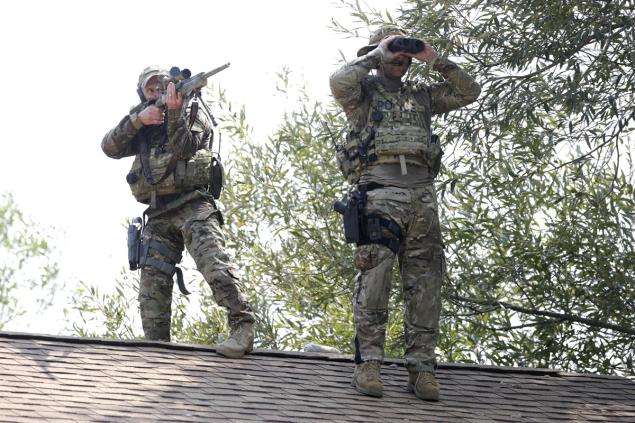
Sept. 1, 2015 - Fox Lake, IL, USA - A sniper and a lookout stand on top of a roof searching for two men following the killing of a police officer Tuesday, Sept. 1, 2015 in Fox Lake, Ill. (Credit Image: © Stacey Wescott/TNS via ZUMA Wire)
Sept. 1, 2015 — Fox Lake, IL, USA — A sniper and a look­out stand on top of a roof search­ing for two men fol­low­ing the killing of a police offi­cer Tuesday, Sept. 1, 2015 in Fox Lake, Ill. (Credit Image: © Stacey Wescott/​TNS via ZUMA Wire)

The shoot­ing comes just days after a Texas deputy was killed while pump­ing gas Friday.

Shannon J. Miles, 30, will be charged with cap­i­tal mur­der after shoot­ing uni­formed Harris County Deputy Darren Goforth, 47, mul­ti­ple times from behind, police said. Goforth, a 10-year vet­er­an of the sher­if­f’s office, had a wife and two kids.

Twenty-three offi­cers were killed by gun­fire in the line of duty in 2015, accord­ing to Officer Down Memorial Page.

Story orig­i­nat­ed here: Illinois police offi­cer shot dead, prompt­ing manhunt

JCF Says It’s Working To Rid Force Of Criminals

policeThe Police High Command says in addi­tion to the raft of integri­ty mon­i­tor­ing process­es already in place, there will be sig­nif­i­cant increase in the inter­nal sur­veil­lance mech­a­nisms to ensure that those with crim­i­nal intent are sep­a­rat­ed from the organisation.

The Police High Command says a more strin­gent super­vi­sion mech­a­nism is being imple­ment­ed to man­age the screen­ing of mem­bers join­ing the Jamaica Constabulary Force (JCF).

The devel­op­ment fol­lows recent inci­dents of crim­i­nal activ­i­ties involv­ing serv­ing mem­bers of the force. The Police High Command says it has not­ed the inci­dents with great con­cern and is assur­ing the pub­lic that this type of con­duct is by no means typ­i­cal of the gen­er­al mem­ber­ship of the JCF. It says it is strength­en­ing the Force’s capac­i­ty to mon­i­tor serv­ing mem­bers. It says in addi­tion to the raft of integri­ty mon­i­tor­ing process­es already in place, there will be sig­nif­i­cant increase in the inter­nal sur­veil­lance mech­a­nisms to ensure that those with crim­i­nal intent are sep­a­rat­ed from the organ­i­sa­tion. The Police High Command is renew­ing its call for per­sons with infor­ma­tion on illic­it activ­i­ties and unpro­fes­sion­al con­duct of mem­bers of the JCF to share what they know with MOCA or the Inspectorate of Constabulary. The lat­est inci­dent involv­ing a cop took place in Clarendon ear­ly yes­ter­day morn­ing. A police­man was beat­en and had to be hos­pi­talised after he and two oth­ers alleged­ly tried to break into a woman’s house in Morgan’s District about 3 o’clock yes­ter­day morn­ing. see sto­ry here: JCF Says It’s Working To Rid Force Of Criminals

Bothered By A Rash Of Suicides, Rev Urges Cops To Be Brother’s Keeper

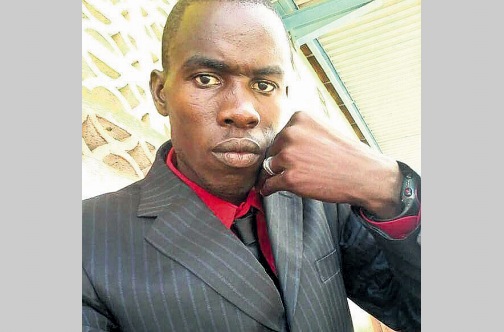
An undated photo of Constable Zavian DaCosta, who is suspected of committing suicide.
An undat­ed pho­to of Constable Zavian DaCosta, who is sus­pect­ed of com­mit­ting suicide.

THE recent spate of sui­cides among Jamaica Constabulary Force (JCF) mem­bers has led a mem­ber of the con­stab­u­lary’s Chaplaincy Unit to call on police per­son­nel to look out for signs of stress among col­leagues. “The time has come when we can no longer just sit back and depend on per­sons whom we iden­ti­fy as indi­vid­u­als suf­fer­ing from depres­sion to take in them­selves for coun­selling,” Rev Courtney Faulknor, assis­tant chap­lain told the Jamaica Observer. The senior cler­gy­man sug­gest­ed that mem­bers of the JCF need to start doing more to encour­age seem­ing­ly trou­bled col­leagues to seek help. “If it means hold­ing their hands. Take them into the office or make a call on their behalf,” added Faulknor who is the main organ­is­er of the Stress Management in Law Enforcement (SMILE) pro­gramme launched ear­li­er this year to treat chron­ic stress among JCF mem­bers. Last week saw two cas­es of sui­cide start­ing on Sunday.

On Sunday, 28-year-old Constable Rajon Stephens, assigned to the Hunts Bay Police Station, shot and killed his 23-year-old lover Kadeen Hunter, a teacher of Camelot Avenue, Kingston 20. He then drove home to Jacks River dis­trict in St Mary where he alleged­ly turned the gun on him­self. Last Wednesday night, Constable Xavian DaCosta was found dead at his Portmore, St Catherine home. He is believed to have com­mit­ted sui­cide. The deaths come a month after 32-year-old Constable Tyrone Thompson was found at his Manchester home with a bul­let to the tem­ple and his firearm in his hand. His col­leagues had report­ed­ly said he had been going through a rough peri­od. Rev Faulknor told the Observer that JCF mem­bers should take the term ‘being your broth­er’s keep­er’ more seri­ous­ly. “I am mak­ing an appeal to all law enforce­ment mem­bers that once you reach a point where you feel you need help, don’t believe you are alone. There are so many options that you have or that you can reach out to in terms of sup­port and I am implor­ing all mem­bers just to be your broth­er’s or sis­ter’s keep­er. Wherever you see signs of depres­sion walk with them,” Faulknor said.

Faulknor added: “There is a myr­i­ad of options that police offi­cers have in terms of coun­selling and sup­port sys­tem from the vol­un­teer chap­lain, which over­seas in terms of the sta­tion lev­el, to the divi­sion­al lev­el, then there is the area or assis­tant chap­lain that gives over­sight for the dif­fer­ent areas or branch­es or for­ma­tion. The time has come when we have to start look­ing out for each oth­er and to see how best we can point each mem­ber in that direc­tion of hope.” Story orig­i­nat­ed here:Bothered by a rash of sui­cides, Rev urges cops to be broth­er’s keeper

Cop Stabbed In Neck While Quelling Dispute

cop stabbed in the neck

KINGSTON, Jamaica – A police­man is cur­rent­ly in hos­pi­tal after he was stabbed in the neck while on duty in Admiral Town, Kingston this morn­ing. Reports are that some time after 1:00 am the inspec­tor of police was attempt­ing to quell a dis­pute at an address in the area when he was stabbed by a 17-year-old male. He was tak­en to hos­pi­tal where he is being treat­ed. The police’s Corporate Communications Unit (CCU) was unable to pro­vide fur­ther details on the inci­dent. However OBSERVER ONLINE was told that the attack­er was tak­en into custody.

See sto­ry here.Cop stabbed in neck while quelling dis­pute.

Cop Held, Beaten During Attempted Break-in

thCAWTXLPMCLARENDON, Jamaica – Residents of Morgan’s dis­trict in Spaulding, Clarendon, this morn­ing set upon rob­bers in their com­mu­ni­ty, only to lat­er dis­cov­er that one of the men was a police con­sta­ble. Reports reach­ing OBSERVER ONLINE are that the police­man and two oth­ers were attempt­ing to break into a house in the area about 3:00 am. The policeman’s accom­plices man­aged to escape, but he was held and beat­en by the res­i­dents before being hand­ed over to the police. Sources say he received sev­er­al blows to the head and has been admit­ted to hos­pi­tal in seri­ous con­di­tion. When con­tact­ed, the police’s Corporate Communications Unit (CCU) said they were unaware of the incident.

See sto­ry here: Cop held, beat­en dur­ing attempt­ed break-in

Police Officer Found Dead In Barracks.…

KINGSTON, Jamaica – A police­man was report­ed­ly found dead at the Vineyard Town Police Station Barracks in Kingston this morning.

He has been iden­ti­fied as Constable Garnett Taylor who was sta­tioned at the Hunts Bay Police Station.

Taylor, who usu­al­ly stayed on the bar­racks, was found by col­leagues who noticed he was not moving.

A police source told OBSERVER ONLINE that efforts were made to wake him but they were futile. They rushed him to hos­pi­tal where he was pro­nounced dead at 5:55 am.

Taylor’s cause of death is still unknown.

Moya Hinds. Cop found dead on barracks

NYPD Receipts For Nonarrests Are ‘clearly Designed’ To Spur Complaints Against Cops: PBA Head

Patrolmen's Benevolent Association President Pat Lynch says receipts that explain cops' stops "are just one more item on the ever-growing list of anti-public-safety measures."
Patrolmen’s Benevolent Association President Pat Lynch says receipts that explain cops’ stops “are just one more item on the ever-grow­ing list of anti-pub­lic-safe­ty measures.”

Forcing cops to give receipts to peo­ple they stop but do not arrest will “invite retal­ia­to­ry com­plaints” against offi­cers, the head of New York City’s largest police union charged Tuesday.

Patrolmen’s Benevolent Association President Patrick Lynch said the list­ing of the Civilian Complaint Review Board’s infor­ma­tion on the receipts is a mea­sure “clear­ly designed” to lead to more complaints.

They are just one more item on the ever-grow­ing list of anti-pub­lic-safe­ty mea­sures that will put an end to proac­tive polic­ing in this city and ulti­mate­ly accel­er­ate the increase in crime and dis­or­der that we are already see­ing in our pub­lic spaces,” Lynch said.

Under the require­ment, sched­uled to take effect Sept. 21, cops will have to fill out a receipt explain­ing why the stop was made if the per­son isn’t arrested.

Lynch says the receipts are oner­ous for cops.

It is time for our pol­i­cy­mak­ers to stop heap­ing new bur­dens on police offi­cers and to fig­ure out how unwind the dam­ag­ing mea­sures that are already in place before the ero­sion in pub­lic safe­ty does seri­ous dam­age to NYC’s eco­nom­ic health,” Lynch said.

The idea for the receipts fol­lows a court-appoint­ed mon­i­tor’s rec­om­mend­ed reforms to the NYPD’s stop-and-frisk policy.

They include bar­ring stops based on racial pro­fil­ing and requir­ing cops to have rea­son­able sus­pi­cion before using stop-and-frisk, pro­hibit­ing them from using gen­er­al descrip­tions, such as “furtive move­ments,” as they had in the past.

Story orig­i­nat­ed here: NYPD receipts for nonar­rests are ‘clear­ly designed’ to spur com­plaints against cops: PBA head

Tensions Flare Between North Korea And South Korea Amid Threats Of War

Tensions flare amid threats of war

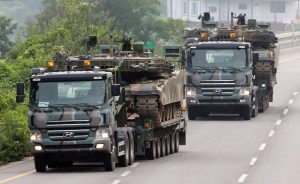
South Korean army armored vehicles are mobilized in Pocheon, south of the demilitarized zone that divides the two Koreas, South Korea on Aug. 21, 2015.
South Korean army armored vehi­cles are mobi­lized in Pocheon, south of the demil­i­ta­rized zone that divides the two Koreas, South Korea on Aug. 21, 2015.

STRINGER/EPA Paju, South Korea U.S. troops in a truck in the South Korean town of Paj bordering North Korea on Aug. 21, 2015, amid heightened tensions raised by the two Koreas' shelling across the inter-Korean border the previous day.
STRINGER/​EPA
Paju, South Korea
U.S. troops in a truck in the South Korean town of Paj bor­der­ing North Korea on Aug. 21, 2015, amid height­ened ten­sions raised by the two Koreas’ shelling across the inter-Korean bor­der the pre­vi­ous day.

Cops Kill One, Hold Three After Blazing Gunfight

Cops converge on the scene of the shooting
Cops con­verge on the scene of the shooting

The dra­ma start­ed to unfold about 11:00 am after mem­bers of the Highway Patrol respond­ed to a call from a motorist that he was robbed along the Bogue Gate sec­tion of the North Coast Highway, near Falmouth.

Police spot­ted the motor car with the sus­pects aboard and gave chase after the dri­ver dis­obeyed their sig­nal to stop. The vehi­cle was sub­se­quent­ly inter­cept­ed at the inter­sec­tion of Newton and Cornwall Street where a shoot-out ensued after the men alight­ed from the vehi­cle and opened fire at the police.

Officers from the Falmouth Police Station then went to the assis­tance of their col­leagues as the men ran in dif­fer­ent direc­tions. One of the men who ran in the direc­tion of the Falmouth fish­ing beach was shot and killed dur­ing a blaz­ing gun bat­tle, while per­sons along the beach scam­pered for cover.

Police said they recov­ered a Smith and Wesson pis­tol from the uniden­ti­fied man.

The oth­er three rob­bers who were even­tu­al­ly appre­hend­ed remained behind bars up to last night. The first one was held after he turned up at the Falmouth General Hospital with gun­shot wounds. He was tak­en into police cus­tody imme­di­ate­ly after he was treat­ed at hos­pi­tal and released.

Shortly after, the two oth­ers who found hid­ing behind a con­crete wall in the his­toric town, were also tak­en into custody.

The Independent Commission of Investigations has, mean­while, com­menced an inves­ti­ga­tion into the inci­dent. Story orig­i­nat­ed here: Cops kill one, hold three after blaz­ing gunfight

Reject Criminality

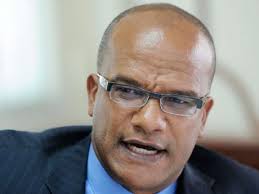
Peter Bunting
Peter Bunting

MINISTER of National Security Peter Bunting says Jamaicans must reject scam­ming, crim­i­nal­i­ty, extor­tion and gang vio­lence at the famil­ial and com­mu­ni­ty lev­els, or the efforts of the police will come to nought.

The min­is­ter was speak­ing at a ral­ly fol­low­ing the 10,000 Men and their Families March for Peace at Dump-up Beach, Montego Bay, last Sunday.

Bunting said he was opti­mistic that the march sig­nalled a high­er lev­el of pub­lic involve­ment in the fight against crime.

I am hope­ful because the thou­sands of per­sons out here today can make a greater dif­fer­ence than anoth­er 200 police or anoth­er 500 police. The lead­er­ship pro­vid­ed by the Ministers’ Fraternal in St James is a start and it is going to con­tin­ue tomor­row, the next day, the next week, the next month, next year until we win the bat­tle against crime and vio­lence in St James,” the min­is­ter said.

He renewed his pledge to take back St James from the hands of crim­i­nal ele­ments; how­ev­er, he cit­ed the role of fam­i­lies and com­mu­ni­ties in the fight.

If you say Jesus, say Jesus or if you say scam­mer, then you say scam­mer, because the Bible teach­es us ‘You can’t serve two mas­ters. You can­not serve God and mam­mon, and mam­mon is what you (are) get­ting from the scam­ming. If you sow the wind, you will reap the whirl­wind,” Bunting warned.

The Montego Bay march was organ­ised by the St James Ministers’ Fraternal, in col­lab­o­ra­tion with the Citizen Security and Justice Programme, National Integrity Action, Child Development Agency, Office of the Children’s Advocate, Jamaica Constabulary Force, Social Development Commission, and the St James Parish Council.

The main objec­tives were: re-empha­sis­ing the impor­tance of Biblical prin­ci­ples and val­ues in the process of com­mu­ni­ty and nation­al devel­op­ment; and mobil­is­ing men and their fam­i­lies to par­tic­i­pate in a march to raise their con­scious­ness of their role and place in the fight against crime and violence.

According to the St James Ministers’ Fraternal, the inten­tion of the march was also to facil­i­tate pos­i­tive change in the com­mu­ni­ties of St James and its envi­rons, reflect­ed in fam­i­ly life and pater­nal respon­si­bil­i­ties, pos­i­tive male role mod­els and affir­ma­tion of the val­ue of male­ness as well as to recog­nise and cel­e­brate the con­tri­bu­tion being made by respon­si­ble men to com­mu­ni­ty and nation build­ing; and to facil­i­tate the com­ing togeth­er of all stake­hold­ers as a sig­nalled pledge to approach crime fight­ing and vio­lence pre­ven­tion from a com­mu­nal perspective.

Also call­ing for fam­i­lies and com­mu­ni­ties to lead the fight, main speak­er, Archbishop of Kingston Rev Charles Dufour, addressed cyn­ics and crit­ics of the march.

Their cyn­i­cism does not change the pow­er of the sym­bol of a march. …We are declar­ing that some­thing is trou­bling us very deeply, we are declar­ing that some­thing mat­ters enough to us to take us out of our homes, off our veran­dahs, out of our church build­ings, out of our bars and into the streets. Something very, very pre­cious is at stake and we are not about to sit and watch it tak­en from us,” the Archbishop said.

Throughout his­to­ry, peace­ful march­es have irre­versibly dis­turbed the sta­tus quo, they have top­pled regimes; and they have won strug­gles for lib­er­a­tion. A march is a sym­bol of a com­mu­ni­ty’s resolve, its deter­mi­na­tion to act, its refusal to be held pris­on­er by any force. It means that the peo­ple are not just awake, they are roused,” he added. sto­ry orig­i­nat­ed here: Call made for Jamaicans to reject criminality

Alleged Corrupt Cop Shot In Sting Operation

An alleged cor­rupt cop who engaged under­cov­er detec­tives in a strug­gle while being appre­hend­ed has been shot and injured in Willowdene, St Catherine.

It’s report­ed that about 6 p.m yes­ter­day, the sting oper­a­tion was set up to catch the police­man col­lect­ing mon­ey from a man whose car he had seized.

According to reports, after the police­man was caught accept­ing the mon­ey, detec­tives from the Major Organised Crime Investigation Agency approached him and iden­ti­fied themselves.

The police­man then attempt­ed to escape.

He was pur­sued and a tus­sle report­ed­ly ensued dur­ing which he was shot.

The police­man man­aged to escape but lat­er turned up at hos­pi­tal with a gun­shot wound where he was treat­ed and released into the cus­tody of the police.

The Independent Commission of Investigations (INDECOM) is now prob­ing the shooting.
Story orig­i­nat­ed here:Alleged Corrupt Cop Shot In Sting Operation

Deconstructing Senator Chuck Schumer’s Pro-War Statement About The Iran Nuclear Deal By Muhammad Sahimi, August 12, 2015

Senator Chuck Schumer (D‑NY) has announced that he will oppose the nuclear agree­ment between Iran and P5+1 – the five per­ma­nent mem­bers of the United Nations Security Council plus Germany. He has released a detailed state­ment, explain­ing his rea­sons for oppos­ing the agree­ment. Given Schumer’s influ­ence in the U.S. Senate, par­tic­u­lar­ly among the Democrats, it is impor­tant to scru­ti­nize his state­ment and rea­sons. Unfortunately, they are replete with inac­cu­ra­cies, mis­un­der­stand­ing of the rel­e­vant inter­na­tion­al laws, and even total­ly false state­ments. This is unfor­tu­nate for some­one of his stature, par­tic­u­lar­ly a Senator who vot­ed in October 2002 to autho­rize the inva­sion of Iraq by the George W. Bush admin­is­tra­tion, which has con­tributed might­i­ly to the present car­nage in the entire Middle East.

Before ana­lyz­ing Schumer’s state­ment, it is impor­tant to rec­og­nize that the nuclear agree­ment is not a treaty, as it cre­ates no new legal oblig­a­tions for any of the two sides. It only sets the con­di­tions under which the sanc­tions imposed on Iran will be sus­pend­ed, and the legal oblig­a­tions will expire in due time. Accordingly, the agree­ment should not be reviewed by Congress as if it were a new­ly-signed inter­na­tion­al treaty to agree on mutu­al oblig­a­tions. Rather, because the sanc­tions are per­mis­si­ble only as long as the deed that caused them to con­tin­ue, the sole inquiry for Congress is whether Iran’s cur­rent nuclear pro­gram con­tin­ues fol­low­ing the con­clu­sion of the agreement.

Schumer: In the first ten years of the deal, there are seri­ous weak­ness­es in the agree­ment. First, inspec­tions are not “any­where, anytime.”

Any agree­ment with any mem­ber of the International Atomic Energy Agency (IAEA) and a sig­na­to­ry of the Nuclear Non-Proliferation Treaty is gov­erned by the Safeguards Agreement of the mem­ber state with the IAEA and its Additional Protocol. Nothing in both doc­u­ments indi­cates that the IAEA has the author­i­ty for “any­where, any­time” inspec­tions. The IAEA cur­rent­ly has access to all of Iran’s nuclear sites. The issue is not about access, but about any “sus­pi­cious sites” in the future. Demanding vis­its to sites that are not cov­ered by the inter­na­tion­al agree­ments and Iran’s oblig­a­tions will only add to the Islamic world’s per­cep­tion of the United State as a bul­ly that abides by the inter­na­tion­al laws only when it suits its inter­ests, but aban­dons them when the laws go against its wish­es. It will also strength­en the resolve of Iran’s hard­lin­ers who oppose the agreement.

At the same time, Iran is an old civ­i­liza­tion with a proud peo­ple who are fierce­ly nation­al­ist. Among all the Islamic nations of the Middle East and North Africa, Iran is also the only coun­try whose pop­u­la­tion is gen­er­al­ly pro-West “Anywhere, any­time” inspec­tion of Iran that is not part of Iran’s oblig­a­tions will pro­voke angry reac­tions by the Iranian nation who will con­sid­er them as infringe­ment on their nation’s sov­er­eign­ty. Why should we destroy such good will by demand­ing ille­gal vis­its that will not be nec­es­sary, or even con­tribute to pre­vent­ing Iran from devel­op­ing a nuclear arsenal?

Schumer: The 24-day delay before we can inspect is trou­bling. While inspec­tors would like­ly be able to detect radioac­tive iso­topes at a site after 24 days, that delay would enable Iran to escape detec­tion of any illic­it build­ing and improv­ing of pos­si­ble mil­i­tary dimen­sions (PMD) – the tools that go into build­ing a bomb but don’t emit radioac­tiv­i­ty.

The Senator mis­un­der­stands the cur­rent state-of-affairs regard­ing inspec­tion of Iran’s nuclear pro­gram. The IAEA inspec­tors are cur­rent­ly in Iran, tak­ing sam­ples, and vis­it­ing var­i­ous sites. It has and will have the most advanced tech­nol­o­gy to detect any­thing. Satellites are tak­ing pic­tures 247 and any “illic­it” build­ing is noticed. Iran is under the most intru­sive inspec­tion in the entire his­to­ry of the IAEA.

The Senator has also com­plete­ly mis­un­der­stood the PMD. This refers to alle­ga­tions that Iran car­ried out some nuclear weapon-relat­ed research in 2000 or ear­li­er using non-nuclear explo­sives. In addi­tion to the fact that the PMD remains unproven, there is no alle­ga­tion about any more recent work relat­ed to the PMD. So, if Iran were to “escape” the PMD, it has had ample time to do it by now.

Schumer: Even when we detect radioac­tiv­i­ty at a site where Iran is illic­it­ly advanc­ing its bomb-mak­ing capa­bil­i­ty, the 24-day delay would hin­der our abil­i­ty to deter­mine pre­cise­ly what was being done at that site.

This is pure­ly hyper­bole. Once the agree­ment goes into effect, the IAEA will have up to 150 inspec­tors on the ground, armed with the most sophis­ti­cat­ed tech­nol­o­gy, satel­lites, and oth­er intel­li­gence-gath­er­ing to mon­i­tor every­thing. But, there is also log­ic behind the 24 day peri­od: pre­vent­ing new base­less alle­ga­tions against Iran by a third par­ty whose whole pur­pose is scut­tling the agree­ment and over­whelm­ing the IAEA by as flood of base­less “evi­dence.” The IAEA must present con­vinc­ing evi­dence of an illic­it activ­i­ty, and the 24 days peri­od will allow estab­lish­ing the authen­tic­i­ty of the evi­dence, while Iran remains under strict inspection.

Schumer: Even more trou­bling is the fact that the US can­not demand inspec­tions uni­lat­er­al­ly. By requir­ing the major­i­ty of the 8‑member Joint Commission, and assum­ing that China, Russia, and Iran will not coöper­ate, inspec­tions would require the votes of all three European mem­bers of the P5+1 as well as the EU rep­re­sen­ta­tive. It is rea­son­able to fear that, once the Europeans become entan­gled in lucra­tive eco­nom­ic rela­tions with Iran, they may well be inclined not to rock the boat by vot­ing to allow inspec­tions.

The Senator has once again demon­strat­ed his igno­rance of inter­na­tion­al laws. This is not a bilat­er­al agree­ment between Iran and the United States. Thus, the US has no author­i­ty to demand any­thing uni­lat­er­al­ly. If the Senator is con­cerned that our allies will aban­don us once the agree­ment is kicked in, that says some­thing about the nature of the US accu­sa­tions against Iran, which have been too many, but almost none of which has turned out to be true.

Schumer: Additionally, the “snap­back” pro­vi­sions in the agree­ment seem cum­ber­some and dif­fi­cult to use. While the US could uni­lat­er­al­ly cause snap­back of all sanc­tions, there will be instances where it would be more appro­pri­ate to snap­back some but not all of the sanc­tions, because the vio­la­tion is sig­nif­i­cant but not severe. A par­tial snap­back of mul­ti­lat­er­al sanc­tions could be dif­fi­cult to obtain, because the US would require the coöper­a­tion of oth­er nations. If the US insists on snap­back of all the pro­vi­sions, which it can do uni­lat­er­al­ly, and the Europeans, Russians, or Chinese feel that is too severe a pun­ish­ment, they may not comply.

Let us assume that the Senator is right. What is his sug­ges­tion for get­ting around the “cum­ber­some” nature of the “snap­back” pro­vi­sion? The pro­vi­sion takes away the veto rights of Russia and China in the Security Council, a very sig­nif­i­cant con­ces­sion by Iran’s allies. At the same time, the world does not oper­ate the way the Senator wish­es, name­ly, if the US demands “jump,” the rest of the world would ask “how high.” This is a mul­ti­po­lar world.

Schumer: Supporters argue that after ten years, a future President would be in no weak­er a posi­tion than we are today to pre­vent Iran from rac­ing to the bomb. That argu­ment dis­counts the cur­rent sanc­tions régime. After fif­teen years of relief from sanc­tions, Iran would be stronger finan­cial­ly and bet­ter able to advance a robust nuclear pro­gram. Even more impor­tant­ly, the agree­ment would allow Iran, after ten to fif­teen years, to be a nuclear thresh­old state with the bless­ing of the world community.

First of all, there is no evi­dence that Iran actu­al­ly wants the bomb. To the con­trary, there ample evi­dence that it does not, and the US own intel­li­gence com­mu­ni­ty has expressed con­fi­dence in this asser­tion through its National Intelligence Estimate of 2007, reaf­firmed mul­ti­ple times since then, that Iran stopped com­plete­ly its nuclear weapon research pro­gram in 2003, assum­ing that it had one before then, although no evi­dence of the exis­tence of the pro­gram before 2003 has ever been publicized.

Secondly, Iran has been a de-fac­to nuclear thresh­old state for years. It has mas­tered the com­plete nuclear fuel cycle for pro­duc­ing enriched ura­ni­um. It has devel­oped the nec­es­sary cen­trifuge tech­nol­o­gy for the enrich­ment, and it has the nec­es­sary infra­struc­ture for a robust nuclear pro­gram. The key is to keep this poten­tial latent and under con­trol. Short of Iran capit­u­lat­ing and giv­ing up its entire nuclear infra­struc­ture akin to what Libya did – which will nev­er hap­pen – the best way to con­trol the pro­gram and keep its poten­tial latent is by engag­ing Iran.

Schumer: Iran would have a green light to be as close, if not clos­er to pos­sess­ing a nuclear weapon than it is today. And the abil­i­ty to thwart Iran if it is intent on becom­ing a nuclear pow­er would have less moral and eco­nom­ic force.

The key world is “if,” but there is no evi­dence that Iran wants to be a nuclear-armed state. If it did have a nuclear weapon research pro­gram, we should ask why it was stopped in 2003: Because its arch­en­e­my, the régime of Saddam Hussein was top­pled that year and, there­fore, Iran no longer need­ed deter­rence against a régime that had used chem­i­cal weapons against its pop­u­la­tion. This also goes to show that, despite their rhetoric, the Iranian lead­ers con­sid­er nei­ther the United States nor Israel as the main threat to their coun­try. The fact that Iran did not retal­i­ate against Iraq by chem­i­cal weapons of its own is also a glar­ing evi­dence of its intention.

Schumer: If Iran’s true intent is to get a nuclear weapon, under this agree­ment, it must sim­ply exer­cise patience. After ten years, it can be very close to achiev­ing that goal, and, unlike its cur­rent unsanc­tioned pur­suit of a nuclear weapon, Iran’s nuclear pro­gram will be cod­i­fied in an agree­ment signed by the United States and oth­er nations. To me, after ten years, if Iran is the same nation as it is today, we will be worse off with this agree­ment than with­out it.

This state­ment is again based on a big “if” and the assump­tion that Iran does want a nuclear arse­nal. As for­mer IAEA Director-General Mohamed ElBaradei put it, we can­not mea­sure the “inten­tions” of a nation, but can only deal with facts on the ground, and the facts give us con­fi­dence that Iran does not want a nuclear weapon.

Schumer: In addi­tion, we must con­sid­er the non-nuclear ele­ments of the agree­ment. This aspect of the deal gives me the most pause. For years, Iran has used mil­i­tary force and ter­ror­ism to expand its influ­ence in the Middle East, active­ly sup­port­ing mil­i­tary or ter­ror­ist actions in Israel, Syria, Lebanon, Yemen, Iraq, and Gaza. That is why the US has labeled Iran as one of only three nations in the world who are “state spon­sors of ter­ror­ism.” Under this agree­ment, Iran would receive at least $50 bil­lion dol­lars in the near future and would undoubt­ed­ly use some of that mon­ey to redou­ble its efforts to cre­ate even more trou­ble in the Middle East, and, per­haps, beyond.

First of all, the $50 bil­lion or so that Iran is to receive is its own mon­ey. No one is giv­ing Iran any gift or reward.

Second, as ter­ri­ble as the régime of President Bashar al-Assad may be, Iran has a legit­i­mate, inter­na­tion­al­ly-rec­og­nized mutu­al defense agreement with the gov­ern­ment of Syria, sim­i­lar to many sim­i­lar agree­ments that the United States has with many coun­tries, unlike the US allies that are inter­fer­ing there. If Iran is to be con­demned for inter­fer­ing in Syria, so should the US allies in that region. As Vice President Joe Biden made it clear last October in his speech at Harvard University, it was our allies in the region, Saudi Arabia, the Arab nations of Persian Gulf, and Turkey that turned the strug­gle for democ­ra­cy in Syria into a sec­tar­i­an Shiite-Sunni war. Iran cut off its sup­port for Hamas. Iran is allied with the cen­tral gov­ern­ment in Iraq, allies that came to pow­er demo­c­ra­t­i­cal­ly after the United States top­pled Saddam Hussein’s régime.Some Iraqi politi­cians believe that were it not for Iran, Baghdad would have fall­en to the Islamic State by now. There is no firm evi­dence that Iran has actu­al­ly inter­fered in Yemen. It is Saudi Arabia, a US ally, which has been bomb­ing defense­less civil­ians in Yemen, killing and injur­ing thou­sands of them.

Third, Iran has sup­port­ed its allies through thick and thin. When there were no sanc­tions against it, Iran sup­port­ed its allies, and con­tin­ued to do so dur­ing the tough sanc­tion years. But, there is no evi­dence that Iran will sud­den­ly increase dra­mat­i­cal­ly its sup­port for its allies.

Fourth and most impor­tant­ly, Iran needs the funds to shore up its econ­o­my, cre­ate jobs, invest in its infra­struc­ture, and address the aspi­ra­tions of 80 mil­lion high­ly edu­cat­ed Iranians, 65 per­cent of whom is under the age of 35. President Hassan Rouhani was elect­ed based on a plat­form of improv­ing the econ­o­my. If he does not deliv­er, he will not be re-elect­ed in 2017, if not top­pled ear­li­er by the hardliners.

Schumer: To reduce the pain of sanc­tions, the Supreme Leader had to lean left and bend to the mod­er­ates in his coun­try. It seems log­i­cal that to coun­ter­bal­ance, he will lean right and give the Iranian Revolutionary Guard (IRGC) and the hard­lin­ers resources so that they can pur­sue their num­ber one goal: strength­en­ing Iran’s armed forces and pur­su­ing even more harm­ful mil­i­tary and ter­ror­ist actions.

Quite the con­trary, the Supreme Leader is con­cerned about the sur­vival of his régime, which will not sur­vive if the econ­o­my does not improve dra­mat­i­cal­ly. Iran was near explo­sion dur­ing 2012 – 2013, when its econ­o­my was under huge dis­tress. Even the IRGC com­man­ders under­stand this, which is why they have sup­port­ed the agree­ment, even though their hard­line social base oppos­es the agreement.

Schumer: Finally, the hard­lin­ers can use the freed-up funds to build an ICBM on their own as soon as sanc­tions are lift­ed (and then aug­ment their ICBM capa­bil­i­ties in 8 years after the ban on import­ing bal­lis­tic weapon­ry is lift­ed), threat­en­ing the United States. Restrictions should have been put in place lim­it­ing how Iran could use its new resources.

Restricting Iran on how to spend its own mon­ey is tan­ta­mount to vio­lat­ing its sov­er­eign­ty. The United States has tried this route with many oth­er nations, and in each and every case, it has back­fired. In addi­tion, Iran is already quite advanced in its mis­sile pro­gram, despite the sanc­tions. Finally, what­ev­er Iran does for strength­en­ing its armed forces, is pure­ly for defen­sive pur­pos­es. For years, and most recent­ly in June, the Pentagon has report­ed to Congress that Iran’s mil­i­tary doc­trine is a pure­ly defen­sive one.

Schumer: When it comes to the non-nuclear aspects of the deal, I think there is a strong case that we are bet­ter off with­out an agree­ment than with one.

And, the alter­na­tive, in the absence of the agree­ment, is?

Schumer: Using the pro­po­nents’ over­all stan­dard – which is not whether the agree­ment is ide­al, but whether we are bet­ter with or with­out it – it seems to me, when it comes to the nuclear aspects of the agree­ment with­in ten years, we might be slight­ly bet­ter off with it. However, when it comes to the nuclear aspects after ten years and the non-nuclear aspects, we would be bet­ter off with­out it.

And, the alter­na­tive, in the absence of the agree­ment, is? If the Senator is hop­ing for a “bet­ter” deal, it does not exist because it would entail Iran capit­u­lat­ing. That will not hap­pen, which means that there will be war. If that is what the Senator has in mind, he should say so explicitly.

Schumer: Ultimately, in my view, whether one sup­ports or oppos­es the res­o­lu­tion of dis­ap­proval depends on how one thinks Iran will behave under this agree­ment. If one thinks Iran will mod­er­ate, that con­tact with the West and a decrease in eco­nom­ic and polit­i­cal iso­la­tion will soft­en Iran’s hard­line posi­tions, one should approve the agree­ment. After all, a mod­er­ate Iran is less like­ly to exploit holes in the inspec­tion and sanc­tions régime, is less like­ly to seek to become a thresh­old nuclear pow­er after ten years, and is more like­ly to use its new­found resources for domes­tic growth, not inter­na­tion­al adven­tur­ism.

While no one can pre­dict with absolute cer­tain­ty how Iran will be behav­ing in 10 – 15 years, one thing is absolute­ly cer­tain: no nation will mod­er­ate if there is threat to its sur­vival and nation­al secu­ri­ty. The biggest win­ners of inva­sion of Iraq by the United States and the con­stant threat of mil­i­tary attacks against Iran by the Bush admin­is­tra­tion and Israel have been Iran’s hard­lin­ers, who used the threat to con­sol­i­date their pow­er. The biggest win­ners of the eco­nom­ic sanc­tions against Iranhave also been its hard­lin­ers who enriched them­selves fab­u­lous­ly by con­trol­ling the black mar­ket. At the same time, only when the mid­dle class in a coun­try feel more secure about their eco­nom­ic well-being, it begins demand­ing more per­son­al, social, and polit­i­cal free­dom. Thus, Iran with a grow­ing econ­o­my is far more like­ly to become more mod­er­ate in its for­eign and domes­tic pol­i­cy, than when it is con­stant­ly under siege.

Schumer: Admittedly, no one can tell with cer­tain­ty which way Iran will go. It is true that Iran has a large num­ber of peo­ple who want their gov­ern­ment to decrease its iso­la­tion from the world and focus on eco­nom­ic advance­ment at home. But it is also true that this desire has been evi­dent in Iran for thir­ty-five years, yet the Iranian lead­ers have held a tight and undi­min­ished grip on Iran, suc­cess­ful­ly main­tain­ing their bru­tal, theo­crat­ic dic­ta­tor­ship with lit­tle threat. Who’s to say this dic­ta­tor­ship will not pre­vail for anoth­er ten, twen­ty, or thir­ty years?

One impor­tant rea­son that the aspi­ra­tions of Iranian peo­ple for a demo­c­ra­t­ic state have not been real­ized is that Iran has been, almost con­stant­ly, under sanc­tions by the United States since the 1979 Revolution, as well as the threat of mil­i­tary attacks by the US and its allies in the region. Only when the shad­ow of war and eco­nom­ic hard­ship is lift­ed, can a nation demand democ­ra­cy and take con­crete steps for achiev­ing it.

Schumer: To me, the very real risk that Iran will not mod­er­ate and will, instead, use the agree­ment to pur­sue its nefar­i­ous goals is too great.

Based on what evi­dence? Could the Senator pre­dict the elec­tion of the for­mer reformist President Mohammad Khatami in 1997, or the mod­er­ate Hassan Rouhani in 2013, or the Green Movement in 2009? More than any oth­er nation in its region, Iran has all the pre­req­ui­sites for tran­si­tion­ing to a true democracy.

Schumer should recon­sid­er his posi­tion. If a war with Iran breaks out, the cur­rent wars in that region will be child’s play by com­par­i­son. The nuclear agree­ment will be good even for Israel’s secu­ri­ty. The cam­paign to defeat the agree­ment is con­cerned only with short­sight­ed par­ti­san pol­i­tics and moti­vat­ed by ide­ol­o­gy. The Senator should stop lis­ten­ing to the far right, and con­sid­er the nation­al inter­ests of the United States. Story orig­i­nat­ed here . Deconstructing Senator Chuck Schumer’s Pro-War Statement About the Iran Nuclear Deal

Fareed Zakaria Debunked Shumer’s Arguments For Opposing The Iran Deal Point By Point…

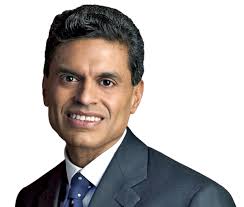
Fareed Zakaria
Fareed Zakaria

By Fareed Zakaria
Thursday, August 13, 2015

Dear Sen. Schumer,

When you announced your deci­sion to vote against the nuclear agree­ment with Iran, you explained your rea­sons in a near­ly 1,700-word state­ment that is thought­ful in sub­stance and civ­il in tone. And yet, in the end, I found it unconvincing.

I believe that the agree­ment is flawed. But it is the most intru­sive, demand­ing and com­pre­hen­sive set of inspec­tions, ver­i­fi­ca­tion pro­to­cols and snap­back mea­sures ever nego­ti­at­ed. Compare the detailed 159-page doc­u­ment with the United States’ 1994 accord with North Korea, which was a vague­ly word­ed four-page doc­u­ment with few mon­i­tor­ing and enforce­ment provisions.

You have three sets of objec­tions, which I will get to, but you fail to note what must hap­pen at the out­set, before Iran gets wide­spread sanc­tions relief.

Iran must destroy 98 per­cent of its enriched ura­ni­um and all of its 5 per­cent to 20 per­cent enriched ura­ni­um, remove and store more than two-thirds of its cen­trifuges (includ­ing all advanced cen­trifuges), ter­mi­nate all enrich­ment at its Fordow nuclear facil­i­ty and ren­der inop­er­a­ble the key com­po­nents of its Arak (plu­to­ni­um) reac­tor. All of these steps must be com­plet­ed to the sat­is­fac­tion of the International Atomic Energy Agency.

It is dif­fi­cult to imag­ine that a seri­ous mil­i­tary cam­paign against Iran would set back its nuclear pro­gram as much as this deal does from the start. Fordow, for exam­ple, is buried deep in a moun­tain and would prob­a­bly sur­vive all but the most intense bombardment.

Your first objec­tions are about the inspec­tions and sanc­tions. You argue that the inspec­tions are not “any­where, any­time” and have a 24-day delay that is “trou­bling.” But all of Iran’s known nuclear facil­i­ties are sub­ject to any­where, any­time mon­i­tor­ing. And for new, sus­pi­cious sites, as nuclear expert Jeffrey Lewis points out, “what oppo­nents of the deal have done is add up all the time lim­its and claim that inspec­tions will occur only after a 24-day pause. This is sim­ply not true. Should the U.S. intel­li­gence com­mu­ni­ty catch the Iranians red-hand­ed, it might be that the Iranians would drag things out as long as pos­si­ble. But in such a case, the game would be over.”

In that sce­nario Sen. Schumer, you argue that the sanc­tions snap­back pro­vi­sions are cum­ber­some. We must have read dif­fer­ent doc­u­ments. The one I’m look­ing at con­tains the first mech­a­nism for the auto­mat­ic reim­po­si­tion of sanc­tions ever cre­at­ed, to my knowl­edge. And they can be trig­gered by Washington uni­lat­er­al­ly. Peter Feaver, a for­mer aide to President George W. Bush, and sanc­tions expert Eric Lorber, in express­ing skep­ti­cism about the deal, admit that “we are hard-pressed to come up with oth­er exam­ples when the U.N. Security Council has vot­ed to dis­en­fran­chise future U.N. Security Councils and cre­ate legal­ly bind­ing deci­sions on the say-so of a sin­gle member.”

You argue that the United States might pre­fer to restore sanc­tions in part and that oth­er coun­tries might not go along with this. But the fact that Washington could uni­lat­er­al­ly snap back all U.N. sanc­tions is sure­ly extra­or­di­nary lever­age that it could use to get oth­er coun­tries to agree to a par­tial reim­po­si­tion of sanctions.

You fur­ther say that “after 15 years of relief from sanc­tions, Iran would be stronger finan­cial­ly and bet­ter able to advance a robust nuclear pro­gram.” Let’s be clear. Iran is going to get sanc­tions relief no mat­ter what. The inter­na­tion­al sanc­tions against Iran were put in place by oth­er coun­tries sole­ly to get to a nuclear deal. None would go along with extend­ing the sanc­tions, giv­en that Iran has pro­duced what they all regard as an accept­able agreement.

Foreign Policy mag­a­zine report­ed on an extra­or­di­nary meet­ing this month, when top diplo­mats from the oth­er five great pow­ers involved in the deal met with sen­a­tors to urge them to sup­port it. The British and Russian envoys explained that if the deal was reject­ed, the sanc­tions would “unrav­el.”

Your final objec­tion is that Iran would use some of its new­ly freed-up resources “to redou­ble its efforts to cre­ate even more trou­ble in the Middle East.” That might be true, but the deal does not stop the United States and its allies from coun­ter­ing these activ­i­ties, as they do today. The non-nuclear ten­sions between Iran and the United States pre­date Tehran’s nuclear pro­gram, con­tin­ue today and will per­sist in the future. But they would be much worse if Iran had a nuclear thresh­old capacity.

Your basic con­clu­sion is that “if one thinks Iran will mod­er­ate . . . one should approve the agree­ment. . . . But if one feels that Iranian lead­ers will not mod­er­ate . . . then one should con­clude that it would be bet­ter not to approve this agree­ment.” This is the most puz­zling and, frankly, illog­i­cal part of your case. If Iran remains a rogue state, all the more rea­son to put its nuclear pro­gram on a leash.

Rejecting this deal would pro­duce an Iran that ramps up its nuclear pro­gram, with­out inspec­tions or con­straints, with sanc­tions unrav­el­ing and a United States that is humil­i­at­ed and iso­lat­ed in the world. You can­not want this. I respect­ful­ly urge you to recon­sid­er your position.

© 2015, Washington Post Writers Group

DPP: I’m No Avenging Angel

Paula Llewellyn DPP
Paula Llewellyn
DPP

Nearly half the cas­es of sus­pect­ed crim­i­nal con­duct by police per­son­nel that were reviewed by the nation’s chief pros­e­cu­tor between April and June this year came back with a rec­om­men­da­tion that no charges be laid.

According to sta­tis­tics released yes­ter­day, the Office of the Director of Public Prosecutions (DPP) hand­ed down 56 rul­ings over the three-month peri­od. In 17 of those rul­ings, the DPP rec­om­mend­ed no crim­i­nal or depart­men­tal charges for the police per­son­nel involved and sug­gest­ed only “depart­men­tal action” in eight cases.

Criminal action was rec­om­mend­ed in 15 of the rul­ings, while 12 cas­es were referred to the Coroner’s Court.

It was a sim­i­lar sto­ry for the cor­rup­tion-relat­ed cas­es reviewed by the DPP last year. The sta­tis­tics show that of the 39 rul­ings hand­ed down, 13 rec­om­mend­ed no crim­i­nal charges for police per­son­nel who were inves­ti­gat­ed, and sev­en sug­gest­ed “depart­men­tal action.”

Criminal charges were rec­om­mend­ed in 19 cases.

The rul­ings were hand­ed down in cas­es referred by the Bureau of Special Investigations, the Criminal Investigations Branch, the Inspectorate of the Constabulary, the Independent Commission of Investigations, and the Centre for the Investigation of Sexual Offences and Child Abuse.

Chief pros­e­cu­tor Paula Llewellyn, how­ev­er, bris­tled at sug­ges­tions that the sta­tis­tics indi­cate that her office was being soft on cops and defend­ed the integri­ty of the office.

It is not our func­tion to be an aveng­ing angel in the soci­ety and to have some sort of meter where we say at the end of every quar­ter we have a quo­ta that we have to meet when it comes to one set of peo­ple as opposed to the oth­er,” Llewellyn told The Gleaner.

Maintain Very High Ethical Standards

We have, at all times, the oblig­a­tion to main­tain very high eth­i­cal stan­dards. If the par­tic­u­lar thresh­old in respect of a rea­son­able prospect of con­vic­tion is not met when you look at the evi­den­tiary mate­r­i­al, it is uneth­i­cal to use extra­ne­ous fac­tors … to come to an adverse deci­sion on whether to pros­e­cute or not to pros­e­cute,” she reasoned.

Our assess­ment must be and is objec­tive,” Llewellyn underscored.

She also insist­ed that she was “com­fort­able” with the sta­tis­tics, which show that in near­ly 50 per cent of the cas­es reviewed by her office dur­ing the first quar­ter of the cur­rent finan­cial year, mem­bers of the Jamaica Constabulary Force (JCF) were either exon­er­at­ed or giv­en a slap on the wrist.

The sta­tis­tics from the DPP’s office also show that there has been no ease in the back­log of cas­es that have clogged the Home Circuit Court and the rur­al Circuit Courts.

According to the sta­tis­tics, 487 cas­es are to be brought over from the Easter ses­sion of the Home Circuit Court to the Michaelmas term, which is set to com­mence on September 16. A break­down of these cas­es shows that 329 are for mur­der, 62 are for rape, 14 for car­nal abuse, 10 for incest, nine for bug­gery, and sev­en for sex­u­al inter­course with a per­son under the age of 16.

For the rur­al Circuit Courts, 632 cas­es are to be trans­ferred to the new term.
Story orig­i­nat­ed here : DPP: I’m No Avenging Angel

Portia To Answer Questions Via E‑mail …wow !!!

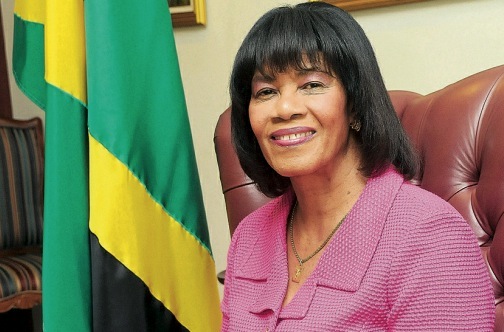
Portia Simpson Miller (PM) Prime Minister Portia Simpson Miller has commended the Reggae Boyz for a strong performance in the CONCACAF Gold Cup final on Sunday, and in the tournament overall. “I congratulate all members of the team and coaching staff under the leadership of head coach Winfried Schaefer for the strong second-place finish and an overall solid and encouraging performance throughout the tournament,” Prime Minister Simpson Miller said.
Portia Simpson Miller (PM

Prime Minister Portia Simpson Miller is to use The STAR news­pa­per to pro­vide answers to ques­tions she is solic­it­ing from the pub­lic, in a new fea­ture dubbed ‘Ask Your Prime Minister’.

The fea­ture begins next Monday. Political ana­lyst, Kevin O’Brien Chang, says the move is a step in the right direc­tion. However, he says the Prime Minister appears to be “hid­ing behind peo­ple”. “When you send an email to her, it doesn’t mean she’s the one answer­ing. I can’t think of any oth­er mature democ­ra­cy where the leader has not giv­en a press con­fer­ence”, Chang said.
Story orig­i­nat­ed here : Portia Taking Questions From The Public

PUBLISHER’S NOTE:
Political Analyst Kevin O’Brien Chang’s state­ment is real­ly humorous .
“I can’t think of any oth­er mature democ­ra­cy where the leader has not giv­en a press conference”,
Maybe because Jamaica is nei­ther mature nor a democracy !!!
How about that Kevin?
The tragedy is that the peo­ple allowed them­selves to be conned into vot­ing for a can­di­date who has no lead­er­ship skills has no idea how to offer 21st cen­tu­ry solu­tions to their prob­lems and now they are stuck with this mam­moth Albatross around their neck at least until the next Elections.
By refus­ing to speak to the Press Portia refus­es to speak to the peo­ple. Why ? Because as she said she is not pre­pared to talk her­self out of office.
The real­i­ty for the coun­try is that it is stuck with a leader who can nei­ther lead from the front nor behind . She hides when she is not off on some for­eign jaunt, because she is intel­lec­tu­al­ly inca­pable of address­ing any of the seri­ous top­i­cal issues of the day .
Of course that does not include com­ment­ing on the per­for­mance of the Reggae boys. I say why not when you have a bunch of morons fawn­ing over you why not take advan­tage of them?

Observer Labels Raymond Wilson Disingenuous & Irresponsible…

Raymond Wilson
Raymond Wilson

Every well-think­ing Jamaican, we assume, still feels a sense of out­rage at the killing of woman Constable Crystal Thomas last month. The mur­der of any human being is total­ly unac­cept­able, and the fiends who com­mit such acts must always be pur­sued, caught, and made to face the full force of the law. That applies even more to the ani­mals parad­ing as men who turn their guns on women, chil­dren and the elder­ly. Those so-called men are real­ly cow­ards, because only cow­ards would shoot defence­less peo­ple. Therefore, the ter­ror­ists who hijacked the bus in which Constable Thomas was trav­el­ling and shot her deserve to be pun­ished, and we con­demn, in the strongest terms, their evil actions.

Our anger at this most heinous crime, how­ev­er, can­not cloud our view of the fol­ly per­pe­trat­ed by Sergeant Raymond Wilson, the chair­man of the Police Federation, at Constable Thomas’s funer­al ser­vice on Sunday. Blaming rights groups and the Independent Commission of Investigations (INDECOM) for Constable Thomas’s death is most disin­gen­u­ous and irre­spon­si­ble, espe­cial­ly com­ing from Sergeant Wilson, a leader who wields con­sid­er­able influ­ence in the police force. Sergeant Wilson, obvi­ous­ly play­ing on the emo­tions of the con­gre­ga­tion, asked what gave crim­i­nals “more right to life” than a police offi­cer or “law-abid­ing cit­i­zens of this coun­try”. The answer, as he knows, is that no one has more right to life than any­one else. It is for that rea­son, as Sergeant Wilson should well know, that INDECOM was estab­lished. For what obtained, in terms of the behav­ior of some mem­bers of the police force towards Jamaicans, before the for­ma­tion of INDECOM was despi­ca­ble, to say the least. Extrajudicial killings, phys­i­cal and ver­bal abuse of peo­ple were accept­ed as the norm by mem­bers of the police force — agents of the state whose job it is to serve and pro­tect the peo­ple of this country.

We accept, and have always point­ed out in this space, that the Jamaican police have a most dif­fi­cult and dan­ger­ous job, as they encounter, almost dai­ly, vile crim­i­nals who have no respect for the law and who place no val­ue on human life. But that does not give the police the right to go about the coun­try shoot­ing peo­ple, most times in instances when they are not chal­lenged. Readers will recall that the need for INDECOM arose from the fact that police excess­es were being inves­ti­gat­ed by the police them­selves, lead­ing to pub­lic mis­trust in what was clear­ly a seri­ous con­flict of inter­est. We have, in the past, heard talk of police­men and women feel­ing demor­alised because of INDECOM’s man­date. However, we hold that if those police­men and women were doing their jobs in the way they were trained they would not have to be con­cerned about INDECOM. As it relates to rights groups, a few of them have done them­selves harm by their overzeal­ous con­cen­tra­tion on police abuse while ignor­ing the pain inflict­ed on fam­i­lies and com­mu­ni­ties by gunmen.That is an imbal­ance that they will have to cor­rect. However, it’s a stretch to blame them for the actions of criminals.

Sergeant Wilson’s lob­by for spe­cial trans­porta­tion to take police offi­cers home is wor­thy of con­sid­er­a­tion. He could have reit­er­at­ed that need more force­ful­ly with­out the dia­tribe about INDECOM.

Federation Blast INDECOM, Rights Group, Politicians, At Slain Cops Funeral

The mother of police constable Crystal Thomas cries uncontrollably.
The moth­er of police con­sta­ble Crystal Thomas cries uncontrollably.

POLICE Federation Chairman Sergeant Raymond Wilson, yes­ter­day, spared no punch­es as he slammed rights groups and the Independent Commission of Investigations (INDECOM), the sys­tem of gar­ri­son pol­i­tics, and the financiers of crim­i­nals, whom he said were all respon­si­ble for the death of Woman Constable Crystal Thomas, who was mur­dered in Kingston while head­ing home on a bus, last month.

Wilson appeared to slight min­is­ter with respon­si­bil­i­ty for the pub­lic sec­tor, Horace Dalley, dur­ing his scathing address at the funer­al ser­vice for Thomas, which was held at Ebenezer Fellowship Church of God Seventh-day in Spanish Town, St Catherine.

Bunting — who sat between Commissioner of Police Dr Carl Williams and Opposition spokesman on secu­ri­ty Derrick Smith — appeared uneasy as Wilson deliv­ered the barbs to the encour­age­ment of mourn­ers inside the crammed church.

A hush fell as Wilson recount­ed a con­ver­sa­tion with Dalley pri­or to Thomas’s death about the pro­vi­sion of trans­porta­tion for Jamaica Constabulary Force (JCF) mem­bers who work late at nights.

Wilson said he asked Dalley, dur­ing a nego­ti­a­tion, if he was wait­ing for a police offi­cer to be mur­dered while using the pub­lic trans­porta­tion sys­tem before a bus is made avail­able to take them home after work.

He said the min­is­ter’s response was that no mon­ey was avail­able to ful­fil that request.

That is what the val­ue of the life of a police offi­cer is,” Wilson told mourn­ers in his no-holds-barred address.

The out­spo­ken Wilson said that for too long admin­is­tra­tors have been giv­ing police “bas­ket to car­ry water” and it should now stop as he called for the sup­port of the wider society.

Prior to Wilson’s address, Smith called on Bunting to make the pro­vi­sion of trans­porta­tion for police offi­cers who work late — espe­cial­ly female cops — a reality.

However, Bunting, who spoke after Smith, but before Wilson, stayed clear of the trans­porta­tion issue.

To wild cheers, Wilson made a spir­it­ed call for Thomas to be posthu­mous­ly award­ed the medal of gal­lantry, say­ing she died fight­ing for her life and the lives of the pas­sen­gers on the bus she was on.

Thomas was gunned down on Spanish Town Road, in Kingston, on July 14, while mak­ing her way home.

Twenty-nine-year-old Marlon Cherrington, oth­er­wise called Kemar Anderson, of Kidd Lane, Kingston 11, was held a day after the mur­der. He, how­ev­er, died two Fridays ago, days after being assault­ed at the Hunts Bay police lock-up, where he was being held. The police com­mis­sion­er has ordered a probe into Cherrington’s death.

Twenty-four-year-old Thomas had been a mem­ber of the con­stab­u­lary for four years.

Yesterday, the large church could­n’t con­tain the huge crowd that turned out to bid farewell to Thomas. A dry eye was dif­fi­cult to spot among mourn­ers, many of whom had to set­tle for stand­ing on the outside.

As the flag-draped cas­ket was car­ried in, Thomas’s moth­er, Jacqueline Brown, broke out in uncon­trol­lable wail­ing, and repeat­ed­ly called out her deceased daugh­ter’s name. Attempts by a mem­ber of the JCF and rel­a­tives to com­fort her seemed futile.

During a trib­ute by Thomas’s 119 batch­mates, a male mem­ber had to be escort­ed from the podi­um as he buck­led under the weight of his grief and sat heavy on the floor, weeping.

Wilson too appeared to have been cry­ing and had to be com­fort­ed by a mem­ber of the Police Federation fol­low­ing his address.

During his pre­sen­ta­tion, Wilson asked what right does a gun­man have to deter­mine that a police offi­cer or a law-abid­ing civil­ian should die. He asked what gave crim­i­nals “more right to life” than a police offi­cer or “law-abid­ing cit­i­zens of this country”.

Thomas, he said, was killed by gun­men who knew that the laws were in their favour as opposed to police offi­cers con­duct­ing their law­ful duties. He not­ed that the police­woman was killed by crim­i­nals who knew that spe­cial inter­est groups would lob­by on their behalf, while police offi­cers had to finance their legal defence.

Bunting had said ear­li­er the out­pour­ing of grief since the trag­ic killing was an indi­ca­tion that a “true hero had been struck down”.
Story orig­i­nat­ed @ :Federation blast INDECOM, rights group, politi­cians, at slain cops funeral